
Have you ever noticed your cat meowing at their toys and wondered why they do it? It’s a curious behavior that many cat owners find both amusing and puzzling.
Understanding why your furry friend vocalizes at toys can help you connect with them better and even enhance playtime. Keep reading to discover the surprising reasons behind this quirky habit and how it reveals what your cat is really thinking.
Credit: www.chewy.com
Cat Communication Basics
Cats use many ways to talk to us and to each other. One way is through meowing. Meows help cats share their feelings and needs. Understanding basic cat sounds helps us know what they want. This is key to happy cat care.
Each meow can mean something different. Cats also use body language and other sounds to communicate. Learning these helps us see what our cats feel during play or rest.
Different Types Of Meows
Cats have many meow types. Some are short and soft. These often mean “hello” or “I am here.”
Louder and longer meows may show hunger or want for attention. Some cats meow more when they are lonely or bored.
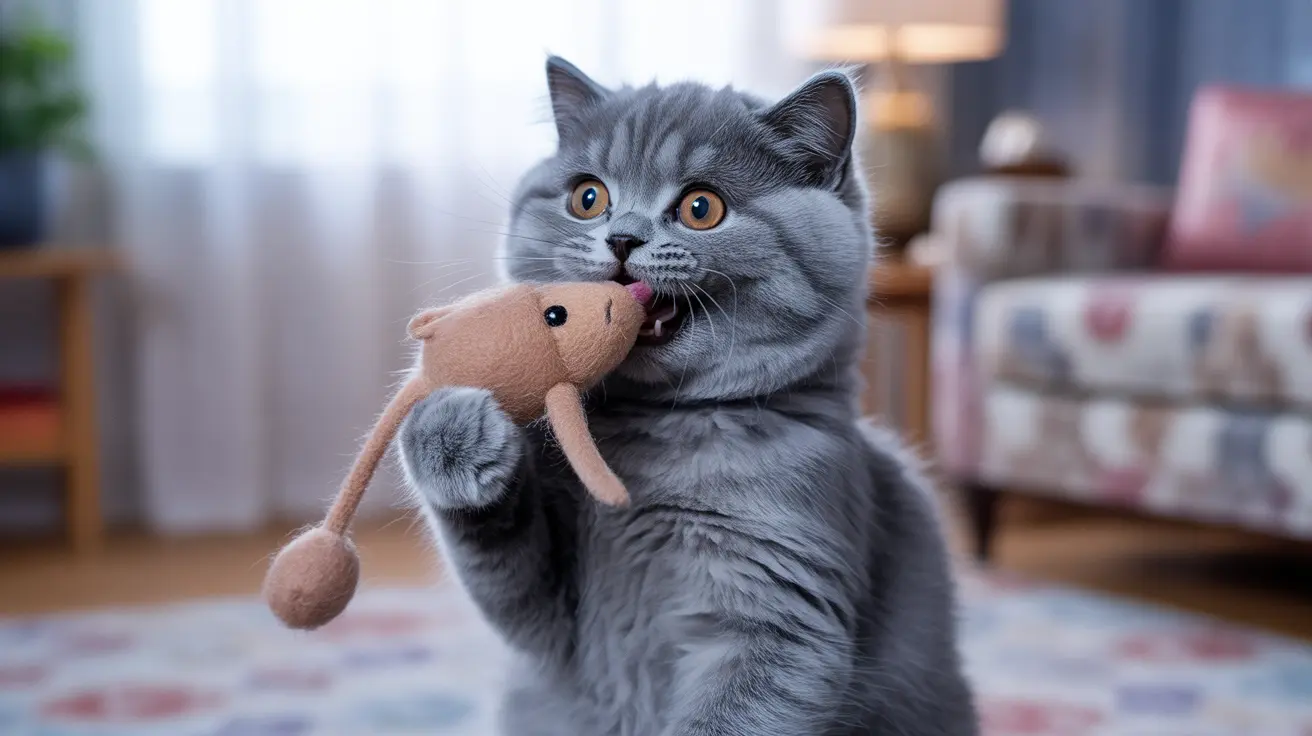
When cats meow at toys, they might be curious or excited. It can sound like a mix of talking and play.
How Cats Use Vocalizations
Meowing is mainly for talking to people. Cats rarely meow at each other as adults. Instead, they use purrs, hisses, and growls with other cats.
With humans, meows send clear messages. A cat might meow to ask for food or to invite play. Sometimes, they meow at toys to practice hunting skills.
These sounds help cats express feelings like joy, surprise, or frustration. Listening closely helps owners respond well to their cats.
Meowing At Toys Explained
Cats meow at toys for different reasons. This behavior shows how they interact with their environment. Understanding why cats meow at toys helps improve their playtime.
Meowing is a way cats communicate their feelings. Toys often trigger this vocal response. It reveals their emotions and instincts in action.
Stimulating Hunting Instincts
Toys remind cats of prey. The meow acts as a hunting call. It shows excitement and focus during play.
When a cat sees a moving toy, it thinks of hunting. Meowing signals its attention and readiness to catch. This sound connects to natural hunting habits.
Expressing Excitement Or Frustration
Cats also meow to show feelings. Excitement comes when they enjoy the toy. The meow is short and lively.
Frustration happens if the toy is hard to catch. The cat’s meow may sound longer or louder. It expresses a desire to keep trying.
Emotional Triggers Behind Meowing
Cats meow at toys for many emotional reasons. These sounds show what they feel inside. Understanding these triggers helps pet owners connect better with their cats. Cats use meowing to express feelings and needs. Toys often spark these feelings.
Seeking Attention Or Interaction
Cats meow at toys to get your attention. They want you to join their playtime. This meow is a call for interaction. Cats feel happy when you respond. They see toys as a way to include you. Your attention makes play more fun for them.
Feeling Playful Or Curious
Toys make cats curious and excited. Meowing shows their eagerness to explore. They use sounds to express their playful mood. The meow is like a small cheer. Cats want to invite others into their game. Their playful nature comes alive with toys around.
Credit: www.petscare.com
Role Of Toy Type And Movement
Cats meow at toys for many reasons. One key factor is the type of toy and how it moves. Different toys can trigger various reactions from cats. Movement and texture play big roles in catching their attention. These factors can make cats more vocal during playtime. Understanding this helps pet owners choose the right toys for their cats.
Why Moving Toys Elicit More Meows
Moving toys mimic real prey. Cats see toys that move like a bird or mouse. This sparks their hunting instincts. They get excited and meow more. The movement makes playtime feel alive and fun. Cats use meows to express eagerness or frustration. Toys that wiggle, bounce, or flutter cause more vocal reactions. Still toys do not trigger the same response. Movement keeps cats alert and engaged.
Impact Of Toy Size And Texture
Size matters in how cats react to toys. Small toys are easier to carry and “hunt.” Cats often meow at toys that fit their paws. Large toys may seem less interesting or harder to catch. Texture also changes how cats play. Soft, furry toys feel like real animals. Cats may meow to invite play or show excitement. Hard or smooth toys might get less vocal response. Cats use meows to communicate their feelings about the toy.
Influence Of Cat’s Personality
Cats meow at toys for many reasons. One important reason is their personality. Each cat has a unique way of showing feelings. Some cats are talkative and lively. Others are calm and quiet. Their personality shapes how they play and communicate.
Vocal Breeds Vs. Quiet Breeds
Some cat breeds are naturally vocal. Siamese cats are a good example. They often meow loudly and clearly. They use sounds to express excitement or alertness. On the other hand, breeds like the Scottish Fold are quieter. They use fewer sounds to show interest. Vocal breeds may meow more at toys. Quiet breeds might stay silent but still enjoy play.
Individual Differences In Play Behavior
Even cats of the same breed behave differently. Some cats become very excited during play. They meow to show joy or invite interaction. Others prefer to watch quietly. They may pounce without making any sound. Play style depends on mood and past experiences. Each cat’s response to toys is unique and personal.
How To Respond To Meowing At Toys
Knowing how to respond when your cat meows at toys helps build a strong bond. Cats use meows to communicate excitement, curiosity, or sometimes frustration. Your reaction can guide their play behavior and emotional state. Understanding this makes playtime more fun and less stressful for both of you.
Encouraging Positive Play
Respond to your cat’s meows by engaging gently with toys. Use soft voices and slow movements to keep them calm. Praise your cat with petting or kind words when they play quietly. Offer a variety of toys to keep interest high. Rotate toys regularly to avoid boredom. Positive reactions encourage healthy play habits and reduce meowing.
Avoiding Overstimulation
Watch for signs of stress like loud or constant meowing. Stop play if your cat becomes too excited or agitated. Give them time to relax before starting again. Avoid rough handling during play sessions. Overstimulation can lead to anxiety and more meowing. Keeping play calm helps your cat enjoy toys without stress.
When Meowing Might Signal A Problem
Cats meow at toys for fun or attention. But sometimes, the meowing can mean a problem. Understanding these signals helps keep your cat healthy and happy.
Signs Of Stress Or Anxiety
Stress can make cats meow more than usual. They might meow at toys because they feel nervous. Changes at home, loud noises, or new pets can cause stress. Watch for hiding, pacing, or licking themselves a lot. These signs show your cat needs calm and care.
Health Issues To Consider
Meowing at toys can also mean pain or sickness. Cats with dental problems or infections may cry out more. Older cats might meow because of arthritis or confusion. If meowing is loud or constant, a vet visit is smart. Early care can stop problems from getting worse.

Credit: www.amazon.com
Frequently Asked Questions
Why Do Cats Meow At Toys Frequently?
Cats meow at toys to express excitement or frustration. It mimics their hunting behavior and helps them communicate their feelings.
Can Meowing At Toys Indicate A Cat’s Mood?
Yes, meowing at toys often shows curiosity, playfulness, or sometimes anxiety. It reflects the cat’s emotional state during play.
Do Cats Meow At Toys To Get Attention?
Cats may meow at toys to attract their owner’s attention. They want interaction or to encourage more playtime.
Is Meowing At Toys A Sign Of Hunting Instinct?
Meowing during play mimics hunting sounds. It’s a natural instinct as cats practice their predatory skills.
Conclusion
Cats meow at toys to express excitement and curiosity. They treat toys like real prey or playmates. Meowing helps them communicate their feelings to you. Understanding this behavior strengthens your bond with your cat. Watch your cat’s meows to learn what they want.
Toys spark their natural hunting instincts and keep them happy. Paying attention to these sounds makes playtime more fun. Your cat’s meows show they enjoy playing and feel safe. Keep offering toys to encourage healthy, playful behavior.