
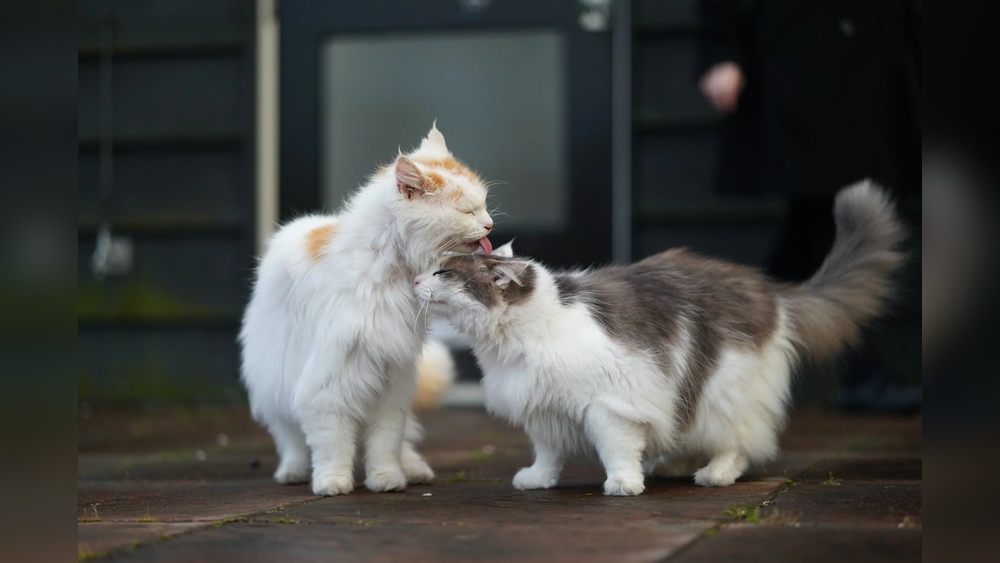
Have you ever watched cats grooming each other and wondered why they do it? It’s more than just keeping clean.
When cats groom one another, they are sharing a special bond that says a lot about their feelings and relationships. Understanding this behavior can help you connect better with your furry friends and even spot signs of their mood or health.
Keep reading to discover the surprising reasons behind this gentle, furry ritual and what it means for your cats’ happiness.

Credit: catanddoghouse.com
Social Bonding In Cats
Cats are social animals. Grooming each other is more than cleaning fur. It is a way cats connect and build trust. This behavior helps them live well together. Social bonding keeps cat groups peaceful and happy.
Strengthening Friendships
Grooming helps cats make friends. Cats lick and clean spots hard to reach. This act shows care and kindness. Friends groom each other often to stay close. It reduces stress and makes cats feel safe. Grooming builds a strong bond over time.
Family Ties And Group Harmony
Mother cats groom their kittens for comfort and health. Grooming teaches kittens social skills early on. Adult cats groom relatives to keep peace in the group. This behavior stops fights and keeps harmony. Grooming is a sign of love in cat families.
Health Benefits Of Mutual Grooming
Mutual grooming among cats is more than just a social activity. It plays a key role in their health and well-being. This behavior helps cats stay clean and calm. It also strengthens bonds between them. Understanding these benefits shows why cats often groom each other.
Removing Dirt And Parasites
When cats groom each other, they reach places that are hard to clean alone. This helps remove dirt and loose fur from their bodies. It also helps get rid of parasites like fleas. By grooming each other, cats keep their coats cleaner. This reduces the risk of skin infections and irritation.
Reducing Stress And Anxiety
Mutual grooming has a calming effect on cats. The gentle licking releases hormones that lower stress. This helps cats feel safe and relaxed. Grooming also builds trust between cats, creating a peaceful group. This reduces anxiety and helps them cope better in their environment.
Communication Through Grooming
Cats use grooming to communicate with each other. This behavior is more than just cleaning. It helps cats share feelings and build bonds. Watching cats groom one another reveals their social world. They send messages through gentle licks and nibbles. These actions show trust and help organize their group life.
Expressing Trust And Affection
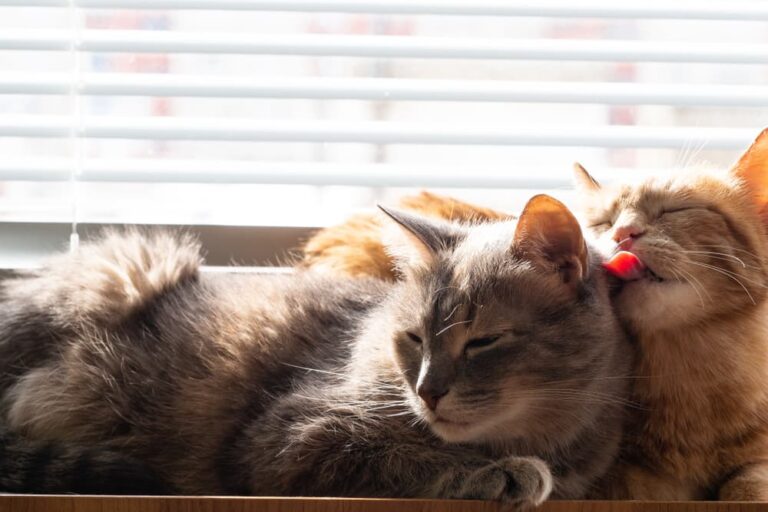
Grooming is a sign of trust between cats. A cat only grooms another if it feels safe. Licking soft fur shows care and kindness. This behavior strengthens their friendship. It also helps reduce stress and calm nerves. Grooming moments are peaceful and loving. Cats use this to say, “You are my friend.”
Establishing Social Hierarchies
Grooming also helps cats set their social order. Higher-ranking cats often groom others first. Lower-ranking cats may wait or groom back gently. This shows respect and acceptance of roles. Grooming helps avoid fights and keeps peace. It reminds cats of their place in the group. This silent language keeps their community balanced.
Credit: www.greatpetcare.com
Grooming And Territory Marking
Cats grooming each other is more than just cleaning fur. It plays a key role in how they mark their territory. Through grooming, cats share scents that help define their space.
This behavior helps cats feel safe and connected within their group. It also sends signals to other cats about who belongs where. Grooming builds social bonds and marks shared territory.
Sharing Scent Profiles
Cats have scent glands in their skin. When they lick each other, they mix their scents. This creates a common scent profile within the group. It tells other cats that these cats belong together.
Sharing scents helps avoid fights over territory. It acts like a natural ID card for the group. Cats recognize their friends by these shared smells.
Reinforcing Group Identity
Mutual grooming strengthens the group’s identity. It shows trust and friendship between cats. This bond makes the group more stable and peaceful.
When cats groom each other, they confirm their place in the group. This keeps the group united. It also helps protect their shared territory from outsiders.
When Grooming Signals Conflict
Cats groom each other to build bonds and show care. Sometimes, grooming hides tension or conflict. It can be a way to test each other’s limits. Understanding these signs helps to read cat behavior better.
Grooming can shift from friendly to tense quickly. Watch the body language and reactions closely. Small signs may show discomfort or a power struggle.
Subtle Tensions And Power Struggles
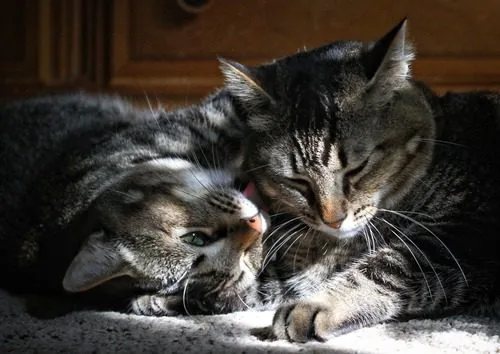
Grooming can become a silent battle for control. One cat may groom more aggressively or for longer. The other cat might freeze or pull away slowly. These actions show who is more dominant.
Tense grooming may include stiff bodies or staring eyes. The cat being groomed might flick its tail or flatten ears. These signals warn of growing discomfort or stress.
Avoiding Aggression
Grooming can prevent fights by calming tension. Cats use gentle licking to soothe each other. This helps lower stress and avoid aggression.
Interrupting tense grooming can stop conflicts early. Giving space or distraction helps both cats relax. Careful observation keeps peace in multi-cat homes.
Credit: whitneyvet.com
Factors Influencing Grooming Behavior
Cats often groom each other as a way to bond and stay clean. This behavior depends on several factors. Understanding these helps explain why some cats groom more than others. Grooming can show trust and friendship among cats. It also helps keep their fur healthy and free of dirt or parasites.
Age And Relationship Dynamics
Young cats groom their mothers and siblings often. This helps build a strong family bond. Older cats may groom less, especially if they live alone. Cats that share a close relationship groom each other more. Friends and family cats spend time grooming to show care and trust.
Environmental And Health Conditions
Stress or changes in the environment affect grooming habits. Cats in calm homes groom each other more. Illness or pain can reduce grooming behavior. Cats might avoid grooming if they feel sick or uncomfortable. Clean and safe surroundings encourage cats to groom together.
Frequently Asked Questions
Why Do Cats Groom One Another?
Cats groom one another to strengthen social bonds and show affection. This behavior helps reduce stress and promotes group harmony.
How Does Mutual Grooming Benefit Cats?
Mutual grooming removes dirt and parasites from hard-to-reach areas. It also reinforces trust and comfort between feline companions.
When Do Cats Typically Groom Each Other?
Cats usually groom each other during relaxed moments or after playtime. It often happens between cats that share a close relationship.
Can Grooming Indicate A Cat’s Social Status?
Yes, grooming can reflect social hierarchy. Dominant cats may receive more grooming, showing respect and submission from others.
Conclusion
Cats grooming each other shows trust and friendship. It helps them stay clean and calm. You might see this behavior often in cats that live together. It also helps them bond and feel safe. Watching cats groom can teach us about their feelings.
Remember, this act is natural and important for cats’ health. Understanding this helps you care better for your pets. Keep observing your cats to see how they connect. Their grooming is more than just cleaning—it’s love and care.