
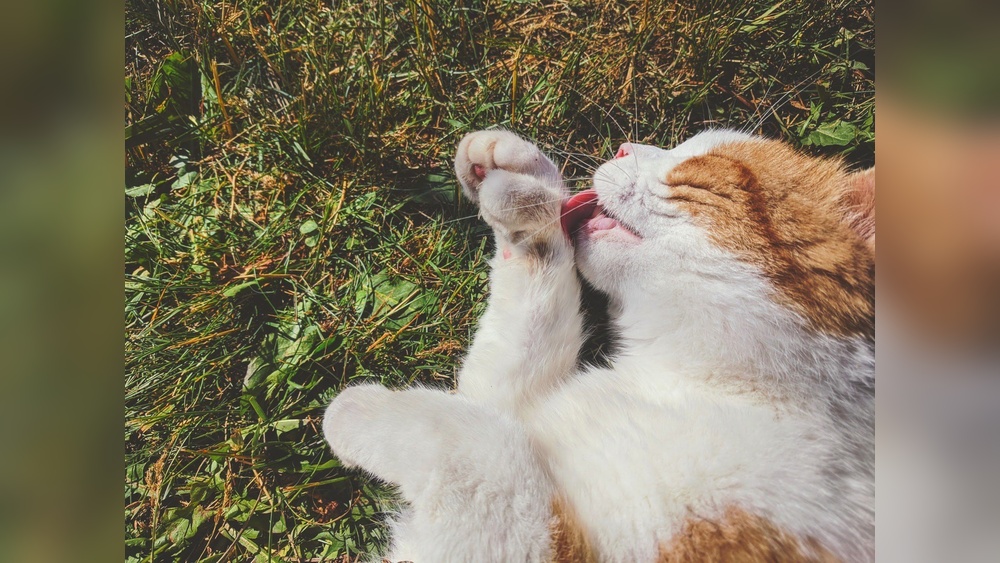
Have you ever watched your cat spend hours licking its fur and wondered just how much time it really spends grooming? You might be surprised to learn that grooming is not just a quick habit but a big part of your cat’s daily routine.
Understanding what percentage of their waking hours cats dedicate to grooming can reveal a lot about their health, comfort, and behavior. If you want to know why your furry friend spends so much time cleaning themselves and what it means for you as a cat owner, keep reading.
This insight will change the way you see your cat’s quiet moments of self-care.
Credit: www.indiatoday.in
Cat Grooming Behavior
Cats spend a lot of their time grooming themselves. This behavior is natural and very important. Grooming helps cats stay clean and healthy. It also has other benefits for their body and mind.
Understanding how often and why cats groom gives insight into their daily life. It shows how much time they dedicate to self-care during their waking hours.
Why Cats Groom Themselves
Cats groom to clean their fur and remove dirt. This keeps their coat smooth and free of parasites. Grooming also helps regulate body temperature.
It is a calming activity that reduces stress and anxiety. Cats use grooming to bond with other cats, too. This social grooming strengthens their relationships.
Frequency Of Grooming Sessions
On average, cats spend about 30 to 50 percent of their waking hours grooming. They often groom several times a day. Each session can last from a few minutes to half an hour.
Older cats may groom less, while young cats groom more. The frequency also depends on the cat’s health and environment.
Average Grooming Time
Cats spend about 30 to 50 percent of their waking hours grooming themselves. This helps keep their fur clean and healthy. Grooming also relaxes them and removes loose hair.
Daily Grooming Percentage
Cats spend a large part of their waking hours grooming themselves. On average, a cat dedicates about 30% to 50% of its awake time to cleaning its fur. This means a typical cat might groom for three to five hours each day. Grooming helps cats stay clean, remove loose fur, and regulate body temperature.
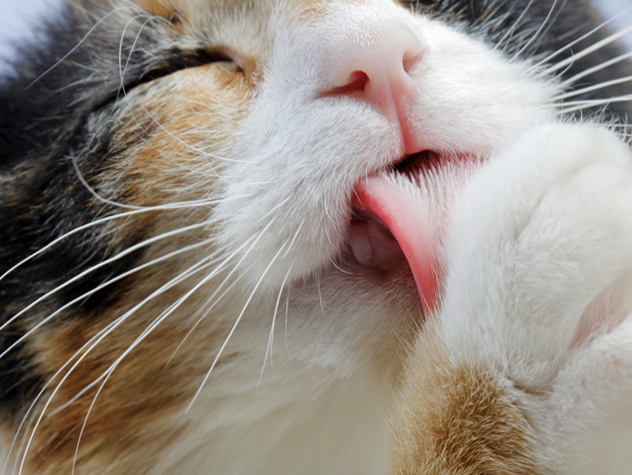
Self-grooming also keeps their skin healthy and reduces stress. Cats use their tongues, which have tiny rough bumps, to remove dirt and spread natural oils. This daily habit is essential for their well-being and comfort.
Variation Among Cat Breeds
Different cat breeds show varying grooming habits. Long-haired cats often spend more time grooming than short-haired ones. Their thick fur needs extra care to prevent mats and tangles. For example, Persian cats groom more frequently to keep their coats smooth.
Short-haired breeds like the Siamese groom less but still maintain a clean coat. Some breeds may also groom more due to personality or health factors. Age and environment can influence grooming time too. Older cats or those with health problems might groom less often.
Factors Influencing Grooming
Cats spend a large part of their waking hours grooming. This behavior keeps them clean, healthy, and calm. Several factors affect how much time cats spend grooming. These factors can change a cat’s grooming habits daily.
Understanding these influences helps cat owners support their pets better. Grooming patterns vary based on age, health, and surroundings. Each element plays a key role in grooming time and style.
Age And Health Impact
Young cats groom often to keep their fur soft and shiny. Kittens learn grooming from their mothers. Older cats may groom less due to arthritis or pain.
Illness can also reduce grooming. Cats feeling weak or sick might stop cleaning themselves. Skin problems may cause more grooming in some areas. Watching grooming changes can signal health issues early.
Environmental Effects
Where a cat lives affects how much it grooms. Cats in dusty or dirty areas clean more. Indoor cats tend to groom less than outdoor cats. Temperature also matters. In hot weather, cats lick more to cool down.
Stressful environments can change grooming habits too. Cats under stress may groom excessively or stop grooming. Quiet, safe spaces help maintain healthy grooming patterns.
Benefits Of Grooming
Cats spend a large part of their day grooming themselves. This behavior is not just about looking clean. Grooming offers many benefits that help keep cats healthy and happy.
Hygiene And Skin Care
Grooming helps cats remove dirt and loose fur. It stops their skin from getting dry or irritated. The saliva they spread has natural oils that protect their fur. Grooming also helps stop parasites like fleas from settling on their skin. Clean fur means fewer skin problems and infections.
Stress Relief And Comfort
Grooming calms cats and reduces stress. It works like a natural massage that soothes muscles. Cats often groom after feeling anxious or scared. This behavior helps them feel safe and comfortable. Grooming also helps cats cool down on hot days by spreading saliva on their fur.
Grooming And Social Behavior
Cats spend a large part of their waking hours grooming themselves. Grooming is not just about staying clean. It also plays a key role in their social lives. Through grooming, cats communicate and build relationships with others. This behavior helps them feel safe and connected. Understanding grooming and social behavior reveals much about how cats live and interact.
Grooming In Multi-cat Households
In homes with several cats, grooming has a social side. Cats often groom each other, a behavior called allogrooming. This helps reduce tension and prevent fights. It also shows trust between cats. The grooming sessions can last several minutes. Cats use this time to bond and share scents. This strengthens their group identity and peace.
Bonding Through Grooming
Grooming serves as a bonding tool among cats. It helps form friendships and keeps groups stable. Cats groom close companions more often. This act lowers stress and creates comfort. Grooming can calm nervous or anxious cats. It acts as a silent way to say, “You are safe with me.”
Credit: www.petfinder.com
When Grooming Becomes Excessive
Cats spend a good part of their waking hours grooming. This keeps their fur clean and skin healthy. But grooming can become too much. Excessive grooming might signal a problem. It can affect a cat’s health and happiness.
Watch your cat’s grooming habits closely. Sudden changes or long sessions of licking need attention. Understanding signs of over-grooming helps catch issues early. It protects your cat from discomfort and harm.
Signs Of Over-grooming
Look for bald patches or sore skin. These are clear signs your cat grooms too much. Excessive licking can cause redness or swelling. Hair may become thin or rough. Scratches or scabs might appear on the body.
Your cat might lick one spot repeatedly. This behavior differs from normal grooming. It may seem restless or anxious. Sometimes, skin looks dry or flaky. These symptoms show grooming is beyond healthy limits.
Potential Health Issues
Over-grooming can hide health problems. Skin infections or allergies often cause irritation. Parasites like fleas can lead to constant licking. Stress or anxiety may also trigger this behavior. Pain from injuries or arthritis can be a factor.
Ignoring over-grooming can worsen these issues. Skin wounds may get infected. Hair loss can become permanent. Your cat’s overall well-being suffers. Early care helps keep your cat safe and comfortable.
Tips To Support Healthy Grooming
Cats spend a large part of their waking hours grooming. This keeps their fur clean and skin healthy. Supporting your cat’s grooming habits helps avoid health problems. Small changes can make a big difference in their comfort and well-being.
Helping your cat stay healthy means paying attention to their grooming needs. Watch for signs of over-grooming or neglect. These signs often show when your cat is stressed or unwell. Here are simple ways to support your cat’s grooming routine.
Regular Vet Checkups
Schedule vet visits at least once a year. Vets can spot skin problems early. They check for parasites and infections that affect grooming. Your vet advises on grooming products and techniques. Regular checkups keep your cat healthy and comfortable.
Proper Nutrition And Hydration
Feed your cat a balanced diet rich in nutrients. Good food helps maintain shiny and soft fur. Ensure fresh water is always available. Hydration supports skin health and reduces dry patches. Healthy eating and drinking improve grooming naturally.

Credit: www.catster.com
Frequently Asked Questions
How Much Time Do Cats Spend Grooming Daily?
Cats spend about 30 to 50 percent of their waking hours grooming. This means they groom themselves for several hours each day to stay clean and healthy.
Why Do Cats Groom Themselves So Often?
Cats groom to remove dirt, loose fur, and parasites. Grooming also helps regulate body temperature and reduce stress.
Does Grooming Affect A Cat’s Health?
Yes, grooming keeps a cat’s coat clean and skin healthy. It prevents infections and helps detect injuries early.
Do All Cats Groom Equally?
No, grooming varies by age, breed, and health. Younger and healthy cats tend to groom more frequently than older or sick cats.
Conclusion
Cats spend a big part of their day grooming themselves. This helps them stay clean and healthy. Grooming also calms cats and keeps their fur soft. Understanding this habit shows how important self-care is for cats. Next time you see a cat cleaning, remember it’s more than just looking neat.
It’s a natural way for cats to feel good and stay safe. Watching them groom can help you learn more about their needs and moods. A clean cat is often a happy cat.