
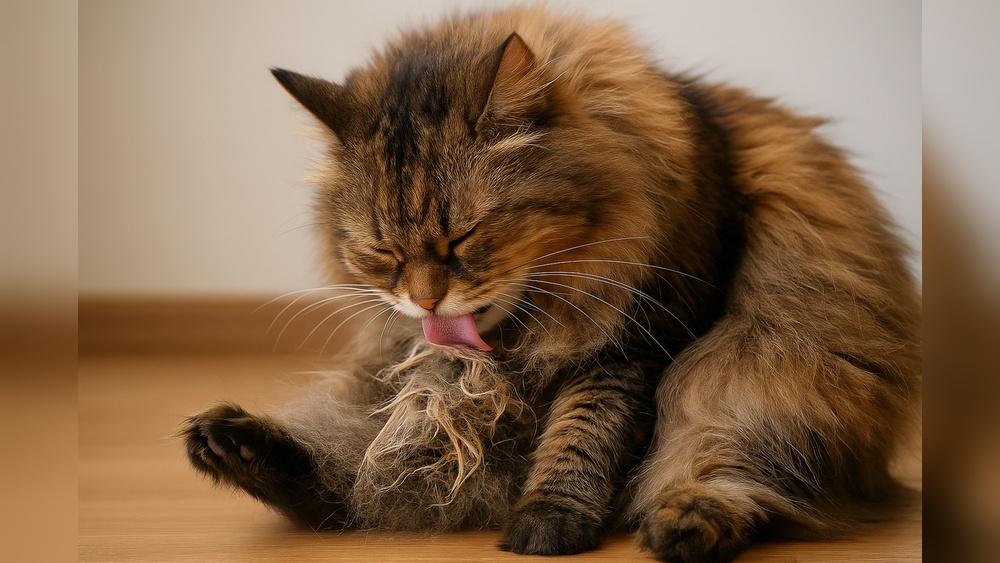
Have you noticed your cat isn’t grooming like it used to? You might be worried about why your furry friend isn’t cleaning itself properly.
Grooming is more than just a habit for cats—it’s essential for their health and happiness. When your cat stops grooming, it could be a sign something is wrong. You’ll discover the surprising reasons behind this change and what you can do to help your cat feel better.
Keep reading to find out why your cat can’t groom and how you can make a difference.
Common Grooming Habits
Cats are known for their cleaning habits. They spend a lot of time grooming themselves every day. This behavior helps keep their fur clean and healthy. It also plays a role in their comfort and hygiene. Understanding these habits helps identify why some cats struggle to groom.
Grooming is natural for cats. It includes licking their fur and using their paws to clean hard spots. This routine is part of how cats care for themselves. When a cat stops grooming, it may signal health issues or stress.
How Cats Usually Groom Themselves
Cats use their tongues to lick their fur. Their tongues have tiny, rough bumps. These help remove dirt and loose hair. Cats also use their front paws to clean their face and head. They lick their paws, then rub their face and ears. This process helps keep their coat smooth and free of debris.
Grooming also helps cats cool down. It spreads natural oils across their fur. These oils protect the skin and keep the coat shiny. Grooming is also a way cats relax and feel calm.
Importance Of Regular Grooming
Regular grooming keeps a cat’s coat healthy. It stops mats and tangles from forming. Mats can cause pain and skin problems. Grooming reduces hairballs by removing loose fur. It also helps control pests like fleas.
Grooming is important for a cat’s overall health. It prevents infections and skin diseases. Lack of grooming can lead to serious problems. Owners should watch for changes in grooming habits. This helps catch health issues early.
Health Issues Affecting Grooming
Cats usually keep themselves clean by grooming daily. Grooming helps them remove dirt and loose fur. It also keeps their skin healthy. Sometimes, cats stop grooming. Health problems often cause this change. These issues make grooming hard or painful for cats.
Paying attention to health problems can help your cat stay clean. Some common health issues affect grooming ability. Knowing these can help you spot problems early.
Dental Problems
Pain in the mouth stops cats from grooming. Teeth or gum disease make chewing painful. Cats with dental issues avoid cleaning their face. Bad breath and drooling may also appear. Regular dental checks help catch problems fast.
Skin Conditions
Skin infections or allergies cause discomfort. Cats may stop grooming due to itching or pain. Dry or scaly skin shows a problem. Parasites like fleas also bother cats. Treating skin conditions improves grooming habits.
Arthritis And Mobility
Joint pain limits a cat’s movement. Arthritis makes reaching some body parts tough. Cats with arthritis may miss spots while grooming. Stiffness and limping are common signs. Helping with mobility aids grooming ease.
Obesity Impact
Extra weight makes grooming hard. Overweight cats cannot reach all areas. Fat blocks access to some body parts. This leads to dirty or matted fur. Maintaining a healthy weight supports grooming ability.
Behavioral Causes
Behavioral causes can stop cats from grooming themselves properly. Cats rely on grooming to stay clean and healthy. When their behavior changes, grooming habits may change too. Stress, anxiety, and depression can all affect a cat’s desire to groom. Changes in their environment also play a role. Understanding these causes helps you support your cat better.
Stress And Anxiety
Stress makes cats feel uneasy and restless. Anxiety can come from loud noises, new people, or other pets. When stressed, cats may stop grooming. Grooming requires calmness, which stress disrupts. Cats might hide or avoid usual routines, including cleaning themselves.
Depression In Cats
Depression can cause a cat to lose interest in grooming. Cats may seem sad or less active. They may sleep more and eat less. A depressed cat often neglects self-care. This lack of grooming shows in their messy fur and skin problems.
Changes In Environment
Moving to a new home or changing furniture can confuse cats. New smells and sights make cats cautious. Changes can disrupt their daily habits. Cats may stop grooming until they feel safe again. A stable environment helps cats maintain good grooming habits.
External Factors
Cats usually keep themselves clean by grooming. Sometimes, outside problems stop them from grooming well. These external factors can affect their health and comfort. Understanding these issues helps you know why your cat might not groom properly.
Parasites And Allergies
Parasites like fleas and ticks cause itching and discomfort. Cats with parasites avoid grooming to stop pain. Allergies also irritate the skin. This irritation can make grooming hard or painful. Watch for constant scratching or hair loss. These signs often mean parasites or allergies are present.
Injuries Or Pain
Injuries can stop a cat from grooming. Pain from wounds or broken bones limits movement. Cats may avoid cleaning sore spots. Arthritis and other joint problems cause pain too. This pain makes grooming uncomfortable or impossible. Notice if your cat moves slowly or avoids touching certain areas.
Age-related Changes
Older cats often groom less. They lose flexibility and strength with age. Their teeth may hurt, making grooming hard. Older cats might feel tired or weak. These changes reduce their ability to clean themselves. Extra help with grooming keeps older cats healthy and comfortable.
Signs Your Cat Needs Help
Recognizing when your cat needs grooming help is very important. Cats usually keep themselves clean. But sometimes, they struggle to do so. This can lead to health problems. Spotting early signs can save your cat from discomfort. Here are some key signs to watch for.
Matted Fur And Dirt
Look closely at your cat’s fur. Tangled, clumpy fur shows grooming problems. Dirt or debris stuck in the coat is also a red flag. Matted fur can cause pain and skin infections. Your cat may avoid grooming if the fur feels uncomfortable.
Excessive Scratching
Scratching more than usual means trouble. It can signal skin irritation or parasites. Cats unable to groom well often scratch to relieve discomfort. This may cause wounds or hair loss. Watch for constant scratching or biting at the skin.
Unusual Odors
Bad smells coming from your cat are a warning. Dirty fur and skin infections can cause odors. Cats that do not groom properly often smell musty or sour. Check for foul smells around the ears, mouth, or body. This indicates the need for grooming support.
Credit: www.yourcat.co.uk
Quick Grooming Solutions
Quick grooming solutions help cats stay clean and comfortable. Some cats cannot groom themselves well due to health issues or age. Owners can assist with simple grooming steps. These steps keep cats healthy and happy. Let’s explore easy methods to help your cat with grooming.
Assisted Brushing Techniques
Start by using a soft brush made for cats. Brush gently in the direction of fur growth. Pay attention to tangled or matted areas. Use slow, calm strokes to avoid stress. Brushing removes loose hair and dirt. It also helps prevent hairballs. Make brushing a daily routine for best results.
Bathing Tips For Cats
Use a small tub or sink with warm water. Wet your cat slowly and carefully. Apply a cat-safe shampoo in small amounts. Avoid getting shampoo in the eyes or ears. Rinse thoroughly to remove all soap. Dry your cat with a soft towel afterward. Keep the bath short to reduce anxiety.
Using Grooming Tools Safely
Choose tools designed specifically for cats. Check each tool for sharp edges or damage. Use grooming gloves to protect your hands. Handle your cat gently but firmly during grooming. Stop if your cat shows signs of pain or stress. Clean and store tools properly after each use.
When To See The Vet
Noticing your cat stops grooming can be worrying. Grooming is vital for a cat’s health. It keeps their fur clean and skin healthy. Sometimes, lack of grooming signals health problems. Knowing when to see the vet helps your cat get the care it needs quickly.
Identifying Serious Problems
Watch for signs like constant scratching or hair loss. Skin sores or bad smells also matter. Cats that stop grooming may feel pain or be sick. Look for changes in behavior or appetite. These signs mean a vet visit is needed soon.
Preparing For The Vet Visit
Write down all changes you notice in your cat. Note when grooming stopped and any other symptoms. Keep your cat calm before the visit. Bring a small blanket or toy your cat likes. This helps reduce stress at the vet clinic.

Credit: www.wikihow.com
Preventing Grooming Issues
Preventing grooming issues in cats helps keep them healthy and happy. Grooming is a natural habit for cats, but problems can happen. Taking steps early can stop these issues from growing worse. Focus on simple habits and care routines. These keep your cat comfortable and clean.
Regular Checkups
Visit the vet often to spot problems early. Vets check your cat’s skin, teeth, and fur. They find infections or pain that block grooming. Early treatment helps your cat feel better fast. Regular checkups keep grooming problems from getting worse.
Maintaining A Stress-free Environment
Cats groom less when they feel scared or stressed. A calm home helps your cat stay relaxed. Provide quiet spaces and soft bedding. Avoid loud noises or sudden changes. A peaceful place encourages your cat to groom daily.
Proper Diet And Exercise
Good food supports healthy skin and shiny fur. A balanced diet gives your cat energy to groom. Exercise keeps muscles strong and joints flexible. Active cats can reach all body parts for grooming. Feed well and play often for best grooming results.

Credit: www.reddit.com
Frequently Asked Questions
Why Is My Cat Suddenly Not Grooming Itself?
Cats may stop grooming due to illness, pain, or stress. Common causes include arthritis, dental issues, or skin infections. If your cat’s grooming habits change, consult a vet to identify and treat the underlying problem promptly.
Can Obesity Affect My Cat’s Grooming Habits?
Yes, overweight cats often struggle to reach all body areas. Excess weight limits flexibility, making grooming difficult. Helping your cat lose weight through diet and exercise can improve grooming and overall health.
How Do Dental Problems Impact My Cat’s Grooming?
Dental pain can make grooming uncomfortable or painful for cats. Issues like tooth decay or gum disease may reduce grooming frequency. Regular dental check-ups and treatment can restore grooming behavior and comfort.
Could Stress Cause Grooming Problems In Cats?
Stress can disrupt a cat’s grooming routine. Changes in environment, new pets, or loud noises cause anxiety, leading to grooming neglect. Providing a calm, safe space helps reduce stress and encourages normal grooming.
Conclusion
Cats stop grooming for many reasons. Illness, pain, or stress can cause this change. Watch your cat closely for signs of trouble. A visit to the vet helps find the problem fast. Keep your cat comfortable and safe at home.
Regular grooming supports their health and happiness. Helping your cat stay clean shows you care. Small actions make a big difference in their life. Don’t wait if grooming stops suddenly. Act quickly for your cat’s well-being.