
Washing and grooming your cat might seem like a challenge, but it doesn’t have to be stressful for you or your furry friend. When you know the right steps, you can keep your cat clean, comfortable, and healthy with ease.
Imagine your cat looking shiny, feeling fresh, and enjoying the grooming process. In this guide, you’ll discover simple tips and tricks that make washing and grooming quick and easy. Ready to become your cat’s favorite groomer? Let’s dive in!
Preparing Your Cat For Bath Time
Preparing your cat for bath time helps make the experience less stressful. Cats do not enjoy water. They need gentle care before a bath. This preparation can calm your cat and make grooming easier.
Start by gathering the right tools, creating a quiet space, and brushing your cat. These steps build trust and reduce fear. A calm cat is easier to bathe and groom.
Choosing The Right Supplies
Use cat-specific shampoo to protect your cat’s skin. Avoid human shampoo or harsh chemicals. Have a small cup or sprayer for rinsing. Use a soft towel to dry your cat afterward. Prepare everything before you start to avoid stress.
Creating A Calm Environment
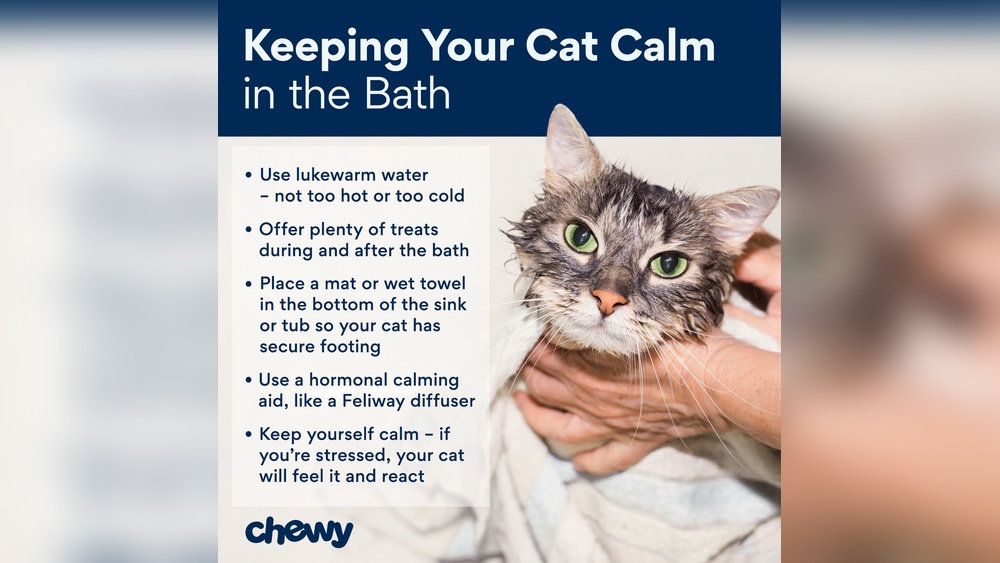
Find a quiet place without loud noises or distractions. Close windows and doors to keep your cat safe. Speak softly and move slowly to avoid startling. Use a non-slip mat in the sink or tub. Calm surroundings help your cat feel secure.
Brushing Before The Bath
Brush your cat’s fur before the bath to remove loose hair. This prevents mats from getting worse when wet. Use a gentle brush or comb suited for your cat’s fur type. Brushing also helps calm your cat by giving attention. It prepares the coat for a cleaner wash.
Step-by-step Cat Washing Guide
Washing a cat can seem hard, but breaking it down helps. Follow this simple step-by-step guide to keep your cat clean and calm. Each step ensures safety and comfort for your furry friend.
Using Lukewarm Water
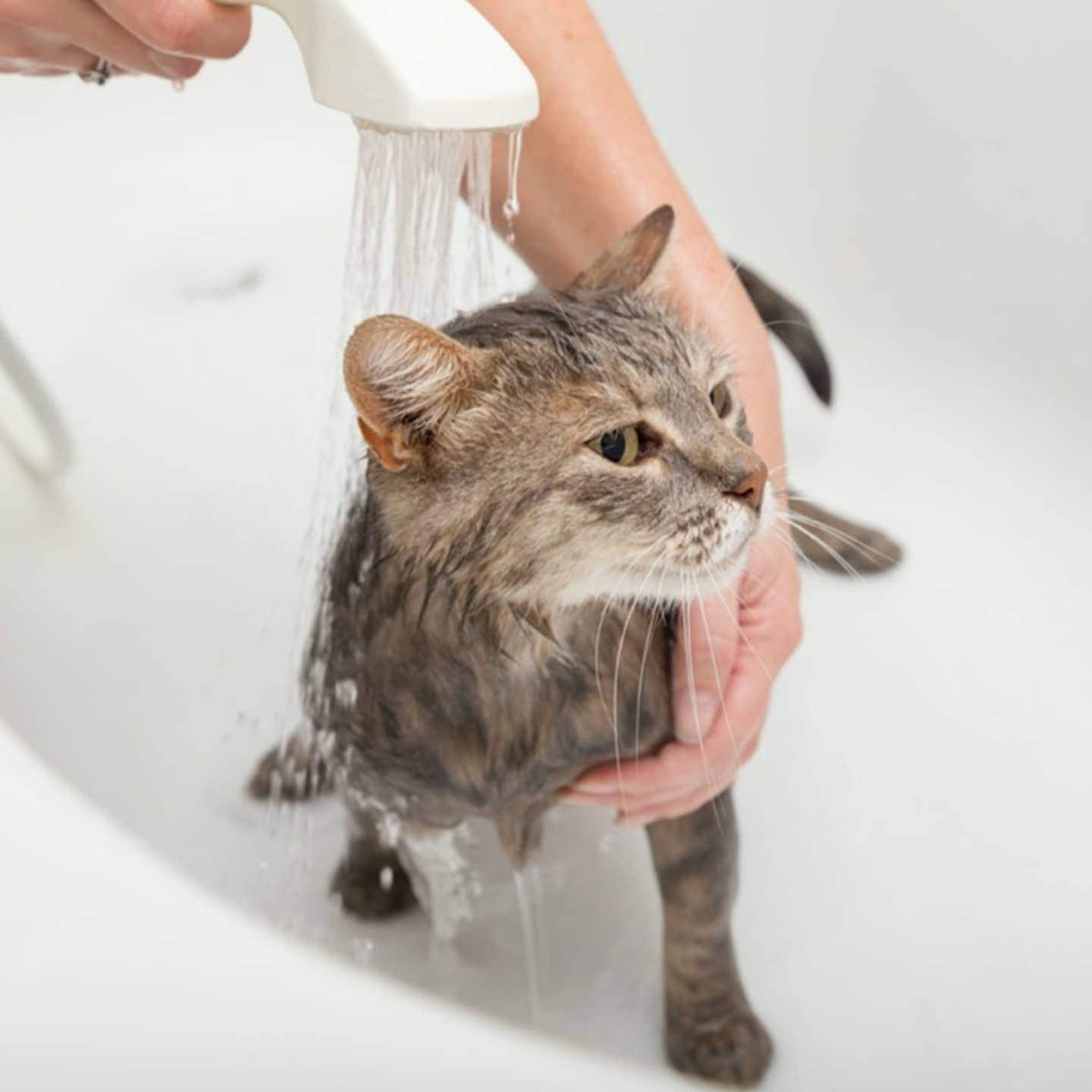
Start by filling a basin or sink with lukewarm water. Test the water to make sure it is not too hot or cold. Gently place your cat in the water. Use a cup or sprayer to wet their fur slowly. Avoid the face and ears at this stage.
Applying Cat-friendly Shampoo
Choose a shampoo made specifically for cats. Pour a small amount onto your hand. Rub it gently into your cat’s fur. Focus on the back, sides, and tail. Avoid the eyes, ears, and mouth. Massage the shampoo well to create a light foam.
Rinsing Thoroughly
Rinse your cat with lukewarm water carefully. Use a cup or sprayer to remove all shampoo. Make sure no soap remains on the fur. Soap residue can irritate the skin. Take your time to rinse every part of the body.
Drying Your Cat Safely
Wrap your cat in a soft, dry towel. Gently pat the fur to absorb water. Avoid rubbing, which can tangle the fur. Use a second towel if needed. Keep your cat warm and away from drafts while drying. Some cats tolerate a low setting hairdryer, but only use it if your cat stays calm.
Grooming Techniques For Different Fur Types
Grooming cats depends on their fur type. Each type needs different care. This helps keep cats clean and healthy. Proper grooming also reduces shedding and hairballs.
Short-haired Cats
Short-haired cats need less grooming than long-haired ones. Use a soft brush to remove loose hair. Brush once or twice a week. This helps spread natural oils for a shiny coat. Wipe your cat with a damp cloth if needed. Check the skin for any bumps or fleas.
Long-haired Cats
Long-haired cats need daily brushing to avoid tangles. Use a wide-tooth comb or a slicker brush. Start from the head and work down to the tail. Be gentle to avoid hurting your cat. Long fur can trap dirt and debris. Regular grooming keeps the coat soft and clean.
Dealing With Matted Fur
Matted fur can cause pain and skin problems. Use a dematting comb or scissors carefully. Cut mats only if brushing does not work. Hold the fur close to the skin to avoid cuts. Regular grooming helps prevent mats from forming. Seek help from a vet or groomer for severe mats.

Credit: www.chroniclebooks.com
Maintaining A Healthy Coat
A cat’s coat shows its health and happiness. A shiny, soft coat means good care and strong health. Maintaining a healthy coat is important for your cat’s comfort. It also helps reduce hairballs and skin problems. Simple steps keep your cat’s fur clean and bright. Understanding how to care for the coat helps both you and your cat.
Regular Brushing Schedule
Brushing your cat removes dirt and loose fur. It stops mats and tangles from forming. Brush short-haired cats once a week. Long-haired cats need brushing every day. Use a brush made for cats. Brushing also spreads natural oils in the fur. This keeps the coat shiny and soft.
Diet And Hydration Tips
Good food helps your cat’s coat stay healthy. Choose high-quality cat food with protein and fat. Omega-3 and omega-6 fatty acids improve fur condition. Fresh water is important too. It keeps skin hydrated and prevents dryness. Avoid low-quality food with fillers or artificial ingredients.
Managing Shedding
Shedding happens naturally, but it can be controlled. Brush your cat often during heavy shedding seasons. Use a de-shedding tool to remove loose hair. Keep your home clean by vacuuming regularly. Bathing can help, but do not do it too often. A healthy coat sheds less and looks better.
Handling Stress And Behavioral Issues
Washing and grooming a cat can cause stress for many cats. Handling this stress well is important for a safe and calm experience. Understanding your cat’s behavior helps reduce anxiety. Gentle care and patience make a big difference in grooming time.
Recognizing Signs Of Anxiety
Watch your cat’s body language closely. Flattened ears, wide eyes, and trembling show fear. Hiding or trying to escape also signals stress. A cat may hiss or scratch if scared. Recognizing these signs early helps you act gently.
Using Positive Reinforcement
Reward your cat with treats during grooming. Speak softly and use calm tones. Give praise when the cat stays calm. Short sessions with breaks keep your cat relaxed. Positive reinforcement teaches your cat to trust grooming time.
When To Seek Professional Help
Some cats show strong fear or aggression. If grooming causes harm or too much stress, ask a vet or groomer. Professionals know how to handle difficult cats safely. They can also check for health problems causing bad reactions.

Credit: www.carrollcountyah.com
Additional Grooming Essentials
Grooming a cat goes beyond washing and brushing. Paying attention to small details keeps your cat healthy and happy. These extra steps protect your cat from common problems.
Regular care of nails, ears, eyes, and teeth helps avoid pain and infections. It also strengthens the bond between you and your cat. Here are some key grooming essentials.
Nail Trimming Tips
Trim your cat’s nails every two to three weeks. Use sharp, small nail clippers made for pets. Gently press the paw to extend the nails. Cut only the sharp tip. Avoid the pink part called the quick. It has nerves and blood vessels. Cutting it causes pain and bleeding. Stop if your cat becomes stressed. Reward your cat with treats after trimming.
Cleaning Ears And Eyes
Check ears weekly for dirt or wax. Use a soft cloth or cotton ball dampened with warm water. Wipe gently inside the ear. Never use cotton swabs deep inside. For eyes, wipe away discharge with a clean, damp cloth. Use a new cloth for each eye to prevent infection. Watch for redness or bad smell. These signs need a vet visit.
Dental Care Basics
Brush your cat’s teeth two to three times a week. Use a pet toothbrush and toothpaste made for cats. Never use human toothpaste. Start slowly to help your cat get used to brushing. Dental care reduces bad breath and prevents gum disease. Offer dental treats or toys to support oral health.
Credit: www.chewy.com
Frequently Asked Questions
How Often Should I Wash My Cat?
Cats generally need washing only when dirty or smelly. Overbathing can dry their skin. Usually, grooming and brushing suffice.
What Is The Best Shampoo For Cats?
Use a shampoo specifically made for cats. Avoid human or dog shampoos, as they can irritate cat skin.
How Do I Make Cat Bathing Less Stressful?
Use warm water, gentle handling, and calm voice. Prepare everything beforehand and keep sessions short to reduce stress.
Can I Groom A Cat Without Washing It?
Yes, regular brushing removes loose fur and dirt. Grooming keeps the coat healthy without frequent baths.
Conclusion
Washing and grooming your cat helps keep them healthy and happy. Use gentle products made for cats. Stay calm and patient during each step. Regular brushing removes loose fur and prevents mats. Clean ears and trim nails safely. A clean, well-groomed cat feels good and looks great.
Small efforts make a big difference in your cat’s comfort. Enjoy bonding time while caring for your furry friend. Simple care routines keep your cat bright and lively every day.