
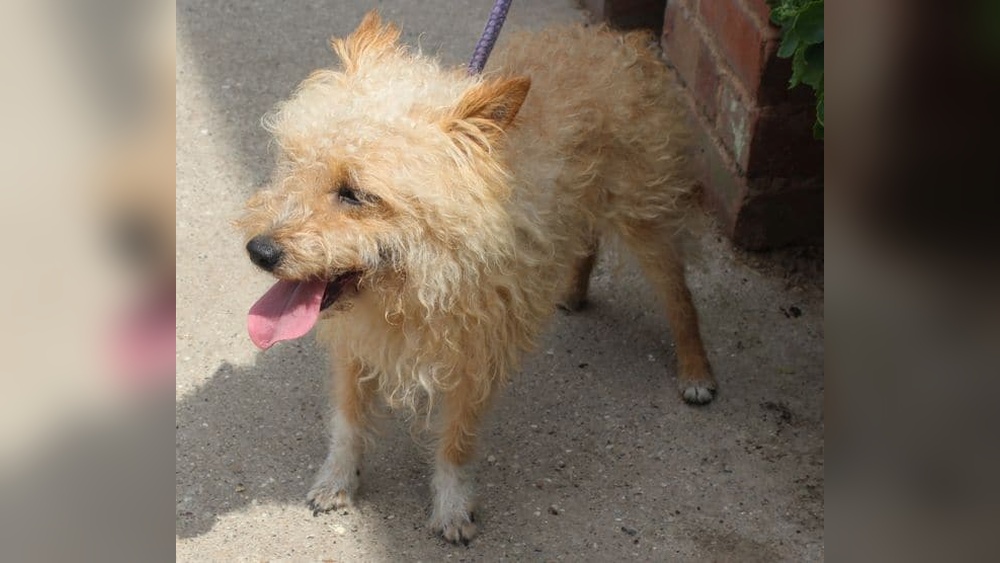
Have you ever watched your cat spend hours licking its fur, always looking neat and clean, while your dog seems perfectly happy rolling in the dirt? You might wonder, why don’t dogs groom themselves like cats do?
Understanding this difference can change how you care for your furry friend and keep them healthy. You’ll discover the surprising reasons behind this behavior and learn simple tips to keep your dog feeling fresh and comfortable every day. Keep reading—you’ll be amazed at what you find out!

Credit: www.amazon.com
Differences In Grooming Habits
Dogs and cats have very different grooming habits. These habits come from their nature and body structure. Understanding these differences helps explain why dogs do not groom like cats.
Grooming is not just cleaning. It is also about comfort and health. Cats and dogs meet these needs in different ways. Their habits show their unique ways of staying clean and healthy.
Cats’ Self-cleaning Routine
Cats use their tongues to clean their fur. Their tongues have tiny, rough bumps. These help remove dirt and loose hair. Cats spend a lot of time licking themselves each day. This keeps their fur smooth and free from debris.
Cats also use grooming to cool down. The saliva helps cool their skin as it dries. Grooming reduces the smell of cats. This helps them stay hidden from predators and prey.
Dogs’ Grooming Behavior
Dogs do not lick themselves as much as cats. They rely more on external grooming. Dogs need regular brushing from their owners. This removes loose fur and dirt.
Dogs use their mouths and paws to scratch or clean spots. They also shake their bodies to remove water or dirt. Dogs enjoy rolling in grass or mud. This behavior is natural and helps with scent marking.
Dogs sweat very little through their skin. They cool down mostly by panting. Grooming is less about cleaning and more about comfort for dogs.

Credit: www.amazon.com
Anatomy And Physical Traits
Dogs and cats have very different bodies that affect how they clean themselves. Their physical features shape their grooming habits. Understanding these differences helps explain why dogs don’t groom like cats.
Tongue Structure And Texture
Cats have rough tongues covered with tiny, hook-like structures. These help them pull dirt and loose fur from their coats. The hooks also spread natural oils that keep their fur soft and shiny.
Dogs’ tongues are smoother and less rough. They use their tongues mainly to drink and cool down. Their tongues do not work well for deep grooming like cats’ tongues do.
Coat Type And Maintenance
Cat fur is usually shorter and thinner. It gets dirty less easily and dries quickly after cleaning. Cats groom often to remove loose hairs and dirt.
Dog coats vary a lot. Some dogs have thick or curly fur that can trap dirt and moisture. These coats need brushing and washing by humans to stay clean and healthy.
Evolutionary Background
Dogs and cats have very different grooming habits. These habits come from their long history. Their ancestors shaped how they clean themselves today.
Understanding their past helps explain why dogs do not groom like cats. Their evolution gave each species unique ways to stay clean and healthy.
Wild Ancestors’ Grooming Patterns
Wild cats groom themselves often and carefully. They use their tongues to clean fur and remove dirt.
Wild dogs, like wolves, groom less. They focus on social grooming, like licking each other’s faces. This helps build bonds in their pack.
Cats depend on licking to stay clean. Dogs rely more on other methods, such as shaking off dirt or rubbing on grass.
Survival And Grooming Needs
Cats are hunters that hide silently. Clean fur helps them stay quiet and avoid predators.
Dogs often run and play in groups. Their fur can get dirty, but grooming less helps them focus on other survival tasks.
Dogs’ thicker, oilier coats protect them from weather and bugs. Too much licking could remove these oils and harm their skin.
Each animal’s grooming style fits its way of life and environment. Evolution shaped these habits for their survival.
Social And Environmental Influences
Social and environmental factors play a big role in why dogs and cats groom differently. These influences shape their habits and behaviors over time. Dogs live and interact in ways that affect their grooming needs and methods.
Pack Behavior And Grooming
Dogs are pack animals. They depend on each other for safety and social bonding. Grooming in dogs often happens through social interaction with pack members. They lick and nuzzle each other to build trust and show care. This behavior helps keep the pack clean and healthy.
Unlike cats, dogs rarely groom themselves alone for long periods. Their grooming is part of social play or comfort. The pack environment encourages less frequent self-grooming and more mutual care.
Human Interaction And Care
Humans play a big role in a dog’s grooming routine. Owners provide regular baths, brushing, and nail trimming. Dogs rely on humans for cleaning that cats do on their own. This reduces the need for dogs to groom themselves as thoroughly.
Dogs also get attention and affection through grooming by humans. This strengthens their bond and gives them comfort. The presence of humans changes how dogs approach cleanliness and grooming habits.
Health And Hygiene Implications
Dogs do not groom themselves like cats. This difference affects their health and hygiene. Cats clean their fur carefully every day. Dogs rely on their owners to keep them clean. This can lead to health issues if not managed well.
Regular grooming helps prevent problems. Dirt, oil, and bacteria build up on a dog’s skin. This buildup can cause itching and infections. Understanding these health risks is important for all dog owners.
Common Skin Issues In Dogs
Dogs often face skin problems due to poor grooming. Dry skin, rashes, and hot spots are common. These issues cause discomfort and pain. Parasites like fleas and ticks also affect dogs. They hide in dirty or unwashed fur. Skin infections may become severe without treatment.
Benefits Of Regular Bathing
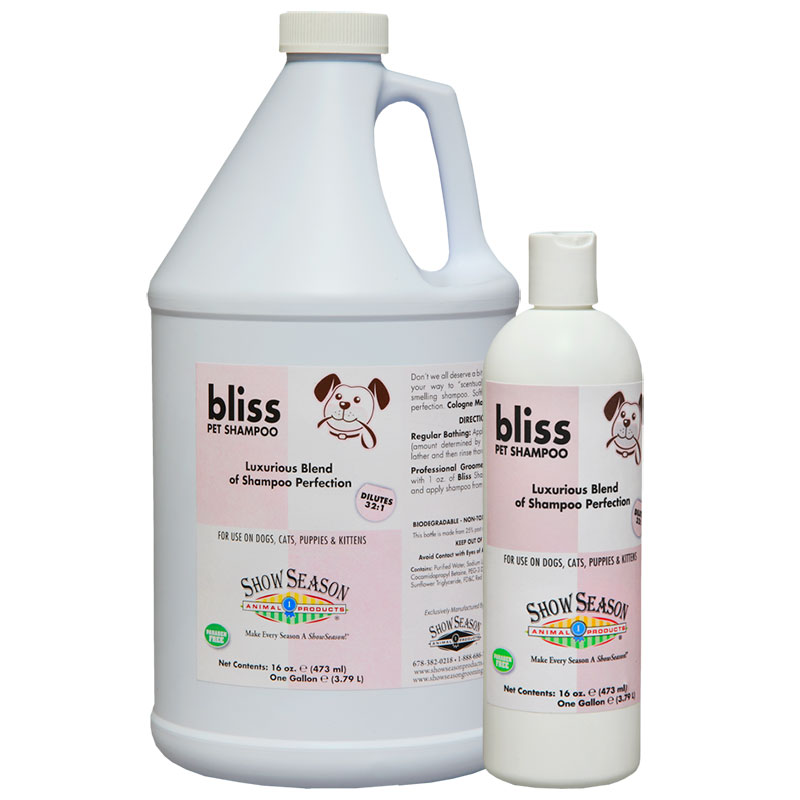
Bathing helps remove dirt and germs from a dog’s coat. It also reduces shedding and bad odors. Clean fur keeps the skin healthy and less itchy. Regular baths lower the risk of infections. Bathing also helps spot skin problems early. Owners can notice lumps, bumps, or wounds. Keeping dogs clean supports their overall health.
Credit: groomersmart.com
Tips For Dog Grooming
Dogs do not groom themselves like cats. They need our help to stay clean and healthy. Regular grooming keeps their coat shiny and skin healthy. It also helps prevent mats and tangles. Here are some easy tips for dog grooming.
Brushing Techniques
Brush your dog’s coat gently every day or several times a week. Use a brush suited for your dog’s hair type. Start at the head and move toward the tail. Brush in the direction of hair growth. Be careful around sensitive areas like ears and belly. Brushing removes dirt, loose hair, and prevents mats.
Bathing Frequency
Bathe your dog once a month or as needed. Too many baths can dry out their skin. Use a mild shampoo made for dogs. Rinse thoroughly to avoid irritation. Dry your dog well with a towel or dryer on low heat. Bathing helps keep your dog fresh and clean.
Professional Grooming Services
Some dogs need professional grooming regularly. Groomers trim nails, clean ears, and cut hair. They know how to handle different breeds safely. Visit a groomer every few months or as your dog needs. Professional care keeps your dog looking and feeling good.
Frequently Asked Questions
Why Don’t Dogs Groom Themselves Like Cats?
Dogs lack the flexible tongue and grooming instinct cats have. Their fur type and skin also differ, making self-grooming less effective. Instead, dogs rely on humans for bathing and brushing to stay clean and healthy.
How Do Cats’ Grooming Habits Differ From Dogs?
Cats groom frequently using their rough tongues to clean and cool themselves. Dogs groom less often and mainly lick specific spots. Cats’ grooming removes loose fur and dirt, while dogs depend on external care for hygiene.
Can Dogs Groom Themselves Effectively?
Dogs can lick themselves but not as thoroughly as cats. Their tongues aren’t designed for deep grooming. Regular brushing and baths by owners are essential to maintain dogs’ coat health and cleanliness.
Why Is Dog Grooming Important If They Don’t Groom Like Cats?
Dog grooming removes dirt, loose hair, and prevents mats. It also helps spot skin issues early. Since dogs groom less, regular care keeps their coat shiny and skin healthy, improving their overall wellbeing.
Conclusion
Dogs and cats have very different grooming habits. Dogs rely on owners and nature to stay clean. Cats use their tongues to groom themselves often. Each animal’s grooming suits its lifestyle and body. Understanding these differences helps pet owners care better.
Dogs need regular baths and brushing from people. Cats mostly manage their own cleanliness every day. Both animals stay healthy in their own ways. This knowledge makes pet care easier and more effective.