
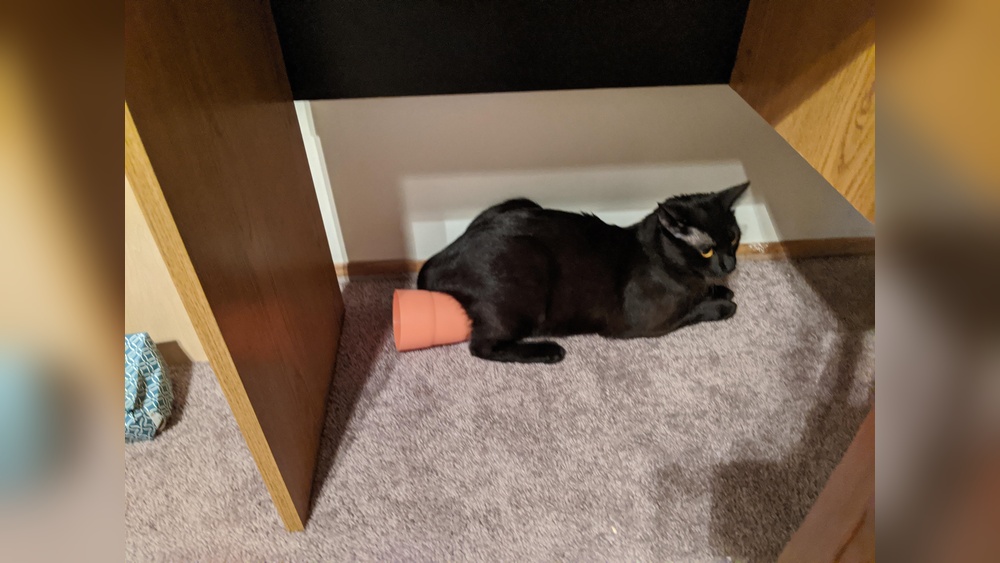
Have you ever noticed your cat curling up or sprawling right on top of their toys? It might seem odd or even a little funny, but there’s more to this behavior than meets the eye.
Understanding why your cat chooses to lie on their toys can give you a glimpse into their feelings and needs. If you want to deepen your bond and make your furry friend happier, keep reading—you’ll discover surprising reasons behind this simple, yet curious habit.
Cat Behavior Around Toys
Cats show unique behaviors around their toys. Toys are not just playthings. They become part of their environment and daily routine. Understanding these behaviors helps you know your cat better.
Cats may lay on their toys for comfort or protection. It is a way to keep their favorite items close. This act can also show ownership or a sense of security.
Common Toy Interactions
Cats often bat toys with their paws. They may carry toys in their mouths. Some cats like to hide toys under blankets or furniture. Laying on toys is common to keep them safe. This behavior shows how much they enjoy the toy.
They also bite or chew soft toys. Tugging and chasing toys mimic hunting. These actions keep cats active and alert. Toys become more than objects; they turn into companions.
How Cats Choose Toys
Cats prefer toys that move or make noise. Feather toys and balls are popular choices. Cats also like toys that feel soft or have texture. Scented toys attract their attention too. Each cat has its own favorite type of toy.
Age and personality affect their choice. Younger cats enjoy chasing fast toys. Older cats may prefer gentle, soft toys. Observing your cat helps pick the best toys. This strengthens your bond and keeps them happy.

Credit: www.reddit.com
Comfort And Security
Cats often seek comfort and security in their surroundings. Toys can become more than just playthings. They turn into safe spots that help cats feel calm and relaxed. This behavior shows how cats use objects to cope with stress or loneliness. Understanding this helps pet owners support their cats better.
Toys As Comfort Objects
Cats treat some toys like soft pillows or blankets. These toys offer a sense of safety. Cats may lay on them to feel cozy. The texture and size of a toy can make it perfect for resting. This habit mimics how cats find warm, soft places in nature. Toys become a source of comfort during naps or quiet times.
Scent Marking And Familiarity
Cats have strong scents on their fur and paws. They leave these scents on toys by rubbing or kneading. This scent marking makes the toy familiar and personal. It helps cats feel secure in their space. The scent signals that the toy belongs to them. This connection brings peace and reduces anxiety.
Territory And Ownership
Cats use toys to mark their space and show what belongs to them. This behavior is part of their natural instinct to protect their territory. When your cat lies on toys, it often means they feel safe and in control. They use toys as a way to claim ownership inside your home.
Claiming Space With Toys
Cats like to have spots that feel just theirs. Toys become a small part of this space. By laying on toys, cats add their scent and presence. This scent acts like a sign, telling other pets this is their area. It helps cats feel calm and secure. This way, toys are not just for play but for making a place their own.
Protecting Valued Items
Some toys are more important to cats than others. They may choose to lie on favorite toys to keep them safe. This guarding shows how much they value these items. Cats treat these toys like treasures. Staying close prevents others from taking or damaging them. Protecting toys is a way cats show ownership and care.
Credit: www.reddit.com
Playfulness And Engagement
Cats are playful creatures. Their toys are not just for fun. Toys also keep their minds active. Sometimes, cats lie on their toys. This shows their need for play and engagement. It helps them stay happy and healthy. Understanding why your cat does this can improve your bond.
Resting Between Play Sessions
Playing tires cats out quickly. They need breaks to regain energy. Lying on toys lets them rest nearby. This keeps the toy close for the next game. It also gives a sense of comfort. Your cat feels safe while staying alert. This behavior shows their natural rhythm of play and rest.
Using Toys For Stimulation
Toys stimulate a cat’s mind and body. Lying on toys keeps the stimulation close. Cats enjoy the texture and smell of their toys. These senses help keep them interested. It can also show ownership of the toy. Engaging with toys this way reduces boredom. It supports their natural hunting instincts too.
Health And Warmth
Cats often choose toys as places to rest. This choice links to their health and need for warmth. Toys can offer more than fun. They provide comfort and a warm spot to relax. Understanding why cats lie on toys helps us care for them better.
Toys As Warm Surfaces
Toys trap heat from the cat’s body. They act like little warm blankets. Soft toys hold warmth longer than hard floors. Cats like to stay warm to keep their bodies healthy. Warmth helps their muscles stay loose and ready to move.
Many cats prefer cozy, warm spots. Toys give a small, safe place to keep warm. This can be especially true in cool rooms or seasons.
Comfort For Aches Or Stress
Toys can soothe aches in a cat’s body. Lying on soft toys eases pressure on joints. This helps cats feel less pain and more relaxed.
Cats also use toys to reduce stress. The familiar scent and texture calm them down. Resting on toys creates a peaceful, safe feeling. This comfort supports their mental and physical health.

Credit: www.reddit.com
Signs Your Cat Needs More Attention
Cats often use toys as a way to get attention. When your cat lies on toys, it may signal a need for more interaction. Cats want to feel loved and noticed. Ignoring these signs can lead to stress or boredom. Understanding your cat’s behavior helps keep them happy and healthy.
Behavioral Changes Around Toys
Watch for changes in how your cat plays. Less interest in toys may show sadness or loneliness. Sitting or lying on toys can mean they want your focus. Sometimes, cats guard toys to get your attention. These actions tell you they need more time with you.
Encouraging Healthy Play
Spend time playing with your cat every day. Use toys that move or make noise to catch their eye. Play helps reduce stress and keeps your cat active. Try different toys to find what they like best. Regular play builds a strong bond between you and your cat.
Frequently Asked Questions
Why Does My Cat Prefer Laying On Toys?
Cats often lay on toys because they feel comfort and security. Toys carry their scent, making the spot familiar. It also provides warmth and soft texture, which cats find soothing. This behavior is a form of bonding with their favorite objects.
Is It Normal For Cats To Lay On Toys?
Yes, it is normal. Cats use toys as resting spots because toys offer comfort and a sense of safety. Laying on toys also reflects their playful nature and attachment to familiar objects. This behavior shows contentment and relaxation.
Do Cats Lay On Toys For Warmth?
Yes, cats seek warmth by laying on toys. Toys made of fabric or stuffing retain heat well. Cats enjoy warm surfaces, especially in cooler environments. This behavior helps them stay cozy and comfortable.
Can Laying On Toys Indicate Stress In Cats?
Sometimes, yes. Cats may lay on toys to self-soothe during stress or anxiety. Toys provide a calming effect by offering familiarity and security. However, if stress signs persist, consider consulting a vet or behaviorist.
Conclusion
Cats lay on toys for comfort, warmth, and fun. Toys smell like their favorite things. Sitting on toys makes cats feel safe and happy. Sometimes, cats want to keep their toys close. This behavior shows trust and playfulness. Understanding why cats do this helps strengthen your bond.
Enjoy these small, sweet moments with your furry friend. They bring joy and comfort in simple ways. Keep providing toys and watch your cat’s unique habits. Each cat expresses love differently, even through toys.