
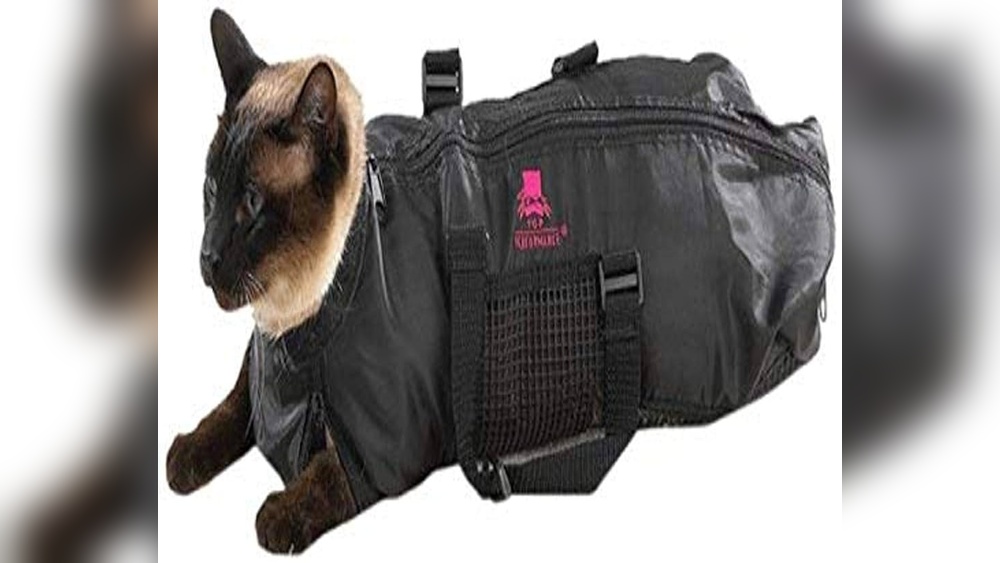
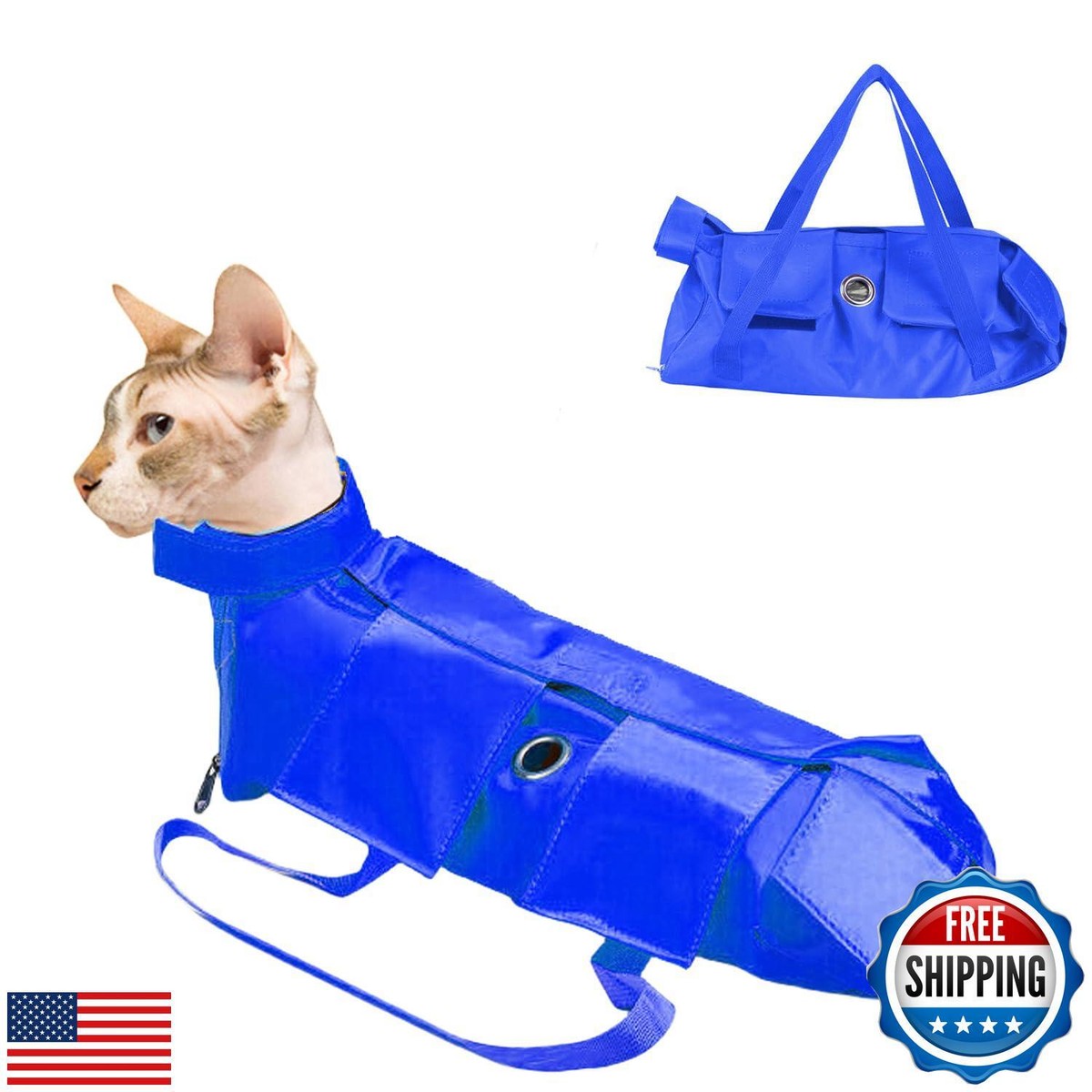
If you’re a cat owner, you know how important it is to have the right gear for your furry friend. A cat carrier and grooming bag can make trips to the vet or park much easier and stress-free.
But buying one can be expensive or hard to find just the way you want it. What if you could make your own, tailored perfectly to your needs and your cat’s comfort? You’ll discover simple steps to create a practical, stylish cat carrier and grooming bag that fits your lifestyle.
Keep reading, and you’ll soon have a handy, personalized solution that both you and your cat will love.
Materials Needed
Gathering the right materials is key to making a sturdy cat carrier and grooming bag. Choosing quality items ensures comfort and safety for your cat. It also helps you build a durable and easy-to-clean carrier. Below are the essential materials you will need.
Fabric Choices
Pick fabrics that are strong and easy to wash. Canvas and nylon are top picks for carriers. They resist wear and tear well. For the grooming bag, consider lightweight cotton or polyester. These fabrics keep the bag flexible and easy to carry. Also, choose colors or patterns that hide stains.
Tools And Accessories
Gather sewing tools like needles, thread, and scissors. A sewing machine speeds up the work. Zippers and Velcro help close the carrier and bag securely. Straps or handles make carrying easier. Don’t forget padding for the carrier’s bottom. It adds comfort for your cat during travel.
Additional Supplies
Use mesh panels for ventilation in the carrier. This keeps air flowing and your cat cool. Plastic or metal rings can help attach straps. Fabric glue adds extra hold to glued parts. Labels or tags help identify the bag. Small pockets inside the grooming bag keep items organized.

Credit: www.ebay.com
Designing Your Carrier
Designing your cat carrier and grooming bag is the first step to creating a useful and comfy product. You want a design that fits your cat well and keeps grooming tools handy. Thinking about size, comfort, and storage makes a big difference.
Every choice shapes the final carrier. The right size and shape help your cat feel safe. Good ventilation keeps air flowing. Storage compartments keep everything organized and easy to reach.
Size And Shape
Choose a size that fits your cat comfortably. The carrier should allow your cat to stand, turn, and lie down. Avoid tight spaces that cause stress or discomfort. Consider the cat’s weight and size for the perfect fit. A rectangular or oval shape usually works best for stability. Keep the design compact for easy carrying and storage.
Ventilation And Comfort
Good airflow is essential for your cat’s comfort. Add mesh panels or holes on the sides and top. This lets fresh air enter and prevents overheating. Soft padding inside the carrier cushions your cat’s body. Use breathable materials to avoid sweating and heat buildup. Make sure the carrier is sturdy but gentle on your cat’s skin.
Storage Compartments
Include pockets to hold grooming tools and small items. Use zippered or Velcro compartments for secure storage. Keep essentials like brushes, nail clippers, and treats handy. Separate compartments stop tools from moving around inside the bag. Design compartments in different sizes for versatility. This keeps the carrier neat and organized during travel.
Cutting And Preparing Fabric
Cutting and preparing fabric is a key step in making a cat carrier and grooming bag. The fabric must be cut precisely to ensure a good fit and durability. Preparing the fabric carefully helps avoid mistakes later in the sewing process.
Use sharp tools and take your time. Accurate cutting saves effort in the long run. Here is how to measure, cut, and reinforce your fabric for the best results.
Measuring And Marking
Start by measuring your fabric pieces carefully. Use a ruler or measuring tape for accuracy. Mark the fabric with tailor’s chalk or a fabric marker. Draw clear lines on the wrong side of the fabric. Double-check measurements before cutting. Accurate marking prevents fabric waste and fitting issues.
Cutting Techniques
Use sharp fabric scissors or a rotary cutter for clean cuts. Cut along the marked lines slowly and steadily. Avoid lifting the fabric while cutting. This keeps edges smooth and even. Cut one layer at a time for better control. Keep your scissors sharp to avoid frayed edges.
Reinforcing Edges
Reinforce fabric edges to prevent fraying. Use a zigzag stitch or serger along the edges. You can also apply fabric glue or fray check. Fold edges and sew a narrow hem for extra strength. Reinforced edges make your carrier and bag last longer.
Sewing The Carrier
Sewing the carrier is the most important part of making your cat carrier and grooming bag. It brings all the pieces together. Careful stitching ensures strength and safety for your cat. Use strong thread and a sharp needle for best results.
Assembling Main Panels
Start by laying out all your fabric panels flat. Match the edges carefully. Pin the pieces together to keep them steady. Sew along the edges with a straight stitch. Leave some space open for zippers or openings later. Double stitch the corners for extra strength.
Adding Zippers And Openings
Choose zippers that match the size of your openings. Pin the zipper tape along the edges of the fabric. Sew slowly to keep the zipper straight. Test the zipper by opening and closing it a few times. Add mesh or fabric behind the zipper for ventilation and safety.
Attaching Handles And Straps
Cut straps from sturdy material like nylon or thick fabric. Fold the ends and sew them tightly to prevent fraying. Pin the handles to the top and sides of the carrier. Sew in a box shape with an X in the middle for durability. Check the handles by pulling gently to test strength.
Creating The Grooming Bag
Creating the grooming bag is an important step in making a combined cat carrier and grooming bag. This bag keeps all grooming tools organized and easy to reach. A well-made grooming bag saves time and reduces stress during pet care.
Focus on practical design and materials. Make sure the bag fits small brushes, nail clippers, and other essentials. Planning pockets and compartments carefully helps keep everything in place.
Designing Pockets And Compartments
Start by deciding how many pockets the bag needs. Use small pockets for combs and brushes. Larger compartments fit towels or a small bottle of shampoo. Sew elastic bands inside pockets for extra hold. This stops tools from moving around during travel. Label each pocket to find items quickly.
Choosing Closure Methods
Pick closures that are easy to open and close. Zippers work well for secure pockets. Velcro is good for quick access. Magnetic snaps add a neat look and are simple to use. Avoid complicated closures that slow you down. Test each closure to make sure it works smoothly.
Incorporating Waterproof Lining
Waterproof lining protects the bag from spills and wet tools. Use a thin, flexible waterproof fabric inside the bag. This keeps the outer fabric dry and clean. Waterproof lining also makes the bag easy to wipe and clean. Choose materials that are durable and safe for pets.
Finishing Touches
Finishing touches make your cat carrier and grooming bag both functional and inviting. These final steps improve comfort, safety, and style. They turn a simple project into a cozy, secure space your cat will like. Focus on soft padding, fun decorations, and thorough safety checks. Each detail matters to create a perfect carrier and bag.
Adding Padding And Comfort Features
Start by adding soft padding inside the carrier. Use foam or thick fabric to cushion the bottom and sides. This keeps your cat cozy during travel. Consider a removable, washable pad for easy cleaning. Add small pillows or a soft blanket for extra warmth. Comfort helps reduce stress for your pet.
Decorative Elements
Decorate the carrier and bag with simple, safe elements. Sew on patches or use fabric paint for personal style. Choose colors and patterns that match your taste. Avoid small decorations that your cat could chew or swallow. Keep decorations flat and secure to prevent damage. A nice look makes carrying your pet more enjoyable.
Safety Checks
Check all zippers and seams for strength and security. Make sure no sharp edges or loose threads can hurt your cat. Test the straps and handles to hold weight safely. Verify ventilation holes are clear and well-placed. Double-check closures so your cat cannot escape. Safety is key for peace of mind during travel.
Maintenance Tips
Proper maintenance keeps your cat carrier and grooming bag in top shape. It helps them last longer and stay clean. Small efforts protect your investment and provide comfort for your pet. Follow easy steps to maintain these essential items.
Cleaning Instructions
Remove all loose fur and dirt with a soft brush. Use mild soap and warm water to clean the fabric. Avoid harsh chemicals that may damage materials or irritate your cat. Rinse thoroughly and air dry completely before use. Clean regularly to prevent odors and stains.
Storage Recommendations
Store your carrier and grooming bag in a cool, dry place. Avoid direct sunlight to prevent fading and weakening of fabric. Keep them away from moisture to stop mold and mildew. Use a dust cover or bag for extra protection. Store empty and open to maintain shape.
Repair Tips
Check for loose stitches or broken zippers often. Fix small tears quickly with a needle and thread. Replace damaged parts like buckles or handles as needed. Reinforce weak spots with extra fabric or patches. Regular checks prevent bigger damage and keep the bag safe.

Credit: www.amazon.com
Credit: www.ebay.com
Frequently Asked Questions
How Do I Choose Materials For A Cat Carrier?
Select durable, lightweight, and breathable fabrics like canvas or nylon. Ensure materials are easy to clean and offer comfort for your cat during travel.
What Essential Tools Are Needed To Make A Grooming Bag?
You need sturdy fabric, zippers, sewing kit, scissors, and compartments. These tools help create a functional, organized grooming bag for your cat’s essentials.
How Can I Make The Cat Carrier Safe And Comfortable?
Add soft padding inside and secure closures. Ensure ventilation and enough space so your cat feels safe and relaxed during trips.
What Size Is Best For A Diy Cat Carrier?
Choose a size that allows your cat to stand, turn, and lie down comfortably. Measure your cat before selecting dimensions for the carrier.
Conclusion
Making a cat carrier and grooming bag saves money and fits your needs. You can choose the size, colors, and pockets to match your style. These bags keep your cat safe and make grooming easier. Plus, crafting them yourself gives a sense of pride and fun.
Try simple steps first, then add your own ideas. Your cat will thank you for the comfort and care. Start today and enjoy the process of creating something useful and special.