
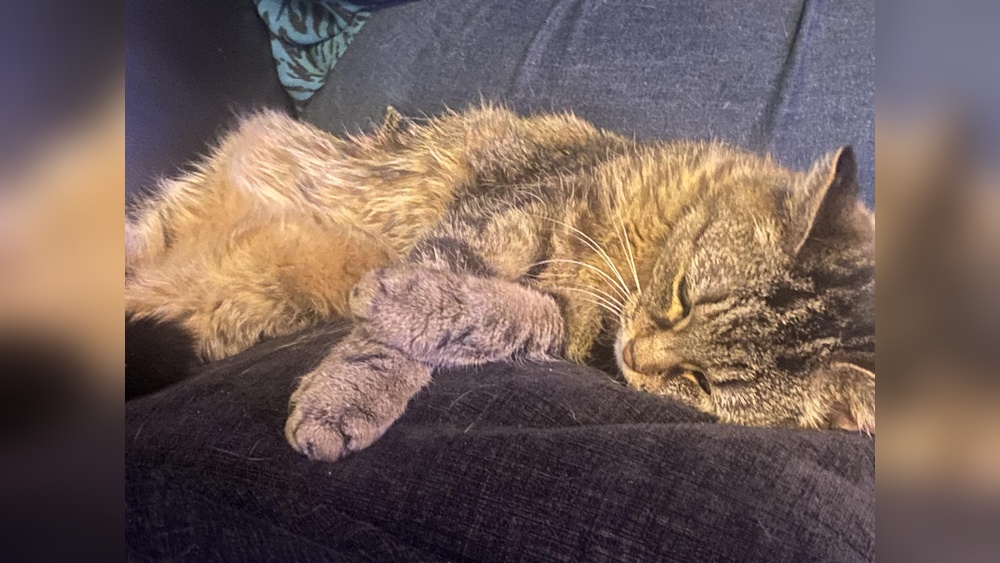
Have you noticed your cat isn’t grooming himself like he used to? It’s natural to expect cats to keep themselves clean, but when your furry friend stops, it can be worrying.
You might be wondering, “Why doesn’t my cat groom himself anymore? ” Understanding the reasons behind this change can help you spot potential health issues early and ensure your cat stays happy and comfortable. Keep reading to discover what might be causing this behavior and what you can do to help your beloved pet.
Cat Grooming Basics
Cats spend a lot of time cleaning their fur. Grooming is a key part of their daily routine. It helps them stay healthy and feel comfortable. Understanding how cats groom themselves can explain why some cats might stop grooming.
Let’s explore the basics of cat grooming. This helps to know what is normal and why grooming matters.
How Cats Normally Groom
Cats use their tongues to clean their fur. Their tongues have tiny, rough bumps. These act like a brush. They remove dirt, loose hair, and parasites. Cats lick themselves from head to tail. They also use their teeth to clean tough spots.
Grooming is more than cleaning. Cats use grooming to cool down or calm themselves. It is a natural and important habit.
Importance Of Grooming For Cats
Grooming keeps a cat’s coat shiny and healthy. It stops mats and tangles from forming. Clean fur helps control body temperature. Grooming also removes harmful parasites like fleas.
When cats groom, they spread natural oils. These oils protect their skin and fur. Grooming also helps cats relax. It lowers stress and keeps their skin healthy.
Common Grooming Issues
Cats usually keep themselves clean by grooming. It is a natural habit that helps them stay healthy. Sometimes, cats stop grooming as much as they should. This can worry pet owners. Understanding common grooming issues helps to spot problems early. These issues often relate to age, weight, or skin health.
Recognizing these signs makes it easier to help your cat feel better. Let’s explore some common reasons why a cat might not groom itself properly.
Age-related Grooming Decline
Older cats often groom less than younger cats. Their joints may become stiff or sore. This makes it hard to reach certain body parts. As a result, their fur looks messy or matted. Older cats also get tired faster and may skip grooming sessions.
Obesity And Mobility Problems
Excess weight can stop cats from grooming well. Heavy cats find it hard to bend and reach their fur. Movement becomes slow or painful. This limits their ability to clean themselves. Obesity also increases the risk of other health problems that affect grooming.
Skin Conditions Affecting Grooming
Skin issues like allergies or infections cause discomfort. Cats with itchy or painful skin may avoid grooming. Bald patches, redness, or sores are signs of skin problems. These conditions need attention from a vet to improve grooming habits.
Health Problems Impacting Grooming
Cats usually keep themselves clean by grooming daily. Grooming is important for their health and comfort. Sometimes, cats stop grooming or do it less often. Health problems can make grooming hard or painful for cats. Understanding these problems helps us care better for our pets.
Dental Pain And Discomfort
Dental problems cause pain in a cat’s mouth. Pain can stop cats from licking and cleaning their fur. Teeth issues like infections or broken teeth hurt cats a lot. Cats with dental pain may avoid grooming to reduce discomfort.
Arthritis And Joint Pain
Arthritis affects a cat’s joints and causes stiffness. Moving and bending become painful for cats with arthritis. Grooming needs flexibility and movement, which arthritis limits. Cats with joint pain may groom less because it hurts to reach their fur.
Neurological Disorders
Neurological disorders affect a cat’s brain and nerves. These problems can reduce coordination and balance. Grooming requires precise movements that cats may lose. Cats with neurological issues might stop grooming or do it poorly.

Credit: www.wikihow.com
Emotional And Environmental Factors
Emotional and environmental factors play a big role in a cat’s grooming habits. Cats are sensitive animals. Their feelings and surroundings affect how they behave. Changes in these areas can cause a cat to stop grooming itself. Understanding these factors helps you care for your cat better.
Stress And Anxiety Effects
Stress makes cats feel unsafe. This can stop them from grooming. Anxiety may come from loud noises or new people. A stressed cat may hide or refuse to clean its fur. Grooming is a way cats feel calm. If they feel too worried, they may skip it.
Changes In Household Environment
Moving to a new home can confuse cats. New furniture or smells may bother them. Even small changes like different cleaning products can affect cats. They may stop grooming while adjusting. Cats like routine. Sudden changes can disrupt their normal behavior.
Lack Of Stimulating Surroundings
Cats need toys and play to stay happy. Without enough activity, they get bored. Bored cats may groom less. A dull environment can lower a cat’s energy. Providing fun things to do helps them stay active. This keeps grooming habits normal and healthy.
When To Seek Veterinary Help
Cats usually groom themselves to stay clean and healthy. Sometimes, they stop grooming. This can mean your cat has health problems. Knowing when to seek veterinary help is very important. Early care can prevent serious issues. Watch your cat closely for changes in behavior or appearance. This helps catch problems early.
Signs Your Cat Needs A Checkup
Look for matted or dirty fur that stays this way. Notice if your cat smells bad or has bald spots. Watch for unusual scratching or licking. Check if your cat moves less or hides more than usual. Weight loss or loss of appetite can also be signs. These changes often mean your cat needs a vet visit.
Diagnostic Procedures For Grooming Issues
The vet will examine your cat’s skin and coat. They may take skin scrapings to check for parasites or infections. Blood tests help find internal problems affecting grooming. Sometimes, allergy tests are needed. The vet might also check for dental issues. These tests help find the root cause of grooming problems.

Credit: www.reddit.com
Helping Your Cat Groom Better
Helping your cat groom better is important for their health and happiness. Some cats may not groom themselves well due to age, illness, or stress. You can support your cat by offering gentle help and creating a good environment. Small changes can make a big difference in their grooming habits.
Grooming Assistance Tips
Brush your cat regularly to remove loose fur and dirt. Use a soft brush to avoid hurting their skin. Check for mats or tangles and gently work them out. Help clean areas your cat cannot reach, like behind the ears. Bathing your cat may be needed sometimes, but only with cat-safe shampoo. Always be calm and patient during grooming sessions to keep your cat relaxed.
Diet And Nutrition Improvements
Feed your cat a balanced diet rich in omega-3 and omega-6 fatty acids. These nutrients keep fur shiny and skin healthy. Fresh water should always be available to prevent dry skin. Avoid too many treats or low-quality food that can harm their coat. Consult your vet for special diets if your cat has skin problems. Proper nutrition supports natural grooming and overall well-being.
Creating A Comfortable Environment
Provide a quiet, safe space where your cat feels calm. Stress can cause your cat to stop grooming. Keep their living area clean and cozy with soft bedding. Play with your cat daily to reduce anxiety and boost health. Avoid loud noises or sudden changes that upset your cat. A peaceful environment encourages your cat to take care of themselves better.

Credit: www.reddit.com
Frequently Asked Questions
Why Does My Cat Stop Grooming Suddenly?
Cats may stop grooming due to illness, pain, or stress. Dental issues, arthritis, or skin infections can cause discomfort. Behavioral changes or anxiety also affect grooming habits. Consult a vet to identify and treat the underlying problem promptly.
Can Obesity Affect My Cat’s Grooming Habits?
Yes, obesity can limit a cat’s flexibility, making self-grooming difficult. Overweight cats often miss spots, leading to dirty or matted fur. Weight management and regular vet checkups help improve grooming and overall health.
How Does Stress Impact A Cat’s Grooming Behavior?
Stress can cause a cat to groom less or over-groom. Changes in environment, new pets, or loud noises trigger anxiety. Providing a calm space and routine can help restore normal grooming habits.
What Medical Conditions Cause Cats To Stop Grooming?
Conditions like arthritis, dental disease, skin infections, or parasites often reduce grooming. Illnesses causing pain or lethargy also affect self-care. Early vet diagnosis ensures proper treatment and prevents further health issues.
Conclusion
Cats may stop grooming for many reasons. Health problems, stress, or age can affect their habits. Watch your cat closely and note any changes. Helping your cat stay clean keeps them happy and healthy. Regular vet visits catch problems early.
Offer a calm and safe home for your pet. Remember, your care makes a big difference. Grooming is a sign of well-being. Don’t ignore changes in your cat’s behavior. Taking action early can improve their life.