
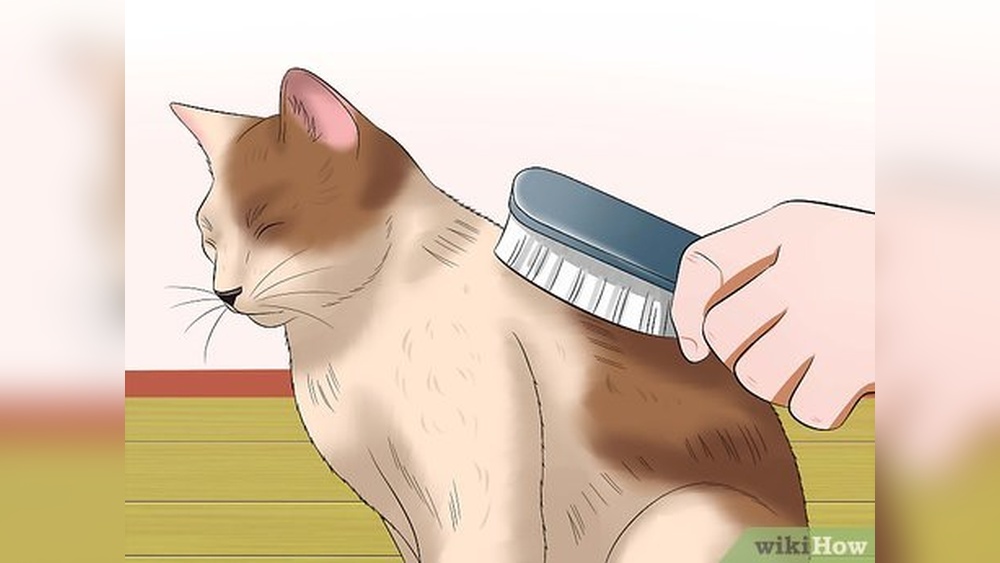
Grooming your cat might seem simple, but doing it the right way can make a huge difference in your furry friend’s health and happiness. You might wonder how often you should brush your cat or which tools work best.
Maybe you’ve noticed your cat’s fur getting tangled or shedding more than usual. This guide will help you master the art of cat grooming step by step, making the process easy and stress-free for both you and your pet. Keep reading to discover tips that will keep your cat looking great and feeling comfortable every day.

Credit: www.aspcapetinsurance.com
Choosing The Right Grooming Tools
Choosing the right grooming tools is key to keeping your cat healthy and happy. Different cats have different coats and needs. Using the correct tools makes grooming easier and more comfortable for your pet. Good tools prevent skin irritation and reduce shedding. A well-groomed cat looks great and feels better.
Brush Types For Different Coats
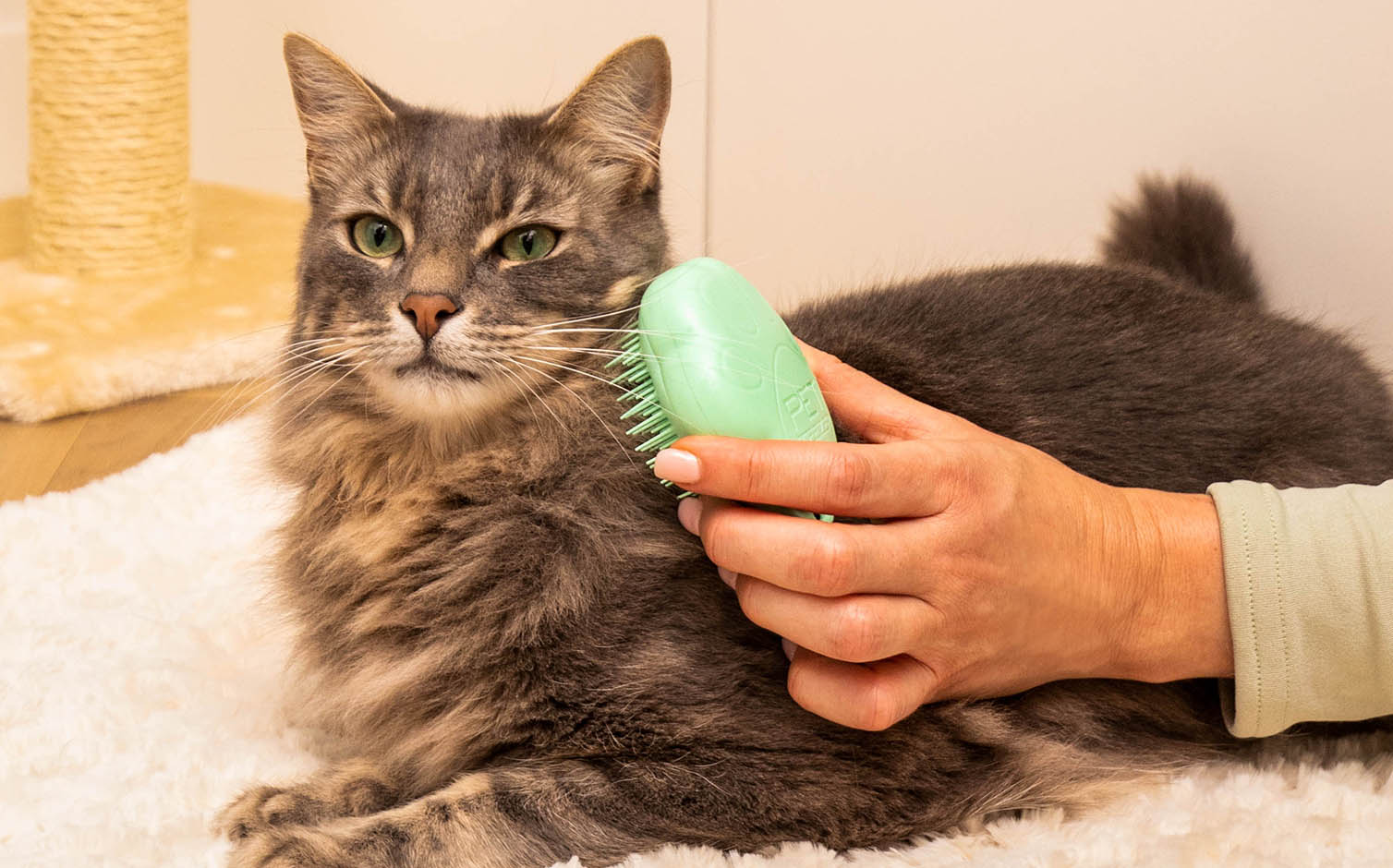
Short-haired cats need a soft-bristle brush. It removes loose hair and dirt without hurting their skin. Long-haired cats benefit from a slicker brush. This brush untangles knots and stops matting. For sensitive skin, use a rubber grooming glove. It gently massages and removes loose fur. Choose brushes based on your cat’s coat type.
Nail Clippers And Other Essentials
Keep your cat’s nails trimmed with sharp nail clippers. Use clippers designed for pets to avoid splitting nails. A nail file helps smooth rough edges after clipping. Have styptic powder ready to stop bleeding if you cut too deep. Other tools include a flea comb and ear cleaner. These keep your cat clean and healthy.
Safe Shampoos And Conditioners
Choose shampoos made specifically for cats. Human shampoos can irritate their skin. Look for gentle formulas with natural ingredients. Conditioners help keep fur soft and reduce tangles. Avoid products with harsh chemicals or strong scents. Always rinse your cat well to avoid residue. Clean fur means a happier, healthier cat.
Credit: tangleteezer.com
Brushing Techniques For Cats
Brushing your cat is a key part of grooming. It keeps their coat clean and healthy. Regular brushing also helps reduce hairballs and shedding. Using the right technique makes brushing easy and pleasant for your cat. Learning how often to brush and handling tough fur areas is important. Let’s explore these brushing tips.
How Often To Brush
Short-haired cats need brushing once a week. Long-haired cats require brushing every day or every other day. Older cats or those with health issues may need more frequent brushing. Adjust brushing based on your cat’s coat and comfort. Watch how your cat reacts to find the best routine.
Handling Matted Fur
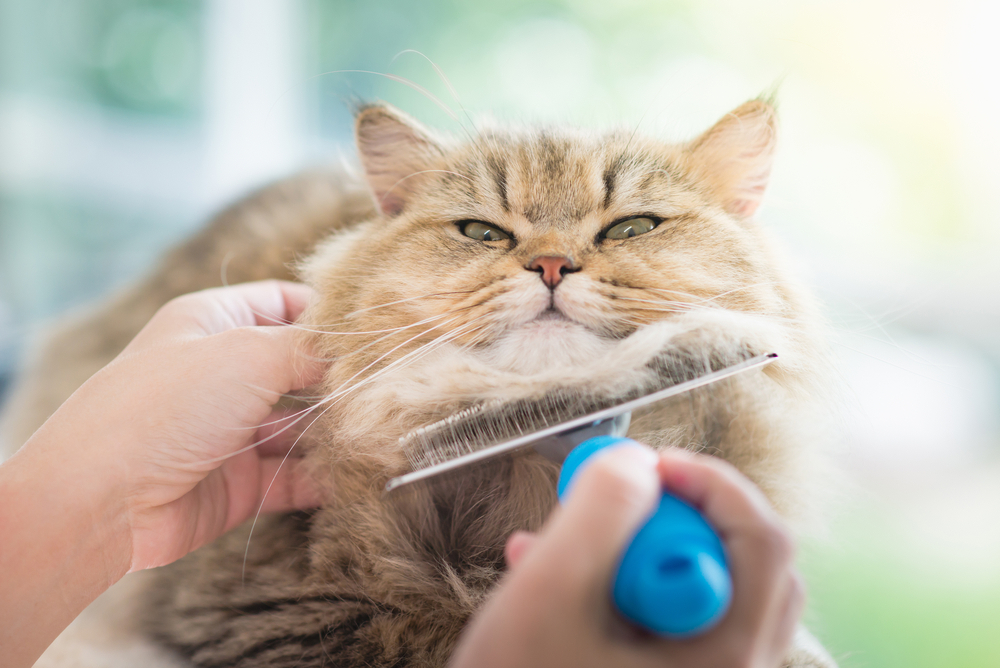
Matted fur can hurt your cat if left untreated. Use a wide-tooth comb to gently detangle mats. Hold the fur close to the skin to avoid pulling. For large mats, cut them carefully with blunt scissors. Seek help from a groomer if mats are severe or painful.
Dealing With Shedding Seasons
Shedding peaks in spring and fall for most cats. Brush daily during these times to remove loose fur. Use a de-shedding tool for better fur removal. Regular brushing reduces fur around your home and helps your cat feel better. Stay patient; shedding is natural and temporary.
Bathing Your Cat
Bathing a cat can be a challenge. Most cats dislike water and may feel stressed. Still, some cats need baths to stay clean and healthy. Bathing helps remove dirt, grease, and allergens from their fur. It also reduces shedding and hairballs. Knowing the right way to bathe your cat makes the process easier for both of you.
When To Bathe Your Cat
Baths are not needed often. Cats groom themselves well most of the time. Bathing is needed if your cat is very dirty or sticky. Also, a bath helps if your cat has fleas or skin problems. Old or overweight cats might need baths more often. Check with your vet before bathing a sick cat.
Step-by-step Bathing Process
Start by brushing your cat to remove loose hair. Use warm water, not hot or cold. Fill the sink or tub with a few inches of water. Gently place your cat in the water and stay calm. Wet your cat’s fur slowly, avoiding the head. Apply a small amount of cat shampoo. Rub gently to clean the fur. Rinse well to remove all shampoo. Keep water out of the ears and eyes. Speak softly to calm your cat throughout the bath.
Drying Tips And Tricks
Wrap your cat in a large, soft towel. Pat the fur gently to soak up water. Use multiple towels if needed. Avoid rubbing hard as it can tangle fur. If your cat allows, use a hairdryer on low heat. Keep the dryer moving and far from the skin. Make sure the room is warm until your cat dries completely. Offer treats and praise to make drying easier.
Trimming Nails Safely
Trimming a cat’s nails is a key part of grooming. It keeps your cat comfortable and protects your furniture. Many cats do not like nail trims at first. Patience and gentle care help make the process easier. Knowing how to trim nails safely avoids pain and injury.
Signs Your Cat Needs A Nail Trim
Look for nails that touch the floor when your cat stands. Long nails can curl and grow into the paw pads. Scratching furniture more than usual may also mean nails are too long. Watch your cat’s behavior for signs of discomfort when walking.
Proper Nail Clipping Method
Use sharp, cat-specific nail clippers for best results. Hold your cat’s paw gently but firmly. Press the pad to extend the nail. Cut only the sharp tip, avoiding the pink area called the quick. Trim one nail at a time, taking breaks if needed.
Avoiding Injuries
Do not cut too close to the quick to prevent bleeding. If you accidentally cut it, use styptic powder or cornstarch to stop bleeding. Stay calm and speak softly to keep your cat relaxed. Stop trimming if your cat struggles too much and try again later.
Cleaning Ears And Eyes
Cleaning a cat’s ears and eyes is a key part of grooming. These areas can collect dirt and cause discomfort. Regular cleaning keeps your cat healthy and happy. It also helps spot any problems early.
Spotting Common Issues
Check your cat’s ears for dirt, wax, or bad smell. Redness or swelling means irritation. Watch for your cat scratching ears often. Eyes should be clear and bright. Look for redness, discharge, or cloudiness. These signs can show infection or allergies.
Safe Cleaning Practices
Use a soft cloth or cotton ball. Slightly dampen with warm water or vet-approved solution. Never use cotton swabs inside the ear canal. Gently wipe the outer ear and eye area. Avoid getting water deep inside. Clean one area at a time. Be calm and gentle to keep your cat relaxed.
When To See A Vet
Visit a vet if you see strong odor in ears. If redness or swelling gets worse, seek help. Eye discharge that is thick or yellow needs vet care. If your cat keeps pawing at ears or eyes, check with a professional. Early treatment avoids serious problems.
Managing Cat’s Dental Health
Managing a cat’s dental health is a key part of grooming. Healthy teeth and gums keep your cat happy and active. Poor dental care can cause pain and infections. Regular care helps avoid costly vet visits. Simple steps can make a big difference in your cat’s mouth health.
Brushing Teeth At Home
Brushing your cat’s teeth removes plaque and prevents tartar. Use a soft cat toothbrush and special cat toothpaste. Do not use human toothpaste; it can harm cats. Start slowly and be gentle to avoid stress. Brush a few teeth at first, then increase over time. Aim to brush daily or several times a week.
Dental Treats And Toys
Dental treats help clean teeth while your cat chews. Look for treats designed to reduce plaque and freshen breath. Chew toys also help scrape off plaque naturally. Provide safe, vet-approved dental toys regularly. These products support brushing but do not replace it. Use them as part of a daily dental care routine.
Recognizing Dental Problems
Watch for signs of dental issues in your cat. Bad breath, drooling, and difficulty eating are common signs. Red or swollen gums can indicate infection. Loose or broken teeth need immediate vet care. Regularly check your cat’s mouth for any changes. Early detection helps treat problems before they worsen.
Creating A Grooming Routine
Creating a grooming routine helps keep your cat clean and healthy. It also builds trust between you and your pet. Regular grooming stops mats, reduces shedding, and checks for skin problems. A steady routine makes grooming easier and less stressful for both.
Setting A Schedule
Choose a regular time for grooming sessions. Daily brushing suits long-haired cats best. Short-haired cats need grooming once or twice a week. Keep sessions short at first, about five minutes. Gradually increase time as your cat gets used to it.
Making Grooming Enjoyable
Use gentle strokes to calm your cat. Speak softly during grooming. Offer treats or praise to create positive feelings. Stop if your cat shows signs of stress. Try different brushes to find what your cat likes best.
Adjusting For Age And Health
Older cats may need gentler grooming and shorter sessions. Cats with health issues might require special care or tools. Check with your vet for tips if your cat has skin or joint problems. Adjust your routine to suit your cat’s needs.
Handling Difficult Grooming Sessions
Grooming a cat can sometimes be challenging. Cats may resist or become anxious during grooming. Handling difficult grooming sessions requires patience and calm. Understanding your cat’s behavior helps reduce stress for both of you. Use gentle methods to keep grooming safe and smooth.
Calming Techniques
Start by creating a quiet, comfortable space for grooming. Speak softly to your cat and move slowly. Use a soft brush to begin, letting your cat sniff it first. Gentle petting before grooming relaxes your cat. Take short breaks if your cat seems stressed. Offering treats rewards good behavior and builds trust. A calm atmosphere helps your cat stay relaxed during grooming.
When To Seek Professional Help
Some cats become too difficult to groom at home. If your cat is aggressive or very fearful, a groomer can help. Professional groomers have special tools and experience. They know how to handle difficult cats safely. Seek a vet if your cat has skin problems or mats. A professional can remove mats without hurting your cat. Don’t wait too long if grooming becomes unsafe or painful.
Using Grooming Aids And Restraints
Grooming aids help manage difficult cats calmly. Use gloves or grooming mitts to protect your hands. A grooming towel can gently wrap your cat to reduce movement. Avoid tight restraint that makes your cat scared. Use a grooming table with a non-slip surface for better control. Tools like nail clippers with safety guards prevent injury. These aids make grooming safer and easier for both of you.
Credit: unionlakepetservices.com
Frequently Asked Questions
How Often Should I Groom My Cat?
Groom your cat at least once a week. Regular grooming removes loose fur and prevents matting. Long-haired cats may need daily brushing. Grooming also helps spot health issues early and strengthens your bond with your cat.
What Tools Are Needed For Cat Grooming?
Use a soft-bristle brush for short-haired cats. For long-haired cats, use a wide-toothed comb and slicker brush. Nail clippers and pet-safe wipes are also essential. Choose tools suitable for your cat’s coat type and size.
How To Safely Bathe A Cat At Home?
Use lukewarm water and cat-specific shampoo. Avoid water in their ears and eyes. Gently wet and lather the coat, then rinse thoroughly. Dry your cat with a towel and keep them warm afterward. Bathing should be occasional, not frequent.
Can Grooming Reduce Cat Hair Shedding?
Yes, regular grooming significantly reduces shedding. Brushing removes loose hair before it falls around your home. It also distributes natural oils, promoting a healthy coat. Frequent grooming minimizes hairballs and keeps your cat comfortable.
Conclusion
Grooming a cat keeps them clean and healthy. It also builds trust between you and your pet. Regular brushing helps reduce hairballs and matting. Use gentle strokes to make grooming pleasant. Pay attention to their comfort and mood. With time, grooming becomes easier for both.
Your cat will enjoy the care and attention. A simple routine can improve your cat’s life. Keep grooming sessions short and positive. Small steps lead to happy, well-groomed cats.