
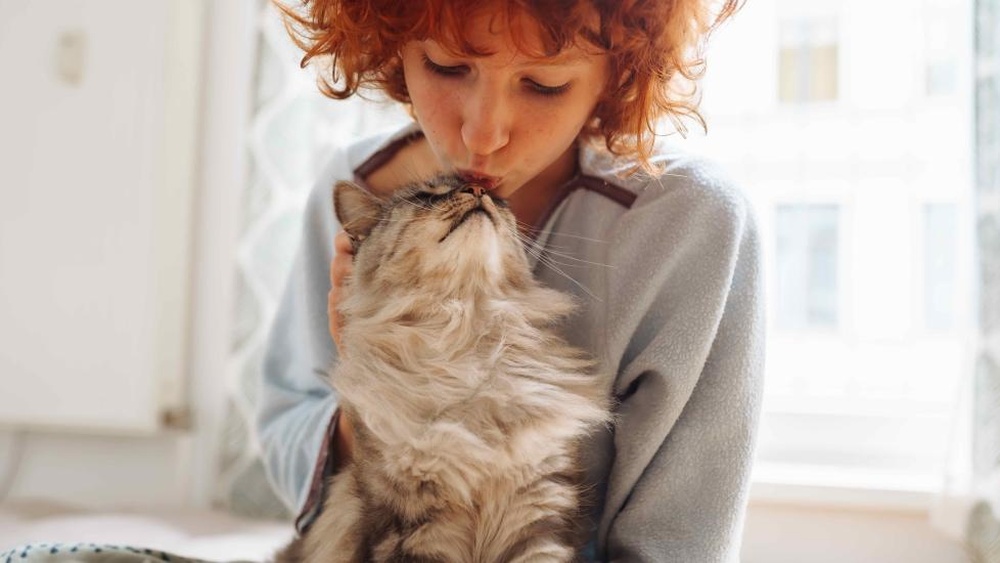
Have you ever wondered why your cat spends so much time grooming itself but never tries to groom you? If you’ve noticed your furry friend licking their own fur but leaving your skin untouched, you’re not alone.
Understanding this behavior can deepen the bond you share with your cat and help you see the world through their eyes. Keep reading to discover the surprising reasons behind why cats don’t groom their owners—and what it means for your relationship.
Cat Grooming Habits
Cats spend a lot of time grooming themselves every day. Grooming helps them stay clean and healthy. It also calms them and reduces stress. Their grooming habits are very different from how dogs or humans clean themselves.
Understanding how cats groom can explain why they do not groom their owners. Their grooming is mainly for their own body care and social bonds with other cats.
How Cats Groom Themselves
Cats use their tongues to clean their fur. Their tongue has tiny, hook-like structures. These hooks help remove dirt and loose hair. Cats lick all parts of their body carefully. They also use their teeth to nibble tangles or remove pests.
Grooming controls the cat’s body temperature. It also spreads natural oils on their fur. This keeps their coat shiny and waterproof. Grooming is a way for cats to feel safe and comfortable in their space.
Social Grooming Among Cats
Cats groom each other to show trust and friendship. This is called social grooming or allogrooming. It helps strengthen bonds between cats. They often lick areas that are hard to reach themselves, like the head and neck.
Social grooming reduces tension and creates a group feeling. Cats rarely groom other species, including humans. They see humans as different and do not use grooming to connect with us.
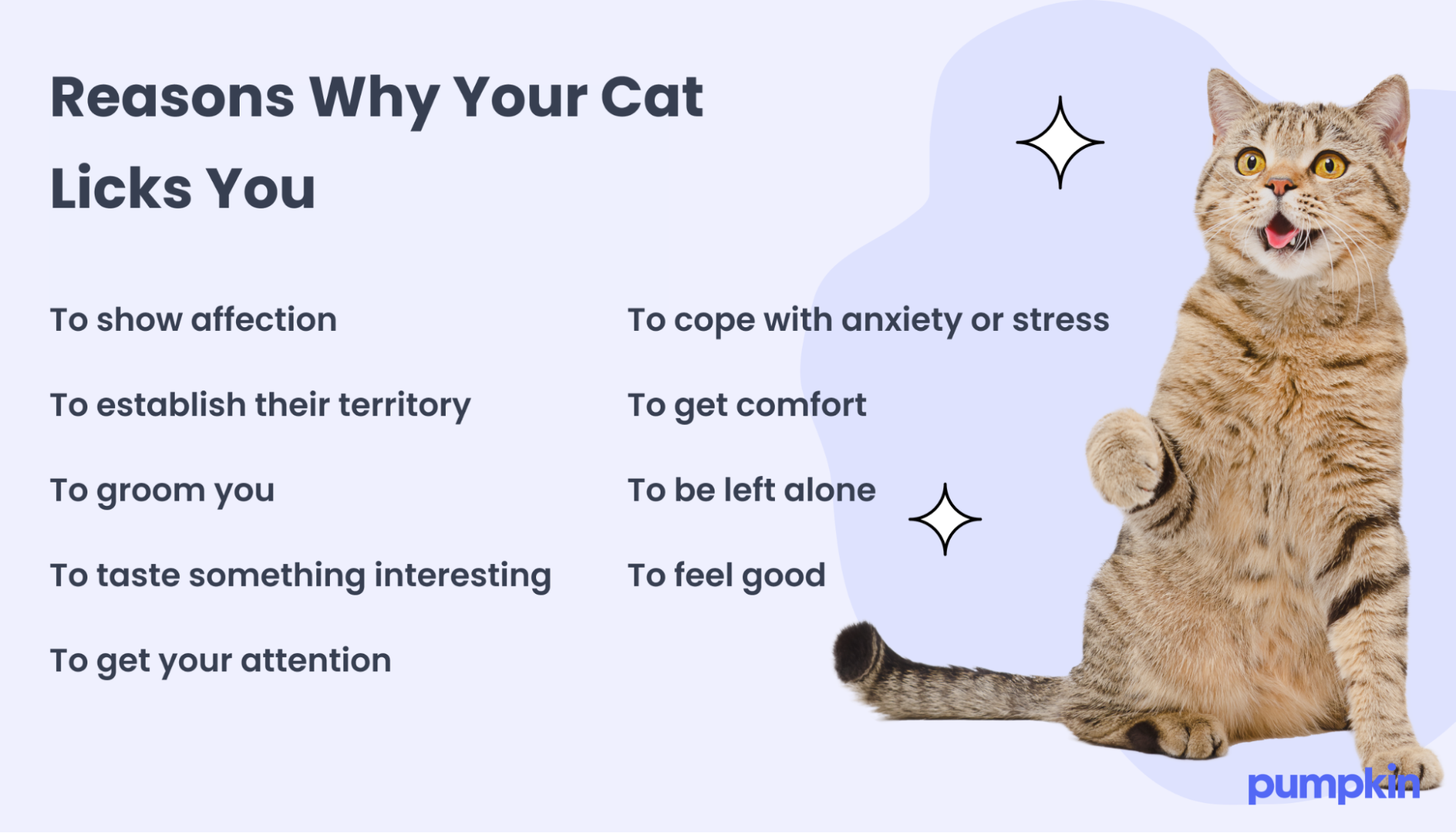
Credit: www.pumpkin.care
Owner Grooming Expectations
Many cat owners expect their pets to groom them as cats do with each other. This belief comes from watching cats clean their friends or family members. It feels natural to think cats might want to groom their humans too. But cats see grooming differently than people do.
Understanding owner grooming expectations helps avoid confusion. Cats show care and trust in many ways. Grooming humans is not one of their usual signs. Knowing why helps build a better bond with your cat.
Common Misconceptions
Some people think cats groom humans to show love. Others believe cats want to help keep humans clean. Many expect cats to lick or nibble as a sign of affection. These ideas come from how cats behave with each other. But cats do not treat humans the same way.
Grooming between cats is a social act. It strengthens their group and comfort. People are not part of that social group for cats. So, cats do not groom humans because they do not see us as fellow cats.
Why Cats Don’t Groom Humans
Cats groom themselves to stay clean and calm. They groom other cats to build trust and friendship. Humans have different skin and fur. Cats cannot groom human skin like they do with fur. Our skin feels strange and unfamiliar to them.
Cats may lick humans sometimes. This is usually a sign of affection or curiosity. But it is not the same as grooming. Grooming needs close contact and shared scent. Cats do not share the same scent with humans, so grooming is less likely.
Understanding these facts helps owners respect their cat’s nature. Cats show love in other ways, like purring and rubbing. Accepting this helps create a happy relationship between cats and humans.
Communication Through Grooming
Cats use grooming to talk without words. It is a way they show feelings and connect. Grooming helps cats build trust and calm each other.
Understanding this helps explain why cats do not groom their owners like they do other cats. They use different ways to communicate with people.
Grooming As A Social Signal
Cats groom each other to share a bond. It shows they feel safe and like the other cat. Grooming also helps keep the group clean and healthy.
This action is a sign of friendship. It means the cats accept one another in their group. It is a form of respect and care.
When Cats Lick Their Owners
Licking is a softer form of grooming. Cats lick their owners to show love and trust. It is their way of saying, “You are part of my family.”
Sometimes, licking helps cats feel calm and close to their humans. It is a gentle way to connect without full grooming.

Credit: modkat.com
Factors Influencing Grooming Behavior
Cats grooming behavior varies widely among individuals. Several factors influence why cats may or may not groom their owners. Understanding these factors helps explain their unique habits. Two key influences include the cat’s personality and the environment around them.
Cat’s Personality And Bond
Each cat has a distinct personality. Some cats are very social and affectionate. They may groom their owners as a sign of trust and bonding. Others prefer to keep their grooming strictly to themselves or other cats. The strength of the bond between a cat and its owner affects grooming behavior. Cats with a close, trusting relationship might lick or groom their owners occasionally. Shy or independent cats are less likely to do so. Grooming is a way cats show care, but only if they feel comfortable.
Environment And Stress Levels
The cat’s surroundings impact grooming habits. A calm and safe environment encourages grooming behaviors. Stressful situations or changes can make cats avoid grooming others. Loud noises, new people, or unfamiliar places may increase stress. When stressed, cats focus on self-grooming to calm down. They may avoid grooming their owners during these times. A peaceful home helps cats feel relaxed enough to share grooming moments. Stress directly influences how much a cat interacts with its owner.
Alternatives To Grooming
Cats do not groom their owners like they groom themselves or other cats. This behavior is natural and linked to how cats bond and communicate. Instead, they have other ways to show love and care. These alternatives offer a different but strong connection between cats and their humans.
Other Ways Cats Show Affection
Cats use body language to express feelings. They may rub their heads or bodies against you. This action marks you with their scent, showing you belong to them.
Purring is another sign of comfort and happiness. Cats often purr when they feel safe and close to you. Slow blinking at you is like a gentle kiss in cat language. It shows trust and calmness.
Some cats bring small gifts like toys or even insects. This behavior comes from their hunting instinct and shows they care.
Encouraging Positive Interaction
Spend quiet time with your cat daily. Pet them gently and notice their favorite spots. This helps build trust and makes them more comfortable around you.
Use toys to play and engage their mind. It strengthens your bond and satisfies their hunting needs. Respect their space if they want to be alone sometimes.
Offer treats during calm moments to reward good behavior. This encourages your cat to stay close and feel safe.

Credit: www.myshichic.com
Frequently Asked Questions
Why Don’t Cats Groom Their Owners?
Cats groom to clean and bond with other cats, not humans. They see owners as family but don’t feel the need to groom them.
Can Cats Mistake Owners For Other Cats?
Cats recognize owners by scent and behavior. They don’t confuse humans with cats, so grooming is uncommon.
Do Cats Show Affection Differently Than Grooming?
Yes, cats show love by purring, rubbing, and kneading. Grooming is mainly for social bonding among cats.
Is It Normal For Cats Not To Groom Humans?
Yes, it’s normal. Cats groom themselves and other cats, but human grooming is rare and not instinctive.
Conclusion
Cats show care differently than humans expect. They groom themselves and other cats to stay clean. Owners are part of their family, but cats don’t feel the need to groom them. This doesn’t mean they don’t love you. They use other ways like purring, rubbing, and sitting close to show affection.
Understanding these signs helps build a stronger bond. Each cat has its own way of showing care. Respect their nature, and enjoy the special moments you share together. Love goes beyond grooming.