
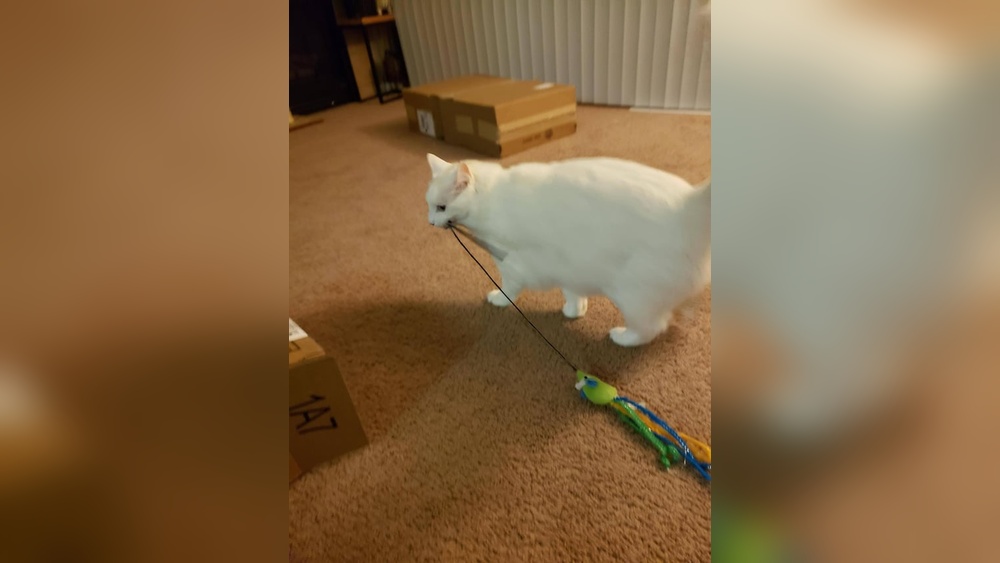
Have you ever wondered why your cat picks up a toy and drags it all over the house? It might seem odd or even a little funny, but there’s a hidden reason behind this curious behavior.
Understanding why your cat does this can help you connect better with your furry friend and even make playtime more enjoyable for both of you. Keep reading to discover the surprising reasons behind this common habit and what it means for your cat’s happiness.

Credit: www.sheknows.com
Hunting Instincts
Cats dragging their toys is more than just play. It is a sign of their strong hunting instincts. These instincts come from their wild ancestors. Even house cats keep this natural behavior.
Natural Prey Behavior
Cats see their toys as prey. They use their paws and teeth to catch and carry them. In the wild, cats drag prey to a safe place. This keeps their catch safe from other animals. Domestic cats copy this behavior with toys. It helps them practice hunting skills.
Simulating The Hunt
Dragging toys lets cats pretend to hunt. They stalk, pounce, and carry their “prey.” This play keeps their mind sharp and body active. It also reduces stress and boredom. Simulating the hunt is fun and important. It connects cats to their natural instincts every day.

Credit: www.sheknows.com
Territorial Marking
Cats have strong instincts to mark their territory. Dragging toys is one way they do this. It helps them feel safe and in control of their space. Their toys become part of their territory.
Territorial marking is natural for cats. It shows other animals this is their area. Toys carry the cat’s unique scent, making the marking clear.
Scent Transfer
Cats have scent glands in their paws and cheeks. When they drag toys, they leave their smell on them. This scent tells other cats and animals that the toy belongs to them.
Dragging also spreads the scent over a larger area. This helps the cat keep its territory well marked. The scent works like a silent message to others.
Claiming Their Space
Dragging toys around helps cats claim parts of their home. It marks spots that feel important or safe to them. This behavior shows their confidence and control over their space.
By moving toys, cats remind themselves and others of their presence. It strengthens their bond with their territory. This simple act keeps their environment familiar and secure.
Seeking Attention
Cats drag their toys to get your attention. This behavior shows they want you to notice them. They are not just playing alone. They want you to join in their fun. This is their way of saying, “Look at me!”
Engaging Their Owners
Dragging toys helps cats connect with their owners. They bring toys close to you to share their excitement. Cats feel happy when you watch or touch their toys. This action invites you to be part of their world. It strengthens the bond between you and your cat.
Play Invitations
When cats drag toys, they want to play together. They may drop the toy near you or tap your hand. This is a clear sign they want interaction. Playing helps cats stay active and reduces boredom. They use their toys as an invitation to have fun with you.

Credit: www.reddit.com
Stress Relief
Cats use toys to manage their stress in a quiet way. Dragging toys can calm their mind. It helps them feel safe and relaxed. This simple act serves as an outlet for built-up tension. Stress can come from loud noises, changes at home, or being alone. Play offers a way to release these feelings without harm.
Comfort Through Play
Playing with toys brings comfort to cats. Holding and dragging toys mimics hunting, a natural behavior. This familiar action gives them a sense of control. It also distracts them from stressful situations. Toys act like a friend, providing company and comfort. This makes cats feel less lonely or anxious.
Reducing Anxiety
Dragging toys helps lower a cat’s anxiety levels. The repetitive motion is soothing and calming. It helps slow their breathing and heartbeat. Play also triggers the release of happy hormones. These hormones improve mood and reduce stress. Regular playtime can keep anxiety from building up.
Teaching And Learning
Cats learn many skills through play. Dragging toys is part of this learning process. It helps cats practice behaviors they need in the wild. These behaviors include hunting, carrying prey, and protecting their catch. Play acts like training for young cats. It also helps them understand their environment better.
Mother cats teach their kittens through example. They show how to catch and carry food. Kittens watch and copy these actions. This teaches them survival skills and builds confidence. Play is not just fun but a serious lesson.
Mother Cat Behavior
Mother cats often bring live prey to their kittens. They carry it gently in their mouths. This teaches kittens how to handle food carefully. The mother cat might drop the prey nearby and watch. She waits for the kittens to try catching it themselves. This practice is crucial for the kittens’ growth.
Sometimes, mother cats use toys to mimic prey. They drag toys around like real food. This shows kittens how to hunt without danger. The kittens learn to chase, grab, and carry the toys. It prepares them for real hunting later.
Kittens And Play
Kittens drag toys to practice skills taught by their mother. This helps them build strength and coordination. Carrying toys also builds their patience and focus. They learn how to hold and move objects with their mouths. Play teaches kittens about their limits and abilities.
Dragging toys also helps kittens explore their world. It encourages curiosity and problem-solving. These skills are important for their independence. Through play, kittens gain confidence in their abilities. This makes them better hunters and survivors.
Physical Exercise
Cats need physical exercise to stay healthy and happy. Dragging toys around helps them move their bodies and use their muscles. This simple action gives cats a way to burn off energy inside the home. It also keeps their minds active and focused.
Energy Outlet
Cats have lots of energy, especially young ones. Dragging toys is a natural way for them to release this energy. It stops them from feeling bored or restless. When cats move toys around, they stay busy and less likely to cause trouble.
Maintaining Agility
Dragging toys helps cats stay quick and nimble. It encourages them to stretch their legs and improve their coordination. Regular movement keeps their muscles strong and joints flexible. This activity supports their natural hunting skills and overall agility.
Frequently Asked Questions
Why Do Cats Drag Toys Around The House?
Cats drag toys to mimic hunting behavior. It satisfies their natural instincts and provides mental stimulation. Moving toys also helps them practice control and coordination, keeping them engaged and entertained.
Is Toy Dragging A Sign Of Cat Stress?
Not necessarily. Cats often drag toys when bored or playful. However, excessive dragging combined with other signs might indicate stress or anxiety. Observing your cat’s overall behavior helps determine if stress is involved.
Do Cats Drag Toys To Show Ownership?
Yes, dragging toys can be a way cats mark possession. They may carry toys to their preferred spots, signaling ownership. This behavior mimics how wild cats transport prey to safe areas.
How Can I Encourage My Cat To Play With Toys?
Use interactive toys and engage in play sessions daily. Rotate toys to maintain interest. Praise and reward your cat to reinforce positive play behavior. This keeps them active and mentally stimulated.
Conclusion
Cats drag their toys for many simple reasons. It helps them feel safe and happy. Sometimes, they show off their catch like wild cats do. This action keeps their instincts sharp and mind active. Watching your cat play this way can be quite fun.
Understanding this helps you connect better with your pet. Let your cat enjoy these moments—they mean a lot to them. Toys are not just for fun but also for their well-being. Keep their playtime safe and full of joy.