
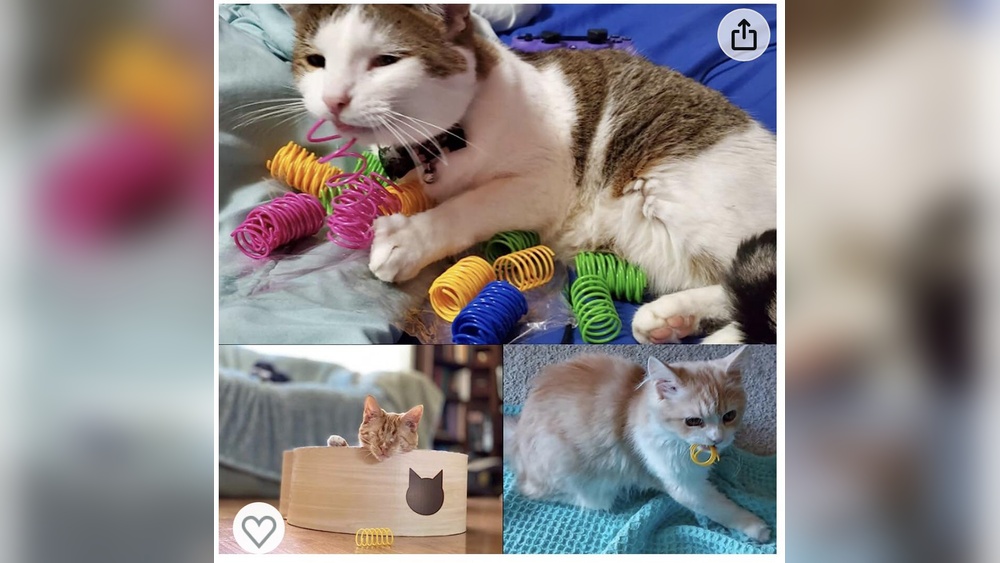
Have you ever wondered why your cat seems obsessed with pawing at their toys? It’s not just about play—it’s a deep, natural behavior that reveals a lot about your furry friend’s instincts and feelings.
Understanding why cats love to paw at toys can help you connect with your pet on a whole new level. Keep reading, and you’ll discover surprising reasons behind this simple action that will change how you see your cat’s playful moments forever.
:max_bytes(150000):strip_icc():focal(1999x0:2001x2)/peo-cat-toys-test-trixie-5-1-activity-center-elizabeth-theriot-12_crop-1-1-8612968865894682b634e766481f5350.jpeg)
Credit: people.com
Instincts Behind Play
Cats love to play because it connects deeply with their natural instincts. Play is not just fun for them; it is a way to express their inner drives. These drives come from their wild ancestors, helping them survive and thrive.
Understanding these instincts helps explain why cats chase, pounce, and bat at toys. Their play mimics hunting and other essential skills. It keeps their minds sharp and their bodies active.
Hunting Drive
Cats have a strong hunting instinct. Even house cats act like hunters when they play. Toys that move or mimic prey catch their attention quickly. They stalk, chase, and pounce just like in the wild. This play satisfies their need to hunt.
Energy Release
Cats use play to burn off energy. They can become restless without activity. Playing helps them stay healthy and calm. It stops boredom and destructive behavior. Toys offer a safe way to release built-up energy.
Skill Development
Play helps cats develop important skills. It improves their coordination and reflexes. Kittens learn how to catch and hold prey through play. Adult cats keep these skills sharp. Toys challenge their minds and bodies at the same time.
Types Of Toys Cats Prefer
Cats enjoy different kinds of toys. Each type appeals to their natural instincts. Toys help cats stay active and happy. They also prevent boredom and stress. Understanding the toys cats prefer can improve their playtime.
Interactive Toys
Interactive toys engage cats directly. These toys often move or make sounds. They catch the cat’s attention easily. Cats like toys they can chase or pounce on. Owners can use interactive toys to bond with their cats.
Chasing Toys
Chasing toys mimic small prey. Examples include balls and feather wands. Cats love to chase and catch these toys. The fast movement triggers their hunting skills. Chasing toys provide exercise and mental stimulation.
Puzzle Toys
Puzzle toys challenge a cat’s mind. They often hide treats inside. Cats must figure out how to get the treat. These toys keep cats busy and sharp. Puzzle toys help reduce boredom and anxiety.
Benefits Of Play For Cats
Playtime is very important for cats. It helps them stay happy and healthy. Cats love toys because playing gives them many benefits. Toys keep cats busy and active. They help cats use their natural skills like hunting and chasing. Play also stops cats from feeling bored or lonely. Let’s see why play is so good for cats.
Physical Health
Playing helps cats stay strong and fit. Running, jumping, and chasing toys burn energy. This keeps their muscles healthy and bones strong. Active cats have better weight control. Play reduces the risk of obesity and related diseases. It also improves their coordination and balance.
Mental Stimulation
Play challenges a cat’s mind. Chasing and solving toy puzzles keep their brain sharp. It stops boredom and stress. Mental activity makes cats feel happy and relaxed. Toys can also help cats learn new skills and stay curious.
Bonding With Owners
Playing together strengthens the bond between cats and owners. It builds trust and love. Shared playtime creates positive feelings for both. Cats feel safe and cared for. Owners enjoy watching their cats have fun and stay active.
How Play Mimics Natural Behavior
Cats love to play because it feels natural to them. Play helps cats use their instincts. It is a way to practice skills they need in the wild. When cats play, they copy their natural actions. This makes play time important and fun.
Stalking And Pouncing
Cats enjoy stalking toys like they hunt prey. They crouch low and move slowly. This helps them get ready to pounce. Pouncing is a quick jump to catch the toy. This mimics catching small animals in nature. It keeps their hunting skills sharp and strong.
Clawing And Scratching
Clawing and scratching toys help cats stretch their muscles. It also cleans their claws and removes old nail layers. Scratching is a natural way for cats to mark territory. They feel happy and relaxed when they scratch. Toys give them a safe place to do this.
Exploration And Curiosity
Cats are curious animals. They love exploring new things and places. Toys offer new smells, shapes, and textures. This sparks their interest and keeps them busy. Exploring toys helps cats stay active and mentally sharp. It satisfies their natural desire to learn and discover.
Signs Your Cat Wants To Play
Cats show many signs when they want to play. Watching these signs helps you join their fun. Playtime is important for their health and happiness. Understanding their signals builds a stronger bond.
Body Language
Cats use their body to say “play with me.” They might crouch low with their tail twitching. Their ears point forward and eyes look wide. Sometimes, they pounce or paw at objects. These moves mean they are ready to have fun.
Vocalizations
Some cats use sounds to invite play. They may chirp, meow softly, or trill. These noises show excitement and interest. Listen carefully to know when they want attention. Quiet sounds often mean a gentle play invite.
Active Behavior
Sudden bursts of energy often mean playtime. Cats run, jump, or chase imaginary things. They may bring toys to you as a gift. This behavior shows they want to engage. Joining their activity makes them happy and calm.

Credit: headsupfortails.com
Choosing The Right Toys
Choosing the right toys for your cat is important. Cats have different tastes and needs. The right toy keeps them happy and healthy. It also helps prevent boredom and bad behavior. Consider a few key points when picking toys for your furry friend.
Safety Considerations
Choose toys without small parts that cats can swallow. Avoid sharp edges or loose strings. Toys should be sturdy and non-toxic. Check toys regularly for damage. Replace broken toys to prevent accidents. Safe toys protect your cat’s health.
Age And Personality
Kittens need soft, lightweight toys they can chase. Older cats prefer toys that move slowly or are easy to bat. Playful cats enjoy interactive toys. Shy cats like calm, quiet toys. Match toys to your cat’s energy and mood. This keeps playtime fun and stress-free.
Material Preferences
Cats often like soft materials like fabric and plush. Some enjoy rubber or plastic toys for chewing. Natural materials like wood or sisal attract many cats. Avoid toys with harmful chemicals or dyes. Test different materials to find what your cat loves most.
Encouraging Playtime
Encouraging playtime is important for a cat’s health and happiness. Play keeps cats active and helps them use their natural hunting skills. It also strengthens the bond between cats and their owners. A playful cat is often a happy cat.
Creating Play Sessions
Set aside time each day for play. Use toys that mimic prey, like feathers or small balls. Move the toy slowly to catch your cat’s attention. Keep sessions short but frequent to keep your cat interested. Play sessions help your cat stay focused and active.
Using Treats And Rewards
Give treats to encourage play. Reward your cat after chasing or catching a toy. Treats make playtime more fun and motivate your cat. Use small, healthy treats to avoid overfeeding. Rewards help your cat connect play with positive feelings.
Rotating Toys
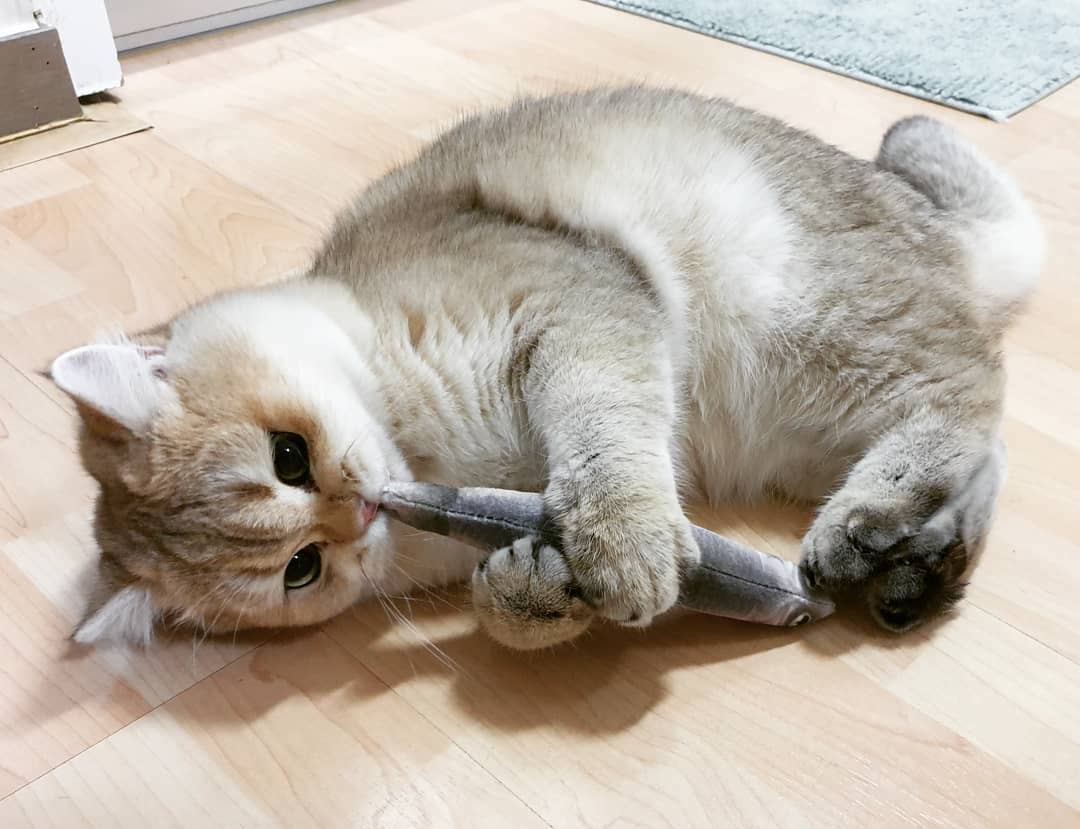
Change your cat’s toys regularly. Keep some toys hidden and swap them every few days. New or “forgotten” toys feel exciting again. Rotating toys stops your cat from getting bored. It keeps playtime fresh and interesting.
Credit: petitespaws.com
Frequently Asked Questions
Why Do Cats Prefer To Play With Toys?
Cats play with toys to satisfy their natural hunting instincts. Toys mimic prey, providing mental and physical stimulation. Play helps cats stay active, reduces stress, and prevents boredom. Engaging with toys also strengthens the bond between cats and their owners.
How Do Toys Benefit A Cat’s Health?
Toys encourage physical exercise, which helps maintain a healthy weight. Play improves coordination and agility. Mental stimulation through toys reduces anxiety and destructive behavior. Overall, toys contribute to a cat’s emotional and physical well-being.
What Types Of Toys Do Cats Love Most?
Cats prefer toys that mimic prey, such as feather wands, laser pointers, and small balls. Interactive toys that move or make noise also attract cats. Soft toys with catnip can stimulate their senses and encourage playful behavior.
Can Playing With Toys Reduce Cat Aggression?
Yes, toys redirect a cat’s predatory instincts into positive play. Regular play sessions help release pent-up energy and frustration. This reduces aggressive behaviors towards humans or other pets. Consistent interactive play promotes a calmer, happier cat.
Conclusion
Cats enjoy playing with toys because it feels natural and fun. Toys help cats stay active and healthy every day. Playing also keeps their minds sharp and stops boredom. It helps them practice hunting skills in a safe way. Toys make cats happy and reduce stress too.
Giving your cat different toys can keep them interested. Remember, playtime is important for your cat’s well-being. A happy cat means a happy home. Keep the toys coming and enjoy watching your cat have fun!