
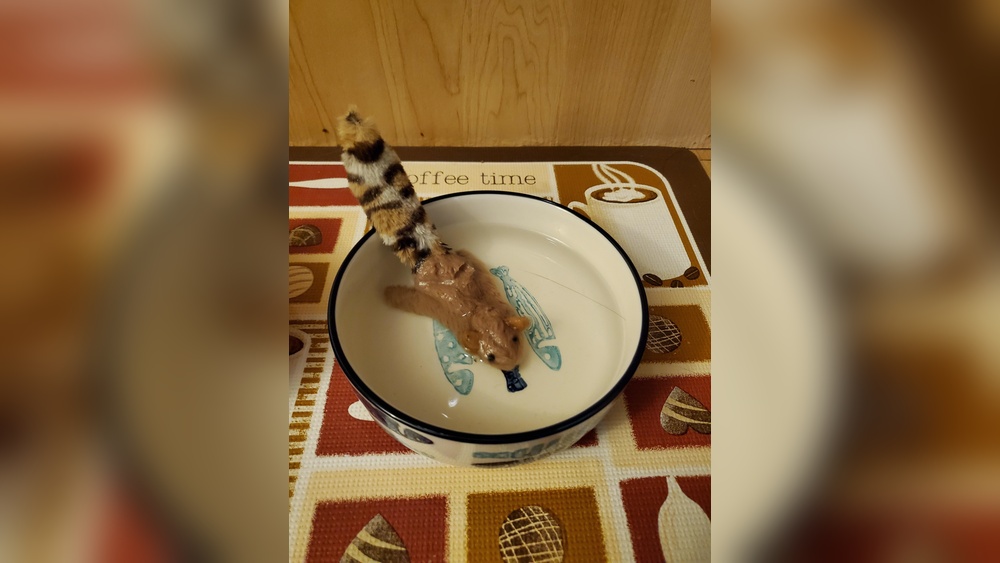
Have you ever noticed your cat dropping toys into water and wondered why they do it? It’s a curious behavior that can leave you scratching your head.
Understanding this habit can help you connect better with your furry friend and even keep them happier. Keep reading to discover the surprising reasons behind this quirky act and what it means for your cat’s mind and instincts. You might be amazed at what you learn!
Cats And Their Toy Habits
Cats have unique ways of playing with their toys. Their toy habits can seem odd to us. Some cats even put toys in water. Understanding why helps us learn more about their nature. Toys are not just fun; they are part of how cats explore and express themselves.
Each cat has its own style of play. Watching their habits shows their mood and intelligence. Their toy preferences reveal their hunting instincts and curiosity. This behavior strengthens the bond between cats and their owners.
Common Play Behaviors
Cats often bat, chase, and carry toys. They mimic hunting actions like stalking and pouncing. Some cats toss toys into the air or hide them in corners. Carrying toys in their mouths is common, like carrying prey. Putting toys in water is a curious habit seen in some cats. It could be a way to test the toy or add a new challenge.
Why Toys Matter To Cats
Toys keep cats active and mentally sharp. They satisfy natural hunting instincts safely indoors. Playing reduces stress and prevents boredom. Toys also help cats learn coordination and agility. Water play may stimulate their senses and add variety. Toys create fun moments that enrich a cat’s daily life.

Credit: www.reddit.com
The Water Connection
Cats have a curious relationship with water. Many cats avoid water, but some show strong interest. This interest can explain why cats put toys in water.
Water adds a new layer to their play. It changes how toys move and feel. This makes playtime more exciting and different for cats.
How Cats Interact With Water
Cats use their paws to explore water’s surface. They tap, splash, and watch the ripples. This interaction helps cats learn about their environment.
Some cats enjoy drinking from moving water. It might seem strange, but it feels fresher to them. This natural curiosity can extend to water play with toys.
Toys And Water Play
When toys touch water, they move unpredictably. Cats chase floating toys or paw at sinking ones. This unpredictability keeps cats alert and engaged.
Water also cools cats’ paws during play. This comfort may encourage longer play sessions. Toys in water create a fun, new challenge for cats.
Hunting Instincts At Play
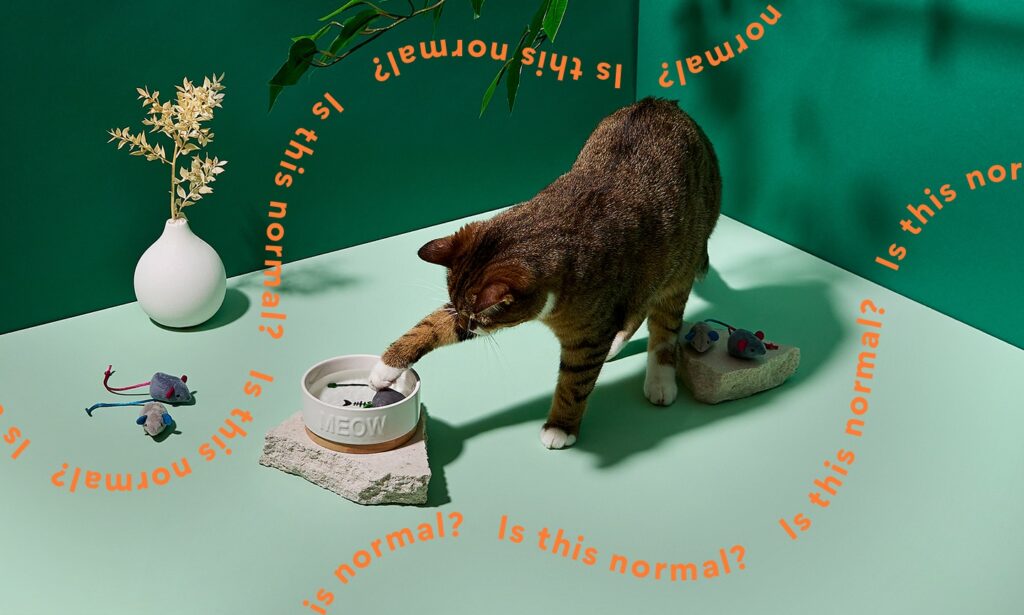
Cats often drop toys in water to mimic hunting behavior. Water adds a challenge, making play more interesting. This instinct helps them practice catching prey in a safe way.
Simulating Prey Capture
Cats have strong hunting instincts. These instincts drive many of their behaviors. Playing with toys in water mimics catching prey. Moving toys in water feel like live animals to cats. They swipe and paw, just like hunting real prey. This play helps cats practice skills they use in the wild. It keeps their minds sharp and bodies active.
Water As A Hunting Element
Water changes the way toys move. It makes toys slippery and unpredictable. This challenges cats to use different tactics. Cats often hunt near water in nature. The moving water adds excitement to their play. It makes the game more real for them. Water play taps into deep instincts and natural behaviors.
Curiosity And Exploration
Cats are naturally curious animals. They explore their surroundings with great interest. This curiosity often leads them to unusual behaviors. One such behavior is putting toys in water. This action shows their desire to learn and discover new things. Understanding this helps pet owners better connect with their cats.
Sensory Stimulation
Water offers a different feel and sound for cats. Toys in water create splashes and movements. These changes catch the cat’s attention. Touching wet toys feels different from dry ones. The coolness of water excites their senses. Cats enjoy exploring these new sensations. This sensory play keeps them mentally active and engaged.
Experimenting With Objects
Cats like to test how things work. Placing toys in water helps them learn about cause and effect. They watch how toys float or sink. They see how water moves around objects. This experimentation is part of their natural learning process. It satisfies their need to investigate and understand their world. Such play supports their problem-solving skills and curiosity.
Attention-seeking Behavior
Cats often put their toys in water to catch your attention. This behavior shows they want you to notice and interact with them. They may feel lonely or want to play. Water adds a new twist to their usual way of playing. It makes the toy move differently, sparking your cat’s interest and yours.
Engaging Their Humans
Cats use toys in water to pull you into their world. They want you to join their playtime. Splashing water with a toy can make you curious. This makes your cat happy because they have your focus. They learn that putting toys in water gets a strong reaction from you. This encourages them to do it more often.
Signs Of Boredom Or Stress
Sometimes, cats put toys in water because they feel bored. They need more fun and mental exercise. Stress can also cause this behavior. It helps them calm down and feel safe. Watching toys float or sink can comfort them. This small act helps cats handle feelings they cannot express easily.
Credit: www.chewy.com
Tips To Manage Toy-in-water Behavior
Managing the behavior of cats putting toys in water requires patience and smart choices. Understanding why cats do this helps you guide them gently. You want to keep your cat happy while avoiding messes and potential hazards.
Providing the right environment and options can reduce this habit. Cats enjoy play and exploration, so giving safe outlets is key. Below are practical tips to help manage toy-in-water behavior with care.
Safe Play Alternatives
Offer toys that do not get damaged by water easily. Use floating toys or waterproof balls made for cats. These toys allow your cat to play near water safely. Avoid small toys that can sink and cause choking risks. A shallow water dish with floating toys can satisfy their curiosity. Rotate toys regularly to keep your cat interested and engaged.
Encouraging Positive Interaction
Spend time playing with your cat using dry toys. Use feather wands or laser pointers to divert attention. Praise your cat when they play without water. Create play sessions in dry areas to build good habits. Reward calm behavior with treats and gentle petting. This helps your cat learn which play is best and safe.
Credit: www.thecatsmeowrescue.org
Frequently Asked Questions
Why Do Cats Put Toys In Water Bowls?
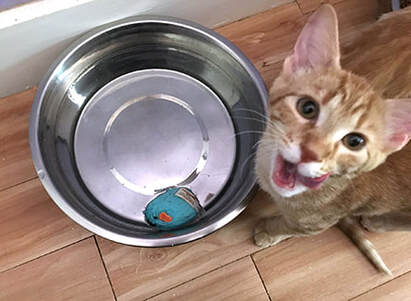
Cats often drop toys in water to mimic hunting behaviors. They test if prey moves in water. It also entertains them and stimulates their natural instincts.
Is Putting Toys In Water Normal For Cats?
Yes, this is a normal and playful behavior. It reflects a cat’s curiosity and hunting instincts. Many cats enjoy interacting with water and toys.
Does Water Affect A Cat’s Toy Preference?
Water can make toys more interesting for cats. Moving toys in water simulate live prey. This enhances their play experience and mental stimulation.
Can Putting Toys In Water Harm Cats?
Usually, it’s safe if the water is clean. Avoid small toys that could cause choking. Always supervise to ensure your cat’s safety.
Conclusion
Cats often place toys in water out of curiosity and playfulness. They enjoy exploring new textures and movements. Water changes how toys move, making playtime more fun. This behavior also helps cats learn about their environment. Watching your cat interact this way can be amusing and interesting.
Understanding this habit brings you closer to your pet’s world. It shows how smart and creative cats truly are. Keep providing safe toys and fresh water for your furry friend. This simple act reveals much about your cat’s playful nature.