
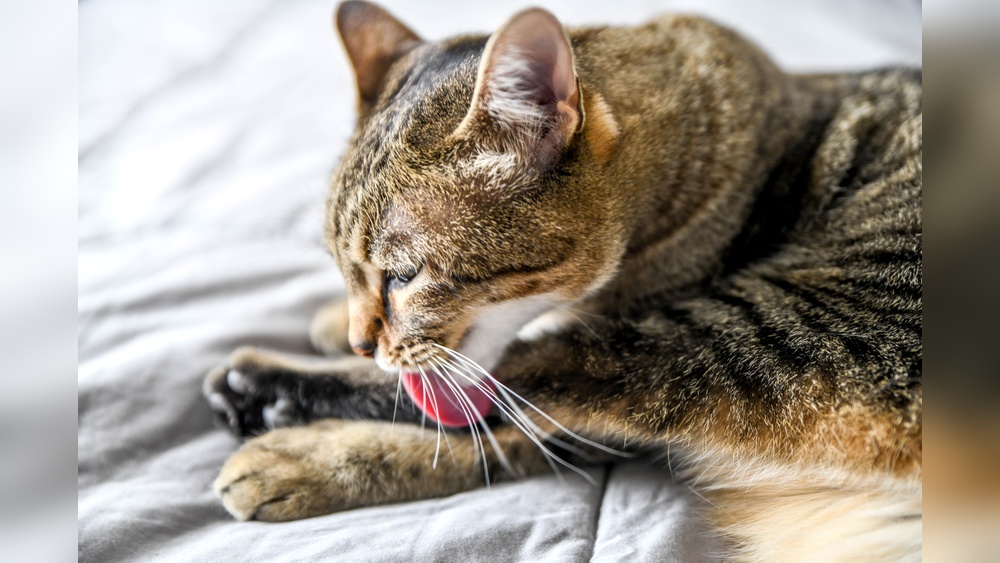
Is your cat spending too much time licking and biting its fur? Over grooming can cause painful bald spots, skin sores, and constant discomfort for your furry friend.
You want to help your cat feel better, but you might not know where to start. This guide will show you simple, effective ways to stop your cat from over grooming and bring back their happy, healthy coat. Keep reading—you’ll discover easy steps that make a big difference for your cat’s well-being.
Credit: pittwateranimalhospital.com.au
Causes Of Over Grooming
Over grooming in cats happens for many reasons. It is a sign that something may be wrong. Understanding the causes helps to find the right solution. Cats use grooming to clean themselves, but too much can cause problems. Below are common causes of over grooming in cats.
Stress And Anxiety
Stress can make cats groom themselves too much. Changes in the home, loud noises, or new pets cause stress. Cats may lick or bite their fur to feel better. This behavior is a way to calm down. Reducing stress helps stop over grooming.
Allergies And Skin Conditions
Allergies often cause itchy skin. Cats may scratch and groom a lot to ease the itch. Food, pollen, or dust can trigger allergies. Skin conditions like dermatitis also cause discomfort. Treating the allergy or skin problem reduces over grooming.
Parasites And Infections
Parasites like fleas cause irritation and itching. Cats bite and lick to try to remove them. Infections from bacteria or fungi also cause skin problems. These infections lead to excessive grooming to soothe the pain. A vet can diagnose and treat these issues.
Boredom And Lack Of Stimulation
Cats need play and mental exercise. Without enough activity, they may groom too much out of boredom. Over grooming becomes a habit to pass time. Providing toys and interaction helps keep cats busy and calm.

Credit: www.reddit.com
Signs Of Over Grooming
Over grooming in cats can signal stress, allergies, or health problems. Spotting the signs early helps protect your cat’s skin and fur. Watch for changes in your cat’s grooming habits and skin condition. These signs guide you to take action and help your pet feel better.
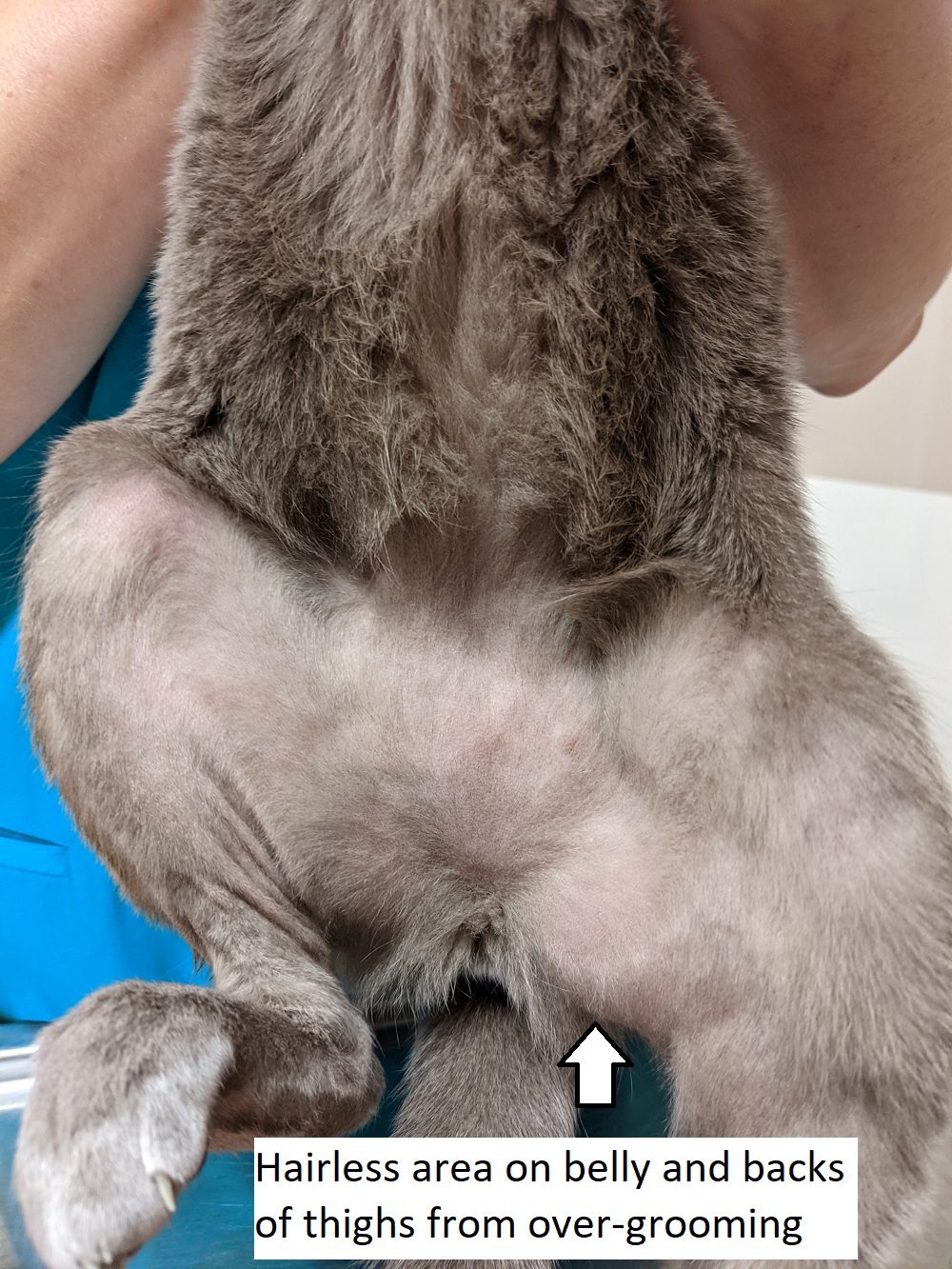
Bald Patches And Hair Loss
Bald patches show where the cat has licked or scratched too much. Hair loss often appears in small spots or larger areas. These patches might look smooth or have scabs. Check your cat’s coat regularly for any missing fur.
Redness And Irritation
The skin under over groomed areas can become red and sore. Irritation may cause swelling or small bumps. Your cat might pull away when you touch these spots. Look closely for any changes in your cat’s skin color or texture.
Excessive Licking And Scratching
Cats that groom too much often lick the same area repeatedly. They might also scratch or bite their skin more than usual. This behavior can cause pain or discomfort. Notice if your cat spends a long time licking or scratching any spot.
Preventing Over Grooming
Preventing over grooming in cats is important for their health and happiness. Over grooming can cause skin problems and stress. Taking steps to stop this behavior helps your cat feel calm and safe. It also protects their skin from damage. Simple changes at home and regular care can make a big difference.
Creating A Calm Environment
A quiet and peaceful space helps reduce stress in cats. Loud noises and sudden movements can scare them. Provide a cozy resting place away from busy areas. Use soft lighting and gentle sounds to make your cat feel safe. Keep their routine regular to avoid confusion and stress.
Regular Vet Checkups
Frequent vet visits catch health issues early. Skin allergies or infections can cause over grooming. Your vet can find hidden problems that cause discomfort. Regular checkups ensure your cat stays healthy. Follow your vet’s advice to keep skin and coat in good condition.
Parasite Control
Fleas and mites irritate your cat’s skin. This irritation often leads to excessive grooming. Use vet-approved flea treatments to control parasites. Check your cat’s fur regularly for signs of bugs. Keeping parasites away reduces itching and discomfort.
Providing Enrichment And Play
Bored cats may groom too much out of frustration. Offer toys, climbing trees, and scratching posts. Play with your cat daily to keep them active and happy. Mental and physical stimulation lowers stress and stops over grooming. Variety in play keeps your cat interested and busy.

Credit: www.torontohumanesociety.com
Effective Treatment Options
Effective treatment options help stop cats from over grooming. Over grooming can cause skin damage, hair loss, and infection. Treating it quickly improves your cat’s health and comfort. Different methods work for different cats. Combining treatments often works best.
Medications And Topical Treatments
Medications reduce itching and inflammation. Your vet may prescribe antihistamines or steroids. These drugs calm irritated skin fast. Topical treatments like creams and sprays soothe the affected area. They help heal wounds and prevent infections. Always follow the vet’s instructions carefully.
Behavioral Therapy
Behavioral therapy targets the causes of over grooming. Stress and anxiety often trigger this behavior. Providing more playtime and attention helps. Use toys to distract your cat. Create a calm and safe environment. Sometimes, consulting a pet behaviorist is needed.
Dietary Adjustments
Food allergies can cause skin irritation. Switching to hypoallergenic or limited ingredient diets helps. Adding omega-3 fatty acids improves skin health. Good nutrition supports faster healing. Always introduce new food slowly to avoid upset stomach.
Use Of Protective Gear
Protective gear stops cats from licking wounds. Elizabethan collars or soft cones are common tools. These prevent further skin damage. Use them under supervision for comfort. Protective gear allows topical treatments to work better.
When To Seek Veterinary Help
Knowing when to seek veterinary help is key to stopping your cat’s over grooming. Some signs show the problem is more serious. Early care can prevent pain and bigger health issues. Watch your cat closely. Acting fast helps your cat heal better and feel calm again.
Persistent Symptoms
Over grooming that lasts more than two weeks needs a vet check. If your cat keeps licking or biting the same spots, it shows discomfort. Skin redness, hair loss, or sores that do not heal are warning signs. These symptoms mean the cause may be medical and needs treatment.
Signs Of Infection
Look for swelling, pus, or bad smell on your cat’s skin. These signs tell you an infection might be present. Your cat may also scratch or bite more because of the pain. Infections can spread quickly. A vet can give medicine to stop infection and help healing.
Behavioral Changes
Changes in your cat’s behavior can mean pain or stress. Notice if your cat hides, stops eating, or becomes aggressive. Over grooming may be linked to anxiety or health problems. A vet can check for causes and suggest ways to help your cat feel safe.
Frequently Asked Questions
What Causes Cats To Over Groom Excessively?
Cats over groom due to stress, allergies, parasites, or skin infections. Identifying the cause helps in effective treatment and prevention.
How Can I Reduce My Cat’s Over Grooming Behavior?
Provide a calm environment, use vet-recommended treatments, and address allergies. Regular play and mental stimulation also reduce stress-driven grooming.
When Should I See A Vet For Cat Over Grooming?
Consult a vet if grooming causes hair loss, sores, or bleeding. Persistent over grooming signals underlying health or behavioral issues needing professional care.
Can Diet Changes Help Stop Cat Over Grooming?
Yes, hypoallergenic or balanced diets reduce skin allergies and improve coat health. Consult a vet for suitable dietary adjustments to manage over grooming.
Conclusion
Cats over grooming can cause discomfort and health issues. Watch your cat’s behavior closely every day. Offer toys and playtime to reduce stress. Keep their environment calm and free from loud noises. Regular vet visits help catch problems early. Use gentle grooming tools to avoid skin irritation.
Patience and care make a big difference. Your cat will feel happier and healthier soon. Small changes lead to great results. Keep loving and caring for your furry friend.