
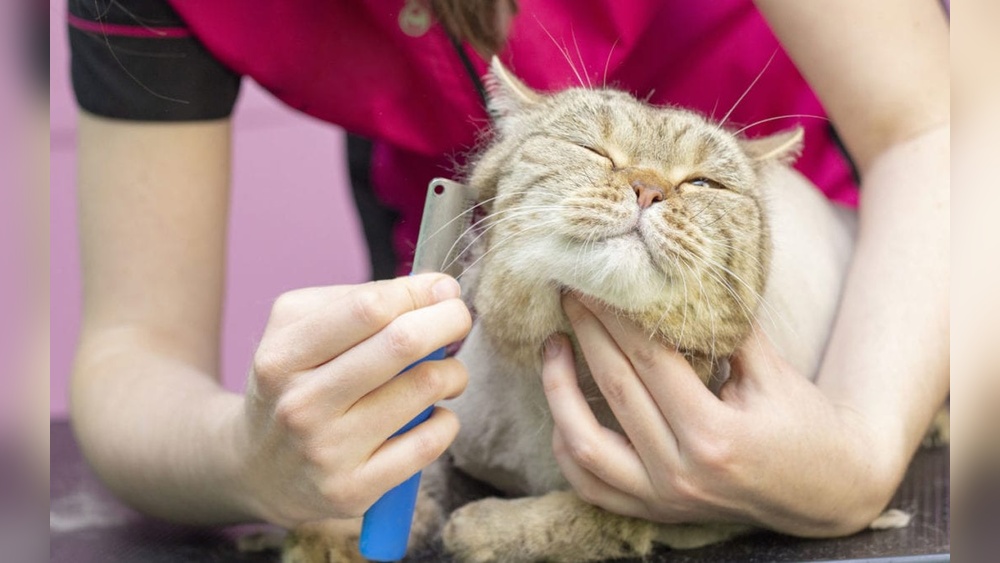
Are you wondering if cat grooming is really okay for your furry friend? You’re not alone.
Many pet owners worry about whether grooming might stress their cat or cause harm. But what if grooming is actually one of the best things you can do to keep your cat healthy and happy? You’ll discover the truth about cat grooming, how it benefits your pet, and simple tips to make the experience smooth for both of you.
Keep reading—your cat will thank you!

Credit: www.reddit.com
Benefits Of Cat Grooming
Cat grooming offers many benefits for both cats and their owners. It keeps your cat clean and comfortable. Grooming also helps spot health problems early. Regular brushing improves your cat’s coat and skin health. It can reduce hairballs that cause discomfort. Grooming sessions also build trust between you and your cat.
Improved Coat Health
Brushing removes dirt and loose fur from your cat’s coat. It spreads natural oils across the skin, making fur shiny and soft. Grooming prevents mats and tangles, which can cause pain. A clean coat helps your cat feel fresh and healthy.
Reduced Hairballs
Cats swallow loose fur during self-grooming, causing hairballs. Regular brushing catches loose fur before your cat swallows it. This reduces the number of hairballs your cat produces. Fewer hairballs mean less vomiting and stomach discomfort.
Early Detection Of Health Issues
Grooming allows you to check your cat’s skin and body closely. You can find ticks, fleas, or wounds early. Changes in lumps or bumps become noticeable sooner. Early detection helps your cat get quick medical care.
Strengthened Bond With Your Cat
Grooming is a quiet time to connect with your cat. Gentle brushing feels good and relaxes your pet. Your cat learns to trust you more during grooming. This strengthens your relationship and makes your cat happy.
Signs Your Cat Needs Grooming
Cats are usually good at keeping themselves clean. Still, they sometimes need help with grooming. Knowing the signs that your cat needs grooming can keep them healthy and happy. Watch for changes in their fur and skin. These signs show when grooming is important.
Matted Fur
Matted fur looks tangled and clumpy. It feels hard and tight on the skin. Matted fur can pull at your cat’s skin and cause pain. It traps dirt and moisture, leading to skin problems. Regular brushing helps stop mats from forming.
Excessive Shedding
Shedding is normal for cats, but too much is a warning. Excessive shedding leaves fur all over your home. It can mean your cat is stressed or has health issues. Grooming removes loose fur and keeps shedding under control.
Dirty Or Oily Coat
A clean coat looks shiny and smooth. A dirty or oily coat looks dull and greasy. This can happen if your cat is sick or too old to groom well. Cleaning your cat helps keep their fur healthy and fresh.
Unpleasant Odor
Healthy cats usually do not smell bad. A bad odor can come from dirty fur or skin infections. It may also mean your cat has dental problems. Grooming and checking your cat’s health can stop bad smells.
Safe Grooming Tools
Using the right tools makes cat grooming safe and easy. Cats have different fur types and needs. Choosing tools that match their coat helps keep them comfortable. Safe grooming tools prevent injuries and reduce stress during grooming sessions.
Brush Types For Different Coats
Short-haired cats need soft brushes to remove loose fur gently. Long-haired cats benefit from wide-toothed combs to untangle knots carefully. Slicker brushes work well for thick or curly coats. Picking the right brush keeps your cat’s fur healthy and shiny.
Nail Clippers And Trimmers
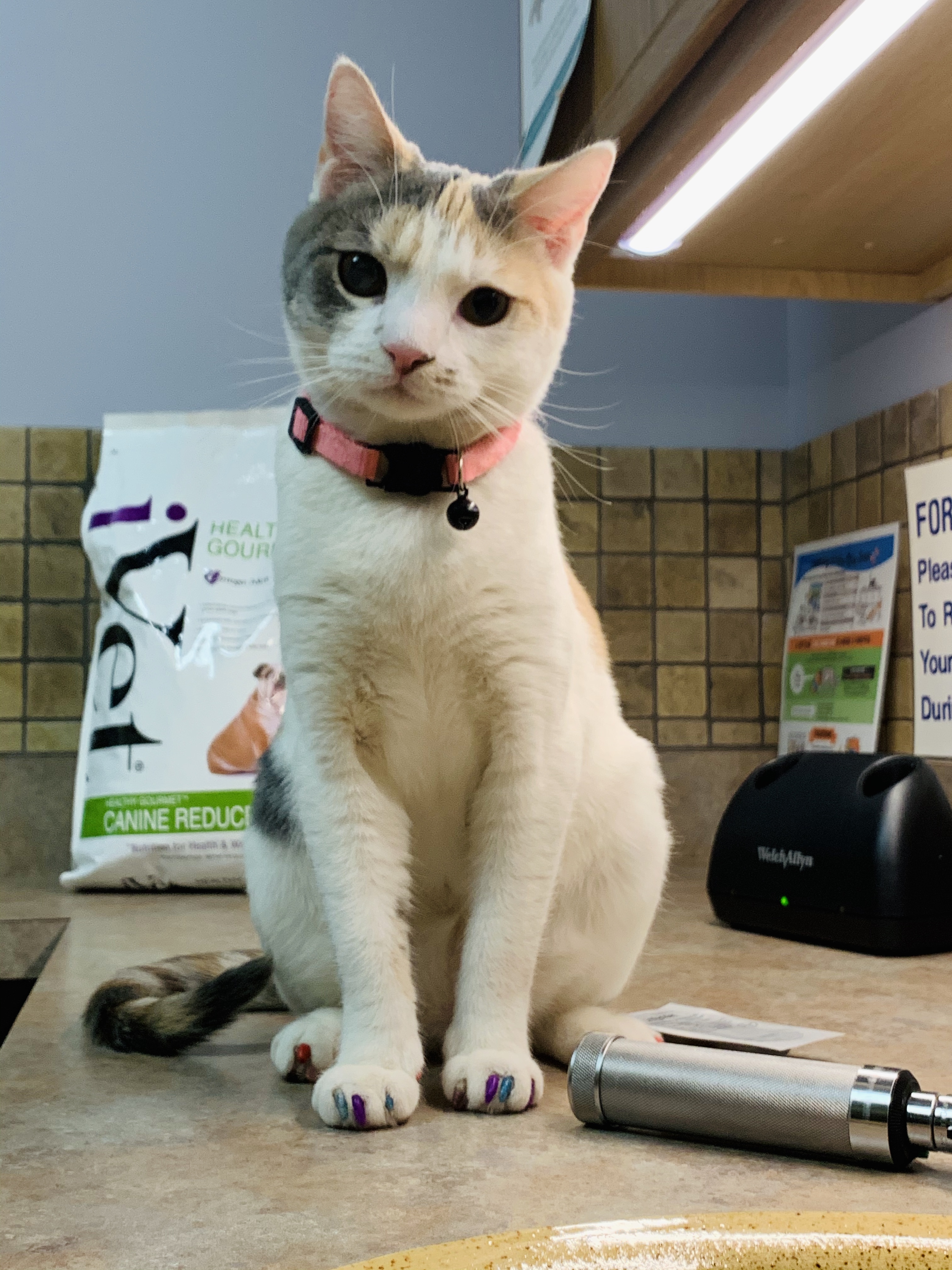
Use clippers made for cats to avoid cutting too deep. Scissor-style or guillotine clippers work best for small nails. Trim nails slowly to prevent pain or bleeding. Keeping nails short protects furniture and avoids accidental scratches.
Ear Cleaning Supplies
Use gentle ear wipes or solutions designed for cats. Avoid cotton swabs that can hurt the ear canal. Clean ears only when needed to remove dirt or wax. Healthy ears reduce the risk of infections and discomfort.
Shampoos Suitable For Cats
Choose shampoos made especially for cats. Avoid human or dog shampoos that can irritate cat skin. Use mild, fragrance-free formulas to prevent allergic reactions. Bathing with the right shampoo keeps your cat clean and comfortable.
Credit: www.4pawsanimal.com
Step-by-step Grooming Process
Grooming your cat regularly keeps it healthy and happy. A clear step-by-step process makes grooming easier for both you and your cat. Follow simple methods to ensure comfort and care during grooming sessions.
Brushing Techniques
Start by choosing the right brush for your cat’s fur type. Use gentle strokes to avoid hurting your cat’s skin. Brush in the direction of fur growth. Focus on areas prone to mats like behind ears and under the legs. Regular brushing reduces hairballs and shedding.
Bathing Tips
Use warm water and cat-friendly shampoo. Keep water levels low to avoid stress. Wet your cat slowly, starting from the neck down. Lather shampoo gently without scrubbing hard. Rinse thoroughly to remove all soap. Dry your cat with a soft towel. Avoid loud noises to keep your cat calm.
Nail Trimming Guide
Use sharp, small clippers designed for cats. Hold your cat’s paw gently but firmly. Trim just the sharp tip of each nail. Avoid cutting into the pink quick to prevent pain. If unsure, trim a little at a time. Reward your cat with treats after trimming.
Cleaning Ears And Eyes
Use a soft, damp cloth or cotton ball for cleaning. Wipe around the eyes to remove discharge gently. For ears, use a vet-approved ear cleaner. Avoid inserting anything deep into the ear canal. Clean only visible areas carefully. Regular cleaning prevents infections and discomfort.
How Often To Groom Your Cat
Grooming your cat regularly keeps them healthy and happy. How often you groom depends on many things. Each cat is different. Their coat type and lifestyle affect grooming needs. Understanding these factors helps you decide the right schedule for your cat.
Factors Affecting Grooming Frequency
Age plays a role. Older cats may need more help. Activity level matters too. Outdoor cats often get dirtier. Health issues can change grooming needs. Cats with skin problems need gentle care. Coat type is important. Thick coats need more brushing than thin ones.
Grooming Schedules For Short-haired Cats
Short-haired cats usually need less grooming. Brushing once a week is enough for most. This removes loose fur and dirt. It also helps reduce hairballs. During shedding season, brushing twice a week is better. Check their skin for any issues while grooming.
Grooming Schedules For Long-haired Cats
Long-haired cats need more attention. Brush them daily to prevent tangles and mats. Mats can cause pain and skin problems. Use a comb to reach deep fur layers. Keep an eye on their tail and belly. These areas get tangled the most.
Handling Grooming Challenges
Grooming cats can be tricky at times. Many cats do not enjoy the process. Some cats have skin that reacts easily. Stress can build up during grooming sessions. Knowing how to handle these challenges helps keep grooming safe and calm.
Dealing With Uncooperative Cats
Some cats resist grooming strongly. They may scratch or try to escape. Stay calm and patient. Use gentle, slow movements. Break grooming into short sessions. Reward your cat with treats or praise. Try grooming after playtime when your cat is tired. Using a towel to wrap your cat can help control them safely.
Managing Sensitive Skin
Sensitive skin needs extra care. Avoid harsh brushes or combs. Choose soft grooming tools made for cats. Check your cat’s skin for redness or bumps. Use mild, cat-safe shampoos only. Avoid over-bathing; it can dry out skin. If skin problems continue, consult a vet. Regular brushing helps remove dirt without hurting skin.
Avoiding Stress During Grooming
Stress makes grooming harder. Create a quiet, calm space for grooming. Keep sessions short but regular. Speak softly to soothe your cat. Use familiar tools and scents. Stop if your cat shows signs of fear or anger. Give breaks and offer gentle petting. Patience reduces stress and makes grooming easier over time.
When To Seek Professional Grooming
Knowing when to seek professional grooming for your cat helps keep them healthy and happy. Some grooming tasks are hard to do at home. Professional groomers have skills and tools for tough jobs. Recognizing the right time to call an expert avoids stress for you and your cat.
Recognizing Grooming Needs Beyond Home Care
Long or thick fur may mat easily and cause pain. Cats with sensitive skin might need special care. Signs like constant scratching, bald spots, or skin irritation need expert attention. Older cats or those with health issues may struggle with self-grooming. Professionals can handle these needs safely and gently.
Choosing A Professional Groomer
Pick a groomer experienced with cats, not just dogs. Look for clean, calm salons with good reviews. Ask about their methods and products to ensure they suit your cat. A gentle approach reduces fear and discomfort during grooming. Visit the groomer first to see how they treat animals.
Costs And Benefits Of Professional Services
Professional grooming may cost more than home care but saves time and stress. Groomers prevent mats, remove loose hair, and check skin health. Regular visits reduce shedding and hairballs. Investing in expert care supports your cat’s comfort and well-being over time.

Credit: www.reddit.com
Frequently Asked Questions
Is Cat Grooming Necessary For All Breeds?
Yes, grooming is essential for all cat breeds. Long-haired cats need more frequent grooming to prevent mats. Short-haired cats benefit from regular brushing to reduce shedding and hairballs. Grooming also helps monitor your cat’s health and strengthens your bond.
How Often Should I Groom My Cat?
Most cats should be groomed at least once a week. Long-haired cats may require daily grooming. Regular grooming prevents tangles, reduces hairballs, and keeps the coat healthy. Adjust frequency based on your cat’s breed, age, and activity level.
Can Grooming Reduce Cat Hair Shedding?
Yes, grooming significantly reduces shedding. Brushing removes loose fur before it falls around your home. It also distributes natural oils, improving coat health. Regular grooming minimizes hairballs and keeps your cat comfortable, especially during seasonal changes.
Is Professional Cat Grooming Safe And Beneficial?
Professional grooming is safe when done by experts. Groomers handle difficult tasks like nail trimming and hair mats. It benefits cats with thick or long coats. Choose a groomer experienced with cats to ensure a stress-free experience.
Conclusion
Cat grooming helps keep your pet healthy and happy. Regular brushing stops mats and reduces hairballs. Trimming nails protects your furniture and your cat’s paws. Bathing your cat is only needed sometimes, not often. Watch your cat’s behavior during grooming to ensure comfort.
Gentle care builds trust between you and your pet. Clean ears and teeth prevent infections and other issues. Simple grooming steps make your cat look and feel great. Taking time for grooming shows love and care every day.