
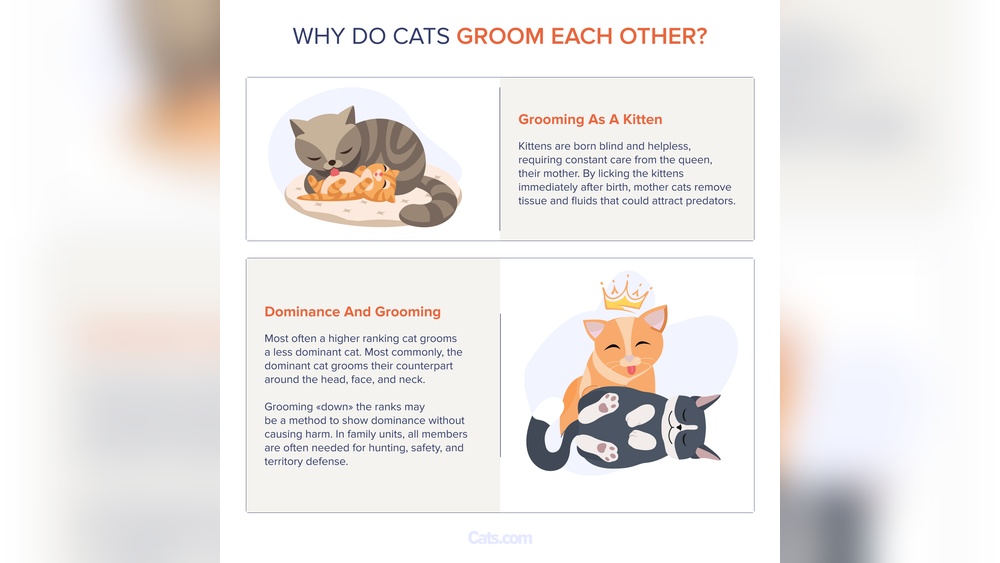
Have you ever noticed one cat gently licking another and wondered why? Grooming between cats isn’t just about staying clean—it’s a powerful way they connect and show care.
But which cat in your home is most likely to take on this loving role? Understanding who grooms other cats more can reveal surprising insights about your furry friends’ bonds and personalities. Keep reading to discover the secrets behind this special behavior and how it shapes your cats’ relationships.
Credit: cats.com
Social Grooming In Cats
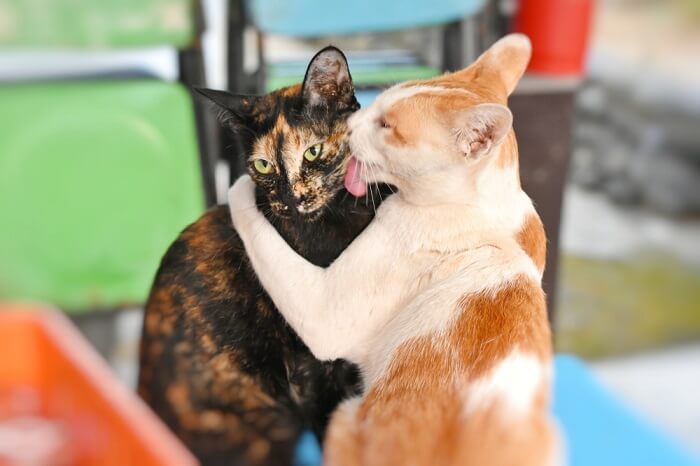
Social grooming in cats is a common behavior where cats clean each other. This action is not just about hygiene. It helps build strong bonds between cats. Cats often groom those they trust and feel close to. It shows friendship and care inside a group.
Understanding why cats groom each other helps us see their social life better. It also explains which cats groom others more often and why. Social grooming plays a key role in cat communication and group harmony.
Why Cats Groom Each Other
Cats groom each other to stay clean and healthy. They reach spots that are hard to clean alone. Grooming helps remove dirt and loose fur. It also reduces stress and creates calmness among cats.
Grooming shows trust. Cats only groom friends or family members. It helps them feel safe and connected. Older cats often groom younger ones. Mothers groom their kittens to teach hygiene and care.
Benefits Of Mutual Grooming
Mutual grooming keeps cats healthy by preventing skin problems. It also stops fleas and ticks from spreading. Grooming strengthens social bonds and reduces fights in groups. Cats who groom each other feel less lonely and more secure.
This behavior improves group teamwork. Cats that groom each other live better together. It builds peace and trust inside the cat family. Grooming is a simple act with big social benefits.
Traits Of Top Grooming Cats
Some cats groom other cats more often than others. Their grooming habits depend on certain traits. These traits help identify which cats are the best groomers. Understanding these traits shows how cats build trust and friendships.
Grooming is not just about cleaning. It is a way cats communicate and show care. Cats with strong grooming habits often have special personality traits and behaviors. These traits make them more likely to groom their feline friends.
Personality Types Linked To Grooming
Cats with calm and friendly personalities groom more. They enjoy social time with other cats. Such cats are patient and gentle while grooming. They help reduce stress and create bonds within the group. Shy or fearful cats tend to groom less. They prefer to keep to themselves. Playful cats may groom after playing to calm down.
Age And Grooming Behavior
Young adult cats groom others more than kittens or older cats. Kittens are still learning grooming skills. Older cats may groom less due to health issues or low energy. Middle-aged cats are active and social, leading to more grooming. Grooming also helps cats stay clean and healthy as they age. Age influences how often and how well cats groom each other.
Breed Tendencies In Grooming
Cats groom each other to show care and build trust. Some breeds do this more than others. Understanding breed grooming habits helps you know your cat’s social style. Grooming can be a sign of friendship and comfort.
Different cat breeds have unique grooming behaviors. These depend on personality and energy levels. Some cats are very active groomers and enjoy cleaning their friends. Others prefer less contact and groom less often.
Most Grooming-active Breeds
Siamese cats are known for their social and talkative nature. They often groom other cats as part of their bonding. Burmese cats also enjoy close contact and tend to groom their companions frequently. Maine Coons are gentle giants that like to keep their group clean. They show care by licking and grooming other cats in the household.
Breeds That Groom Less Often
Persian cats usually groom less because of their calm and independent style. Scottish Folds may prefer solitude and groom themselves more than others. Russian Blues tend to be shy and keep grooming limited to their own fur. These breeds value personal space and do not groom other cats as much.

Credit: www.herveycats.com
Dominance And Grooming Roles
In cat groups, grooming is not just about cleanliness. It shows social order and roles. Cats use grooming to build bonds and show respect. Dominance plays a big part in who grooms whom. Some cats take charge, while others follow their lead.
Alpha Cats As Groomers
Alpha cats often groom others to show power. They pick who gets groomed and when. Grooming by the alpha helps keep peace in the group. It also shows the alpha’s status and control. These cats usually groom lower-ranking members more often.
Subordinate Cats And Grooming Patterns
Subordinate cats groom the alpha to gain favor. Their grooming is a way to show submission. They also groom each other to build friendships. Grooming helps reduce tension among lower-ranking cats. This creates a calmer and more stable group.
Environmental Influences
Environmental factors shape how cats groom each other. Their surroundings influence social bonds and comfort levels. Cats in calm spaces often groom more. Stressful settings reduce grooming behavior. Understanding these influences helps explain which cat grooms others more.
Impact Of Living Arrangements
Cats living together in small spaces tend to groom each other more. Close quarters boost social interactions and trust. Outdoor cats or those with large territories groom less often. Shared spaces create opportunities for bonding through grooming. The number of cats in a home also matters. More cats can lead to more grooming or competition.
How Stress Affects Grooming
Stress lowers grooming frequency among cats. Loud noises, new pets, or changes disrupt their routine. An anxious cat may avoid grooming others. Stress breaks down social bonds and trust. Calm environments encourage friendly grooming sessions. Less stress means more grooming and stronger relationships.
Recognizing Grooming Behavior
Recognizing grooming behavior is key to understanding cat social life. Cats groom each other to show care and build trust. This behavior helps keep their fur clean and skin healthy. Watching how cats groom can tell a lot about their relationships.
Some cats groom more than others. They often take the lead in cleaning their friends. Knowing the signs of grooming helps you see who grooms more and why.
Signs Of Excessive Grooming
Excessive grooming looks different from normal grooming. Cats may lick one spot too much. Fur may become thin or patchy. Skin can look red or irritated. These signs show grooming has gone too far. It can cause pain or stress to the cat.
Watch for constant licking or biting at fur. Cats might over-groom if they feel anxious or sick. Sometimes, they groom other cats too much. This can disturb the other cat and cause problems.
Distinguishing Grooming From Aggression
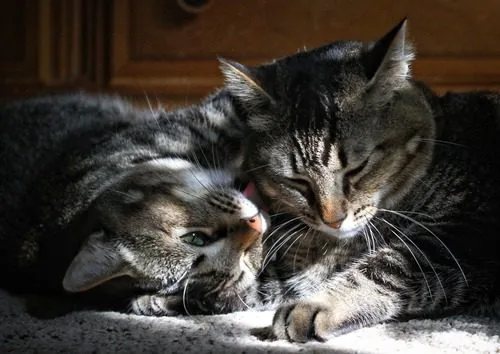
Grooming is gentle and calm. Aggression is rough and loud. Grooming cats use soft licking and slow movements. Aggressive cats may bite hard or scratch. Their body language is tense and stiff.
Grooming helps cats relax and bond. Aggression causes fear and stress. Pay attention to the cat’s eyes and ears. Relaxed eyes and ears mean friendly grooming. Narrowed eyes and pinned-back ears show aggression.
Encouraging Healthy Grooming
Encouraging healthy grooming among cats helps keep their fur clean and skin healthy. Grooming also builds strong bonds between cats. Some cats groom more than others, but all can benefit from a good grooming routine. Creating the right environment and managing conflicts helps promote positive grooming behavior.
Creating A Grooming-friendly Environment
Provide quiet and safe spaces for your cats. Cats feel calm and relaxed in peaceful areas. Soft bedding and low noise help them enjoy grooming time. Offer multiple grooming spots to reduce competition. Keep their claws trimmed to avoid accidental scratches during grooming. Regular brushing by you supports their natural grooming habits. A clean environment reduces stress and keeps fur healthy.
Managing Grooming-related Conflicts
Watch for signs of stress or aggression during grooming. Separate cats if they grow tense or fight. Avoid forcing grooming on unwilling cats. Give each cat attention to prevent jealousy. Use positive reinforcement to encourage gentle grooming. Understanding each cat’s personality helps reduce conflicts. Keep an eye on dominant cats that groom others too much. Balance and respect among cats create a peaceful grooming routine.
Credit: whitneyvet.com
Frequently Asked Questions
Which Cats Groom Other Cats Most Often?
Mother cats groom their kittens the most, providing care and bonding. Adult cats that share strong social bonds also groom each other regularly.
Why Do Cats Groom Each Other Frequently?
Cats groom each other to strengthen social bonds, reduce stress, and keep clean. This behavior helps build trust and maintain group harmony.
How Does Mutual Grooming Benefit Cats?
Mutual grooming removes dirt, parasites, and loose fur. It also promotes relaxation and reinforces positive relationships within the cat group.
Do Specific Cat Breeds Groom More Than Others?
No specific breed is known to groom more. Grooming behavior depends more on individual personality and social environment than breed.
Conclusion
Cats that groom others usually show strong social bonds. Female cats often groom more than males. Mother cats also groom their kittens a lot. Grooming helps cats stay clean and feel safe. It builds trust and friendship among cats. Watching cats groom each other can be very calming.
This behavior shows how cats care for each other. Understanding which cats groom more helps us know them better. It also helps create a happy home for multiple cats. Remember, grooming is a sign of love and connection.