

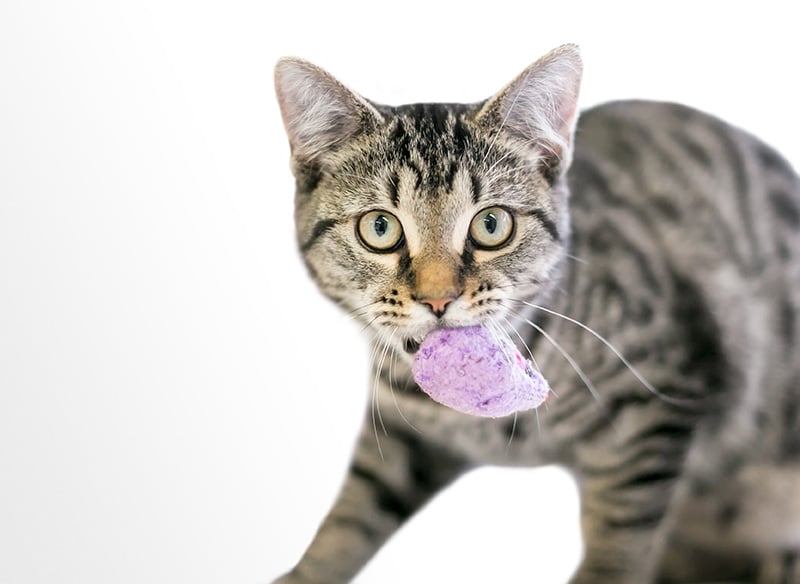
Have you ever noticed your cat yelling loudly while carrying a toy? It can be surprising and even a little confusing.
You might wonder why your usually quiet feline suddenly becomes so vocal. Understanding this behavior can help you connect better with your furry friend. You’ll discover the reasons behind your cat’s loud calls and what it means for their feelings and instincts.
Keep reading to learn why your cat acts this way and how you can respond to make them feel safe and happy.
Credit: www.catster.com
Cats Vocalizing Behavior
Cats use sounds to share their feelings and needs. Vocalizing is a big part of how cats communicate. Each sound has a meaning that helps us understand their mood and intentions.
When cats carry toys and yell, they express more than just playfulness. Their vocal behavior reveals emotions and instincts.
Common Cat Sounds
Cats make many sounds like meows, purrs, hisses, and growls. Meowing is often for attention or asking something. Purring shows contentment or comfort. Hissing or growling signals fear or anger. Yelling, or loud meowing, can express excitement or stress.
Purpose Of Yelling In Cats
Yelling while carrying a toy often mimics hunting behavior. Cats might call out to announce their catch. This vocalization can show pride or a desire to share the “prey.” Sometimes, it warns other pets to stay away. It also helps release energy and excitement.
Credit: www.greenmatters.com
Instincts Behind Carrying Toys
Cats carry toys for deep, natural reasons. These actions show their strong instincts. Toys often act like pretend prey for cats. Carrying and yelling with toys link to their wild roots.
Hunting And Carrying Prey
Wild cats catch prey to eat or share. Domestic cats keep this habit alive by carrying toys. Yelling may mimic calls to warn others or show excitement. It is part of their hunting behavior. The toy becomes a fake catch, sparking the same feelings.
Mother Cat Behavior
Mother cats carry kittens by the scruff gently. They also carry prey back to the nest. Cats yelling while carrying toys copy this behavior. It shows care and protection. This instinct stays in all cats, even if they are grown.
Reasons For Yelling While Carrying Toys
Cats often yell while carrying toys. This behavior can seem strange to many pet owners. Understanding why cats make noise during play helps improve your bond with them. Cats use yelling as a way to communicate their feelings and intentions. Several reasons explain this vocal behavior during toy carrying.
Claiming Ownership
Cats yell to show that the toy belongs to them. This is a way to warn other cats or pets nearby. The sound tells others to stay away from their prize. This helps cats protect their catch and feel secure. It is a natural instinct from their wild ancestors.
Seeking Attention
Some cats yell to get their owner’s attention. They want you to notice their play or join them. This behavior shows their desire for interaction and fun. Yelling can be a call to start more playtime or petting. It helps cats feel connected to their humans.
Expressing Excitement Or Frustration
Yelling can mean excitement about catching or holding a toy. Cats may also yell if they feel frustrated during play. This happens when they want to catch the toy but cannot. The noise shows their strong emotions clearly. It helps release energy and express their mood.
Situations Triggering Yelling
Cats often yell while carrying toys. These sounds can surprise pet owners. Understanding the reasons helps you respond better. Various situations can trigger this yelling behavior. It usually relates to the cat’s feelings and environment.
New Or Favorite Toys
Cats may yell when holding new toys. The toy feels strange or exciting. This causes them to vocalize loudly. Favorite toys also trigger yelling. The cat wants to protect or show pride. Carrying a prized toy brings out strong emotions.
Presence Of Other Pets
Other pets nearby can cause yelling. Cats feel the need to guard their toy. They warn others to stay away. This vocalization acts as a signal. It shows the cat’s desire to keep the toy safe.
Changes In Environment
New places or changes make cats anxious. They yell more while holding toys. The toy becomes a comfort object. Yelling helps the cat express stress or alertness. Environmental shifts often increase this vocal behavior.
How To Respond To Yelling
Knowing how to respond to your cat’s yelling while carrying a toy helps keep your home calm. Cats use vocal sounds to communicate. Their yelling might mean excitement, stress, or a call for attention. Understanding this helps you guide your cat’s behavior and make playtime fun for both.
Encouraging Positive Behavior
Reward quiet play with treats or gentle praise. This shows your cat that calm behavior is good. Avoid yelling back or punishing. That can make your cat scared or confused. Use a soft voice and offer toys that your cat likes. Positive reinforcement helps your cat learn faster.
Redirecting Attention
When your cat yells, try to change its focus. Offer a different toy or start a new game. Move the toy slowly to catch its interest. This breaks the yelling pattern. Play gently and watch your cat’s response. Redirecting helps reduce loud noises and keeps play peaceful.
Providing Enrichment
Give your cat plenty of toys and activities to explore. Puzzle feeders and climbing trees keep cats busy. A bored cat may yell more to get attention. Enrichment makes your cat happy and tired. A well-stimulated cat yells less and enjoys playtime more.

Credit: ohmydogblog.com
When To Consult A Veterinarian
Cats often yell when carrying toys as part of play or hunting instincts. Most of the time, this behavior is normal and harmless. Yet, sometimes the yelling might signal a problem that needs a vet’s attention. Knowing when to consult a veterinarian helps keep your cat healthy and happy.
Signs Of Stress Or Pain
Watch your cat closely. Yelling along with hiding, limping, or loss of appetite can show pain. Sudden changes in behavior, like aggressive growling or constant vocalizing, may indicate stress. If your cat seems uncomfortable or restless, a vet check is important. Early care helps prevent bigger health problems.
Behavioral Concerns
Repeated yelling while carrying toys can signal anxiety or frustration. Cats may express these feelings through loud sounds or strange actions. If your cat’s yelling lasts many days or gets worse, consider professional advice. A vet can help find causes and offer solutions. Proper care improves your cat’s mood and behavior.
Frequently Asked Questions
Why Do Cats Yell While Carrying Toys?
Cats yell while carrying toys to mimic hunting calls. This vocalization expresses excitement, pride, or a desire to share their “prey” with you. It’s a natural behavior rooted in their instinct to communicate their catch.
Is Yelling With Toys A Sign Of Stress In Cats?
No, yelling with toys is usually not stress-related. It’s often a playful or hunting instinct behavior. However, if accompanied by other signs, stress might be involved. Observe your cat’s overall demeanor for accurate interpretation.
Do All Cats Yell When Carrying Toys?
Not all cats yell when carrying toys. Some are quieter or use different sounds. Vocalization varies based on the cat’s personality and breed. It reflects individual ways cats express their hunting success.
Can Cat Yelling Indicate A Call For Attention?
Yes, cats may yell to get your attention. Carrying toys while vocalizing can be a way to engage you in play. It’s their way of inviting interaction or showing off their “catch. ”
Conclusion
Cats yell when carrying toys to show pride or protect their catch. This behavior comes from their natural hunting instincts. They feel excited and want to share their “prize” with you. Sometimes, they also want to warn others to stay away.
Understanding this helps you connect better with your cat. Pay attention to their feelings and enjoy playtime together. Each cat has a unique way of expressing itself, and this is one of them. Embrace these moments as part of your cat’s special personality.