
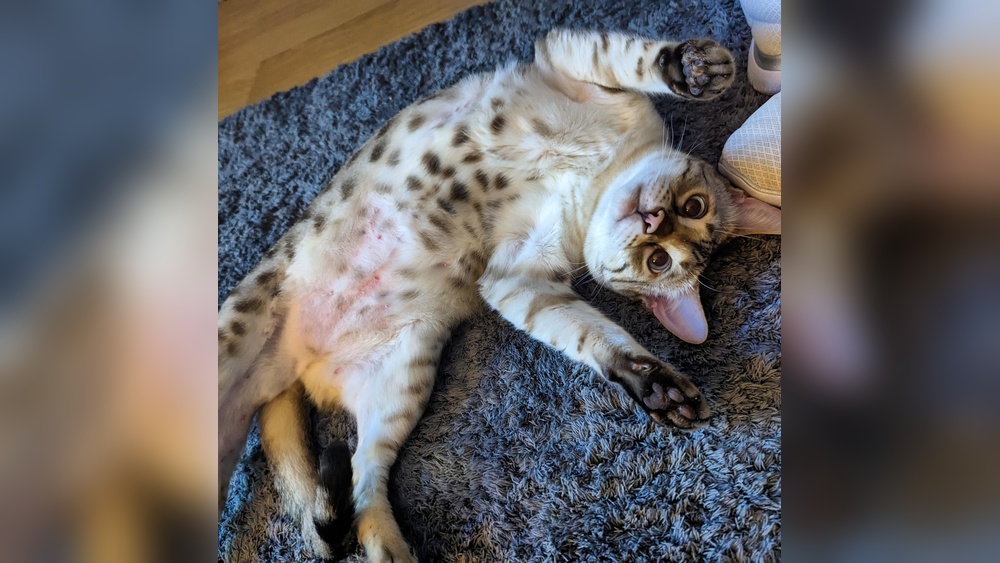
Is your female cat spending too much time licking or biting her fur? Over grooming can be more than just a quirky habit—it might be a sign that something is bothering her.
You might wonder why she’s doing this and what it means for her health. Understanding why your cat is over grooming is the first step to helping her feel comfortable and happy again. Keep reading to discover the surprising reasons behind this behavior and what you can do to support your furry friend.
Signs Of Over Grooming
Over grooming in female cats can signal health or emotional issues. Recognizing the signs early helps you support your pet better. Watch for changes in behavior and physical symptoms. These signs show your cat may need help.
Common Symptoms
Excessive licking or biting of fur is a common symptom. Bald patches or thin fur often appear on the belly or legs. Red, inflamed skin can develop where your cat grooms too much. You might notice scabs or sores from constant licking.
Behavioral Changes
Your cat may seem restless or anxious more often. She might hide or avoid contact with people. A sudden increase in grooming can replace normal play or sleep. Changes in appetite or energy levels also occur.
Physical Effects
Skin irritation and hair loss are clear physical effects. The affected areas may become dry or flaky. Sometimes, wounds from over grooming get infected. Your cat’s coat may look dull or uneven in texture.
:strip_icc()/how-to-stop-cat-over-grooming-554052-02-292560d5fa1542458556eff312f669d7.jpg)
Credit: www.thesprucepets.com
Health Causes
Health problems often cause female cats to groom themselves too much. This behavior is a sign that something may hurt or bother her skin or body. Understanding health causes helps you find the right solution and keep your cat comfortable.
Skin Allergies
Skin allergies are common in cats. They cause itching and redness. Your cat may lick or bite the itchy spots a lot. Allergies can come from food, pollen, or dust. Treating allergies can stop the over grooming.
Parasite Infestations
Parasites like fleas and mites make cats very itchy. Your cat will try to remove them by licking and scratching. These pests can cause skin infections if not treated. Check your cat for parasites to stop the itching fast.
Pain And Discomfort
Pain can make a cat groom more than usual. Injuries or arthritis cause discomfort. Grooming helps your cat soothe the pain. Watch for swollen or tender areas on her body. A vet can help find and treat the pain source.
Emotional Triggers
Emotional triggers play a big role in why your female cat might be over grooming. Cats express feelings through their behavior. Over grooming often signals emotional discomfort. Understanding these triggers helps you support your cat better.
Stress And Anxiety
Stress and anxiety are common causes of over grooming. Loud noises, new people, or other pets can upset your cat. She may lick or chew her fur to feel calmer. This behavior is a way to cope with nervous feelings.
Boredom And Lack Of Stimulation
Bored cats often groom themselves too much. Without enough toys or playtime, they get restless. Over grooming becomes a way to pass time. Keeping your cat busy reduces this habit.
Changes In Environment
Moving to a new home or rearranging furniture can upset your cat. Changes in her surroundings cause stress. She may start over grooming as a reaction. Cats need time to adjust to new environments.
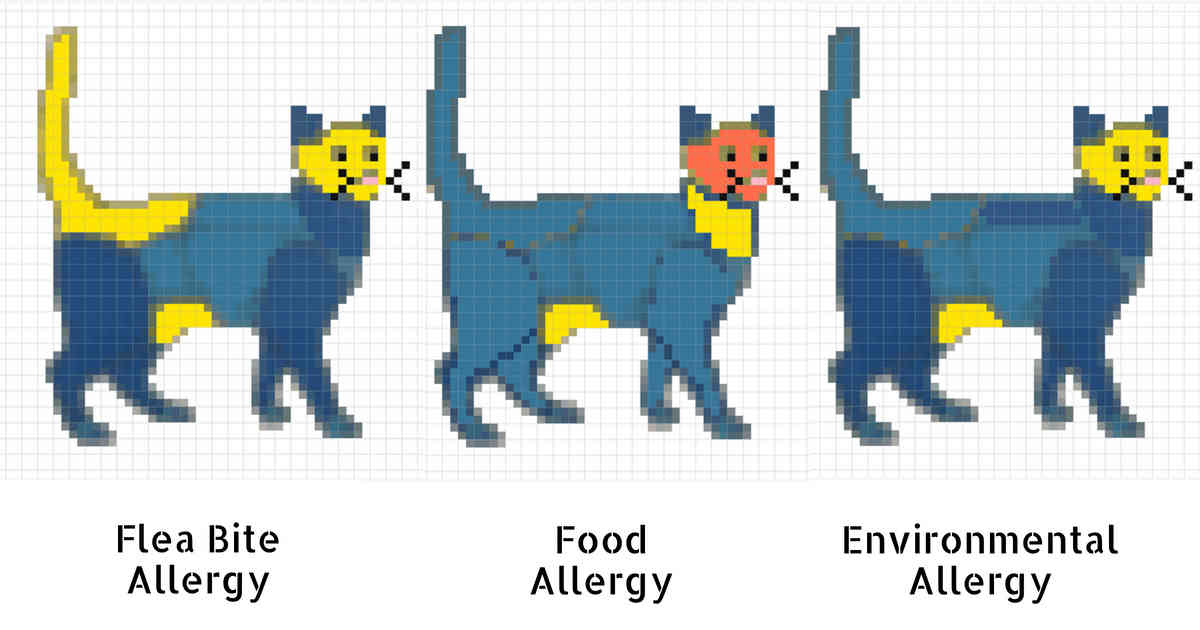
Credit: www.walkervillevet.com.au
Hormonal Factors
Hormonal changes play a big role in a female cat’s grooming habits. These shifts can cause her to groom more than usual. Understanding these factors helps identify why your cat over grooms. Hormones affect her mood, skin, and behavior. This can lead to excessive licking or grooming in certain spots. Let’s explore how hormones influence this behavior.
Estrus Cycle Influence
During her estrus cycle, female cats have high hormone levels. These hormones can make her restless and anxious. She may groom more to soothe herself. This cycle happens every few weeks in unspayed cats. Grooming may focus on her belly or genital area. The behavior is a response to discomfort or stress from the cycle.
Spaying And Hormonal Balance
Spaying removes the ovaries, stopping hormone production. This helps balance her hormones and reduce over grooming. Many cats calm down after spaying. The risk of hormone-driven skin issues also drops. Spaying is a common solution to control excessive grooming caused by hormones. It improves her overall comfort and health.
Expert Treatment Options
Expert treatment options help manage female cat over grooming effectively. Proper care starts with understanding the root cause. Treatments vary based on diagnosis and symptoms. Early intervention improves recovery chances and comfort for your cat.
Veterinary Diagnosis
A vet examines your cat to find the cause of over grooming. They check skin, fur, and overall health. Tests may include skin scrapings or allergy checks. Accurate diagnosis guides the right treatment plan. Never skip this step for best results.
Medications And Topical Treatments
Medications reduce itching and inflammation. Vets may prescribe antihistamines, steroids, or antibiotics. Topical creams and sprays soothe irritated skin. Follow the vet’s instructions carefully. Proper use helps stop over grooming and heal the skin.
Behavioral Therapy
Stress and anxiety often cause over grooming. Behavioral therapy helps calm your cat’s mind. Techniques include environmental enrichment and interactive play. Pheromone diffusers may reduce stress signals. Behavior changes support long-term relief and well-being.
Preventive Measures
Preventive measures help stop over grooming in female cats early. They keep your cat healthy and happy. These steps reduce stress and improve her well-being. A calm cat grooms less. Regular care is key to avoiding problems.
Environmental Enrichment
Provide toys and climbing spaces for your cat. Change toys often to keep her interested. A window perch lets her watch outside safely. Play with your cat daily to keep her active. A busy cat spends less time grooming.
Regular Health Checkups
Visit the vet regularly to catch health issues early. Skin problems and parasites can cause over grooming. Dental checks matter too, as pain affects behavior. Early treatment stops problems from getting worse. Keep vaccinations and parasite control up to date.
Stress Reduction Techniques
Create a quiet, safe space for your cat to relax. Use calming sprays or diffusers designed for cats. Maintain a routine for feeding and playtime. Avoid loud noises and sudden changes in the home. A calm environment lowers stress and reduces grooming.

Credit: www.reddit.com
Frequently Asked Questions
Why Is My Female Cat Over Grooming Herself?
Female cats over groom due to stress, allergies, or skin infections. Excessive licking can cause hair loss and irritation. Identifying the cause helps treat the behavior effectively.
Can Anxiety Cause A Female Cat To Over Groom?
Yes, anxiety is a common cause of over grooming in female cats. Stressful environments or changes can lead to excessive licking. Reducing anxiety often improves grooming habits.
What Health Issues Lead To Over Grooming In Cats?
Health issues like fleas, allergies, or skin infections can cause over grooming. These conditions cause itching or discomfort, prompting cats to lick excessively. A vet check is essential for proper diagnosis.
How Can I Stop My Cat From Over Grooming?
To stop over grooming, identify the cause first. Provide a calm environment, treat any medical issues, and use distraction techniques. Consult a vet for persistent or severe cases.
Conclusion
Over grooming in female cats can signal stress or health issues. Watch your cat’s behavior closely. Provide a calm and safe space for her. A visit to the vet helps find any medical problems. Use gentle grooming to reduce her anxiety.
Small changes can make a big difference. Understanding her needs improves her comfort and happiness. Stay patient and consistent with care. Your cat will feel better with your support.