
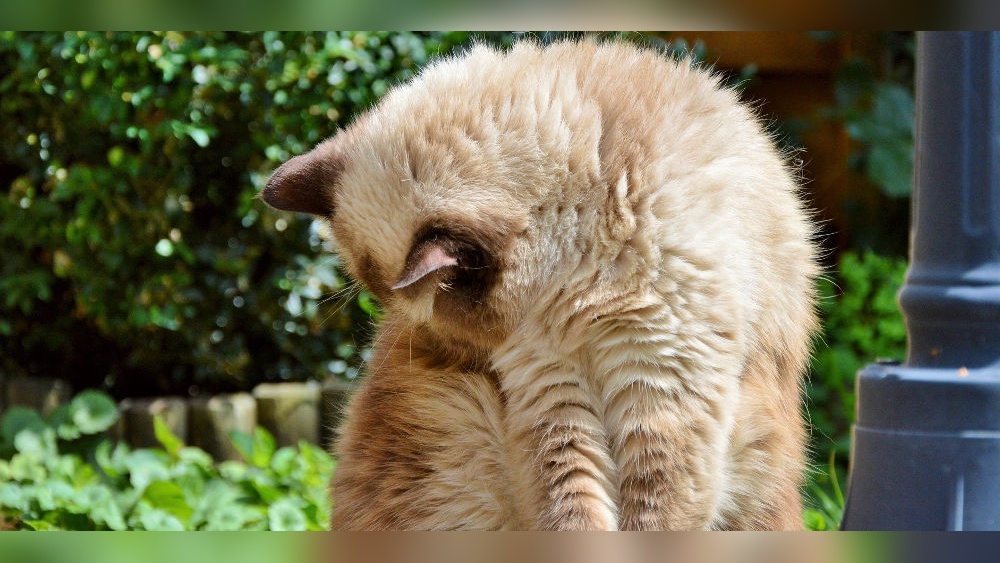
Have you noticed your cat’s coat looking dull or messy lately? It might be a sign that your furry friend isn’t grooming themselves properly.
Grooming is essential for a cat’s health and happiness, so knowing how to tell if your cat isn’t grooming can help you catch problems early. You’ll discover the clear signs to watch for and learn what you can do to help your cat feel their best again.
Keep reading to protect your pet’s well-being before small issues turn into serious ones.
Signs Of Poor Grooming
Cats usually keep themselves clean by grooming daily. This helps them stay healthy and comfortable. When a cat stops grooming, it may show signs that need your attention. Recognizing these signs early can help your cat get the care it needs.
Mattes And Tangles
Matted fur is a clear sign your cat is not grooming. These thick clumps of hair can pull on the skin. They cause pain and discomfort. Tangled fur looks messy and rough. Cats usually prevent mats by licking their coat.
Dull Or Greasy Coat
A healthy cat’s coat shines and feels soft. A dull or greasy coat means grooming is lacking. Greasy fur feels oily to the touch. It can attract dirt and dust. This condition shows your cat is not cleaning itself properly.
Excessive Shedding
All cats shed fur, but excessive shedding is a problem. It can happen when cats stop grooming well. Loose fur stays stuck to the skin. Without grooming, shedding fur builds up and looks unhealthy.
Unpleasant Odor
A clean cat usually has little or no smell. A bad odor can mean poor grooming. The smell may come from dirt, oils, or skin infections. This odor is a sign that your cat needs help to clean itself.

Credit: www.walmart.com
Behavioral Clues
Behavioral clues help identify if your cat is not grooming itself properly. Cats usually spend a good part of their day cleaning their fur. Changes in this behavior can signal health or emotional problems.
Watching your cat closely can reveal signs of grooming issues. Small changes in habits often show early problems. This section explains key behaviors to watch for.
Reduced Grooming Time
Normally, cats groom several times daily. A sudden drop in grooming time is a red flag. Your cat may spend less time licking or cleaning its fur. This can lead to dirty or matted patches. Reduced grooming often shows discomfort or illness.
Avoidance Of Grooming Activities
Some cats stop grooming certain body parts. They might avoid licking their belly or back legs. This avoidance can indicate pain or mobility issues. Watch if your cat hides or refuses to groom. Such behavior often needs vet attention.
Increased Scratching Or Biting
Cats may scratch or bite more if they feel itchy or irritated. This can mean skin problems or parasites. Excessive scratching causes wounds or hair loss. Notice if your cat’s grooming changes to biting or scratching. This shift often points to discomfort or allergies.
Health Issues Affecting Grooming
Cats usually keep themselves clean by grooming daily. A sudden stop or less grooming can signal health problems. Illness or pain often causes this change. Understanding these health issues helps you care better for your cat.
Dental Problems
Pain from dental disease can stop cats from grooming. Sore teeth or gums make it hard to lick. Bad breath or drooling may also appear. Check your cat’s mouth for swelling or redness. Regular dental care prevents many grooming problems.
Arthritis And Mobility Issues
Older cats often suffer from arthritis. Joint pain makes bending or stretching difficult. Grooming areas like the back or belly become unreachable. Watch for stiffness or slower movements. Gentle exercise and vet care ease their pain.
Skin Infections Or Parasites
Infections and parasites cause itching and discomfort. Cats may avoid grooming sore spots. Look for redness, scabs, or hair loss. Fleas and mites are common causes. Quick treatment stops infections from worsening.
Stress And Anxiety
Stress affects a cat’s grooming habits. Changes in environment or routine increase anxiety. Some cats stop grooming, others over-groom. Signs include hiding or aggression. Calm spaces and gentle attention help reduce stress.
When To Seek Veterinary Help
Knowing when to seek veterinary help is crucial for your cat’s health. Grooming is a key sign of well-being in cats. Changes in grooming habits can signal health issues. Early action can prevent serious problems.
Persistent Grooming Neglect
Notice if your cat stops grooming for several days. Dirt, mats, and oily fur may appear. This is not normal behavior. Persistent grooming neglect can mean illness or pain. Visit a vet to check for underlying causes.
Visible Skin Lesions
Look for redness, sores, or scabs on your cat’s skin. These spots may be from scratching or biting. Skin lesions can cause discomfort and infection. Your vet can diagnose and treat skin problems promptly.
Changes In Appetite Or Behavior
Watch for loss of appetite or hiding more than usual. Sudden mood changes may also occur. Such signs often accompany grooming problems. A vet visit helps find the root cause and offers relief.
Helping Your Cat Groom
Helping your cat groom is important for their health and happiness. Cats may stop grooming for many reasons. You can support them by making grooming easier and more comfortable.
Simple steps can improve your cat’s grooming habits. These steps also strengthen your bond with your pet.
Regular Brushing
Brush your cat often to remove loose fur and dirt. Use a soft brush made for cats. Brushing helps prevent hairballs and skin problems. It also feels good to your cat. Start brushing gently and watch your cat’s reaction.
Creating A Comfortable Environment
Make sure your cat has a quiet, safe place to groom. Avoid loud noises or sudden movements. Provide soft bedding and easy access to water. A calm space encourages your cat to relax and groom itself.
Addressing Health Problems
Check for signs of illness or pain. Cats may stop grooming if they feel sick. Look for skin issues, lumps, or limping. Visit a vet if you notice changes in behavior or grooming. Treating health problems helps your cat feel better and groom again.

Credit: luckydawgsalongrooming.com
Credit: www.petscare.com
Frequently Asked Questions
How Can I Tell If My Cat Is Not Grooming?
Look for matted fur, greasy coat, or bald patches. Cats usually keep themselves clean and tidy.
What Causes A Cat To Stop Grooming Itself?
Health issues, stress, pain, or obesity can stop grooming. Consult a vet for proper diagnosis and treatment.
Can Lack Of Grooming Affect My Cat’s Health?
Yes, poor grooming leads to skin infections and discomfort. Regular grooming is vital for your cat’s well-being.
How Often Should A Cat Groom Itself Daily?
Cats groom themselves several times a day, usually up to 50% of their waking hours. Changes may signal problems.
Conclusion
Cats that stop grooming often need help and care. Watch for signs like dirty fur or bad smell. These clues show your cat might feel pain or stress. Acting quickly can prevent bigger health problems. Keep your pet comfortable and safe by checking regularly.
A clean, happy cat is a healthy cat. Stay patient and gentle while helping your furry friend. Small steps make a big difference in their well-being.