
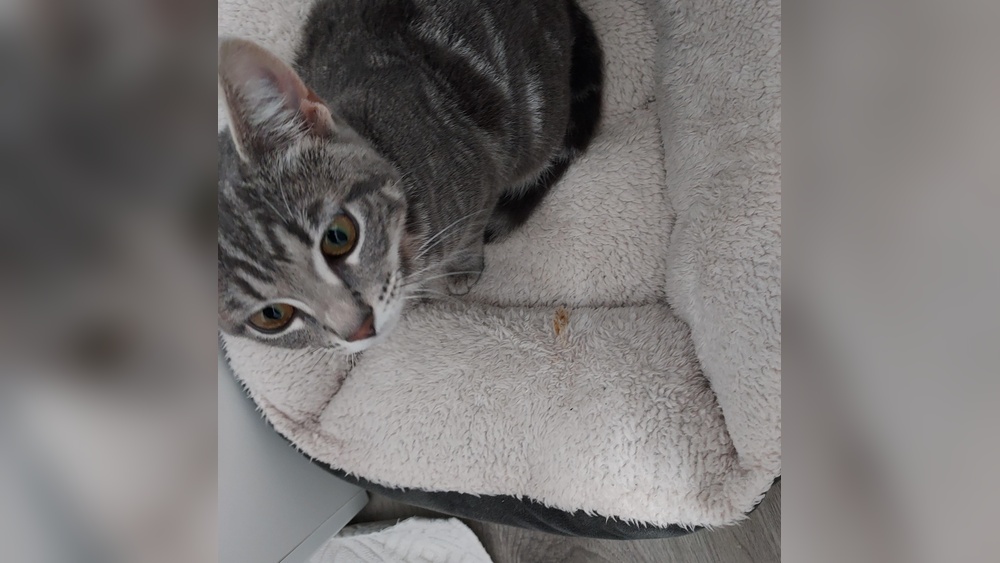
Have you ever noticed your cat neglecting to groom his butt? It might seem odd or even a little gross, but this behavior can tell you a lot about your furry friend’s health and comfort.
If you’re wondering why your cat isn’t cleaning himself properly, you’re not alone—and understanding the reasons behind it can help you take the right steps to keep your pet happy and healthy. Keep reading to discover the surprising causes and what you can do to help your cat feel his best.

Credit: www.reddit.com
Common Grooming Habits
Cats spend a good part of their day cleaning themselves. Grooming is a natural habit that helps them stay clean and healthy. They use their tongue to lick their fur, removing dirt and loose hair. Grooming also helps cats feel calm and relaxed. Understanding common grooming habits can explain why some areas might get less attention.
Normal Cat Grooming Behavior
Cats lick their bodies many times a day. They clean their face, neck, and front legs first. Then, they move to their back and sides. Grooming helps spread natural oils in their fur. This keeps their coat soft and shiny. Cats also use their teeth to nibble on knots or mats in their fur.
Areas Cats Typically Clean
Cats clean most parts of their body carefully. Their face, ears, and front legs get the most attention. They reach their back and sides easily with their tongue. The tail is also groomed regularly. Some cats avoid cleaning their rear end well. This can be due to age, health, or flexibility issues. Normal grooming usually covers most body parts except sometimes the very back.
Credit: www.reddit.com
Possible Health Issues
Cats usually keep themselves very clean. Grooming is a natural habit. But sometimes, a cat may avoid cleaning certain areas. The butt is a common spot they might skip. This behavior can signal health problems. Understanding these issues helps you care for your pet better.
Anal Gland Problems
Cats have small anal glands near their anus. These glands release a scent for marking. Sometimes, the glands get blocked or infected. This causes discomfort or pain. A cat may stop grooming to avoid the pain. Signs include scooting or licking the area a lot. A vet can check and treat anal gland problems.
Infections And Parasites
Infections can cause itching and irritation around the butt. Parasites like fleas or worms also cause discomfort. Cats may avoid cleaning if the area hurts. Look for redness, swelling, or unusual smell. Parasite infestations need prompt treatment. Keeping your cat clean and parasite-free is key.
Arthritis And Mobility Issues
Older cats often develop arthritis. This makes movement painful or stiff. Grooming the rear area requires flexibility and stretching. Cats with arthritis may skip this step. Watch for signs of stiffness or reluctance to jump. Gentle care and vet advice help manage arthritis pain. This improves your cat’s grooming habits.
Behavioral Causes
Behavioral causes can explain why your cat avoids grooming its rear. Cats are sensitive animals. Their behavior changes with their feelings and surroundings. Grooming is a natural habit, but stress or confusion can stop it.
Stress And Anxiety Effects
Stress affects a cat’s grooming habits. Cats may stop grooming if they feel scared or nervous. Loud noises, new people, or other pets can cause stress. Anxiety makes cats focus on hiding or staying still. Grooming the butt might seem less important to them. Stress can even cause skin problems, making grooming painful.
Change In Routine Or Environment
Cats like routine and familiar places. Moving to a new home can confuse them. Changes in feeding time or litter box location can upset cats. Such changes may make a cat stop grooming. The cat may feel unsafe or unsure. It might take time for them to adjust and start grooming again.
Diet And Digestion Impact
Diet and digestion play a big role in a cat’s grooming habits. What a cat eats affects its comfort and cleanliness. Poor digestion or a bad diet can make grooming hard or painful. This often shows around sensitive areas like the butt. Understanding these effects helps you care for your cat better.
Dietary Causes Of Discomfort
Some foods cause stomach upset in cats. Low-quality ingredients or sudden diet changes can cause irritation. This discomfort makes cats avoid cleaning their rear. Spicy or rich foods may lead to itching or soreness. Cats might also eat too fast, causing digestion trouble. A balanced diet with proper nutrients helps prevent these issues.
Constipation And Diarrhea Effects
Constipation makes bowel movements painful for cats. Hard stools irritate the skin near the anus. Cats may avoid licking the area due to pain. Diarrhea leads to constant soiling and discomfort. This can cause skin inflammation and bad odor. Both conditions affect grooming habits and overall hygiene. Regular vet visits and a good diet can ease these problems.
When To See A Vet
Noticing your cat avoiding grooming its rear can signal health issues. Knowing when to visit a vet helps catch problems early. Some signs show your cat needs professional care right away.
Signs Of Serious Problems
Look for swelling or redness around your cat’s butt. Foul smell or discharge also means trouble. Your cat may lick the area often or seem in pain. Constipation or diarrhea can stop proper grooming. Sudden behavior changes or loss of appetite matter too. These signs need urgent vet attention.
Diagnostic Tests And Treatments
The vet may examine your cat’s skin and fur closely. They might take samples to check for infection or parasites. X-rays or ultrasounds help find internal problems. Treatment depends on the diagnosis. It can include medication, cleaning, or minor surgery. The vet will guide you on care at home.

Credit: www.reddit.com
Home Remedies And Care Tips
Sometimes cats stop grooming certain areas, like their butt. This can cause discomfort and hygiene problems. Home remedies and simple care tips help keep your cat clean and comfortable. These steps support your cat’s health and well-being.
Cleaning And Hygiene Assistance
Use a soft, damp cloth to gently clean your cat’s rear area. Warm water works best. Wipe carefully and avoid rubbing hard. This helps remove dirt and prevents infections. You can also try pet-safe wipes. Never use harsh chemicals or soaps. Trim long fur around the area. This reduces matting and keeps the spot cleaner.
Improving Comfort And Mobility
Some cats avoid grooming if they feel pain or stiffness. Help your cat move comfortably by checking for joint issues. Give gentle massages to ease stiffness. Keep your cat’s nails trimmed to avoid discomfort. Provide soft bedding and warm spots to rest. Play with your cat to encourage movement. Physical activity supports better grooming habits.
Frequently Asked Questions
Why Does My Cat Avoid Grooming His Butt?
Cats may avoid grooming their butt due to pain, obesity, or arthritis. Medical issues like infections or anal gland problems can also cause discomfort. Consult a vet if your cat shows reluctance to groom this area.
Can Obesity Affect My Cat’s Grooming Habits?
Yes, obesity can limit your cat’s flexibility and make grooming difficult. Overweight cats may struggle to reach their rear, leading to poor hygiene. Maintaining a healthy weight helps improve grooming ability.
What Health Problems Cause Grooming Neglect In Cats?
Health issues like dental pain, arthritis, or skin infections can reduce grooming. Anal gland infections or parasites may cause discomfort, leading cats to avoid cleaning their butt. Regular vet check-ups help detect these problems early.
How Do I Help My Cat Groom Hard-to-reach Areas?
Gently assist your cat by cleaning the area with pet-safe wipes or a damp cloth. Regular brushing and vet visits can prevent grooming issues. Avoid forcing grooming, as it may stress your cat.
Conclusion
Cats may skip grooming their rear for many reasons. Health issues like arthritis or pain can stop them. Stress or changes in their environment can also affect habits. Sometimes, a dirty or matted fur area makes grooming hard. Watching your cat closely helps spot problems early.
Regular vet visits ensure your cat stays healthy. Helping your cat stay clean keeps them happy and comfortable. Pay attention to their grooming habits. Small changes might mean your cat needs help. Taking action early supports their well-being.