
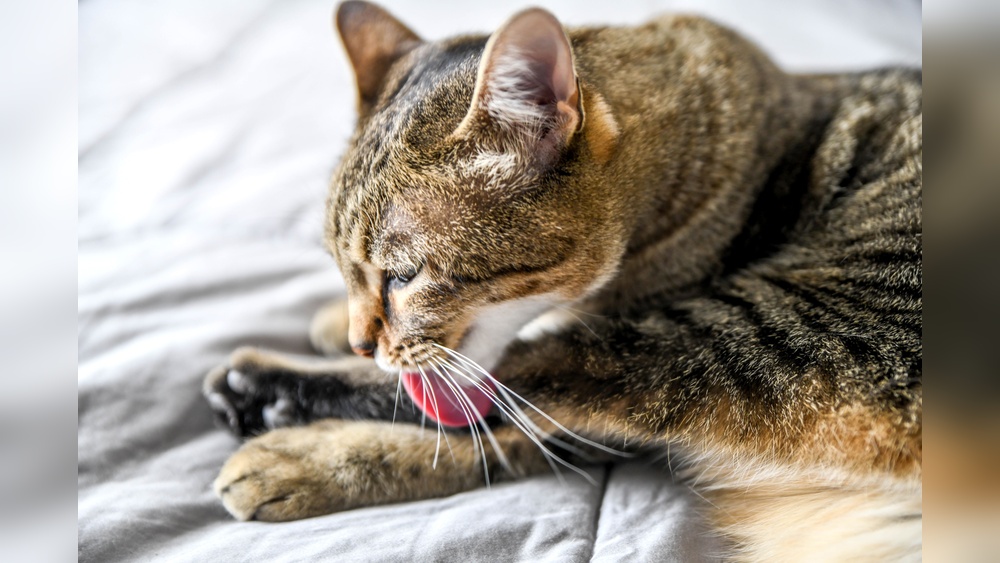
Is your cat constantly licking or biting itself, leaving bald spots or irritated skin? You might be dealing with compulsive grooming—a frustrating problem that affects many cats and worries their owners.
But don’t worry, you’re not alone, and there are simple steps you can take to help your furry friend feel comfortable again. You’ll discover why your cat grooms excessively and, most importantly, how to stop this behavior before it causes serious harm.
Keep reading to learn practical tips that can make a real difference in your cat’s life—and yours.
Credit: www.zoetispetcare.com
Causes Of Compulsive Grooming
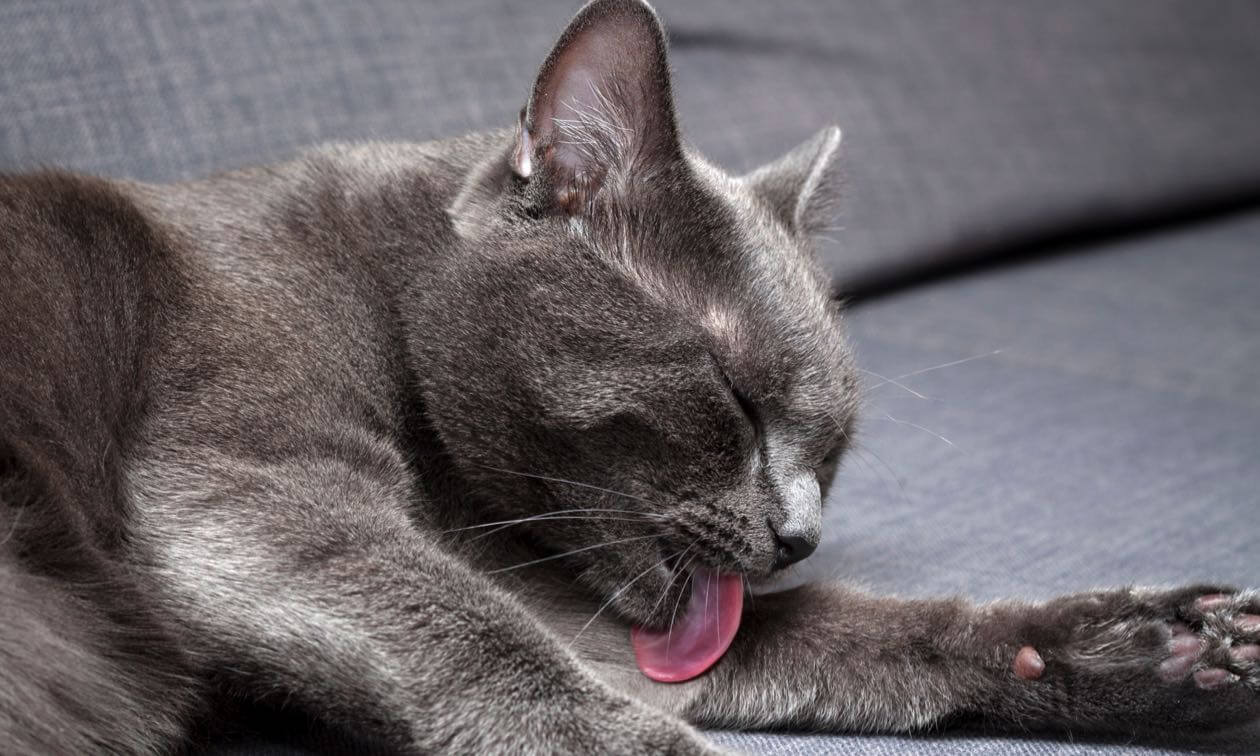
Compulsive grooming in cats happens when they lick or chew their fur too much. This behavior can cause bald spots and skin problems. Understanding the causes helps to stop this problem early. Several factors may trigger this behavior. Knowing these can guide proper care and treatment.
Stress And Anxiety Factors
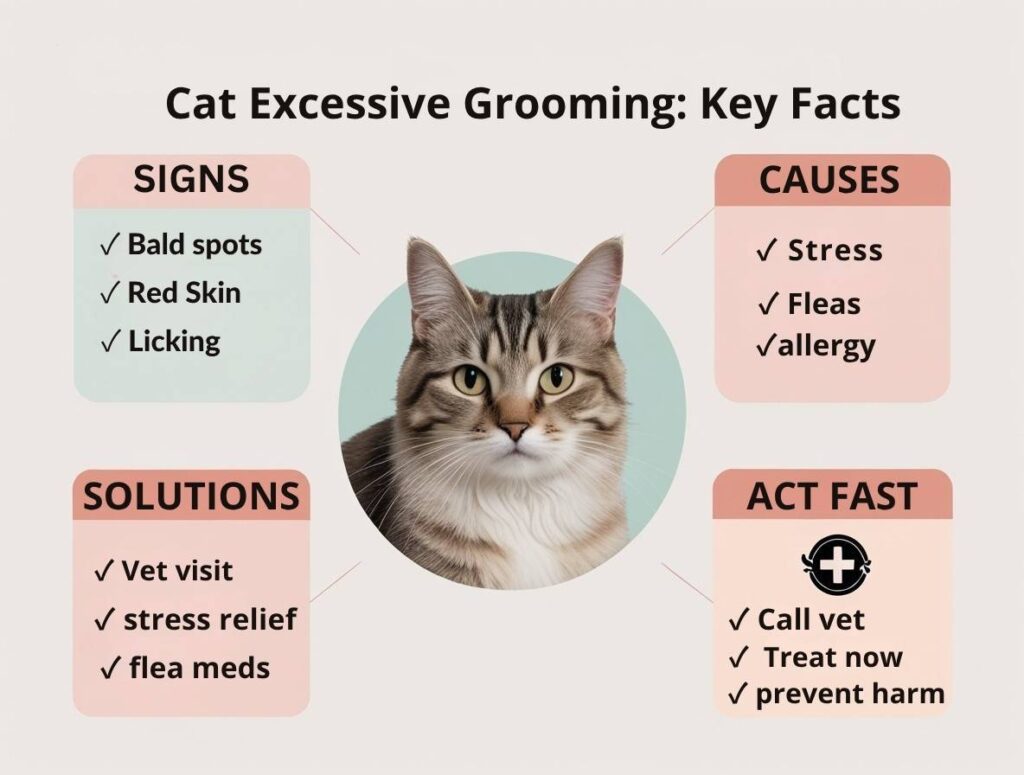
Stress often leads cats to groom themselves excessively. Changes like moving to a new home or new pets can upset them. Loud noises or lack of attention may cause anxiety. Grooming becomes a way for cats to calm down.
Medical Issues
Some health problems cause cats to groom too much. Skin allergies or infections can make their skin itchy. Parasites like fleas also trigger this behavior. Pain or discomfort from arthritis might lead to over-grooming too.
Environmental Triggers
Environmental changes affect a cat’s grooming habits. Poor living conditions or dirty litter boxes stress cats. Lack of toys or space to play can cause boredom. These triggers push cats to groom themselves more than normal.

Credit: www.torontohumanesociety.com
Recognizing The Signs
Recognizing the signs of compulsive grooming in cats helps catch the problem early. Early detection can prevent serious health issues. Cats groom themselves every day, but too much grooming signals stress or health problems. Knowing what to watch for keeps your cat safe and happy.
Behavioral Indicators
Watch for repeated licking or biting of the same spot. Cats may groom until the skin is red or raw. Notice if your cat hides or acts restless. Sudden changes in behavior can mean discomfort. Your cat might lick during quiet moments or after stressful events. Pacing or excessive scratching also hints at grooming issues.
Physical Symptoms
Look for bald patches or thinning fur on your cat’s body. Skin may appear irritated, inflamed, or scaly. Small wounds or scabs can form from constant licking. Sometimes, the skin looks shiny or greasy from over-grooming. Your cat may also have hairballs more often than usual. These signs show the grooming is harming the skin and fur.
Veterinary Evaluation
Veterinary evaluation is the first step to stop compulsive grooming in cats. A vet can find the cause behind the behavior. Health problems often lead to excessive grooming. Detecting these issues early helps your cat feel better quickly.
Rule Out Health Problems
The vet checks for infections, parasites, and injuries. These problems cause itching and discomfort. Cats groom more to soothe the pain. Blood tests and physical exams help find hidden issues. Treating these problems can reduce grooming.
Allergy Testing
Allergies often cause skin irritation in cats. The vet may suggest allergy tests. These tests identify food or environmental triggers. Avoiding allergens stops the cat from itching. Reducing allergies lowers compulsive grooming habits.
Skin And Coat Examination
The vet carefully inspects your cat’s skin and fur. They look for redness, sores, or hair loss. These signs show where grooming is excessive. The exam helps pinpoint the problem area. Proper treatment starts with a thorough check.
Credit: doctorgroomer.com
Behavioral Strategies
Behavioral strategies help manage and reduce compulsive grooming in cats. These methods focus on changing your cat’s daily routine and environment. The goal is to keep your cat busy, calm, and happy. This reduces their need to groom excessively.
Environmental Enrichment
Changing your cat’s environment can reduce boredom and anxiety. Add scratching posts, climbing trees, and cozy resting spots. Place these items in quiet and sunny areas. Cats feel safer and more relaxed with good hiding places. Rotate toys regularly to keep your cat interested. These small changes make your cat’s space more fun and engaging.
Interactive Playtime
Spend time playing with your cat each day. Use toys like feather wands or laser pointers to encourage movement. Play helps your cat use energy and focus on fun. It also strengthens your bond with your pet. Short play sessions, two to three times daily, work best. Play reduces stress and stops your cat from grooming out of boredom.
Reducing Stress Triggers
Identify things that upset your cat. Loud noises, new pets, or changes in routine can cause stress. Keep a calm and predictable environment. Use pheromone diffusers to create a soothing atmosphere. Give your cat safe places to retreat during stressful times. Reducing stress lowers the chance your cat will groom compulsively.
Medical Treatments
Medical treatments help manage compulsive grooming in cats. These treatments target the root causes. They often work well alongside behavior changes. Consult a vet to find the best option for your cat.
Each cat is unique. Treatment plans must fit their specific needs. Some cats need medication, while others benefit from diet changes or topical therapies.
Medications For Anxiety
Many cats groom excessively due to anxiety. Vets may prescribe anti-anxiety medicines. These drugs reduce stress and calm the cat. They help break the cycle of over-grooming. Always follow the vet’s instructions carefully.
Topical Therapies
Topical treatments soothe irritated skin caused by grooming. These include sprays, creams, or ointments. They reduce itching and promote healing. Using these therapies stops cats from licking sore spots. This helps the skin recover faster.
Supplements And Diet Changes
Supplements can support skin and coat health. Omega-3 fatty acids often reduce inflammation and dryness. Changing a cat’s diet may improve overall wellness. High-quality food helps strengthen the skin barrier. A healthy diet can lower grooming urges.
Preventive Measures
Preventive measures help reduce compulsive grooming in cats. These actions support your cat’s well-being and keep their skin healthy. Small changes in daily care can make a big difference. Focus on creating a calm and safe environment for your cat. This lowers stress and stops excessive licking or biting.
Regular Grooming Routines
Brush your cat gently every day. This removes loose fur and dirt. It also helps your cat feel relaxed. Regular grooming prevents skin problems that cause itching. Use a soft brush made for cats. Check for any redness or hair loss during grooming. This early check helps catch issues before they get worse.
Safe Spaces For Cats
Give your cat quiet areas to rest. Safe spaces reduce stress and anxiety. Use soft bedding and keep these spots away from loud noise. Cats love high places or cozy corners. Provide hiding places where your cat feels secure. A calm environment lowers the chance of compulsive grooming.
Consistent Daily Schedules
Keep feeding and playtimes at the same hours each day. Cats feel safer with routine. Predictable schedules reduce stress and boredom. Bored cats often groom themselves too much. Regular play sessions help burn energy. This stops restlessness and obsessive licking.
When To Seek Professional Help
Compulsive grooming in cats can cause serious skin damage and stress. Sometimes, home care is not enough to solve the problem. Professional help offers the right support and treatment to stop this behavior.
Knowing when to seek help is important. If your cat keeps over-grooming, losing fur, or showing signs of pain, it is time to contact experts. They can find the cause and guide you on the best steps.
Behaviorists And Trainers
Animal behaviorists study why cats groom too much. They find triggers like stress or anxiety. These experts create plans to change your cat’s habits. Training and environmental changes can calm your cat and reduce grooming.
Behaviorists also teach you how to handle your cat gently. They help improve your cat’s mental health. This approach is key to stopping compulsive grooming safely.
Follow-up Veterinary Care
Vets check your cat for medical problems linked to grooming. Skin infections, allergies, or parasites can cause itching and pain. Vets provide medicines and treatments to heal your cat’s skin.
Regular vet visits track your cat’s progress. They adjust treatments if needed. Follow-up care ensures your cat recovers fully and avoids future grooming issues.
Frequently Asked Questions
What Causes Compulsive Grooming In Cats?
Compulsive grooming in cats is often caused by stress, anxiety, allergies, or skin irritations. It can also result from boredom or underlying medical issues. Identifying the cause is essential for effective treatment and to prevent further harm to your cat’s skin and fur.
How Can I Reduce My Cat’s Grooming Behavior?
To reduce excessive grooming, provide mental stimulation and regular playtime. Use calming products like pheromone diffusers, and ensure a stress-free environment. Consult a vet to rule out allergies or health problems that might trigger the behavior.
When Should I See A Vet For Grooming Issues?
See a vet if your cat grooms excessively, causing bald patches, wounds, or skin infections. Persistent licking or biting may indicate medical or psychological issues that need professional diagnosis and treatment.
Can Diet Affect My Cat’s Grooming Habits?
Yes, poor nutrition or food allergies can lead to skin problems, causing over-grooming. Feeding a balanced, hypoallergenic diet may help reduce irritations and improve your cat’s coat health, minimizing compulsive grooming.
Conclusion
Stopping compulsive grooming in cats takes patience and care. Watch your cat’s behavior every day. Provide a calm and safe environment. Offer toys and playtime to reduce stress. Consult your vet if grooming stays a problem. Small changes can make a big difference.
Your cat will feel happier and healthier. Keep loving and caring for your furry friend.