
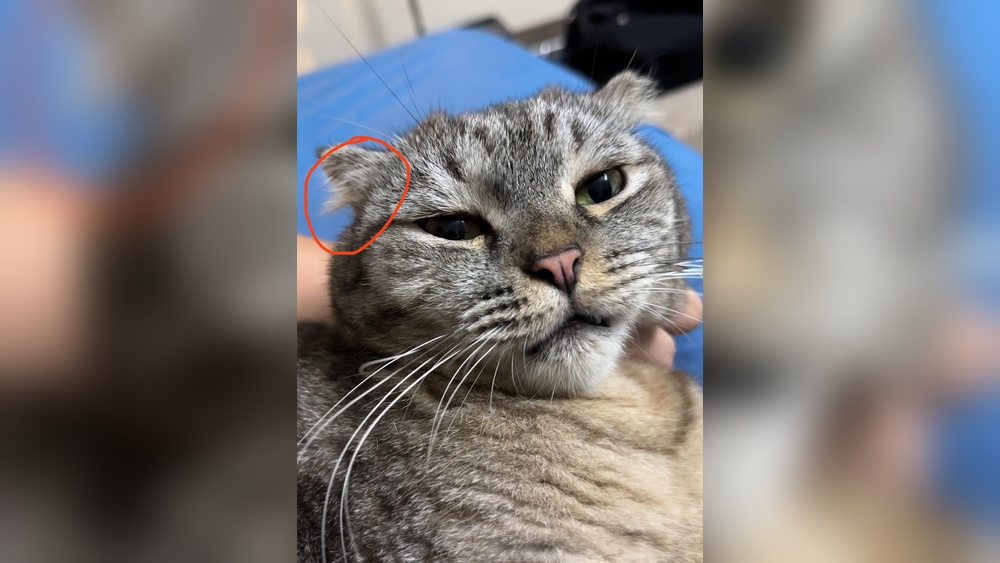
Have you ever noticed those tiny hairs sticking out of your cat’s ears and wondered if you should trim them? You might be asking yourself, “Is it okay to groom my cat’s ear hairs?”
It’s a question many pet owners face, and getting it right is important for your cat’s comfort and health. You’ll discover when grooming those ear hairs helps and when it might cause more harm than good. Keep reading to learn how to care for your furry friend’s ears safely and confidently.
Why Cat Ear Grooming Matters
Caring for your cat’s ears is more important than many realize. Grooming the ear hairs helps keep your cat comfortable and healthy. Clean ears reduce the risk of infections and irritations. Regular checks and grooming can spot problems early. This simple care routine supports your cat’s overall well-being.
Health Benefits For Your Cat
Grooming ear hairs improves air flow inside the ears. It helps prevent dirt and wax buildup. Removing excess hair lowers the chance of infections. Clean ears reduce itching and scratching. Healthy ears mean less stress and pain for your cat. Grooming also helps you notice parasites early. It keeps your cat happy and active.
Common Ear Issues In Cats
Cats often face ear mites, infections, and wax buildup. Ear mites cause itching and discomfort. Infections lead to redness and bad odor. Wax buildup can block the ear canal. These problems worsen without proper grooming. Left untreated, ear issues cause pain and hearing loss. Regular grooming helps catch these problems fast.
Credit: www.zoetispetcare.com
When To Trim Ear Hairs
Trimming your cat’s ear hairs can help keep their ears clean and healthy. Not all cats need their ear hairs trimmed often. Knowing the right time to groom these hairs is important. This helps avoid hurting your cat or causing ear problems.
Signs Your Cat Needs Grooming
Check your cat’s ears for signs of long, tangled hairs. If the hair blocks the ear canal, it may trap dirt and wax. Your cat might scratch ears more or shake its head often. Look for redness or bad smell, which means an infection might be starting. These signs show your cat needs ear hair grooming.
Frequency Of Ear Hair Maintenance
How often you trim depends on your cat’s breed and hair type. Long-haired cats may need ear hair trimming every few weeks. Short-haired cats usually need less frequent grooming. Keep an eye on your cat’s ears regularly. Trim only when hairs grow long or look messy. This keeps ears clean without causing stress.
Tools For Safe Ear Grooming
Grooming your cat’s ear hairs needs care and the right tools. Proper tools keep your cat safe and comfortable. Using the correct items reduces the risk of injury or irritation. This section covers the best tools for safe ear grooming.
Recommended Grooming Tools
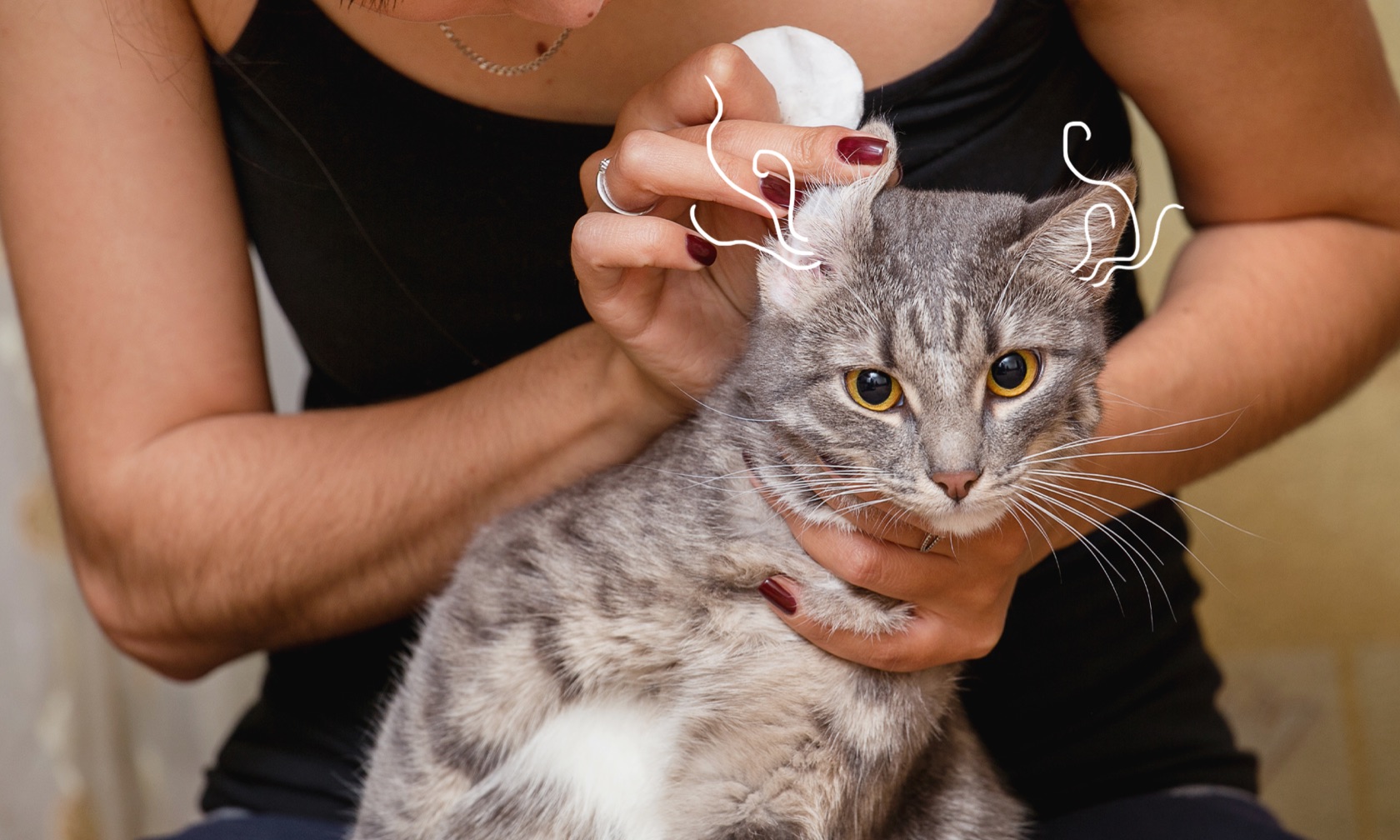
Use small, blunt scissors made for pets. They trim ear hair without cutting the skin. Soft-bristle brushes help remove loose hairs gently. Cotton balls or pads clean the outer ear softly. Avoid using cotton swabs inside the ear canal. Ear cleaning solutions made for cats help remove dirt safely.
Avoiding Harmful Instruments
Never use sharp or pointed scissors near the ear. Avoid metal picks or sticks that can hurt the ear canal. Household tools like tweezers or nail clippers can cause pain or injury. Do not insert anything deep into the ear. Rough tools can lead to infections or damage. Always choose tools designed for pet grooming.

Credit: www.youtube.com
Step-by-step Ear Hair Trimming
Trimming your cat’s ear hair can help keep them clean and comfortable. This task needs care and patience. Follow a simple step-by-step guide to make the process smooth. Your cat will feel better without too much hair blocking their ears.
Preparing Your Cat
Choose a quiet, calm spot for grooming. Sit with your cat on your lap or a soft surface. Gently pet and talk to your cat to relax them. Use a soft cloth to clean the outer ear first. Check for any signs of infection or redness. Have small, rounded scissors or pet grooming trimmers ready.
Safe Trimming Techniques
Hold your cat’s ear flap gently but firmly. Trim only the long, visible hairs sticking out. Avoid cutting too close to the ear canal. Use small, careful snips to prevent accidents. Stop if your cat shows signs of distress or moves suddenly. Take breaks if needed to keep your cat calm.
Post-grooming Care
Check the ears for any cuts or irritation after trimming. Clean the ear edges softly with a damp cloth. Praise and reward your cat with treats or pets. Watch your cat’s ears for a day to ensure no problems arise. Regular grooming helps keep ears healthy and free of excess hair.
Precautions And Common Mistakes
Grooming your cat’s ear hairs needs care and attention. It is important to protect your cat’s ears from harm. Many pet owners make simple mistakes that can cause pain or infection. Knowing the right steps helps keep your cat safe and comfortable.
Understanding what to avoid and how to spot problems early can save your cat from serious ear issues. Always act gently and watch for signs of discomfort or injury during grooming. Careful grooming leads to healthy ears and a happy cat.
What To Avoid During Grooming
Never use sharp scissors or tools near your cat’s ear. Quick movements can cause cuts or scratches. Avoid pulling or tugging on the ear hairs. Do not insert anything deep inside the ear canal. This can damage sensitive skin and cause infections. Avoid over-grooming as it may irritate the skin. Use gentle strokes and stop if your cat shows signs of stress or pain.
Signs Of Ear Injury Or Infection
Watch for redness or swelling around the ear. Check for any unusual discharge or bad smell. Scratching or head shaking may signal irritation. Your cat might tilt its head to one side. If your cat shows pain when you touch its ear, stop grooming immediately. Early detection helps prevent serious problems and ensures quick treatment.
Credit: www.4pawsanimal.com
When To Seek Veterinary Help
Knowing when to seek veterinary help for your cat’s ear hairs is very important. Grooming at home is fine, but some ear issues need a vet’s care. Early attention can stop problems from getting worse. Watch your cat’s ears closely for signs of trouble. Acting fast protects your cat’s health and comfort.
Recognizing Serious Ear Problems
Look for redness or swelling inside the ear. A strong smell or dark discharge is a bad sign. Your cat may scratch the ear often or shake its head. Notice if your cat tilts its head or seems off balance. These signs point to infections or mites. Do not try to clean or groom if you see these. Visit the vet to get proper treatment.
Professional Grooming Options
Some cats need help from professionals for ear care. Groomers trained for cats handle ear hair safely. They know how to avoid hurting the delicate ear skin. Regular visits to a groomer can keep ears clean and healthy. Ask your vet for recommended groomers. This keeps your cat comfortable and reduces ear problems.
Frequently Asked Questions
Is It Safe To Trim My Cat’s Ear Hairs?
Trimming cat ear hairs is generally safe if done carefully. Avoid cutting too close to the skin to prevent injury. Use blunt, pet-safe scissors and ensure your cat is calm. If unsure, consult a veterinarian or professional groomer for guidance.
Why Do Cats Have Hair Inside Their Ears?
Cats have ear hair to protect their ears from dirt, debris, and insects. It acts as a natural barrier, helping to keep their ear canals clean and healthy. This hair also helps regulate ear temperature and prevents moisture buildup.
How Often Should I Groom My Cat’s Ear Hairs?
Groom your cat’s ear hairs only when necessary. Over-grooming can irritate the skin and cause infections. Check ears regularly for dirt or excessive hair. Trim ear hairs every few months or as recommended by a vet.
Can Grooming Cat Ear Hairs Prevent Infections?
Proper ear hair grooming may reduce dirt buildup but won’t fully prevent infections. Regular ear cleaning and vet checkups are essential for ear health. If your cat shows signs of infection, consult a veterinarian immediately.
Conclusion
Grooming your cat’s ear hairs can help keep them clean and healthy. Use gentle tools and be very careful. Avoid pulling or cutting too much hair. Watch for signs of irritation or discomfort. Regular checks can prevent ear problems early.
Your cat will feel better with proper care. Always ask a vet if you are unsure. Taking small steps makes a big difference in ear health. Keep your cat happy and comfortable with safe grooming. Simple care shows how much you love your pet.