
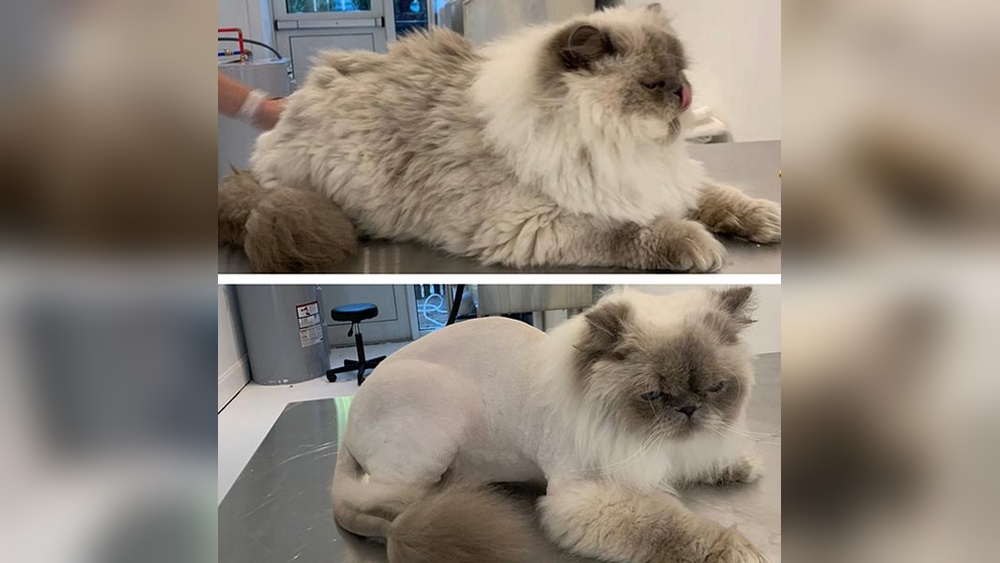
When do you groom a cat? It’s a question every cat owner wonders about.
You want your furry friend to look and feel their best, but knowing the right time to start grooming can be tricky. Grooming isn’t just about keeping your cat clean—it helps prevent health issues and strengthens the bond between you and your pet.
If you’re unsure when to pick up that brush or give your cat a bath, keep reading. This guide will clear up the confusion and give you simple, practical tips to keep your cat happy and healthy.
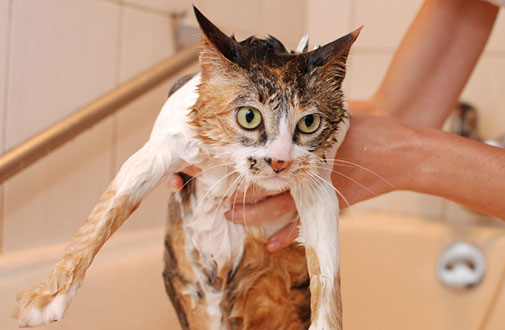
Credit: www.aspca.org
Signs Your Cat Needs Grooming
Knowing when your cat needs grooming is important for their health. Cats may not always show clear signs. Watch closely for changes in their coat, behavior, or health. These clues can help you decide the right time to groom your cat.
Coat Condition Indicators
A dull or matted coat means grooming is needed. Look for clumps of fur that stick together. Excess shedding or bald spots also show your cat needs care. A greasy or dirty coat signals a grooming session is due.
Behavioral Clues
Your cat may scratch or bite more than usual. Restlessness or avoiding being touched can mean discomfort. Cats that groom less often or stop cleaning themselves need help. Watch for hiding or changes in activity as well.
Health-related Signs
Skin redness or sores can show grooming is overdue. Fleas or ticks need immediate attention. A strong odor from the fur means dirt or infection. If your cat has trouble moving or pain, grooming may help ease discomfort.

Credit: nekomori.co
Ideal Grooming Frequency
Knowing the ideal grooming frequency helps keep your cat healthy and happy. Grooming removes loose fur and dirt. It also prevents mats and reduces hairballs. Different cats need different grooming schedules. This depends on their fur type and age. Regular grooming builds a strong bond between you and your cat.
Short-haired Cats
Short-haired cats need grooming about once a week. Their fur is smooth and less likely to tangle. Brushing helps remove dead hair and spread natural oils. This keeps their coat shiny and healthy. Weekly grooming also checks for skin problems or fleas.
Long-haired Cats
Long-haired cats require grooming every day or every other day. Their fur can easily tangle and form mats. Regular brushing stops painful knots and reduces shedding. It also helps keep their skin clean and healthy. Skipping grooming can cause discomfort and skin issues.
Kittens And Senior Cats
Kittens need gentle grooming two to three times a week. It helps them get used to being brushed. Senior cats may need more frequent grooming. They can have trouble cleaning themselves well. Regular grooming supports their health and comfort as they age.
Best Time Of Day To Groom
Choosing the best time to groom your cat helps make the process easier and more pleasant. Cats have their own daily rhythms and moods. Picking the right moment can reduce stress for both you and your cat. Grooming during calm times encourages cooperation and trust. Understanding your cat’s behavior is key to finding the perfect time.
Matching Your Cat’s Activity
Notice when your cat is most active or sleepy. Cats often rest after meals or naps. Grooming during these quiet times works well. Avoid times when your cat is energetic or playful. Matching grooming with your cat’s calm moments helps keep them relaxed.
Calm Periods For Grooming
Choose calm parts of the day for grooming sessions. Early morning or late evening often works best. Your cat is more likely to sit still then. These moments are peaceful, with fewer distractions. Calm periods make grooming safer and faster.
Avoiding Mealtime And Playtime
Never groom your cat during or right before meals. Cats may feel protective of their food. Playtime is also not a good time for grooming. Your cat’s focus is on fun, not grooming. Avoid these times to prevent resistance or stress.
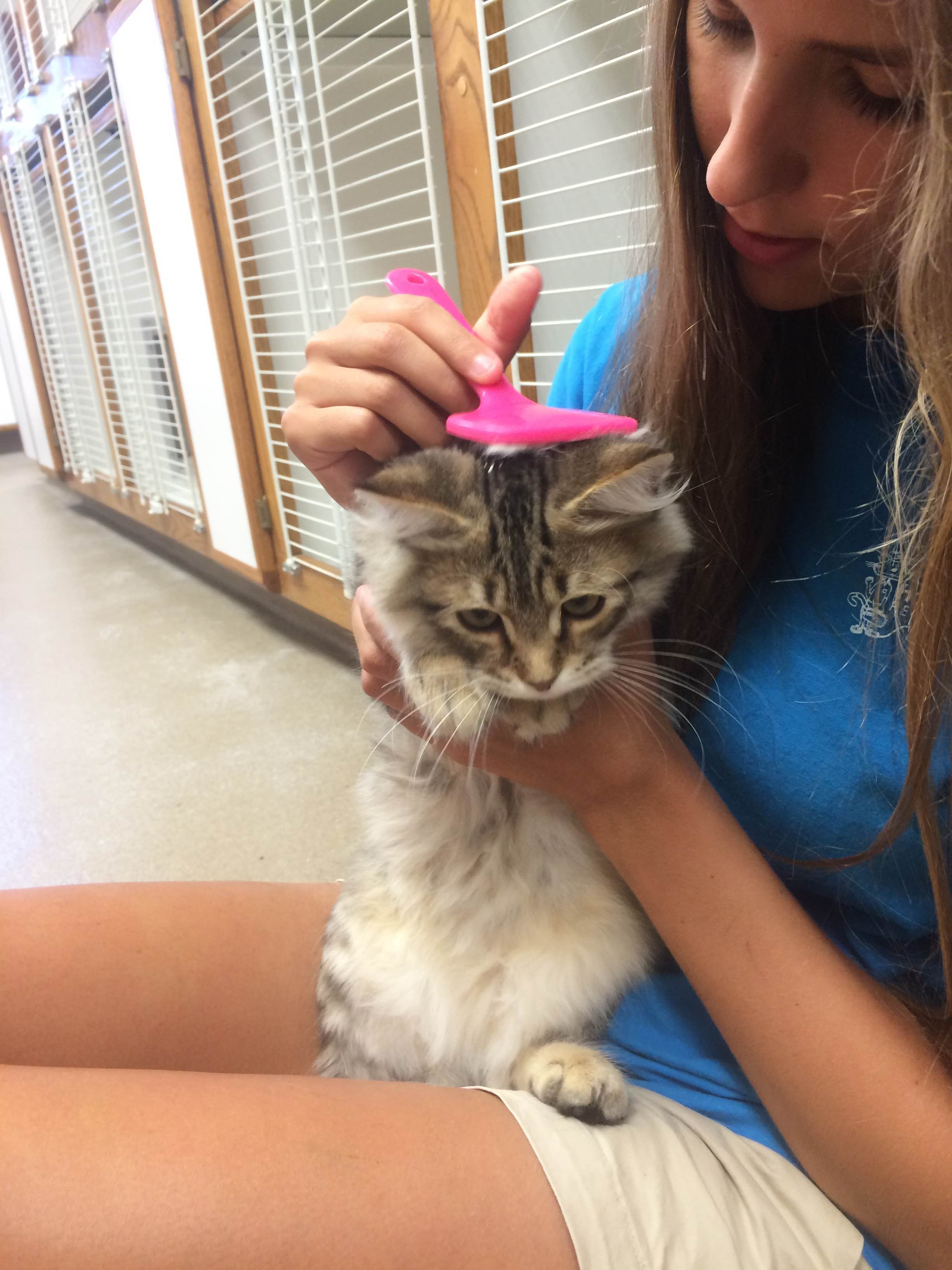
Credit: www.parkavenuetavern.com
Seasonal Grooming Tips
Seasonal grooming keeps your cat healthy all year. Changes in weather affect your cat’s fur and skin. Grooming helps remove loose hair and stops mats. It also keeps your cat cool or warm as needed. Below are tips for grooming in different seasons.
Spring Shedding
Spring makes cats shed their thick winter fur. Brush your cat daily to catch loose hair early. Use a comb or soft brush made for cats. This reduces hairballs and keeps your home cleaner. Check for skin issues as the coat changes. Spring grooming keeps your cat comfortable and fresh.
Winter Coat Care
Winter fur is thick and dense to keep cats warm. Grooming helps remove dirt and prevents mats from forming. Brush your cat twice a week to keep the coat healthy. Avoid cutting the fur too short; it protects against cold. Keep your cat indoors more to avoid harsh weather.
Summer Heat Management
Summer heat makes cats shed lighter coats. Groom more often to remove dead fur quickly. Use a cool, damp cloth to wipe your cat’s fur. Make sure your cat drinks water and stays in shade. Grooming helps your cat stay cool and comfortable.
Tools For Effective Grooming
Effective grooming helps keep your cat healthy and happy. Using the right tools makes grooming easier and more comfortable. Each tool has a specific role to play in your cat’s care.
Brush Types And Uses
Different brushes suit different fur types. A slicker brush removes loose fur and dirt. A bristle brush smooths the coat and adds shine. A comb helps with tangles and mats. Long-haired cats need more frequent brushing. Short-haired cats benefit from gentle brushing. Choose a brush that feels good to your cat.
Nail Trimmers And Other Essentials
Trim your cat’s nails regularly to prevent damage. Use nail clippers made for cats. Scissors or human nail clippers can hurt your pet. A soft towel helps hold your cat safely. Treats can calm your cat during grooming. A small brush or cloth can clean ears and eyes gently.
Choosing The Right Products
Select shampoos made for cats only. Human products can irritate their skin. Use gentle, fragrance-free shampoos for sensitive skin. Avoid over-bathing; it can dry out fur. Conditioner helps keep fur soft and shiny. Always check product labels for safety. Consult your vet if unsure about products.
Preparing Your Cat For Grooming
Preparing your cat for grooming is an important step to make the process smooth and stress-free. Cats can feel anxious or scared during grooming. Helping them feel calm and safe improves their experience. It also makes grooming easier for you. Start by setting up the right environment and using gentle methods to relax your cat. Understanding your cat’s needs helps build trust before grooming begins.
Creating A Comfortable Space
Choose a quiet room with little noise or distraction. Soft lighting helps your cat feel relaxed. Use a soft towel or blanket on a stable surface for grooming. Make sure the area is warm and cozy. Keep all grooming tools nearby to avoid leaving your cat alone. A calm space reduces stress and makes your cat more willing to stay still.
Calming Techniques
Speak in a soft, gentle voice to soothe your cat. Slow petting helps lower anxiety and builds trust. Give treats before and after grooming to create positive feelings. Try using pheromone sprays or diffusers designed for cats. These products can help reduce nervousness. Take breaks if your cat shows signs of stress. Patience is key to a calm grooming session.
Handling Difficult Cats
Some cats resist grooming more than others. Stay calm and move slowly to avoid startling them. Use a towel to gently wrap your cat if needed. This protects both you and your cat from scratches. Divide grooming into short sessions to avoid frustration. If grooming becomes too hard, seek help from a professional groomer or vet. Always prioritize your cat’s comfort and safety.
Common Grooming Mistakes To Avoid
Grooming your cat is important for their health and happiness. Mistakes during grooming can cause problems. Knowing what to avoid keeps your cat safe and comfortable. Here are some common grooming mistakes that many cat owners make.
Over-grooming Risks
Brushing your cat too much can hurt their skin. It may cause redness, irritation, or hair loss. Cats need gentle grooming, not too often or too hard. Watch for signs of discomfort or stress during grooming. Give your cat breaks and stop if they seem upset.
Ignoring Skin Issues
Skin problems like redness, bumps, or dry patches need attention. Ignoring these signs can make problems worse. Check your cat’s skin carefully during grooming sessions. If you see anything unusual, visit a vet. Early care helps prevent infections and pain for your cat.
Using The Wrong Tools
Using the wrong brush or comb can hurt your cat. Some tools pull hair or scratch the skin. Choose grooming tools made for cats and their fur type. Soft brushes work well for short fur. Longer fur needs a comb that detangles gently. Proper tools make grooming easier and safer.
Frequently Asked Questions
When Is The Best Time To Groom A Cat?
The best time to groom a cat is during calm moments, like after a nap. Regular grooming every 1-2 weeks helps keep their coat clean and healthy.
How Often Should You Groom A Long-haired Cat?
Long-haired cats need grooming at least 3-4 times a week. Frequent brushing prevents mats, tangles, and reduces shedding.
Can Grooming Help Detect Cat Health Issues?
Yes, grooming helps spot skin problems, parasites, or lumps early. Regular checks improve overall cat health and comfort.
What Are Signs A Cat Needs Grooming Immediately?
Signs include matted fur, excessive shedding, dirt buildup, or bad odor. Groom immediately to avoid discomfort and skin issues.
Conclusion
Grooming your cat keeps them healthy and happy. Regular brushing stops mats and hairballs. Watch their coat for signs of needing care. Groom more often during shedding seasons. Pay attention to your cat’s comfort and mood. A clean cat feels good and looks great.
Make grooming a calm and gentle routine. Small efforts help your cat live better. Keep grooming simple and consistent for best results. Your cat will thank you with purrs and trust.