
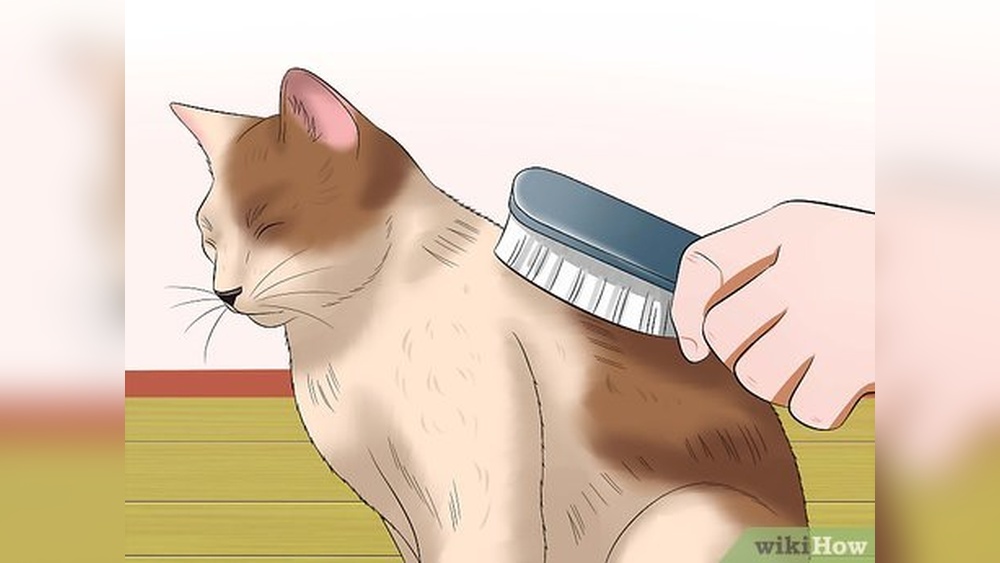
Grooming your cat isn’t just about keeping them looking good—it’s key to their health and happiness. If you want to avoid messy fur, reduce shedding, and strengthen the bond with your furry friend, knowing how to groom your cat properly is essential.
In this guide, you’ll discover simple yet effective tips to make grooming easy and stress-free for both you and your cat. Ready to become your cat’s favorite groomer? Let’s dive in!
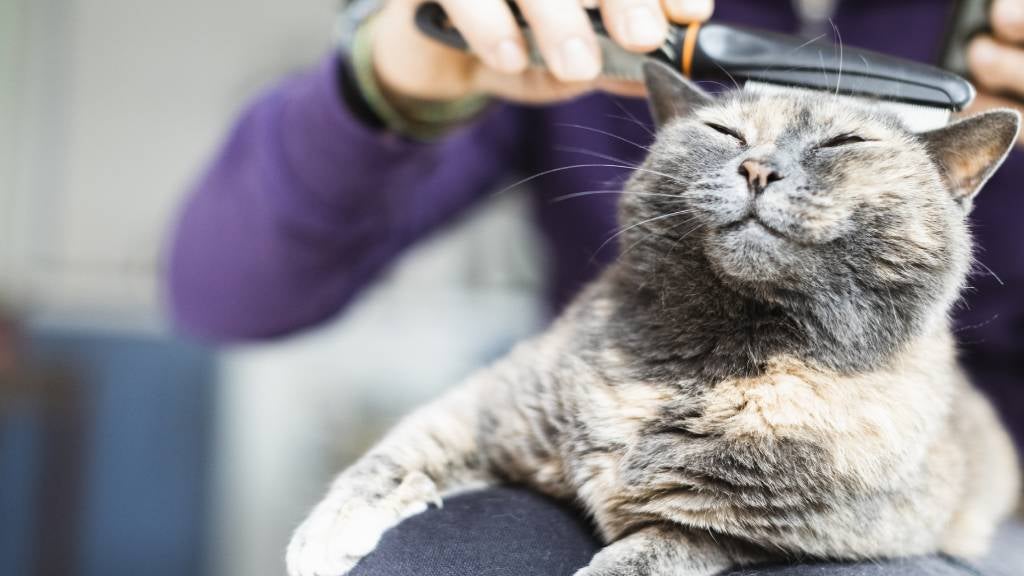
Credit: www.rspcapetinsurance.org.au
Grooming Essentials
Grooming your cat is important for their health and happiness. Proper grooming keeps their coat clean and reduces shedding. It also helps you spot any skin problems early. To groom well, you need the right tools, a calm space, and a routine that fits your cat’s needs.
These grooming essentials make the process easier for both you and your cat. Let’s explore each step to help you create a smooth grooming experience.
Choosing The Right Tools
Select brushes and combs that suit your cat’s fur type. Short-haired cats need a soft-bristle brush. Long-haired cats benefit from a wide-tooth comb or slicker brush. Nail clippers designed for cats keep their claws neat and safe. Use gentle grooming wipes for sensitive areas or quick clean-ups. Having the correct tools makes grooming comfortable and effective.
Creating A Comfortable Space
Pick a quiet spot with good light for grooming sessions. Keep your cat calm by speaking softly and moving slowly. Use a soft towel or mat for your cat to sit on. Avoid noisy or busy areas that might scare your cat. A peaceful space helps your cat relax and cooperate during grooming.
Setting A Grooming Schedule
Establish regular grooming times to build a habit. Short sessions, two to three times a week, work best for most cats. Adjust frequency based on your cat’s fur type and needs. Consistent grooming prevents mats and keeps fur healthy. A set schedule helps your cat get used to the routine.
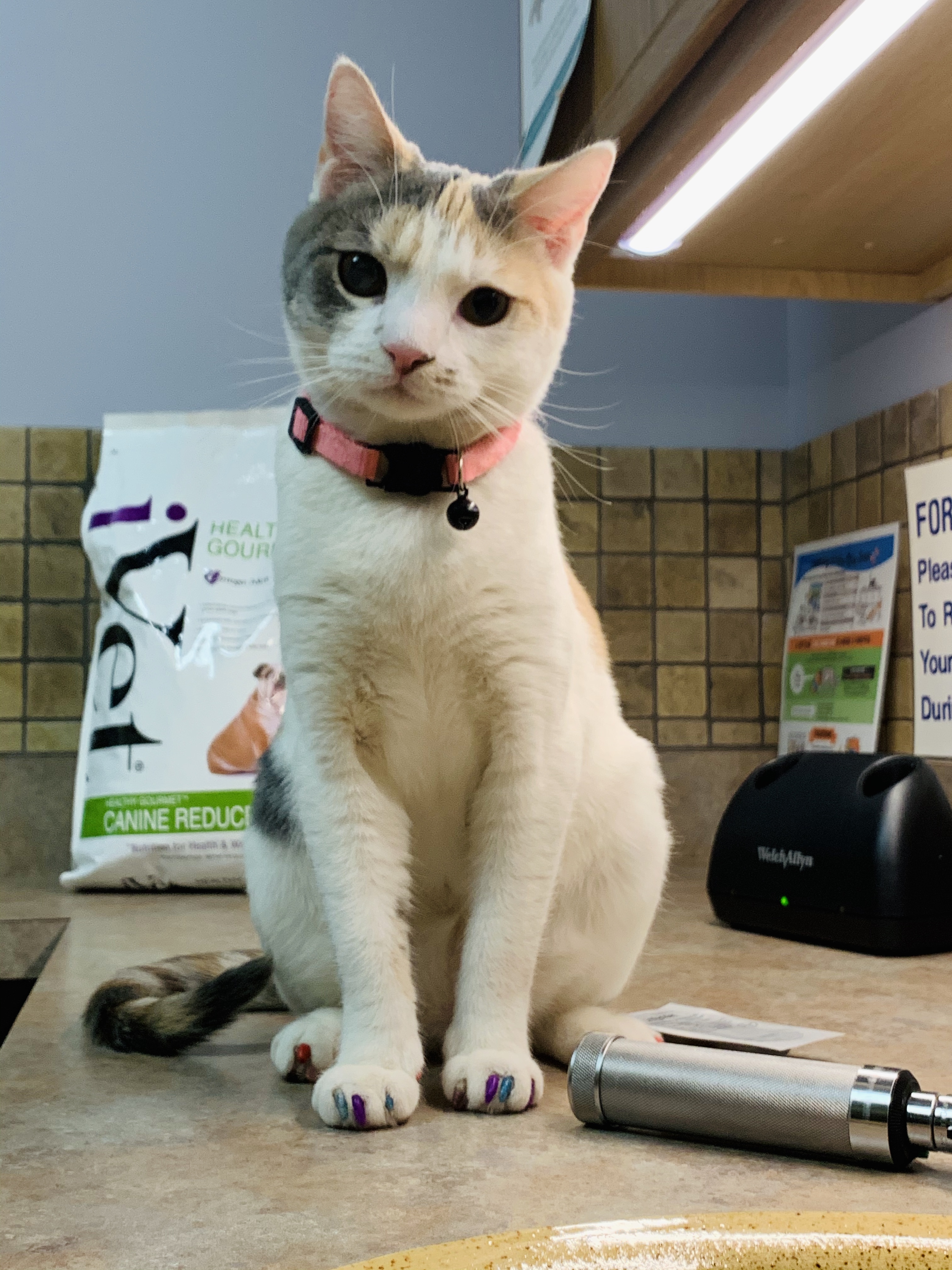
Credit: www.4pawsanimal.com
Brushing Techniques
Brushing your cat is an important part of grooming. It keeps their coat clean and healthy. Regular brushing removes loose hair and dirt. It also helps prevent hairballs and mats. Using the right brushing technique makes the experience pleasant for your cat. Gentle strokes and patience are key. Understanding the right tools and steps can make brushing easy and effective.
Types Of Brushes For Different Coats
Cats have different coat types. Each coat needs a specific brush. Short-haired cats do well with a soft bristle brush. It removes loose hair without hurting the skin. For long-haired cats, use a slicker brush. It helps untangle knots gently. A wide-tooth comb works well for thick or curly fur. Choose a rubber brush for cats that shed a lot. It collects loose hair quickly. Picking the right brush keeps your cat comfortable.
Step-by-step Brushing Guide
Start by letting your cat relax. Use slow, gentle strokes along the fur. Begin at the head and move toward the tail. Brush small sections at a time. Pay attention to sensitive areas like the belly. If your cat shows signs of discomfort, stop and try again later. Brush regularly, at least twice a week. This routine helps keep the coat shiny and clean. Always praise your cat to build trust.
Dealing With Mats And Tangles
Mats can cause pain and skin problems. Use a detangling spray to soften tough mats. Gently work through mats with your fingers first. Use a wide-tooth comb to loosen knots carefully. Avoid pulling hard to prevent hurting your cat. For very tight mats, consult a groomer or vet. Regular brushing helps stop mats from forming. Keep mats under control for a happy, healthy cat.
Bathing Your Cat
Bathing a cat may seem hard, but it is possible with care. Most cats clean themselves well. Baths are only needed sometimes. Knowing how to bathe your cat safely helps keep them clean and healthy. Bath time can also be a bonding moment.
When To Bathe Your Cat
Baths are not needed often. Cats usually groom themselves well. Bathe your cat if they get very dirty. Oil or sticky substances on fur need washing off. Some cats have skin problems that need special baths. Ask a vet if you are unsure.
Safe Shampoo Options
Use only shampoos made for cats. Human shampoos can hurt their skin. Look for gentle, fragrance-free products. Medicated shampoos may be needed for skin issues. Always read the label and follow instructions. Test a small amount first to check for reactions.
Bathing Process Tips
Prepare everything before starting the bath. Use warm water, not hot or cold. Wet your cat slowly and calmly. Speak softly to keep your cat calm. Avoid water in ears, eyes, and nose. Use a cup or hand to pour water gently. Lather shampoo lightly and rinse well. Dry your cat with a soft towel. Keep the room warm to prevent chills.
Nail Care
Nail care is an important part of grooming your cat. Healthy nails keep your cat comfortable and prevent damage to furniture and skin. Regular nail care helps avoid painful nail problems and infections. It also keeps your cat’s claws at a safe length for everyday activities.
Trimming Vs. Filing
Trimming cuts the sharp tip of the nail. It is quick and effective. Filing smooths the nail edges and shapes them. Filing takes longer and suits sensitive cats. Both methods reduce scratching damage. Choose the method that fits your cat’s comfort and your skill.
How To Trim Nails Safely
Use a sharp, small nail clipper made for cats. Hold your cat’s paw gently but firmly. Press the toe pad to extend the nail. Cut only the sharp tip, avoiding the pink part. The pink area contains nerves and blood vessels. Stopping here prevents pain and bleeding. Trim one nail at a time. Praise your cat after each trim. Take breaks if your cat feels stressed.
Handling Resistant Cats
Some cats do not like nail care. Try calming your cat with soft petting first. Wrap your cat in a towel to keep it still. Use gentle, quiet voices to soothe your cat. Trim nails in short sessions to avoid stress. Give treats after each session for positive reinforcement. If your cat is very resistant, ask a vet or groomer for help.
Ear And Eye Care
Taking care of your cat’s ears and eyes is very important for their health. Clean ears and clear eyes help your cat stay comfortable. Dirt, wax, and discharge can cause irritation or infection. Regular checks and gentle cleaning keep problems away.
Cleaning Ears Gently
Use a soft cloth or cotton ball. Moisten it with a vet-approved ear cleaner. Wipe inside the ear flap gently. Avoid pushing deep into the ear canal. Clean only visible parts to prevent damage. Do this once a week or as needed. Stop if your cat shows pain or discomfort.
Managing Eye Discharge
Eye discharge is normal sometimes. Use a clean, damp cloth to wipe it away. Wipe from the corner of the eye outward. Use a different cloth for each eye. Never use cotton swabs near the eyes. Check daily to prevent buildup. Consult a vet if discharge increases or changes color.
Recognizing Signs Of Infection
Look for redness, swelling, or bad smell. Watch for excessive scratching or rubbing. Notice if your cat squints or keeps eyes closed. Check for thick, yellow, or green discharge. Ear infections may cause head shaking or tilting. If you see these signs, visit a vet quickly.
Dental Hygiene
Dental hygiene is a key part of caring for your cat. Healthy teeth and gums help your cat eat well and avoid pain. Regular care can stop bad breath and serious health problems.
Start dental care early to help your cat get used to it. Gentle, steady care makes the process easier for both of you.
Brushing Your Cat’s Teeth
Use a soft toothbrush made for cats. Choose toothpaste with flavors cats like, such as poultry or fish. Never use human toothpaste. Brush gently in small circles. Focus on the gum line where plaque builds up. Begin slowly to let your cat adjust. Brush two to three times a week for best results.
Dental Treats And Toys
Dental treats help reduce plaque and freshen breath. Pick treats made to clean teeth safely. Chewing dental toys also helps remove plaque. Toys stimulate gums and keep teeth strong. Always supervise your cat with new toys to ensure safety.
Preventing Oral Diseases
Regular dental care stops gingivitis and tooth decay. Watch for signs like bad breath, drooling, or difficulty eating. Visit the vet for dental check-ups once a year. Early treatment prevents pain and costly procedures. Good dental habits support your cat’s overall health.
Behavioral Tips
Grooming your cat is more than brushing fur. It involves understanding how your cat feels. Behavioral tips help make grooming calm and easy. These tips guide you in handling your cat gently and kindly. They build trust and reduce stress during grooming sessions.
Making Grooming A Positive Experience
Start grooming in a quiet, comfortable spot. Use soft strokes and gentle touches. Speak to your cat in a calm voice. Keep sessions short at first. Slowly increase time as your cat gets used to it. Play soft music or give a favorite toy nearby. This creates a happy, safe space. Your cat will look forward to grooming.
Reading Your Cat’s Signals
Watch your cat’s body language carefully. Ears back or tail flicking means stress. Slow blinking shows your cat feels safe. If your cat tries to move away, pause grooming. Notice when your cat enjoys a touch. Focus on areas your cat likes the most. Adjust your grooming speed and pressure based on these signs.
Rewarding Good Behavior
Always praise your cat during and after grooming. Use treats or gentle petting as rewards. Give rewards right after good behavior. This helps your cat connect grooming with positive feelings. Avoid punishing or forcing your cat. Patience and kindness encourage better cooperation. Over time, grooming will feel like a pleasant routine.
Common Grooming Challenges
Grooming a cat can bring many challenges. Cats have unique personalities and needs. Knowing common problems helps you prepare and care better. Patience and gentle handling make grooming easier for both of you.
Handling Aggression And Fear
Cats may act scared or angry during grooming. They might scratch or bite to protect themselves. Stay calm and quiet to soothe your cat. Use soft voices and slow movements. Stop if your cat becomes too upset. Try short sessions to build trust.
Dealing With Shedding
Shedding can create fur everywhere. Brush your cat often to reduce loose hair. Use the right brush for your cat’s fur type. Regular brushing keeps fur smooth and healthy. It also lowers hairballs and mess around your home.
When To Seek Professional Help
Some grooming tasks are hard to do alone. Mats, skin problems, or very scared cats need experts. A groomer or vet can help safely and correctly. Don’t wait if grooming causes stress or injury. Professional care protects your cat’s health and comfort.

Credit: mylovelyfeline.com
Frequently Asked Questions
How Often Should I Groom My Cat?
Groom your cat at least once a week to remove loose hair and prevent mats. Long-haired cats may need daily grooming to avoid tangles and hairballs. Regular grooming also helps check for skin issues and keeps your cat comfortable and healthy.
What Tools Are Best For Cat Grooming?
Use a soft-bristle brush for short-haired cats and a wide-tooth comb for long-haired cats. Nail clippers, grooming wipes, and a flea comb are also essential. Choose tools suitable for your cat’s coat type to make grooming safe and effective.
How Do I Safely Trim My Cat’s Nails?
Trim your cat’s nails every 1-2 weeks using sharp, pet-specific nail clippers. Hold the paw gently and cut only the transparent tip, avoiding the quick. If unsure, ask a vet or groomer for a demonstration to prevent injury.
Can Grooming Reduce Cat Hairballs?
Yes, regular grooming removes loose fur, which helps reduce hairballs. Brushing your cat frequently decreases the amount of hair ingested during self-grooming. This keeps your cat’s digestive system healthier and minimizes hairball-related discomfort.
Conclusion
Regular grooming keeps your cat healthy and happy. It helps remove loose fur and prevents hairballs. Brushing also lets you check for skin problems or fleas. Make grooming a calm and fun time for your cat. Use gentle strokes and be patient.
Soon, grooming will become a part of your daily routine. Your cat will enjoy the extra attention and care. Simple steps can make a big difference in your cat’s life. Keep your pet looking and feeling their best with regular grooming.