
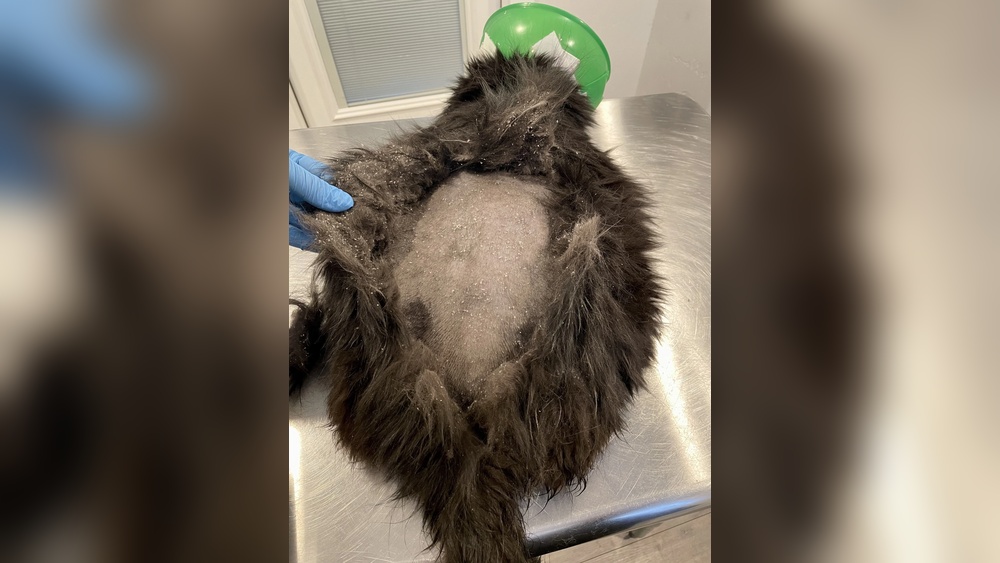
Have you ever noticed your cat suddenly stopping its usual grooming routine? It might seem like a small change, but when cats don’t groom themselves, it can signal something serious.
Your furry friend relies on grooming not just to stay clean, but to feel comfortable and healthy. Ignoring this behavior could mean missing out on important clues about your cat’s well-being. Keep reading to discover why your cat might be skipping this vital habit and what you can do to help.
Common Grooming Habits
Cats spend a lot of time cleaning themselves every day. This behavior is called grooming. Grooming is a natural habit that helps cats stay healthy and comfortable. It involves licking their fur, paws, and sometimes even their face. Many cats enjoy this routine and do it several times a day.
Understanding common grooming habits helps us notice when something is wrong. If a cat stops grooming, it may show signs of illness or stress. Knowing what normal grooming looks like helps pet owners take good care of their cats.
Daily Grooming Routine
Cats usually groom themselves multiple times each day. They lick their fur to remove dirt and loose hair. Their tongues have tiny hooks that catch dirt and spread natural oils. These oils keep their coat shiny and soft. Cats also clean their paws and faces carefully. Grooming helps them stay cool and calm. It is a part of their daily self-care.
Benefits Of Grooming
Grooming has many benefits for cats. It removes dirt, dust, and parasites from their fur. This keeps their skin clean and healthy. Grooming also stops hair from matting or tangling. It helps cats feel relaxed and reduces stress. Good grooming supports healthy skin and a shiny coat. It can also help cats spot wounds early. Overall, grooming is important for a cat’s well-being.
Reasons Cats Stop Grooming
Cats usually keep themselves clean by grooming every day. This habit helps them stay healthy and comfortable. Sometimes, cats stop grooming. This change can worry pet owners. Understanding why cats stop grooming helps find the right solution.
Health Issues
Health problems often cause cats to stop grooming. Pain from arthritis makes moving difficult. Cats with dental pain may avoid grooming their face. Skin infections or allergies can make grooming uncomfortable. Illnesses like kidney disease or diabetes reduce energy. A sick cat may feel too weak to groom.
Behavioral Changes
Stress and anxiety can change a cat’s grooming habits. A cat feeling scared or unhappy may stop grooming. Changes in the home, like new pets or people, cause stress. Depression in cats leads to less self-care. Some cats over-groom, while others stop completely.
Environmental Factors
Dirty or uncomfortable living spaces affect grooming. Cats in dirty areas avoid grooming. Lack of fresh water or food can lower their energy. Extreme temperatures may make cats less active. A quiet and clean environment encourages regular grooming.
Signs Your Cat Is Not Grooming
Cats are usually clean animals. They spend a lot of time grooming themselves. Grooming helps keep their fur smooth and healthy. It also removes dirt and loose hair. When a cat stops grooming, it can show signs of illness or stress. Knowing these signs helps you take care of your cat better.
Mattes And Tangles
Mattes and tangles form when a cat does not groom well. These clumps of fur stick together and pull on the skin. Matted fur can cause pain and skin problems. You may notice thick, rough patches on your cat’s coat. Cats with long hair need extra attention to avoid mats.
Dirty Or Greasy Fur
A healthy cat has clean, shiny fur. Dirty or greasy fur means grooming is not happening. Dirt and oils build up on the coat. The fur may look dull and feel sticky. This can lead to skin infections if not treated quickly.
Unpleasant Odors
When cats groom, they keep their bodies smelling fresh. Bad odors come from a lack of grooming. A strong smell may mean dirt, oils, or infections on the skin. This smell is a clear sign your cat needs help with grooming.

Credit: www.downtowntabbycattery.com
Health Risks Of Poor Grooming
Poor grooming in cats can lead to serious health problems. Cats clean themselves to remove dirt, loose fur, and germs. When they stop grooming, their skin and fur suffer. This can cause many issues that affect their well-being.
Neglecting grooming can make cats vulnerable to infections and parasites. It also causes discomfort and pain. Understanding these risks helps cat owners act fast and keep their pets healthy.
Skin Infections
Dirty fur traps bacteria and fungi close to the skin. This can cause infections that make the skin red and sore. Cats may scratch a lot, which worsens the problem. Untreated infections can spread and become serious.
Parasite Infestations
Poor grooming allows fleas, ticks, and mites to thrive. These parasites irritate the skin and cause itching. They can also carry diseases that harm cats. Regular grooming helps remove parasites early and keeps cats safe.
Discomfort And Pain
Matted fur pulls on the skin and causes pain. Cats feel itchy and irritated but cannot clean themselves properly. This leads to stress and reduces their quality of life. Grooming prevents these painful conditions and keeps cats comfortable.
What To Do If Grooming Stops
Cats usually keep themselves clean by grooming daily. Grooming helps them remove dirt and loose fur. When a cat stops grooming, it might mean a health problem. Owners should act fast to help their pet stay healthy and comfortable.
Visiting The Veterinarian
A visit to the vet is important if grooming stops. The vet checks for skin problems, pain, or illness. Tests might be needed to find hidden health issues. Early diagnosis helps treat problems before they get worse. Follow the vet’s advice carefully for the best care.
At-home Care Tips
Help your cat by gently brushing its fur each day. Use a soft brush to avoid hurting the skin. Keep your cat’s nails trimmed to prevent scratching. Provide a clean, quiet place for your cat to rest. Offer fresh water and healthy food to support recovery.
Monitoring Behavior
Watch your cat’s behavior closely after grooming stops. Look for signs of pain, hiding, or loss of appetite. Note changes in energy or mood. Keep a daily log to share with the vet. Early detection of new problems helps your cat get better faster.

Credit: luckydawgsalongrooming.com
Preventing Grooming Problems
Cats usually keep themselves clean by grooming daily. Sometimes, they stop grooming. This can cause skin problems and discomfort. Preventing grooming problems is important for your cat’s health. You can help your cat stay clean and happy with simple steps.
Regular Vet Checkups
Vet visits catch health issues early. Illness can make grooming hard for cats. Pain or infections may stop them from cleaning. Regular checkups ensure your cat feels well. Vets can offer advice on grooming problems.
Creating A Stress-free Environment
Stress affects cats’ grooming habits. Loud noises and changes can upset them. A calm space helps your cat relax. Provide quiet areas and safe spots. A peaceful home encourages regular grooming.
Proper Nutrition
Good food supports healthy skin and coat. Poor diet can cause dry skin or hair loss. Feed a balanced diet with all nutrients. Healthy cats groom more often and better. Proper nutrition boosts your cat’s comfort and appearance.

Credit: luckydawgsalongrooming.com
Frequently Asked Questions
Why Do Cats Stop Grooming Themselves Suddenly?
Cats may stop grooming due to illness, pain, or stress. Conditions like arthritis or dental problems can limit movement. Behavioral issues or anxiety also reduce grooming. Identifying the cause early helps ensure timely treatment and keeps your cat healthy and comfortable.
How Can I Tell If My Cat Is Not Grooming Properly?
Look for matted fur, greasy coat, or strong odor. Cats that stop grooming may also develop bald spots or skin infections. Regularly check your cat’s coat and skin for any unusual changes or discomfort signs.
What Health Issues Cause Cats To Neglect Grooming?
Arthritis, dental pain, obesity, and skin infections commonly affect grooming. Chronic illnesses like kidney disease or diabetes also reduce grooming habits. Veterinary evaluation is essential to diagnose and treat underlying causes effectively.
Can Stress Make A Cat Stop Grooming?
Yes, stress or anxiety can cause grooming neglect. Changes in environment, routine, or new pets can trigger stress. Reducing stressors and providing a calm space encourages normal grooming behavior.
Conclusion
Cats stop grooming for many reasons. Health problems or stress can cause this change. Watch your cat closely for signs of trouble. A clean, healthy cat feels happy and calm. Regular grooming helps prevent skin issues and mats. Help your cat by keeping a routine and offering love.
Don’t wait if you see unusual behavior or dirt. Taking action early keeps your cat safe and well. Caring for your cat shows how much you care. Small steps make a big difference in their life.