
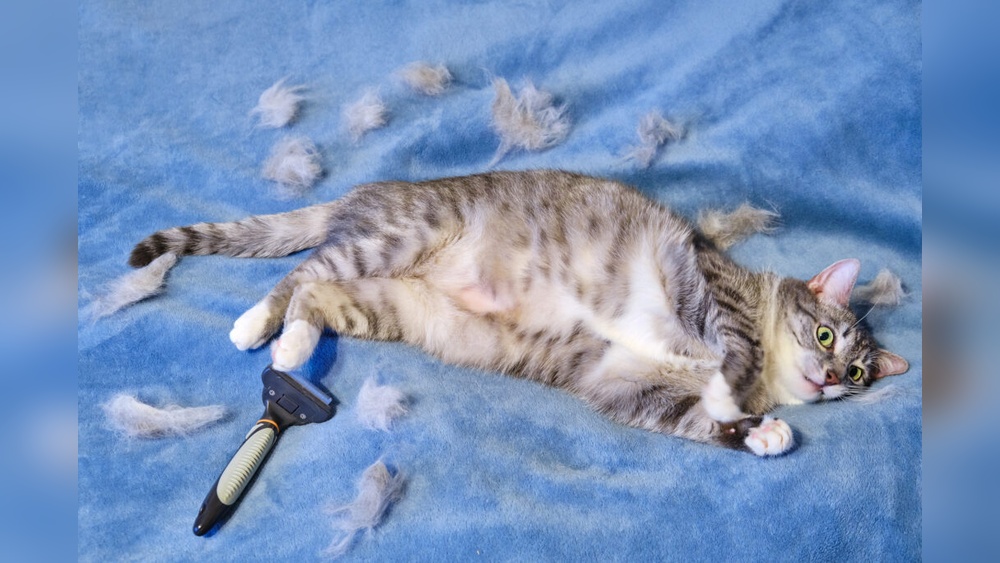
Is your cat spending more time licking than usual? Have you noticed patches of missing fur or irritated skin?
When your furry friend starts over grooming and losing hair, it’s more than just a grooming habit—it’s a sign that something might be wrong. You want to help your cat feel comfortable and healthy, but it can be confusing to understand why this is happening.
You’ll discover the common reasons behind over grooming and hair loss in cats, what you should watch for, and how you can support your pet’s well-being. Keep reading to find out what’s really going on beneath that soft fur.
Credit: www.walkervillevet.com.au
Signs Of Over Grooming
Over grooming in cats is more than just a habit. It often signals stress, allergies, or health problems. Recognizing the signs early helps protect your cat’s skin and fur. Watch closely for these key symptoms.
Excessive Licking And Biting
Your cat may lick or bite one spot over and over. This behavior goes beyond normal cleaning. It causes discomfort and can make the skin sore. You might see your cat spending a lot of time grooming a specific area.
Hair Loss Patterns
Hair loss is a clear sign of over grooming. Look for bald patches or thinning fur. These spots often appear where your cat licks or bites the most. Hair loss can be uneven and may spread if not treated.
Skin Irritation And Redness
The skin under the fur may look red or inflamed. It can be dry, scaly, or even bleed in severe cases. This irritation shows your cat’s skin is damaged from too much grooming. Touch gently to check for warmth or swelling.
Credit: www.walkervillevet.com.au
Common Causes Of Over Grooming
Cats groom themselves to stay clean and calm. Over grooming happens when they lick too much. This causes hair loss and skin problems. Several common reasons cause this behavior. Knowing these helps you take care of your cat better.
Allergies And Sensitivities
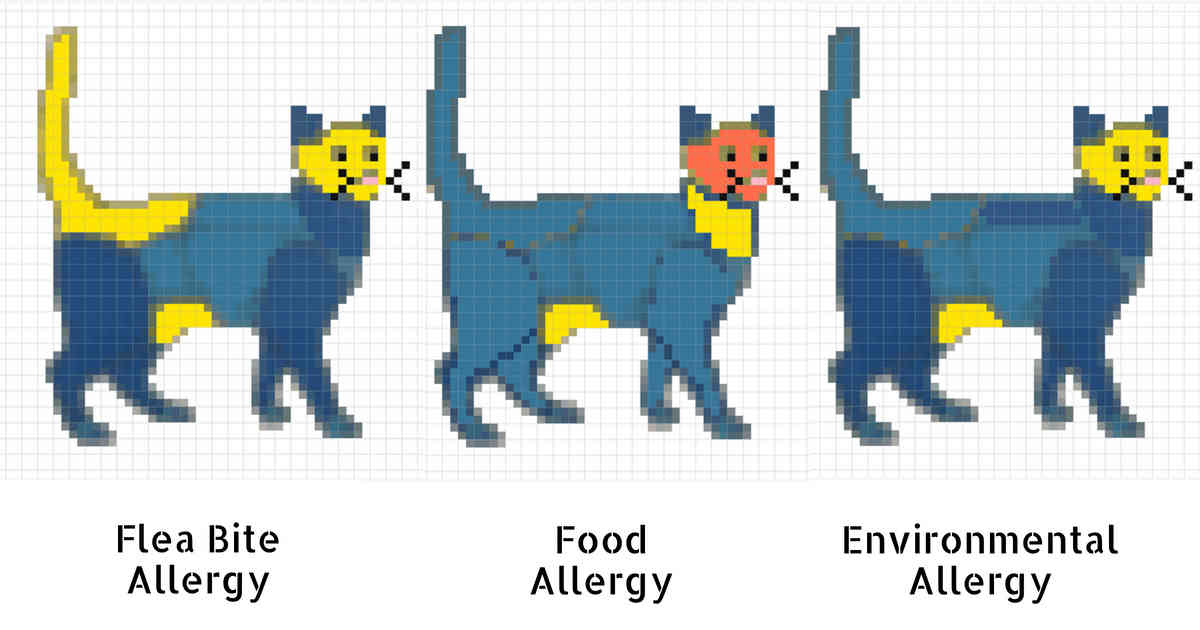
Cats can have allergies to food, dust, or pollen. These allergies make their skin itchy. To soothe the itch, cats lick and bite their fur often. This constant licking leads to hair loss and sore spots.
Parasites And Infections
Fleas, mites, and ticks cause strong irritation. Cats feel uncomfortable and start over grooming. Skin infections from bacteria or fungi also cause itching. Untreated infections worsen hair loss and skin damage.
Stress And Anxiety
Cats get stressed by changes or boredom. Stress makes cats lick themselves more than usual. This behavior helps them feel calmer. If stress lasts long, over grooming becomes a habit. It causes bald patches and skin sores.
Pain And Discomfort
Pain from injuries or arthritis makes cats lick painful areas. The licking helps reduce discomfort. But too much licking damages fur and skin. Watch for signs of pain like limping or hiding.
Nutritional Deficiencies
Poor diet affects a cat’s skin and fur health. Lack of vitamins and fatty acids causes dry, itchy skin. Cats lick to ease irritation. Balanced nutrition supports healthy skin and reduces over grooming.
Diagnosing The Problem
Diagnosing why a cat overgrooms and loses hair is important. This behavior can signal many issues. Understanding the cause helps find the right treatment. Careful checks by professionals guide the process. Several steps reveal the root problem.
Veterinary Examination
A vet starts with a full physical check. They look for wounds, infections, or parasites. The vet asks about your cat’s habits and environment. This helps spot triggers for overgrooming. Blood tests may check for internal health problems. This step is key to rule out illness.
Skin Tests And Allergy Screening
Skin tests find infections or parasites hiding under fur. Allergy screening detects reactions to food or environment. Both tests are painless and quick. They help identify irritants causing itching or discomfort. Treating allergies often stops the overgrooming cycle.
Behavioral Assessment
Stress or anxiety can make cats groom too much. A behavioral check studies your cat’s daily routine. The vet or a behaviorist notes changes in mood or activity. They may suggest ways to reduce stress at home. This can calm your cat and reduce hair loss.
Treatment Options
Over grooming and hair loss in cats need careful attention. Treatment depends on the cause of the problem. Many options exist to help your cat feel better and stop excessive licking.
Medications And Topical Treatments
Vets may prescribe medicines to reduce itching and inflammation. These can include steroids or antihistamines. Topical creams or sprays also help soothe irritated skin. These treatments protect skin and promote healing. Always follow the vet’s advice for safe use.
Parasite Control
Fleas and mites often cause over grooming. Use vet-approved flea and tick treatments regularly. These kill parasites quickly and prevent return. Check your cat’s bedding and environment for pests. Keeping parasites away reduces itching and hair loss.
Dietary Changes
Food allergies can trigger skin problems in cats. Switching to hypoallergenic or special diets helps many cats. High-quality food with omega-3 fatty acids supports skin health. Consult your vet before changing your cat’s diet. Proper nutrition boosts the immune system and heals skin.
Stress Reduction Techniques
Stress often causes cats to lick excessively. Create a calm, safe space for your cat to relax. Use pheromone diffusers to reduce anxiety. Play and interact with your cat to keep it happy. Reducing stress improves behavior and stops over grooming.
Preventing Future Over Grooming
Preventing future over grooming in cats is key to keeping their skin and coat healthy. Over grooming can cause bald spots and skin problems. Taking steps early helps your cat feel comfortable and secure. It also reduces stress and prevents more serious health issues.
Regular Grooming Routine
Brush your cat gently every day or every other day. This removes loose hair and dirt. It also stops mats that cause discomfort. Regular grooming lets you check for skin problems or parasites. Your cat will enjoy the attention and stay clean.
Environmental Enrichment
Keep your cat busy with toys and playtime. Bored cats often groom too much. New toys, scratching posts, and safe spaces help reduce stress. Change toys often to keep your cat interested. A happy cat is less likely to over groom.
Monitoring Health And Behavior
Watch your cat’s skin and fur regularly. Check for redness, bumps, or hair loss. Notice changes in mood or activity. These signs can mean health issues or stress. Visit your vet if you see problems early. Early care stops over grooming from getting worse.

Credit: www.reddit.com
Frequently Asked Questions
Why Is My Cat Over Grooming And Losing Hair?
Cats over groom due to stress, allergies, or parasites. Excessive licking causes hair loss and skin irritation. Identifying the cause helps treat the issue and restore your cat’s coat health.
Can Allergies Cause Cats To Over Groom?
Yes, allergies to food, pollen, or fleas often trigger over grooming. Cats lick irritated areas to relieve itchiness, leading to hair loss and skin damage.
How Do Parasites Lead To Over Grooming In Cats?
Fleas, mites, or ticks cause intense itching and discomfort. Cats groom excessively to remove these parasites, resulting in hair loss and skin sores.
When Should I See A Vet For My Cat’s Over Grooming?
If hair loss, redness, or sores persist over a week, visit a vet. Early diagnosis ensures proper treatment and prevents complications.
Conclusion
Cats over grooming and losing hair need attention and care. Stress, allergies, or skin problems often cause this behavior. Watch your cat’s habits closely and note any changes. Visit a vet to find the exact cause quickly. Early help can stop hair loss and keep your cat happy.
Taking action shows you care and protects your pet’s health. Small steps make a big difference in your cat’s well-being. Stay patient and gentle while helping your furry friend heal.