
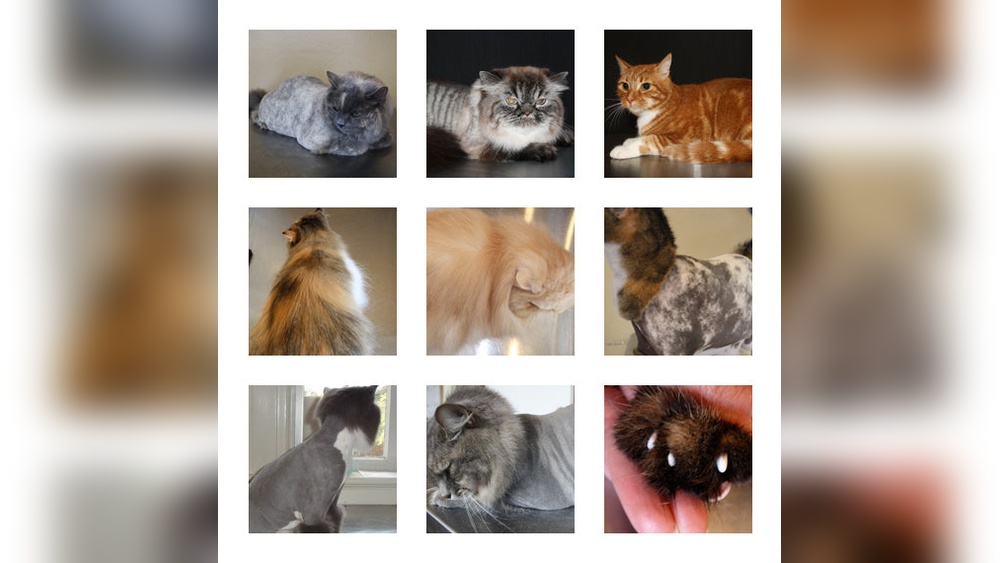
If you have a cat, you might wonder why grooming is so important. Grooming your cat isn’t just about keeping them looking nice—it affects their health and happiness too.
When you take the time to groom your cat, you’re helping prevent problems like hairballs, skin issues, and matting. Plus, it strengthens the bond between you and your furry friend. Curious to know how grooming can make a real difference in your cat’s life?
Keep reading to discover why grooming your cat with NCGIA is a smart choice for both of you.
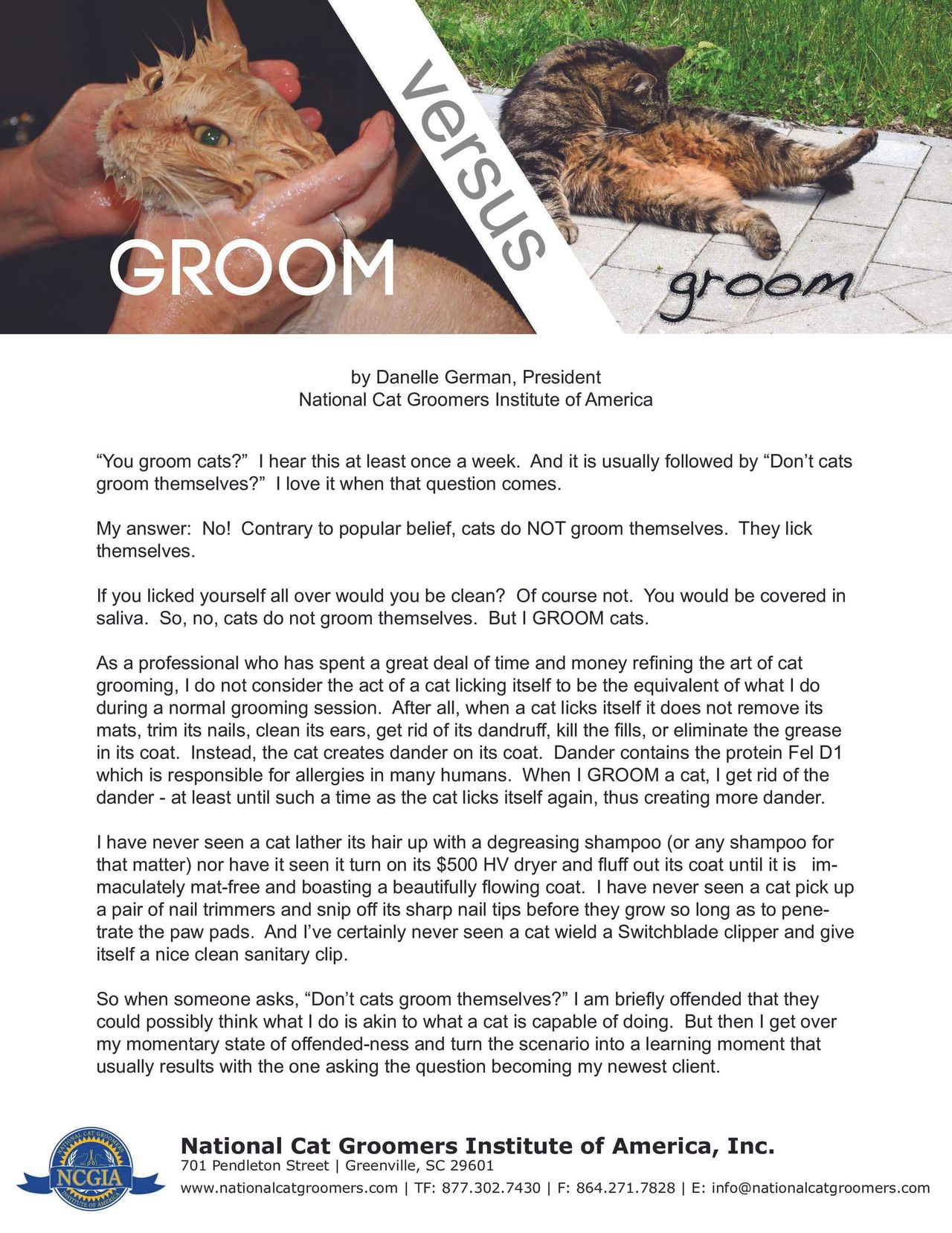
Credit: www.sopopaws.com
Benefits Of Cat Grooming
Grooming your cat offers many important benefits. It helps keep your cat healthy and happy. Regular grooming supports their overall well-being and comfort. It also helps you notice small health problems early. Spending time grooming builds trust and love between you and your cat.
Improved Coat Health
Brushing your cat removes dirt and loose fur. It spreads natural oils that keep the coat shiny. A clean coat feels soft and looks beautiful. Grooming prevents mats and tangles that hurt the skin. Healthy fur protects your cat from cold and heat.
Reduced Shedding
Regular grooming cuts down on shedding around your home. Brushing catches loose hairs before they fall off. This means less fur on your furniture and clothes. It helps keep your house cleaner and fresher. Your cat also feels more comfortable without extra loose hair.
Early Detection Of Health Issues
Grooming gives you a chance to check your cat closely. You can spot bumps, rashes, or wounds early. This helps catch health problems before they get worse. Early treatment can save your cat pain and vet costs. It shows you care about your cat’s well-being.
Strengthening Cat-owner Bond
Grooming is a quiet time to connect with your cat. Gentle brushing feels relaxing and safe for your pet. This time together builds trust and friendship. Your cat learns to enjoy your touch and presence. Grooming sessions deepen the love between you both.
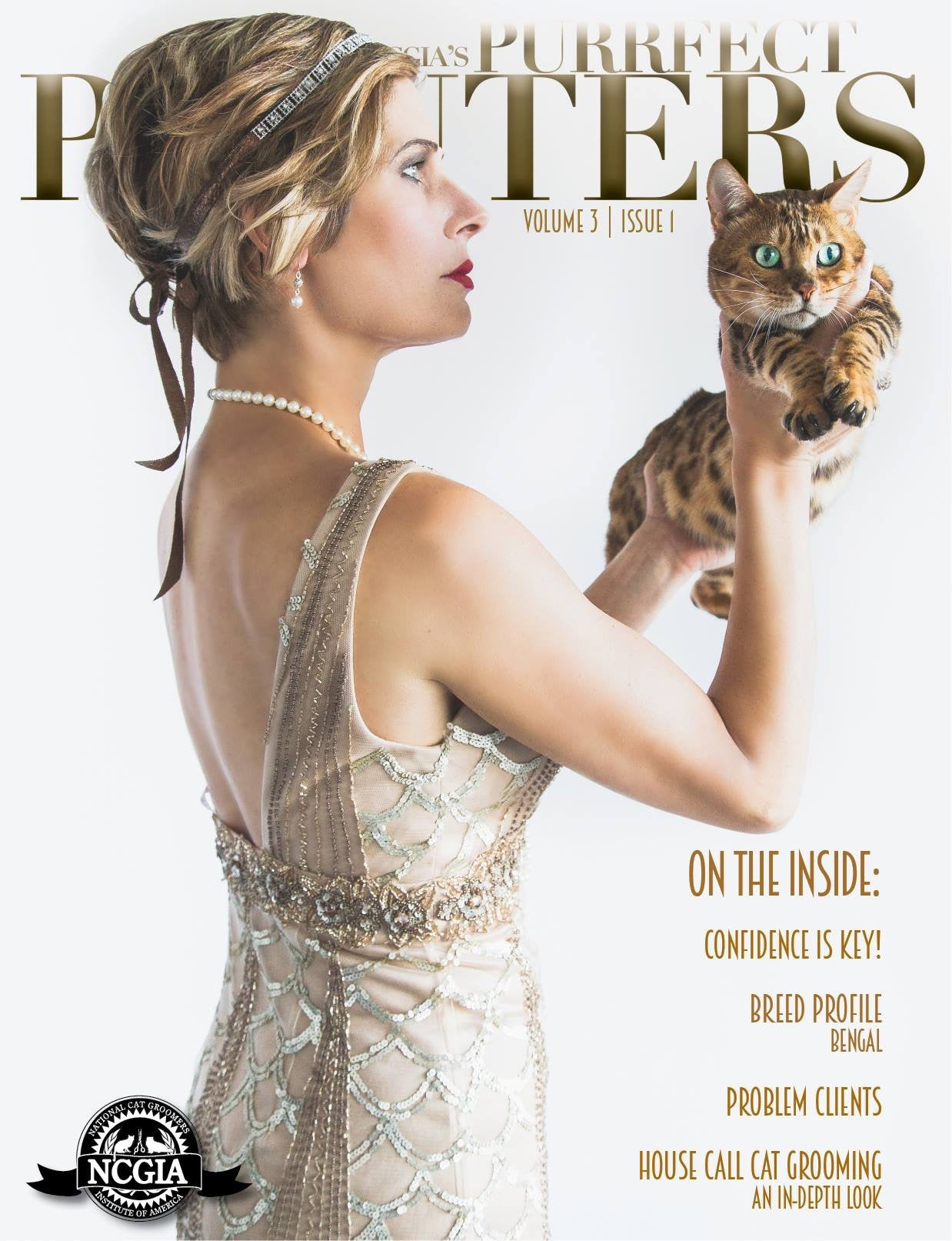
Credit: nationalcatgroomers.com
Essential Grooming Tools
Grooming your cat is more than just a routine. It keeps your pet healthy and happy. Using the right tools makes grooming easier and safer. Essential grooming tools help prevent fur mats, nail injuries, and infections. They also make the experience calm and pleasant for your cat.
Choosing The Right Brush
Select a brush that fits your cat’s fur type. Short-haired cats need soft bristle brushes. Long-haired cats benefit from a slicker brush or metal comb. Brushing removes loose fur and prevents hairballs. It also keeps your cat’s coat shiny and smooth.
Nail Clippers And Trimmers
Use nail clippers made for cats. They have a safe design to avoid cutting the quick. Trim your cat’s nails regularly to stop scratching damage. Keep sessions short to reduce stress. Proper nail care protects furniture and people.
Ear And Eye Care Supplies
Keep your cat’s ears clean with gentle wipes or cotton balls. Avoid using cotton swabs inside the ear canal. Check for redness or bad smells, which may need a vet visit. Use a soft, damp cloth to wipe around the eyes. This helps remove discharge and prevents irritation.
Safe Cat-friendly Shampoos
Choose shampoos made specifically for cats. Human shampoos can irritate their skin. Use mild formulas without harsh chemicals or strong scents. Bathing too often can dry out the skin. A shampoo bath only when necessary keeps your cat’s coat fresh and healthy.
Step-by-step Grooming Routine
Grooming your cat regularly keeps them healthy and happy. A good routine makes grooming easier for both of you. Follow these simple steps to care for your cat’s coat, nails, ears, and eyes safely. Consistency helps your cat feel comfortable and relaxed during grooming.
Brushing Techniques
Choose a brush that suits your cat’s fur type. Start brushing gently to remove loose hair and dirt. Brush in the direction of hair growth. Use short, soft strokes for sensitive areas. Brush your cat’s entire body, including under the legs and tail. Regular brushing prevents mats and reduces shedding.
Bathing Your Cat Safely
Fill a sink or tub with a few inches of warm water. Use a cat-safe shampoo only. Wet your cat slowly, avoiding the head and ears. Lather shampoo gently, then rinse well with warm water. Dry your cat with a soft towel. Keep baths short to reduce stress.
Trimming Nails Effectively
Use sharp, small nail clippers made for cats. Hold your cat’s paw firmly but gently. Trim only the sharp tips, avoiding the quick (pink area). Cut one nail at a time and reward your cat. Stop if your cat gets stressed and try again later.
Cleaning Ears And Eyes
Use a soft cloth or cotton ball dampened with warm water. Wipe around the eyes to remove discharge. Check ears for dirt or wax buildup. Clean ears gently without inserting anything deep. Regular cleaning prevents infections and keeps your cat comfortable.
Handling Common Grooming Challenges
Grooming a cat can bring many challenges. Cats have unique needs and sometimes resist care. Knowing how to handle these issues helps keep your cat happy and healthy. It also makes grooming easier for you and your pet.
Below are common grooming challenges and ways to manage them effectively.
Dealing With Matted Fur
Matted fur can cause pain and skin problems. Use a wide-tooth comb to gently work through mats. Start from the edges and move slowly. For severe mats, consider trimming or seek help from a professional groomer. Regular brushing prevents mats from forming.
Managing Aggressive Behavior
Some cats get aggressive during grooming. Stay calm and use a soft voice to comfort your cat. Break grooming into short sessions to reduce stress. Use treats to reward good behavior. Protective gloves can keep you safe if your cat scratches or bites.
Grooming Senior Cats
Older cats may have fragile skin and less flexibility. Be gentle and avoid pulling on fur. Use softer brushes designed for sensitive skin. Groom in a warm, quiet place to keep your cat relaxed. Watch for signs of discomfort and stop if needed.
Keeping Cats Calm During Grooming
Calm cats make grooming easier. Choose a quiet spot with few distractions. Talk softly to soothe your cat. Use slow, gentle strokes when brushing. Give breaks and offer treats to build positive feelings about grooming time.
Diet And Grooming Connection
Grooming your cat goes beyond brushing and bathing. Diet plays a key role in your cat’s coat and skin health. A good diet supports shiny fur and smooth skin. It helps reduce shedding and prevents dryness or irritation. Healthy eating and grooming work together to keep your cat comfortable and looking great.
Nutrition For A Healthy Coat
Protein is essential for strong fur. Cats need animal-based proteins like chicken or fish. Fatty acids, especially omega-3 and omega-6, keep the coat soft and shiny. Vitamins like A and E protect skin cells. Balanced meals supply these nutrients and promote a healthy coat.
Hydration And Skin Health
Water keeps your cat’s skin hydrated and elastic. Dry skin leads to itching and flakes. Wet cat food contains moisture, helping hydration. Always provide fresh water for your cat. Proper hydration supports grooming by reducing skin problems.
Supplements That Support Grooming
Some cats benefit from extra supplements. Fish oil capsules add omega-3 fatty acids. Biotin helps with skin and coat repair. Before adding supplements, check with your vet. Supplements can boost grooming results and improve fur quality.
Credit: groomwise.typepad.com
When To Seek Professional Grooming
Knowing when to seek professional grooming for your cat is important. Some cats need expert care beyond home brushing. Professional groomers have tools and skills to handle tough mats, skin issues, and more. Recognizing the right time helps keep your cat healthy and comfortable.
Signs Your Cat Needs Expert Care
Look for mats or tangles that you cannot remove. Excessive shedding or hair loss may signal skin problems. If your cat smells bad or has dirty ears, it may need a deep clean. Changes in behavior, like hiding or scratching, can mean discomfort. Difficulty using the litter box may relate to poor grooming. These signs show your cat needs a grooming professional.
Finding A Trusted Groomer
Choose a groomer with good reviews and experience with cats. Visit the salon first to check cleanliness and safety. Ask about how they handle stressed or shy cats. Make sure they use gentle tools and products. A trusted groomer respects your cat’s limits and health. Good communication between you and the groomer is key.
Costs And Frequency Of Professional Grooming
Professional grooming costs vary by services and cat size. Basic grooming may include brushing, nail trimming, and ear cleaning. More complex care, like dematting or medicated baths, costs extra. Most cats benefit from grooming every 6 to 8 weeks. Long-haired cats or those with health issues may need it more often. Regular visits prevent problems and keep your cat happy.
Frequently Asked Questions
Why Is Grooming Important For Cats?
Grooming keeps your cat’s coat clean and healthy. It removes dirt, loose hair, and prevents matting. Regular grooming also reduces hairballs and improves skin health. It strengthens the bond between you and your cat. Overall, grooming enhances your cat’s comfort and well-being.
How Often Should I Groom My Cat?
Cats with short hair need grooming once a week. Long-haired cats require grooming two to three times weekly. Frequency depends on your cat’s breed and activity level. Regular grooming prevents tangles, reduces shedding, and promotes healthy skin.
Can Grooming Prevent Cat Health Issues?
Yes, grooming helps detect skin problems early. It prevents infections, matting, and parasites like fleas. Grooming improves circulation and reduces hairballs. Regular checks during grooming support overall cat health and comfort.
What Grooming Tools Do I Need For Cats?
A slicker brush, comb, and nail clippers are essential. Use a soft brush for sensitive areas. Choose tools based on your cat’s fur type. Proper tools make grooming safe and effective.
Conclusion
Grooming your cat keeps their coat clean and healthy. It helps reduce hairballs and matting. Regular brushing lets you check for skin problems early. Cats enjoy gentle grooming; it builds trust and comfort. Simple care routines make your cat happier and healthier.
Take time to groom your cat often. A little effort makes a big difference in their life. Healthy, happy cats start with good grooming habits.