

Have you ever watched your cat grooming and wondered why it sometimes bites its claws? It might seem strange or even worrying, but this behavior has a reason behind it.
Understanding why your cat bites its claws during grooming can help you keep your furry friend happy and healthy. Keep reading to discover what’s really going on and how you can make sure your cat’s grooming routine is safe and comfortable.

Credit: blog.petloverscentre.com
Cats And Claw Biting
Cats spend a good part of their day grooming. Grooming keeps their fur clean and healthy. You may notice cats biting their claws during this routine. This behavior might seem strange but has a clear purpose. Understanding why cats bite their claws helps you learn more about their habits and needs.
Common Grooming Habits
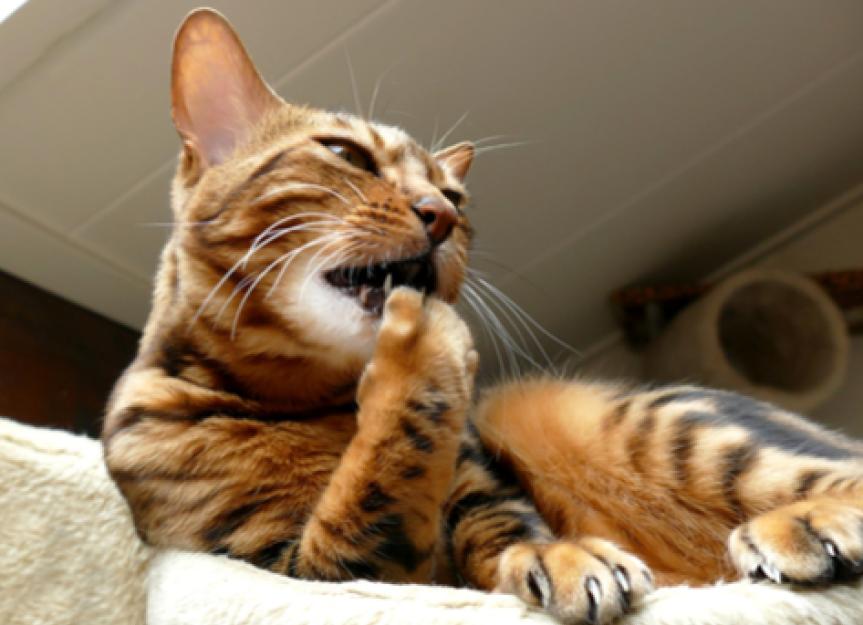
Cats lick their fur to remove dirt and loose hair. They also bite small areas to clean hard-to-reach spots. Biting claws is part of this process. It helps cats remove debris stuck around their nails. Sometimes, cats chew their claws to keep them sharp and neat. This behavior is natural and shows good hygiene.
Why Claws Attract Attention
Claws are important tools for cats. They use claws for climbing, hunting, and self-defense. Because claws grow constantly, cats need to care for them. Biting claws helps remove old claw layers. It also prevents claws from becoming too long or sharp. Cats focus on their claws because they play a key role in their daily life.
Credit: www.petmd.com
Health-related Causes
Cats bite their claws for many health reasons. Sometimes, their claws may hurt or feel uncomfortable. This causes them to chew or bite the claws to find relief. Understanding these health-related causes helps you care for your cat better.
Nail Overgrowth Issues
Cat claws grow continuously. If they do not wear down naturally, they can become too long. Overgrown nails can curl and dig into the paw pads. This causes pain and discomfort. Cats may bite their claws to try to fix this problem. Regular nail trimming prevents overgrowth and biting.
Infections And Irritations
Infections can develop around a cat’s claws. Bacteria or fungi may cause redness and swelling. Infected claws hurt and itch a lot. Cats bite their claws to soothe the irritation. Watch for signs like redness, pus, or limping. Veterinary care is important to treat infections quickly.
Allergies Affecting Claws
Allergies can cause itchy skin around claws. Cats may bite their claws to stop the itch. Allergic reactions can come from food, fleas, or the environment. The skin near the claws might look red or inflamed. Identifying the allergen helps reduce biting and discomfort.
Behavioral Reasons
Cats bite their claws for several behavioral reasons. These habits often show how cats feel inside. Understanding these signs helps in caring for your cat better. Cats use claw biting to express emotions and cope with their environment.
Stress And Anxiety Signals
Cats bite their claws when they feel stressed. Stress can come from loud noises or new places. Biting claws helps cats calm down. It works like a comfort action to reduce worry. This behavior tells you your cat feels uneasy. Watch for other signs like hiding or restless movements.
Boredom And Habit Formation
Bored cats often bite their claws out of habit. Lack of play or attention can cause this. The biting becomes a repeated action over time. It fills their time and keeps them busy. This habit may grow stronger if not stopped. Giving toys and attention helps break this cycle.
Environmental Influences
Cats bite their claws for different reasons. One big reason is the environment around them. The place where a cat lives and what it has to scratch on can change how it cares for its claws. This section looks at these environmental influences.
Impact Of Indoor Vs Outdoor Life
Indoor cats often bite their claws more than outdoor cats. Inside, they do not have natural surfaces to wear down their claws. Their claws can grow longer and sharper. Biting helps keep them clean and short.
Outdoor cats get natural scratching from trees, rocks, and rough ground. These surfaces help remove loose claw layers. Outdoor cats may bite their claws less because of this natural wear.
Role Of Scratching Surfaces
Scratching surfaces are very important for cats. Cats use them to keep their claws healthy. Soft or unsuitable surfaces do not help much. Cats may bite their claws more if they cannot scratch well.
Good scratching posts or pads help cats remove old claw layers. They reduce the need for claw biting. Providing proper scratching areas can improve claw health and reduce biting behavior.
When To Seek Veterinary Help
Cats often bite their claws during grooming to clean and keep them sharp. This is normal behavior, but sometimes it signals a problem. Knowing when to seek veterinary help is important for your cat’s health.
Watch your cat closely. Notice changes in how often or how hard they bite their claws. Some signs mean a vet visit is needed to avoid serious issues.
Signs Of Serious Problems
Look for swelling or redness around the claws. Bleeding or pus can show infection. Limping or favoring one paw means pain. Excessive biting that causes wounds or bald spots is a warning. Bad smell or discharge near the nails also needs attention. These signs show your cat may suffer from injury or infection.
Preventive Care Tips
Trim your cat’s claws regularly to avoid overgrowth. Keep their paws clean and dry. Provide scratching posts to reduce nail biting out of stress. Check paws often for cuts or foreign objects. Use soft brushes to groom fur around claws gently. Early care helps prevent infections and keeps your cat comfortable.
Managing And Redirecting Claw Biting
Managing and redirecting claw biting helps keep cats healthy and happy. Cats bite their claws to clean them or relieve stress. Sometimes, this habit can cause damage or discomfort. Guiding your cat to safer habits protects their paws and your home.
Safe Nail Trimming Techniques
Trim your cat’s nails carefully to reduce biting. Use sharp, small nail clippers made for cats. Hold your cat gently but firmly. Cut only the sharp tip, avoiding the pink area. This part is sensitive and bleeds easily. Trim nails every two to three weeks. This prevents overgrowth and reduces the urge to bite.
Make trimming a calm, quick routine. Praise your cat after each session. Use soft words and gentle petting. Avoid forcing the cat. Stop if it gets too stressed. Try again later or ask a vet for help.
Providing Stimulating Alternatives
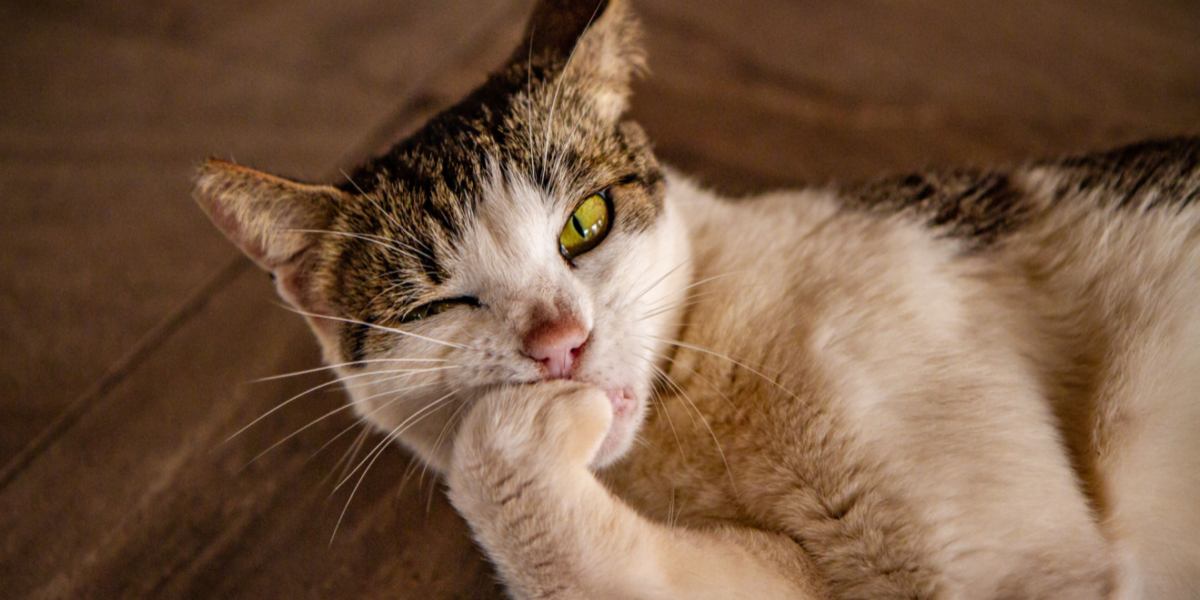
Offer toys and scratching posts to keep your cat busy. Toys with different textures help satisfy biting urges. Scratching posts keep claws healthy and strong. Rotate toys regularly to keep interest high. Play with your cat daily to reduce boredom. Bored cats bite claws more often. Mental and physical activity lowers stress and bad habits.
Credit: cats.com
Frequently Asked Questions
Why Do Cats Bite Their Claws During Grooming?
Cats bite their claws to clean and remove dirt or debris. This behavior helps keep their claws sharp and healthy. It also aids in removing old claw sheaths during the shedding process. Grooming by biting claws is a natural, instinctive habit that promotes overall paw hygiene.
Is Biting Claws Normal Grooming Behavior For Cats?
Yes, biting claws is a normal part of cat grooming. It helps maintain claw condition and prevents overgrowth. This behavior also reduces the risk of claw damage or infection. Regular claw biting indicates a healthy grooming routine and a content cat.
Can Biting Claws Indicate A Cat’s Stress Or Health Issue?
Occasional claw biting is normal, but excessive biting may signal stress or health problems. Over-biting can cause injury or infection. If your cat bites claws obsessively, consult a vet to rule out anxiety, allergies, or skin conditions affecting the paws.
How Often Should Cats Groom Their Claws By Biting?
Cats typically groom their claws daily or every few days. This frequency keeps claws clean and sharp. However, grooming habits vary among cats based on personality and environment. Regular observation ensures your cat maintains a healthy grooming routine.
Conclusion
Cats bite their claws to keep them clean and sharp. This behavior helps remove dirt and old nail layers. It also feels good and relaxes them. Understanding why cats do this can help you care for them better. Watch your cat’s grooming habits to spot any problems early.
Healthy claws mean a happier cat. Keep their nails trimmed and check for signs of discomfort. Simple steps make a big difference in your cat’s life. Remember, a well-groomed cat is a content cat.