

Have you ever caught your cat licking or biting the same spot over and over again? It can be worrying to see your furry friend grooming so much that their skin looks irritated or bald.
You might wonder, “Why does my cat obsessively groom? ” Understanding this behavior is key to helping your cat feel comfortable and happy. You’ll discover the common reasons behind excessive grooming and what you can do to support your cat’s well-being.
Keep reading—you might be surprised by what’s really going on beneath all that fur!
:strip_icc()/how-to-stop-cat-over-grooming-554052-02-292560d5fa1542458556eff312f669d7.jpg)
Credit: www.thesprucepets.com
Signs Of Excessive Grooming
Cats groom themselves to stay clean and calm. Grooming is normal but can become too much. Excessive grooming means your cat spends too much time licking or biting. This behavior may point to stress or health problems. You can spot excessive grooming by watching your cat’s actions and skin closely.
Behavioral Clues
Excessive grooming shows in your cat’s daily habits. Your cat may lick the same spot repeatedly. It might chew or bite the fur until it looks thin. You could see your cat grooming more than usual after stress or change. Restlessness and hiding can appear with grooming obsession. Your cat may seem unhappy or anxious.
Physical Symptoms
Check your cat’s skin for signs of grooming damage. Look for red, sore, or irritated patches. Bald spots or thinning fur can appear on certain areas. Skin may look dry or scaly from too much licking. Sometimes, wounds or scabs develop from biting. These signs show your cat needs help.
Common Medical Causes
Cats may groom themselves too much due to skin allergies, parasites, or pain. Health problems often cause this behavior. Watching your cat closely helps spot these issues early.
Cats often groom themselves to stay clean. But when grooming becomes too much, a medical issue might be the cause. Many health problems make cats scratch or lick their skin a lot. This can lead to sore spots or hair loss. Understanding these medical causes helps keep your cat healthy and happy.
Skin Allergies
Skin allergies cause itching and irritation in cats. These allergies can come from food, pollen, or dust. Cats with allergies lick and scratch to ease the itch. This behavior can become a habit, leading to obsessive grooming. Treating allergies can stop the constant licking and scratching.
Parasite Infestations
Parasites like fleas and mites make cats very uncomfortable. Flea bites cause itching and redness on the skin. Cats try to remove these pests by biting and licking their fur. This can cause hair loss and skin damage. Finding and treating parasites stops the obsessive grooming quickly.
Pain And Discomfort
Pain in a certain area can cause a cat to groom that spot more. Injuries, arthritis, or skin infections cause pain and discomfort. The cat licks to soothe the pain or clean wounds. If grooming seems focused on one area, it might mean your cat is hurting.
Psychological Triggers
Cats groom themselves to stay clean and healthy. Sometimes, this grooming becomes more than just cleaning. It can turn into an obsession. This obsessive grooming often links to the cat’s feelings and mind. Psychological triggers play a big role in this behavior. These triggers affect how your cat feels and acts daily.
Stress And Anxiety
Stress can cause your cat to groom too much. Loud noises, new pets, or changes in the home create stress. Grooming helps cats feel calm for a short time. It works like a comfort action. But too much grooming can harm their skin.
Boredom And Lack Of Stimulation
Cats need play and mental exercise. Without enough activity, they get bored. Boredom can lead to obsessive grooming. Cats use grooming to pass time or relieve restlessness. Providing toys and playtime reduces this behavior.
Compulsive Disorders
Some cats develop compulsive grooming habits. This is a mental health issue. It causes repeated, uncontrollable grooming sessions. These disorders need attention from a vet. Treatment may include behavior changes or medication to help your cat.
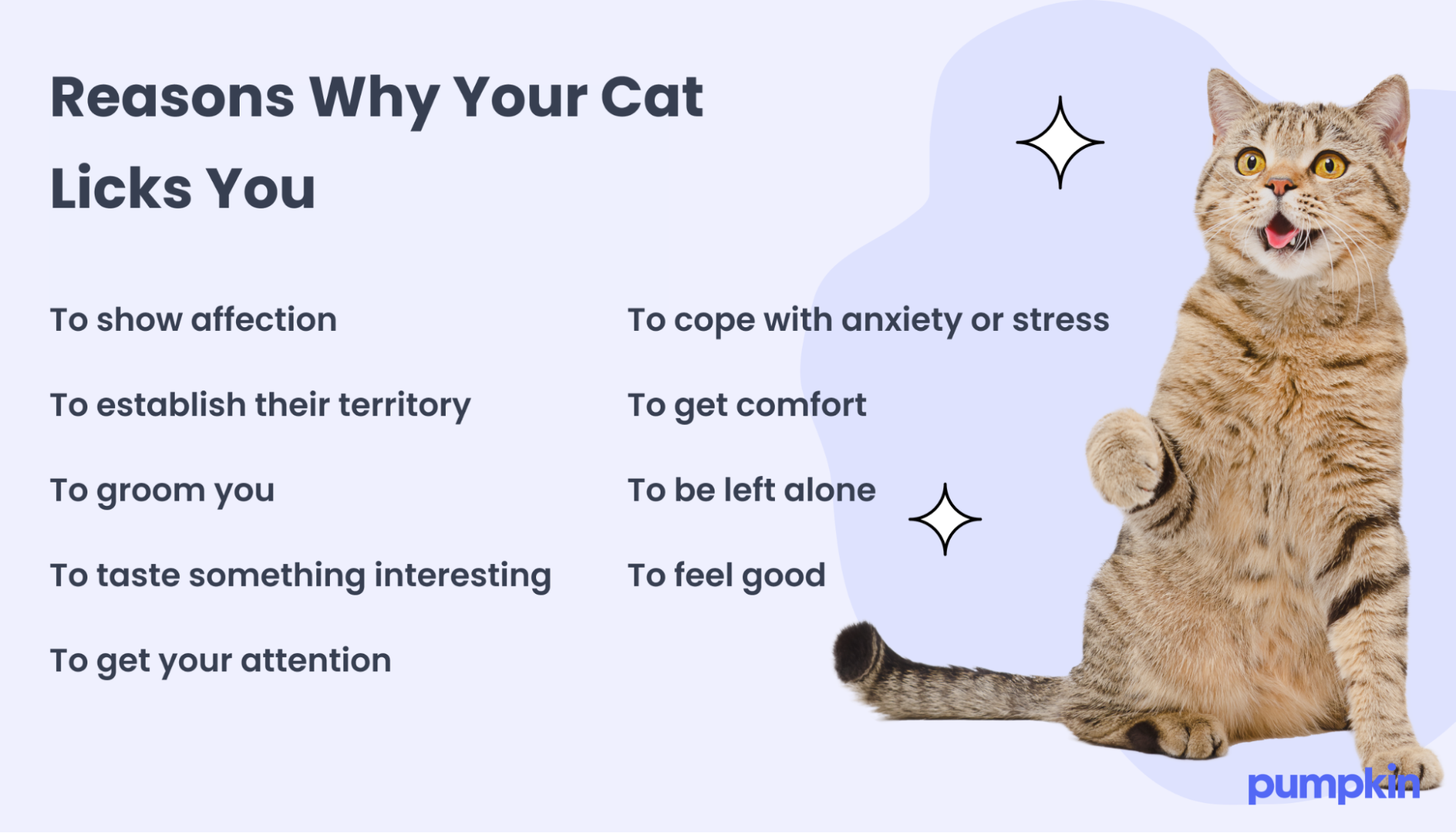
Credit: www.pumpkin.care
Environmental Factors
Cats groom themselves to stay clean and comfortable. Sometimes, their environment affects how much they groom. Changes around them can cause stress or anxiety, leading to more grooming than usual. Understanding these environmental factors helps you care for your cat better.
Changes In Household
Moving to a new home can make a cat nervous. New sights, smells, and sounds may cause stress. This stress often shows in extra grooming. Even small changes, like new furniture or visitors, can trigger this behavior. Cats use grooming as a way to calm down.
Interactions With Other Pets
New pets in the house can affect a cat’s mood. Some cats feel threatened or stressed by other animals. Grooming helps them feel safe and relaxed. Too much grooming might mean your cat feels uneasy. Watching their interactions can help you spot problems early.
Climate And Grooming Needs
Weather changes impact grooming habits. In hot weather, cats lick more to cool down. Cold weather may cause dry skin, leading to extra grooming. Humidity can also affect their fur condition. Adjusting their environment helps reduce obsessive grooming.
Impact On Cat’s Health
Excessive grooming in cats can harm their health. It may start as a way to clean but can turn into a problem. Over-grooming can cause several health issues that need attention. Understanding these effects helps owners protect their cats.
Skin Damage And Infections
Constant licking and biting can injure the skin. The skin may become red and sore. Open wounds may develop from too much grooming. These wounds can allow bacteria to enter. This can cause painful infections that need treatment. Untreated infections may worsen and spread.
Hair Loss And Irritation
Obsessive grooming often leads to bald patches. Cats may lose fur in certain spots. The skin beneath may look irritated or swollen. Hair loss can make cats feel uncomfortable. It also lowers their natural protection from sun and cold. This makes the skin more vulnerable to damage.
Treatment And Management
Obsessive grooming in cats can cause skin damage and stress. Managing this behavior needs care and patience. Treatment depends on the cause of grooming. Some cats need medical help, while others benefit from changes in their environment or habits.
Veterinary Care Options
First, take your cat to the vet for a full checkup. The vet looks for allergies, infections, or parasites. They may give medicine for skin problems. Sometimes, they suggest special diets or supplements. Medication can reduce itching and inflammation. Follow the vet’s advice closely for best results.
Behavioral Modification
Changing your cat’s behavior helps stop obsessive grooming. Distract your cat with toys or playtime. Reward calm behavior with treats and praise. Avoid punishment; it can make anxiety worse. Use gentle, consistent training to build new habits. Over time, your cat learns to relax without over-grooming.
Environmental Enrichment
Provide a stimulating and safe space for your cat. Add scratching posts, climbing trees, and hiding spots. Keep your cat busy with interactive toys. Create quiet areas to reduce stress. Changes in the environment help lower anxiety. A happy cat grooms less and feels better.
Preventive Measures
Preventive measures help stop your cat’s obsessive grooming. These steps keep your cat healthy and calm. They reduce the chances of skin problems or stress that cause over-grooming.
Regular Vet Checkups
Visit the vet often to catch health issues early. Skin allergies, parasites, or pain can cause grooming problems. The vet can find these issues before they get worse. Regular checkups keep your cat feeling good and relaxed.
Stress Reduction Techniques
Stress makes cats groom too much. Provide a quiet and safe space for your cat. Use calming tools like pheromone sprays or soft music. Play with your cat daily to keep it happy. A calm cat grooms less and feels better.
Proper Grooming Habits
Help your cat with regular brushing. It removes loose fur and dirt. Grooming together builds trust and lowers stress. Check your cat’s skin for redness or bumps. Clean ears and trim nails to keep your cat comfortable.
Credit: www.vetstreet.com
Frequently Asked Questions
Why Does My Cat Groom Excessively?
Cats groom excessively due to stress, allergies, or skin infections. Over-grooming helps them cope with anxiety or soothe irritated skin. Monitoring behavior and consulting a vet can identify underlying causes and provide proper treatment.
Can Obsessive Grooming Indicate Health Issues?
Yes, obsessive grooming often signals health problems like fleas, allergies, or pain. It can also be a sign of stress or boredom. Early veterinary diagnosis is crucial for effective treatment and preventing further complications.
How Can I Stop My Cat From Over-grooming?
Provide a calm environment, regular play, and a balanced diet. Use flea control and treat allergies promptly. Consult a vet for behavioral or medical issues to develop a tailored treatment plan for your cat.
Is Obsessive Grooming Harmful To Cats?
Yes, obsessive grooming can cause hair loss, skin wounds, and infections. It may also lead to emotional distress. Addressing the root cause early helps prevent these negative effects and ensures your cat’s well-being.
Conclusion
Cats groom to stay clean and calm. Sometimes, grooming becomes too much. It may show stress, allergies, or health problems. Watch your cat closely. Notice changes in behavior or skin. Visit a vet if grooming seems obsessive. Helping your cat feel safe is key.
A calm cat is a happy cat. Understanding grooming habits keeps your pet healthy. Simple care and attention make a big difference. Keep your cat comfortable and loved every day.