
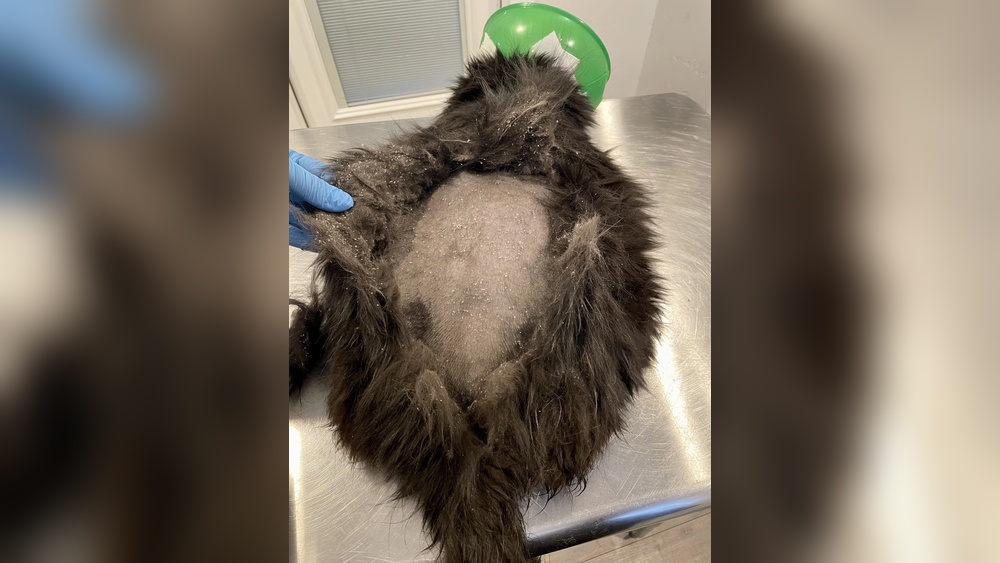
Have you ever wondered why sometimes your cat doesn’t clean itself like it usually does? You might think cats always keep themselves spotless, but there are moments when they don’t groom properly.
This can be confusing and even worrying for you as a cat owner. Understanding the reasons behind this behavior can help you take better care of your furry friend and spot any hidden problems early. Keep reading to discover why your cat might skip grooming and what you can do to help.

Credit: www.downtowntabbycattery.com
Common Grooming Habits
Cats spend a lot of time cleaning themselves. This is a normal part of their daily routine. Understanding their grooming habits helps explain why they sometimes stop grooming. It also shows how important grooming is for their health and happiness.
Grooming is more than just keeping clean. It helps cats feel calm and safe. Cats have unique ways of taking care of their fur and skin.
How Cats Usually Groom
Cats use their tongues to clean their fur. Their tongues have tiny, rough bumps. These bumps help remove dirt and loose hair. Cats lick their paws and rub them on their face and head. They also bite their fur gently to get rid of mats or tangles. Grooming happens many times a day, especially after eating or playing.
Benefits Of Self-grooming
Self-grooming keeps a cat’s fur soft and shiny. It helps remove dust, parasites, and dead skin. Grooming lowers body temperature by spreading saliva. It also reduces stress and calms the cat. Clean fur helps cats smell better to other cats. Grooming is a way to stay healthy and comfortable.
Health Issues Affecting Grooming
Cats usually keep themselves clean by grooming. Grooming helps them stay healthy and comfortable. Sometimes, health problems stop cats from grooming properly. These issues can cause discomfort or pain. When cats cannot groom, their fur looks messy and dirty. Understanding health problems helps you care for your cat better.
Skin Problems And Parasites
Skin problems can make grooming hard for cats. Conditions like allergies or infections cause itching and pain. Cats may avoid grooming sore areas. Parasites like fleas and ticks irritate the skin. They cause discomfort and make cats restless. Untreated skin issues lead to poor fur quality and bald spots.
Arthritis And Mobility Challenges
Arthritis affects many older cats. It causes joint pain and stiffness. Moving becomes difficult, especially reaching certain spots. Cats with arthritis often stop grooming hard-to-reach places. Limited mobility leads to dirty fur and mats. Pain can make grooming stressful for these cats.
Dental Pain And Its Impact
Dental problems affect a cat’s ability to groom. Mouth pain makes licking uncomfortable. Cats may avoid using their tongue for grooming. Tooth decay and gum disease cause this pain. Poor grooming results in a messy coat. Regular dental care helps prevent these issues.
Behavioral Causes
Cats are usually very clean animals. They spend a lot of time grooming their fur. But sometimes, they stop grooming themselves. This can happen because of their behavior. Changes in a cat’s mind or feelings can affect grooming habits.
When cats feel bad or uneasy, they may not take care of their fur. Their behavior can show signs of stress, sadness, or confusion. These feelings can stop them from grooming as usual. Understanding these causes helps us care for cats better.
Stress And Anxiety Factors
Stress can make a cat stop grooming. Loud noises, new pets, or visitors can cause stress. Cats may feel scared or worried. This can make them forget to clean themselves. Stress can also lead to over-grooming or no grooming at all.
Depression In Cats
Cats can feel sad like people do. Depression can come from loss or loneliness. When cats are depressed, they lose interest in grooming. Their fur may become dirty or matted. Depression makes cats less active and less clean.
Changes In Environment
Moving to a new home can confuse cats. Changes in their space can upset them. New smells and sounds make cats uneasy. This can stop their normal grooming habits. Cats need time to adjust to new places.
Credit: www.petsamaritans.co.uk
Age And Grooming Ability
Age plays a big role in a cat’s grooming habits. Young and old cats have different grooming needs and abilities. Their age affects how well they can clean themselves.
Grooming In Senior Cats
Older cats often struggle with grooming. Their joints can become stiff and painful. This makes it hard to reach certain spots on their body. Some senior cats may have dental problems. This can make licking uncomfortable or difficult. As a result, their fur might look messy or matted. They may need extra help from their owners to stay clean and healthy.
Kittens And Grooming Skills
Kittens are still learning how to groom themselves. They start by watching their mother or other cats. Grooming skills improve as they grow. At first, kittens may miss spots or groom too roughly. Their tongue and coordination get better with time. Young cats need patience and care while they develop good habits. Owners should help kittens stay clean until they can do it well on their own.
Other Physical Limitations
Cats usually keep themselves clean with regular grooming. Sometimes, they can’t do it well. Physical problems can stop a cat from grooming properly. These issues affect their ability to reach or move.
Injuries And Pain
Injuries make grooming hard for cats. A hurt leg or paw can stop them from licking. Pain in their joints or muscles limits movement. Cats avoid touching sore areas. This can cause patches of dirty fur.
Pain also lowers their activity. They rest more and groom less. Chronic pain from arthritis is common in older cats. It makes reaching certain spots difficult. Injuries need care to help cats groom again.
Obesity And Grooming Difficulty
Overweight cats often struggle with grooming. Excess fat blocks their flexibility. They cannot bend or twist easily. Hard to reach areas stay dirty or matted. Obesity also lowers their energy. Grooming takes more effort, so they skip it.
Fat cats may develop skin problems. Dirty fur leads to infections or irritation. Weight loss can improve grooming ability. Helping cats stay fit keeps their coats clean and healthy.
When To Seek Veterinary Help
Cats usually groom themselves to stay clean and healthy. Sometimes, they stop grooming due to health problems or stress. Knowing when to seek veterinary help can protect your cat’s well-being. Early care can prevent serious issues and make your cat feel better fast.
Signs Your Cat Needs Assistance
Look for patches of missing fur or skin wounds. Your cat may have a bad smell or oily coat. Notice if your cat is scratching more than usual. Watch for changes in behavior like hiding or less activity. Difficulty walking or pain can stop grooming too. These signs show your cat needs a vet’s help.
Treatment Options For Grooming Issues
The vet will check for infections, allergies, or parasites. They may give medicine or special shampoos to treat skin problems. Stress or anxiety might need calming treatments or changes at home. Sometimes, dental problems stop grooming and need fixing. Follow the vet’s advice for the best results. Regular checkups keep your cat happy and clean.
Helping Your Cat Stay Clean
Helping your cat stay clean is important for their health and comfort. Sometimes cats cannot groom themselves well because of age, illness, or stress. You can assist them by keeping their fur clean and free of mats. Regular care also prevents skin problems and keeps your cat happy.
A simple grooming routine helps build trust between you and your cat. It also keeps their coat shiny and soft. Here are some easy tips to help you care for your cat’s cleanliness.
Regular Brushing Tips
Brushing your cat removes loose fur and dirt. Use a soft brush that suits your cat’s fur type. Brush gently to avoid hurting their skin. Short sessions work best to keep your cat calm. Brush more often if your cat has long hair.
Check for mats or tangles during brushing. Use your fingers or a comb to loosen them. Always be patient and gentle. Praise your cat to make grooming a good experience.
Bathing Guidelines
Cats do not need baths often. Bathing too much can dry their skin. Use cat-safe shampoo only. Warm water is best for comfort. Avoid getting water in their eyes and ears.
Start slowly if your cat is new to baths. Use a calm voice and slow movements. Dry your cat with a towel after the bath. Keep the room warm until they are fully dry.
Creating A Comfortable Grooming Routine
Choose a quiet and calm place for grooming. Pick times when your cat feels relaxed. Keep sessions short and positive. Use treats to reward good behavior.
Watch your cat’s body language. Stop if they seem stressed. Gradually increase grooming time as your cat gets used to it. A gentle routine helps your cat stay clean and happy.

Credit: welovecatz.hu
Frequently Asked Questions
Why Don’t Some Cats Groom Themselves Regularly?
Some cats may avoid grooming due to illness, pain, or stress. Older or overweight cats also find grooming difficult. Lack of grooming can signal health problems needing veterinary attention.
Can Health Issues Stop Cats From Self-grooming?
Yes, conditions like arthritis, dental pain, or skin infections can prevent cats from grooming. These issues cause discomfort, making grooming painful or impossible. Early diagnosis and treatment help restore grooming habits.
How Does Grooming Benefit A Cat’s Health?
Grooming removes dirt, loose fur, and parasites. It also helps regulate body temperature and stimulates skin oils. Regular grooming is vital for a cat’s hygiene and overall well-being.
When Should I Worry About My Cat Not Grooming?
If your cat suddenly stops grooming or looks unkempt, monitor closely. Persistent neglect of grooming could indicate illness or injury. Consult a vet promptly for proper diagnosis and care.
Conclusion
Cats sometimes stop grooming themselves due to health or stress. Age and illness can make grooming hard or painful. Stressful changes in their environment may also cause this behavior. Owners should watch for signs and help their cats stay clean and comfortable.
Regular vet visits keep cats healthy and happy. Understanding why cats don’t groom helps provide better care. A clean cat is often a healthy cat. Small efforts make a big difference in your pet’s life. Keep your feline friend safe and well-groomed.