
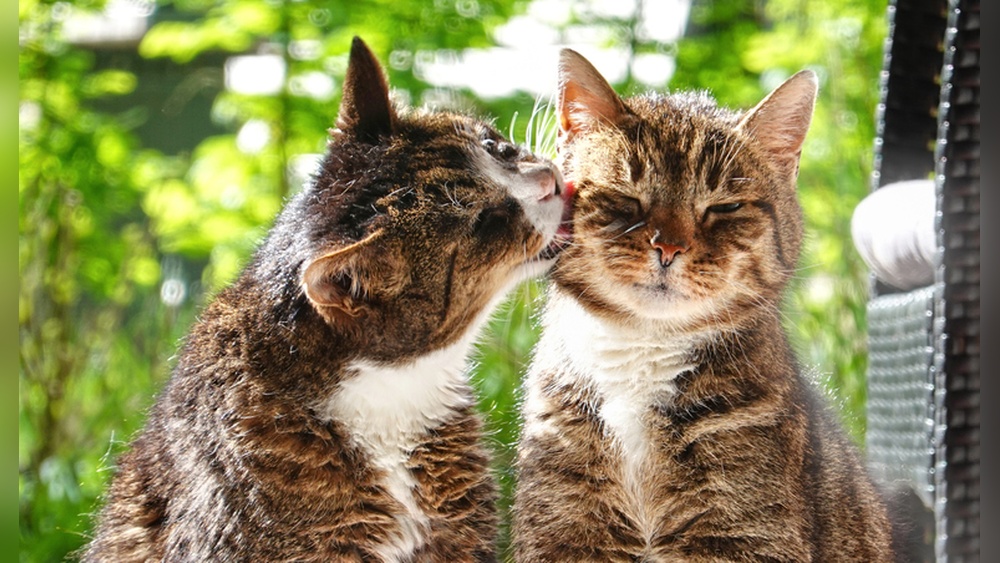
Have you ever watched your cats gently licking each other and wondered why they do it? This simple act of grooming is more than just cleaning fur.
It’s a powerful way your cats bond, show trust, and even keep peace in their little world. Understanding why domestic cats groom each other can help you see your pets in a whole new light—and strengthen the connection you share with them.
Keep reading to discover the surprising reasons behind this fascinating behavior.
Credit: www.catster.com
Social Bonding
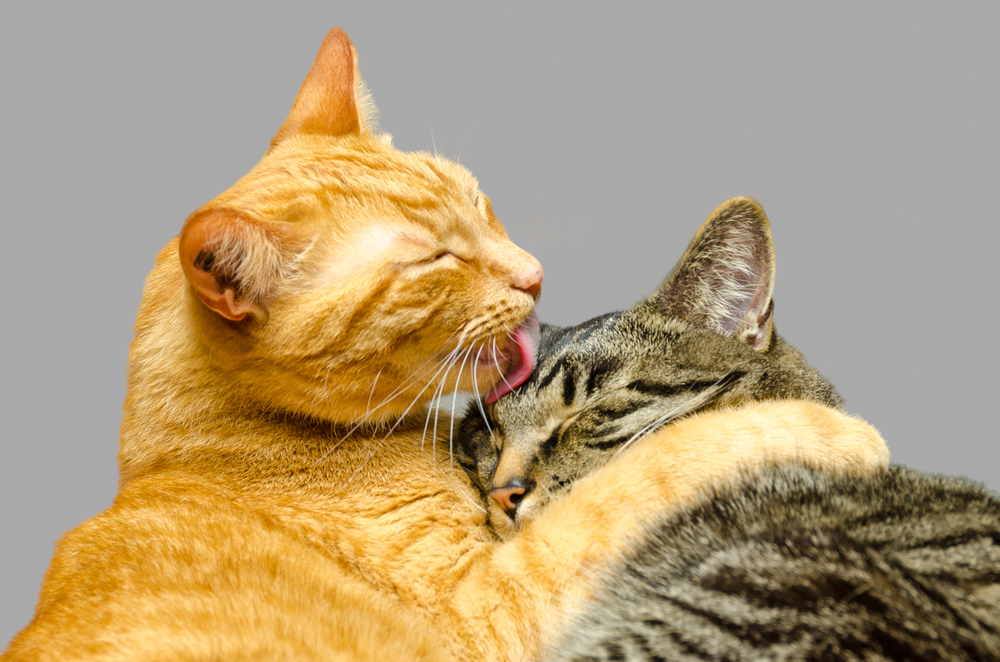
Domestic cats often groom each other as a way to build strong social bonds. This behavior goes beyond cleaning. It helps cats connect and feel safe within their group. Grooming serves as a gentle, caring act that strengthens friendships.
Strengthening Relationships
Grooming helps cats show affection to one another. It creates a sense of closeness between cats. Through grooming, they express care and kindness. This action makes their friendship stronger over time.
Group Cohesion
Grooming keeps the group united. Cats that groom each other stick together better. This unity helps them stay calm and peaceful. It reduces stress and fights inside the group.
Mutual Trust
When cats groom each other, it builds trust. They feel safe and accepted in the group. Trust grows through this gentle touch. It helps cats live happily together.
Hygiene Benefits
Domestic cats groom each other for many reasons. One key reason is hygiene. Grooming helps cats stay clean and healthy. It removes dirt and debris from their fur. This behavior also supports their overall well-being.
Cleaning Hard-to-reach Areas
Cats have flexible bodies but some spots remain hard to reach. Areas like the back of the head and neck are tough to clean alone. Grooming each other helps cats reach these places. This keeps their fur neat and free of dirt.
Parasite Control
Parasites like fleas and ticks can hide in a cat’s fur. Grooming helps remove these pests before they cause harm. By licking and nibbling each other, cats reduce parasite risks. It is a natural way to keep bugs away.
Maintaining Coat Health
Grooming spreads natural oils across the fur. These oils keep the coat shiny and soft. Regular grooming also prevents mats and tangles in thick fur. Healthy fur protects cats from weather and skin problems.
Stress Reduction
Domestic cats often groom each other to reduce stress. This behavior helps them stay calm and feel safe. Grooming is more than cleaning; it is a way to share comfort. Cats that groom each other show strong social bonds. This interaction lowers their stress levels in many ways.
Calming Effects
Grooming releases feel-good chemicals in a cat’s brain. These chemicals help lower heart rate and blood pressure. Cats feel relaxed and peaceful after grooming sessions. The slow, gentle licking soothes their nerves. This calming effect is a natural stress relief.
Comfort And Security
Grooming creates a sense of comfort between cats. It signals trust and friendship. Cats feel safer in a group that grooms together. This shared activity builds a secure environment. Feeling safe reduces stress and fear in cats.
Reducing Anxiety
Mutual grooming distracts cats from worries and fears. It helps them focus on positive interactions. Grooming lowers anxiety by providing attention and care. Cats feel less alone and more supported. This reduces stress and promotes emotional well-being.
Communication Signals
Domestic cats use grooming to send important communication signals. It is not just about cleaning fur. Grooming helps cats share messages and build bonds. Understanding these signals can help us know cats better.
Marking Territory
Cats groom each other to mark their territory. Their saliva has a unique scent. When cats lick each other, they spread this scent. This tells other cats, “This is our space.” It keeps peace among cats living nearby.
Social Hierarchy
Grooming shows who is higher or lower in the group. Higher-ranking cats often groom lower-ranking cats. This act shows care and control. Lower-ranking cats accept this to keep harmony. Grooming helps maintain order in cat groups.
Nonverbal Messages
Grooming sends gentle messages without words. It shows trust and friendship. Cats that groom each other feel safe. It also calms stressed cats. Through grooming, cats express feelings quietly and clearly.
Kitten Care
Kitten care is very important for their growth and happiness. Grooming plays a big role in this early stage. Cats start learning how to clean themselves and others from a young age. This helps them stay healthy and build strong bonds.
Understanding how kittens are cared for helps us see why they groom each other. It also shows the special role their mother plays in this process.
Mother’s Role
The mother cat grooms her kittens from birth. She cleans their fur and stimulates their bodies. This keeps them warm and helps with digestion. The mother’s grooming also teaches kittens about cleanliness.
Teaching Grooming Habits
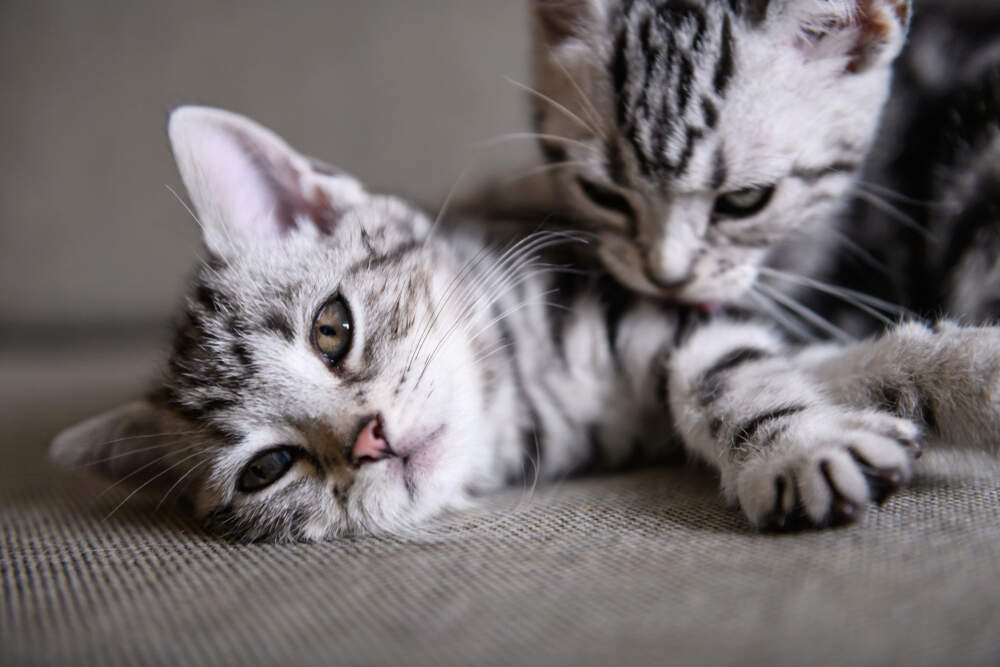
Kittens watch their mother carefully. They start licking themselves and each other. This behavior is learned, not just instinct. Grooming helps kittens learn how to care for themselves and others.
Promoting Development
Grooming supports physical and emotional growth. It improves circulation and keeps fur healthy. Grooming also helps kittens feel safe and loved. This early care shapes their social skills.
Credit: www.comfortzone.com
When Grooming Goes Too Far
Domestic cats groom each other to build bonds and stay clean. This behavior usually shows trust and friendship. But sometimes, grooming can become too much. When grooming goes too far, it can hurt the cats and cause problems. Understanding the signs of overgrooming helps keep cats healthy and happy.
Overgrooming Signs
Look for bald spots or red skin on your cat. These areas show overgrooming damage. Cats may lick or bite the same spot many times. The skin might look raw or irritated. Overgrooming can cause pain and discomfort. Watch for changes in your cat’s normal grooming habits.
Stress-related Grooming
Cats groom more when they feel stressed or anxious. New pets, loud noises, or changes at home can cause stress. Grooming becomes a way to calm down. This behavior may turn into overgrooming over time. Pay attention to your cat’s environment and routine. Reducing stress can help stop excessive grooming.
When To Seek Help
If your cat has wounds or hair loss, see a vet. Overgrooming may signal health issues or stress. A vet can find the cause and suggest treatments. Early help prevents more serious problems. Don’t wait until the skin is badly damaged.

Credit: www.fourpaws.com
Frequently Asked Questions
Why Do Domestic Cats Groom Each Other?
Domestic cats groom each other to strengthen social bonds and show affection. Grooming also helps remove dirt and loose fur. This behavior promotes group harmony and reduces stress among cats living together.
How Does Grooming Benefit Cat Relationships?
Grooming builds trust and reinforces social connections between cats. It reduces tension and creates a peaceful environment. Cats that groom each other usually have stronger, more cooperative relationships.
Do Cats Groom To Show Dominance Or Affection?
Cats primarily groom each other to show affection, not dominance. It is a friendly gesture that promotes bonding and comfort. However, occasional grooming can establish social hierarchy subtly.
Can Grooming Prevent Health Issues In Cats?
Yes, grooming helps remove parasites, dirt, and dead fur. It keeps cats clean and reduces the risk of skin infections. Mutual grooming can also help detect health problems early.
Conclusion
Cats grooming each other shows trust and friendship. It helps keep their fur clean and healthy. This behavior also reduces stress and builds strong bonds. Watching cats groom can be calming and sweet. Understanding this habit helps us care for our pets better.
It’s a simple way cats show love and connection. Domestic cats are social animals with gentle ways to interact. Grooming is more than cleaning; it’s a sign of care. Remember, this small act means a lot to cats.