
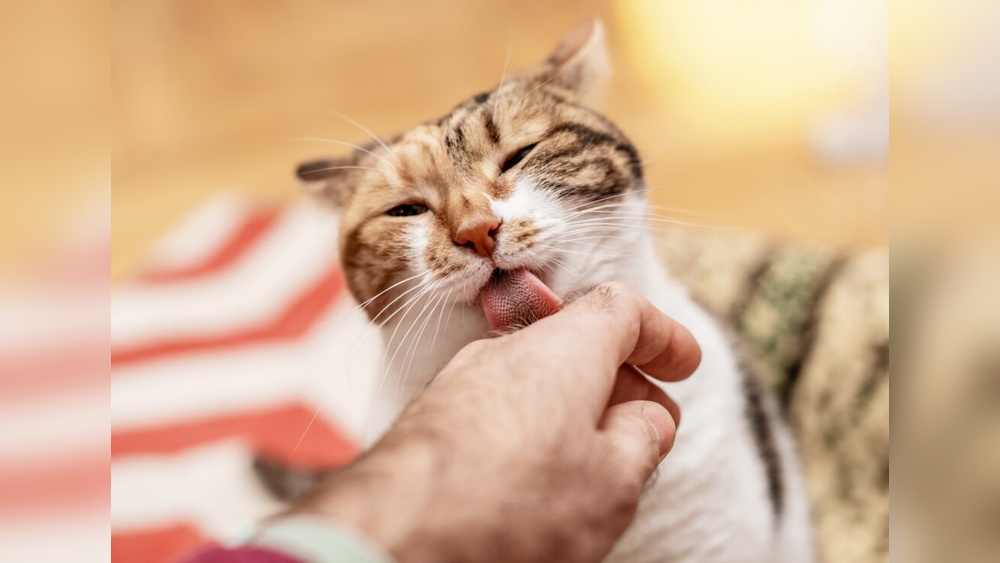
Have you ever watched your cat carefully lick another cat, only to suddenly see a quick bite that seems to come out of nowhere? It can leave you wondering, “Why does my cat groom my cat then bite them?” This strange behavior might seem confusing or even alarming at first.
But understanding why your feline friend does this can help you keep your pets happy and safe. Keep reading, and you’ll discover the surprising reasons behind this odd mix of care and conflict.
Credit: www.youtube.com
Cat Grooming Behavior
Cats spend a lot of time grooming each other. This behavior is natural and important. Grooming helps cats stay clean and feel safe. It also shows how they relate to each other. Sometimes, grooming can lead to a gentle bite. Understanding why cats groom and bite helps us see their true feelings.
Social Bonding Through Grooming
Cats groom each other to build friendships. This act shows trust and care. Grooming reduces stress and makes cats calm. It helps them stay close and connected. Cats that groom each other often live in peace. This behavior strengthens their social bonds every day.
Hierarchy And Dominance Signals
Grooming also shows who is in charge. The dominant cat often grooms the other. A quick bite may follow grooming to remind roles. This is normal and not a fight. It helps cats keep order in their group. The bite is a soft warning, not an attack.
Mutual Grooming Benefits
Mutual grooming keeps cats healthy and happy. It cleans hard-to-reach spots like the head and neck. This shared care lowers parasites and dirt. Grooming also spreads natural scents between cats. This scent sharing creates a group identity. It helps cats feel safe with each other.
Reasons Behind Groom-then-bite
Cats often groom each other as a way to show care and build trust. But sometimes, this loving act ends with a sudden bite. This behavior may seem confusing or even troubling. Understanding why cats groom then bite helps us see their feelings and communication.
Cats use grooming to bond and share comfort. Yet, biting after grooming can have different reasons. It depends on the cat’s mood and their relationship with the other cat. Let’s explore the common causes behind this curious behavior.
Playful Interaction
Grooming can turn into a playful moment. Cats often mix gentle bites with their grooming. These bites are usually soft and quick. They are a way to invite play or show excitement. This kind of bite is not meant to hurt.
Overstimulation Sensitivity
Too much grooming can cause overstimulation. Cats have sensitive skin and nerves. After grooming, a cat might feel irritated. Biting can be a way to say “enough.” This helps them stop the grooming before it becomes uncomfortable.
Marking Territory
Cats use bites to mark their territory. After grooming, a bite may leave their scent. This signals ownership and protection. It is a way to show the other cat who is in charge. This behavior helps maintain social order among cats.
Signs To Watch During Grooming
Watching your cat groom another cat can be interesting and confusing. Sometimes, the grooming ends with a sudden bite. Understanding the signs during grooming helps to know what your cats feel. Cats use body language, tail and ear movements, and sounds to communicate. These signs reveal if they are calm or stressed.
Body Language Clues
Cats use their whole body to show feelings. A relaxed cat has soft eyes and slow blinks. If the cat’s body is stiff or tense, it may feel uneasy. Watch for raised fur or a crouched posture. These signs show the cat might get upset soon.
Tail And Ear Movements
The tail tells a lot about a cat’s mood. A slowly moving tail means calmness. A tail that twitches or lashes quickly shows irritation. Ears also give clues. Forward ears mean interest. Ears flattened back or to the side suggest anger or fear.
Vocalizations And Purring
Sounds cats make during grooming vary. Gentle purring often means comfort. Loud or short meows might show annoyance. Hissing or growling is a clear warning. Listen carefully to these sounds to know if the grooming is welcome or not.
When Grooming Turns Aggressive
Cats grooming each other is usually a sign of love and trust. Sometimes, this sweet act can turn into biting. This change can confuse cat owners. Understanding why grooming becomes aggressive helps you support your cats better. It also keeps their bond strong and healthy.
Stress And Anxiety Triggers
Stress can make a cat act differently. Loud noises, new pets, or changes in the home can cause anxiety. When a cat feels stressed, grooming may become rough. Biting may follow as a way to stop the stress. Watch for signs of fear or nervousness in your cats.
Medical Issues Affecting Behavior
Health problems can change a cat’s behavior. Pain or skin irritation can make grooming uncomfortable. Biting might be a reaction to hurt spots. Check your cat for wounds, fleas, or infections. A vet visit can rule out health issues causing aggression.
Resource Guarding
Some cats protect their space or favorite spots. Grooming may be a way to claim ownership. Biting can happen if another cat gets too close. This behavior is called resource guarding. It helps to give cats their own safe places to reduce fights.
How To Manage Groom-bite Behavior
Managing groom-bite behavior in cats requires patience and clear strategies. This behavior can confuse owners and stress cats. Understanding how to redirect attention, create safe spaces, and use positive reinforcement helps reduce biting. These steps support better interactions between cats and keep them calm.
Redirecting Attention
When your cat starts grooming and biting, gently redirect their focus. Use toys or a soft brush to shift their attention. This helps them stop biting without feeling rejected. Offer something interesting to keep their mind busy and calm.
Providing Safe Spaces
Cats need areas where they feel safe and relaxed. Create quiet spots with cozy beds or hiding places. These safe spaces reduce stress and lower biting chances. Your cats will have a calm place to retreat when they feel overwhelmed.
Positive Reinforcement Techniques
Reward good behavior with treats or gentle petting. Praise your cat when they groom without biting. This encourages them to repeat calm, gentle grooming. Avoid punishment, which can increase anxiety and biting. Positive feedback builds trust and better habits.
Credit: www.toe-beans.com
Credit: arvadavethospital.com
Frequently Asked Questions
Why Does My Cat Groom Then Suddenly Bite?
Cats groom to show affection but may bite to set boundaries. Biting signals they want to stop or play. This behavior helps maintain social balance between cats.
Is Biting After Grooming A Sign Of Aggression?
Not usually. Biting after grooming is often gentle and playful, not aggressive. It helps cats communicate and bond with each other. Watch for hard bites or hissing to identify true aggression.
How Can I Stop My Cat From Biting After Grooming?
Distract your cat with toys or gentle petting before biting starts. Provide enough playtime to reduce biting urges. Avoid sudden movements that may trigger biting during grooming.
Do Cats Groom And Bite To Establish Dominance?
Yes, grooming followed by biting can assert social hierarchy. It shows who leads in the cat group. This behavior is natural and helps maintain peace among cats.
Conclusion
Cats groom then bite to show care and set boundaries. This behavior helps them bond and communicate. Sometimes, biting means play or a warning to stop. Watch their body language to understand their mood. Knowing why cats act this way helps you support their needs.
Patience and attention can strengthen their relationship. Every cat is unique, so observe closely. Helping cats feel safe keeps them happy and calm. Simple actions build trust between your furry friends.