
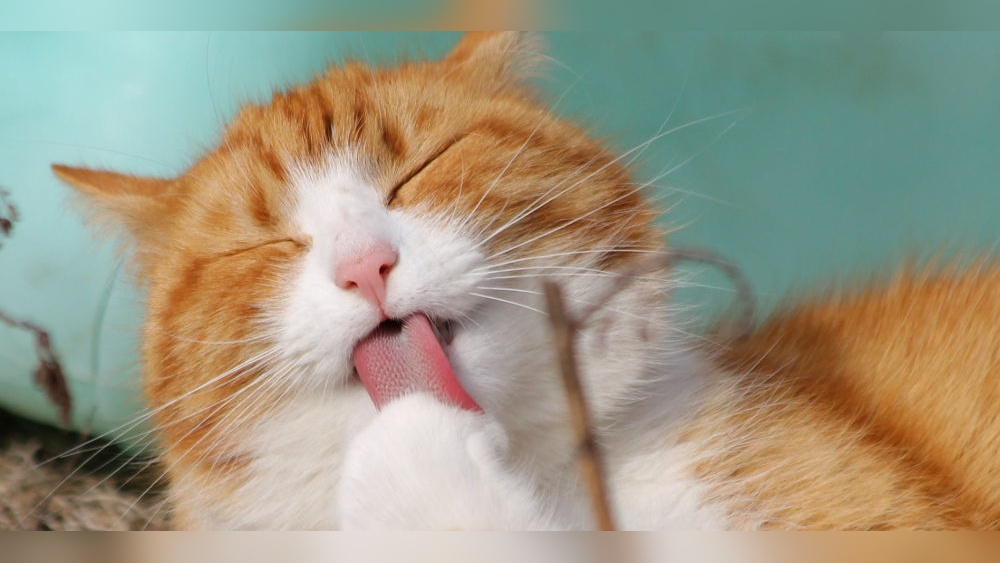
Have you noticed your older cat grooming less than before? It can be worrying to see your furry friend neglecting their usual cleaning routine.
You might wonder if something is wrong or if this is just a natural part of aging. Understanding why your cat’s grooming habits change as they get older can help you care for them better. Keep reading to discover the surprising reasons behind this behavior and what you can do to keep your senior cat comfortable and healthy.
Credit: www.rspcapetinsurance.org.au
Changes In Grooming Habits
As cats grow older, their grooming habits often change. Grooming is a key part of a cat’s daily routine. It keeps their fur clean and healthy. Older cats may groom less than younger ones. Understanding these changes helps owners care for senior cats better.
Normal Grooming Patterns
Cats usually groom themselves several times a day. They lick their fur to remove dirt and loose hair. Grooming also spreads natural oils across their coat. This keeps their skin healthy and fur shiny. Cats use their tongues and paws to clean hard-to-reach areas. Grooming also helps cats calm down and feel safe.
What Changes With Age
Older cats may groom less often. Their fur can become thinner or patchy. Joint pain or arthritis can make grooming difficult. Stiffness can stop cats from reaching certain areas. Older cats may feel tired more quickly. Changes in teeth and mouth health can also affect grooming. Some cats lose interest in grooming due to health issues. This results in a dull or matted coat. Regular checks can catch problems early and help maintain grooming habits.

Credit: cats.com
Physical Challenges
As cats grow older, their bodies face many physical challenges. These challenges often make grooming harder. Grooming is important for cats to stay clean and healthy. Older cats may groom less because their bodies do not work as well as before.
Arthritis And Joint Pain
Arthritis is common in older cats. It causes joint pain and stiffness. This pain makes bending and stretching difficult. Grooming needs flexibility and movement. Cats with arthritis may avoid grooming because it hurts. Less grooming can lead to a messy coat.
Dental Issues
Older cats often have dental problems. Sore teeth or gums cause discomfort. Grooming uses the tongue and mouth a lot. Pain in the mouth can stop a cat from licking. This leads to less cleaning and more dirt on their fur.
Decreased Flexibility
Flexibility decreases with age. Older cats find it hard to reach some body parts. Grooming requires reaching the back and legs. If a cat cannot reach those areas, grooming drops. This physical limit lowers their grooming habits.
Health Conditions Impacting Grooming
Older cats may groom less due to health problems. These issues can make grooming difficult or painful. Understanding these conditions helps pet owners support their cats better.
Skin Problems
Skin problems can stop cats from grooming properly. Dry, itchy skin causes discomfort. Cats may avoid grooming sore spots. Allergies, parasites, or infections cause skin issues. Treating skin problems helps cats feel better and groom more.
Chronic Illnesses
Chronic illnesses like arthritis or kidney disease affect grooming. Pain or weakness limits a cat’s movement. Cats may struggle to reach certain areas. Fatigue reduces their energy for grooming. Managing illnesses improves their ability to stay clean.
Hormonal Imbalances
Hormonal changes affect a cat’s grooming habits. Thyroid problems or diabetes can cause coat changes. Cats might lose interest in grooming. Hormonal imbalances also lead to skin dryness. Proper treatment can restore normal grooming behavior.
Behavioral And Psychological Factors
Older cats often groom less due to changes in their behavior and mental state. These changes can affect how they care for themselves. Understanding these factors helps explain why grooming decreases with age.
Cognitive Decline
As cats age, their brain function can slow down. This decline affects memory and focus. Older cats may forget grooming routines. They might not recognize the need to clean themselves. This can lead to less frequent grooming.
Stress And Anxiety
Older cats can feel more stressed or anxious. Changes in their environment or health can cause worry. Stress may make them avoid grooming. Anxiety can lower their interest in self-care. This reduces their grooming habits.
Changes In Social Interaction
Older cats often change how they interact with others. They may become less social or more withdrawn. Less social contact can reduce grooming behavior. Grooming sometimes happens during social bonding. Less interaction means less grooming overall.
Diet And Nutrition Effects
Diet and nutrition play a key role in how often older cats groom themselves. As cats age, their bodies need different nutrients to stay healthy. Poor diet can affect their energy and skin health. This may cause them to groom less often or less thoroughly.
Nutritional Deficiencies
Older cats may lack important vitamins and minerals. Deficiencies in fatty acids, vitamin A, and zinc can harm their skin and coat. Their fur may become dry and brittle. This makes grooming harder and less effective. A balanced diet with all nutrients supports healthy skin and fur. It helps older cats maintain their grooming habits.
Hydration Levels
Water is vital for skin health. Older cats often drink less water. This causes dry, flaky skin. Dehydrated skin can feel uncomfortable. Cats may avoid grooming because it hurts or feels odd. Wet food or fresh water sources encourage them to drink more. Good hydration keeps skin soft and supports regular grooming.

Credit: www.weruva.com
Environmental Influences
Environmental factors play a big role in how often older cats groom themselves. Changes in their surroundings can affect their comfort and energy. These influences may cause older cats to groom less than before. Understanding these factors helps in caring for aging cats better.
Living Conditions
Older cats in small or cluttered spaces may groom less. Limited room can reduce their movement and comfort. Cats need quiet and calm places to feel safe. Stress from noisy or busy environments can lower grooming habits. Clean and peaceful living areas encourage older cats to groom more.
Climate And Weather
Warm or cold weather changes how cats groom. In hot weather, cats may groom less to avoid losing body moisture. Cold weather might make grooming harder due to stiff joints. Seasonal changes can affect their energy and interest in grooming. Proper temperature control helps maintain regular grooming habits.
How To Support Older Cats
Older cats may groom less due to health or mobility issues. Helping them stay clean and comfortable is important. Small changes can make a big difference in their well-being.
Supporting older cats means paying attention to their needs every day. Care and patience help them feel safe and loved.
Regular Vet Checkups
Schedule vet visits at least twice a year. These visits catch health problems early. Joint pain, dental issues, or skin conditions affect grooming habits. The vet can suggest treatments or medications. Regular checkups keep your cat healthy and active.
Assisting With Grooming
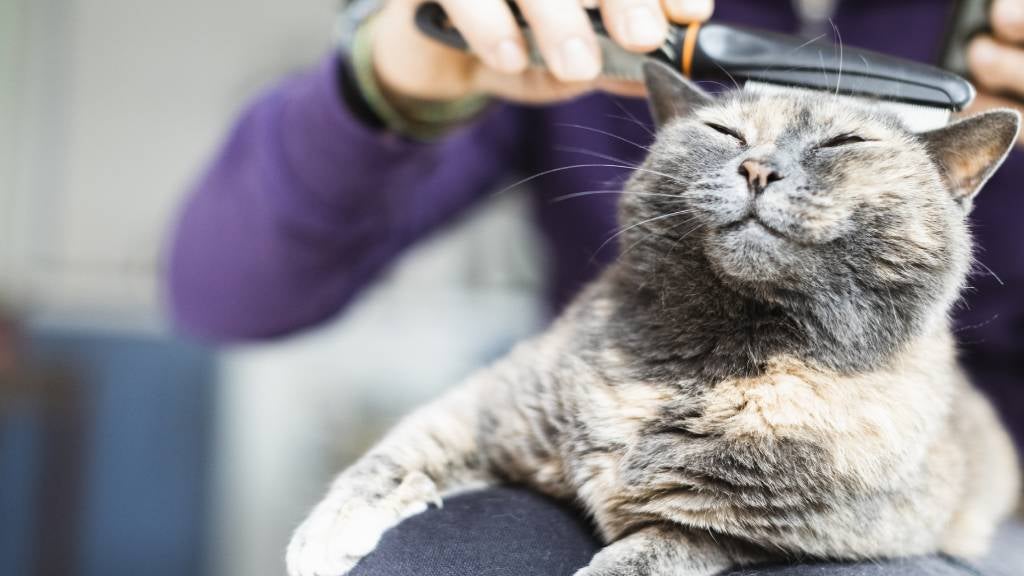
Help your cat by brushing their fur gently. Use a soft brush to avoid hurting sensitive skin. Clean hard-to-reach areas like under the chin and belly. Wipe dirty spots with a damp cloth. This prevents mats and keeps skin healthy. Make grooming a calm, bonding time.
Dietary Adjustments
Feed food rich in omega-3 and omega-6 fatty acids. These nutrients improve skin and coat health. Older cats may need special diets for better digestion. Ask your vet for the best food choices. Proper nutrition supports natural grooming and overall health.
Creating A Comfortable Environment
Provide warm, soft bedding in quiet spots. Older cats groom better when they feel relaxed. Keep litter boxes clean and easy to access. Place food and water nearby to reduce stress. A calm environment encourages regular grooming and comfort.
Frequently Asked Questions
Why Do Older Cats Groom Less Frequently?
Older cats groom less due to reduced mobility and arthritis pain. Aging affects their flexibility, making grooming difficult. Additionally, dental issues can cause discomfort. These factors combined lead to less frequent self-cleaning as cats age.
How Does Aging Affect A Cat’s Grooming Habits?
Aging slows down a cat’s movements and energy levels. Joint pain and stiffness limit their grooming abilities. Sensory decline may reduce grooming motivation. These changes result in less thorough and infrequent grooming in older cats.
Can Health Problems Cause Reduced Grooming In Senior Cats?
Yes, health issues like arthritis, dental disease, and obesity can reduce grooming. Pain and discomfort discourage cats from grooming properly. Underlying illnesses may also cause lethargy, affecting grooming habits. Regular vet check-ups help identify and treat these problems.
What Are Signs My Older Cat Isn’t Grooming Enough?
Look for matted fur, greasy coat, or bad odor. Patches of unkempt or sticky fur indicate poor grooming. Skin infections or dandruff can also occur. These signs suggest your older cat needs help with grooming or medical care.
Conclusion
Older cats groom less due to age-related changes. Their joints may hurt, making grooming hard. Teeth problems can also cause discomfort. Less grooming can lead to a messy coat. Watch your cat’s habits and health closely. Regular vet visits help catch issues early.
You can assist by gently brushing your cat. This supports their comfort and cleanliness. Understanding these changes helps you care better. Aging cats still need love and attention. Keep their grooming routine gentle and kind. Their well-being depends on your careful support.