
If your cat has fleas, you might be wondering, “Will a groomer still take her?” You want your furry friend to look and feel her best, but those pesky fleas can make you hesitate. You’re not alone in this concern.
Many cat owners worry about whether groomers will accept pets with fleas and what happens if they do. You’ll discover what groomers usually say about fleas, how to prepare your cat, and what options you have. Keep reading to find out how to keep your cat clean and comfortable without any surprises at the groomer’s.

Credit: www.reddit.com
Groomers’ Policies On Flea-infested Cats
Many groomers have strict rules about treating cats with fleas. These policies protect all pets and staff in the salon. Groomers want to stop fleas from spreading to other animals. They also want to keep the environment clean and safe.
Understanding these policies helps pet owners prepare before visiting a groomer. It also explains why some groomers may refuse service if fleas are present.
Common Reasons For Refusal
Groomers often refuse cats with fleas to avoid spreading the bugs. Fleas can quickly move from one pet to another in a grooming space. Treating a cat with fleas can also slow down the grooming process. Groomers want to keep their workspace free from infestations.
Health Risks To Other Pets
Fleas carry diseases that can harm other animals. They cause itching, skin irritation, and allergic reactions. These health problems may spread to cats without fleas. Groomers must protect all pets in their care from infections and discomfort.
Legal And Liability Concerns
Groomers face legal risks if fleas spread in their salon. They may be responsible for causing infestations at other homes. Groomers need to follow safety rules to avoid lawsuits. Refusing cats with fleas helps reduce liability and keeps the business safe.
Signs Your Cat Has Fleas
Recognizing fleas on your cat early helps avoid bigger problems. Fleas cause discomfort and can harm your pet’s health. Watch closely for signs your cat might have fleas. Some signs are easy to spot. Others need a careful look.
Physical Symptoms To Watch For
Your cat may have small red bumps on the skin. These bumps can be itchy and painful. Hair loss in patches is common with flea bites. Look for scabs or irritated skin. Fleas often hide near the neck, tail, and belly.
Behavioral Changes
Cats with fleas scratch or bite themselves more. You might see your cat shaking its head often. Restlessness or trouble sleeping can happen. Flea discomfort makes your cat unhappy and agitated. Pay attention if your cat seems more nervous or uneasy.
Flea Eggs And Dirt Identification
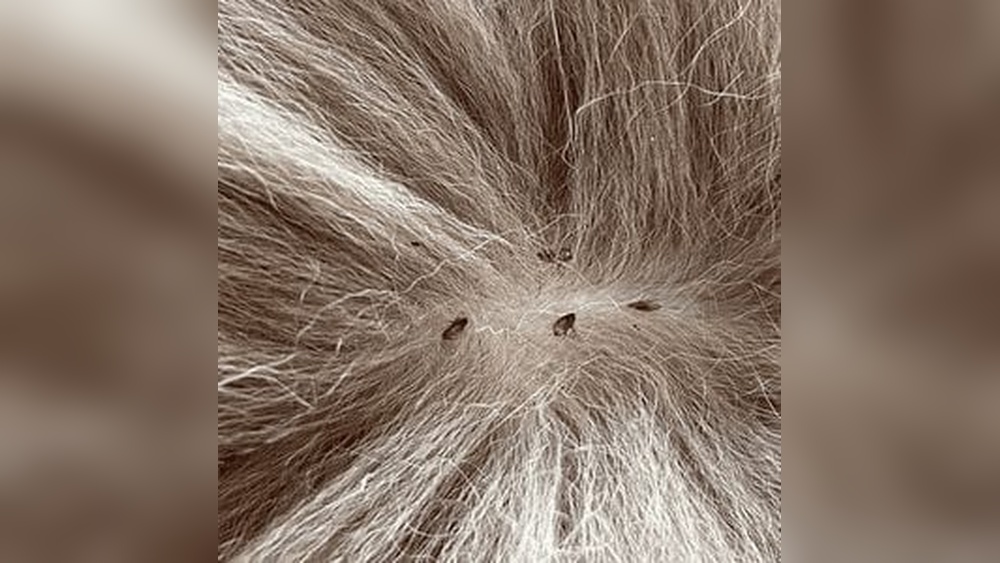
Flea eggs look like tiny white grains on fur or bedding. Flea dirt appears as small black specks on the skin. You can check by brushing your cat’s fur over a wet paper towel. If the specks turn reddish-brown, it is flea dirt. Finding eggs or dirt confirms a flea problem.
Preparing Your Cat For Grooming
Preparing your cat for grooming is important to make the visit smooth. Cats with fleas need special care before they see a groomer. Proper preparation helps keep your cat calm and healthy. It also makes the groomer’s job easier and safer for all pets.
Start by treating fleas early. This reduces discomfort and stops flea spread. Bathing your cat before grooming removes dirt and loose fur. Talk with your veterinarian to choose the best treatment and care plan for your cat.
Effective Flea Treatments
Use flea treatments that are safe for cats. Spot-on treatments, sprays, and collars work well. Follow the instructions carefully. Treat all pets in your home to stop fleas from returning. Check your cat’s skin for signs of irritation after treatment.
Bathing Tips Before Grooming
Give your cat a gentle bath before the groomer visit. Use cat-friendly shampoo designed to kill fleas. Avoid water in the cat’s ears and eyes. Dry your cat well with a towel or low heat dryer. Bathing helps remove fleas and dirt before grooming starts.
Consulting Your Veterinarian
Ask your vet about the best flea control methods. Vets can recommend treatments based on your cat’s health. Discuss any skin problems or allergies your cat has. Your vet may suggest special care before grooming. Always follow your vet’s advice for a safe grooming experience.

Credit: www.reddit.com
Alternatives If Groomers Refuse
Many groomers will not accept cats with fleas. Fleas can spread quickly and cause issues in their workspace. This can leave pet owners unsure of what to do next. There are practical options to help manage your cat’s flea problem. These alternatives can prepare your cat for grooming or help treat fleas effectively at home.
At-home Flea Removal Techniques
Start by giving your cat a thorough bath using flea shampoo. Use a flea comb to remove fleas and eggs from your cat’s fur. Clean your cat’s bedding and living areas regularly to stop fleas from returning. Vacuum floors and furniture often, then dispose of the vacuum bag carefully. These steps can lower flea numbers before visiting a groomer.
Mobile Groomers And Special Services
Some mobile groomers come to your home and may handle cats with fleas. They often have special tools and products for flea control. These groomers work in a controlled environment, reducing the risk of spreading fleas. Call and explain your situation clearly before booking an appointment. Mobile groomers can offer a safer and easier grooming option for flea-infested cats.
Professional Flea Control Services
Professional pest control companies can treat your home for fleas. They use safe and effective products to kill fleas and prevent new ones. This service helps stop the flea cycle in your cat’s environment. After treatment, your cat will be more comfortable and ready for grooming. Combining home treatment with professional help improves flea removal success.
Preventing Future Flea Infestations
Preventing future flea infestations is key to keeping your cat healthy and happy. Fleas can cause itching, allergies, and even infections. Taking steps to control fleas protects your pet and your home. Consistent care and attention help stop fleas from coming back.
Use simple and safe methods to keep fleas away. A good routine makes a big difference. Small changes in daily habits can prevent big problems later.
Regular Flea Prevention Products
Use flea prevention products recommended by your vet. These include spot-on treatments, collars, and oral medications. Apply them on time, as instructed. Regular use keeps fleas from multiplying on your cat. Choose products safe for cats, not dogs.
Maintaining A Clean Environment
Clean your home often to remove flea eggs and larvae. Vacuum carpets, furniture, and pet bedding regularly. Wash your cat’s bedding in hot water weekly. Keep your yard tidy, cutting tall grass and weeds. Clean places where your cat rests to stop flea growth.
Seasonal Flea Control Strategies
Fleas are more active in warm months. Increase flea prevention efforts during spring and summer. Use extra treatments or switch to stronger products if needed. Monitor your cat closely for any signs of fleas. Adjust your flea control plan with the seasons to stay ahead.
Questions To Ask Your Groomer
Choosing a groomer for your cat is important. Asking the right questions helps you understand their services better. It also ensures your pet’s safety and comfort. Before booking an appointment, talk to the groomer about their experience and policies. Here are key questions to ask about fleas and cleanliness.
Flea Policies And Procedures
Ask if the groomer accepts cats with fleas. Some groomers refuse animals with active infestations. Others may treat fleas before grooming. Find out what treatments they use and if there is an extra cost. Knowing their policy helps avoid surprises on grooming day.
Sanitation Practices
Inquire about how the groomer cleans their tools and workspace. Proper sanitation prevents flea spread and infections. Ask how often they disinfect grooming tables and brushes. Cleanliness is key to protecting your cat and others.
Handling Sensitive Or Infested Pets
Check how the groomer handles cats with fleas or skin issues. Gentle care reduces stress and discomfort for your pet. Ask if they have special techniques or separate rooms for infested animals. This shows their dedication to safe and kind grooming.

Credit: www.wikihow.com
Frequently Asked Questions
Will Groomers Accept Cats With Fleas?
Most groomers refuse cats with fleas to prevent infestation. They prioritize health and safety for all pets. Treat your cat for fleas before booking a grooming appointment.
How Do Groomers Handle Flea-infested Cats?
Groomers typically ask for flea treatment proof. Some may offer flea baths or treatments at an extra cost. Always inform the groomer about your cat’s flea status beforehand.
Can Grooming Help Remove Fleas From My Cat?
Grooming can remove some fleas and dirt but is not a full treatment. Flea medication and vet consultation are necessary for complete flea control.
What Should I Do If My Cat Has Fleas Before Grooming?
Treat your cat with vet-approved flea medication immediately. Clean your home and pet’s bedding thoroughly. Only schedule grooming after fleas are fully controlled.
Conclusion
Many groomers refuse cats with fleas to protect other pets. Treating your cat before the appointment helps ensure acceptance. Clean your home to stop flea spread and reinfestation. Regular flea prevention keeps your cat healthy and happy. Communicate with groomers about your cat’s condition before booking.
A flea-free cat gets better care and a stress-free groom. Taking these steps makes grooming safe for your cat and others. Keep your cat comfortable and flea-free for the best grooming experience.