
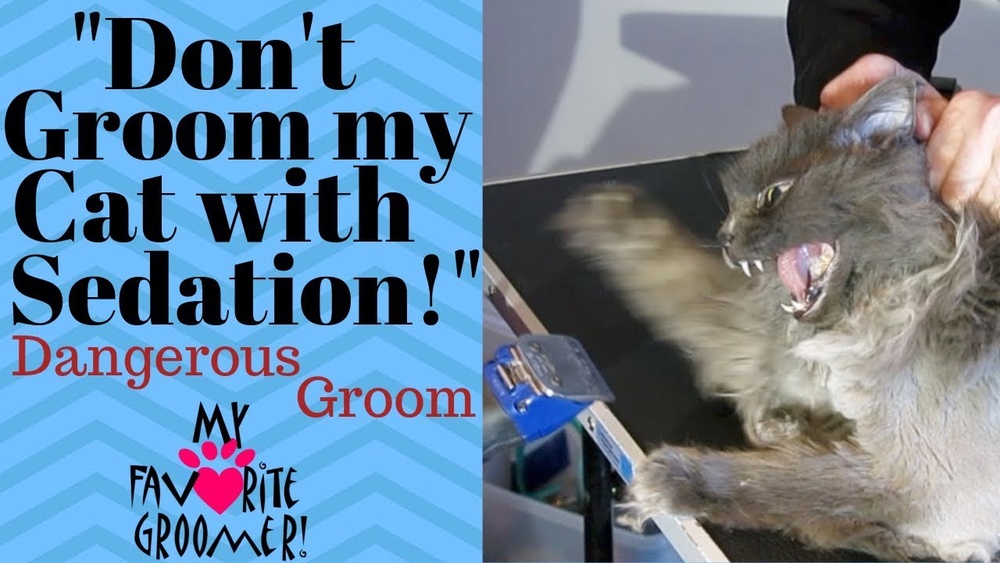
Grooming your cat is important for their health and happiness, but what do you do when your cat is aggressive? You want to keep your furry friend clean and comfortable, but handling a hostile cat can be stressful and even dangerous.
You’re not alone if you’re asking, “Where to groom my aggressive cat? ” This guide will help you find the safest and most effective ways to care for your cat’s grooming needs without the struggle. Keep reading to discover tips and trusted places that can make grooming easier for both you and your cat.
Choosing The Right Grooming Spot
Choosing the right spot to groom an aggressive cat is very important. The place affects your cat’s mood and behavior. A good spot helps keep your cat calm and safe. It also makes grooming easier and less stressful.
Quiet And Comfortable Areas
Pick a place that is quiet and calm. Loud noises can scare your cat. A calm room helps your cat feel safe. Soft lighting and comfortable temperature help too. Avoid places with strong smells or bright lights.
Avoiding High-traffic Zones
Stay away from busy areas in your home. Areas with many people or pets cause stress. Your cat may become more aggressive there. Choose a spot where your cat will not be disturbed. Less noise and movement help your cat relax.
Using Familiar Spaces
Use a place your cat knows well. Familiar rooms reduce fear and anxiety. Your cat feels more confident in known areas. Add your cat’s bed or favorite blanket. Familiar smells and objects calm your cat during grooming.

Credit: www.youtube.com
Preparing Your Cat For Grooming
Preparing your aggressive cat for grooming helps make the process safer and calmer. It takes patience and understanding. You can reduce stress by getting ready properly. Small steps lead to better grooming sessions. Your cat feels less anxious and more secure.
Start by learning what triggers your cat’s aggression. Then use calming methods before grooming. Protective gear keeps both you and your cat safe. These steps create a better experience for both.
Recognizing Aggression Triggers
Watch your cat’s body language closely. Signs like hissing, growling, or swishing tail show stress. Some cats react to sudden movements or loud noises. Touching sensitive areas can also cause aggression. Knowing these triggers helps avoid sudden attacks. Observe your cat during play and rest times. This helps identify what makes them uneasy.
Calming Techniques Before Grooming
Use soft voices and gentle petting to calm your cat. Try short grooming sessions to build trust. Give treats to create positive feelings. A quiet room reduces distractions and noise. Warm towels can soothe tense muscles. Play relaxing music to help your cat feel safe. Patience is key; go slow and steady.
Using Protective Gear
Wear thick gloves to protect your hands from scratches. Long sleeves can prevent bites and scratches. Use a grooming mat to keep your cat in place. A towel wrap can calm and control your cat. Avoid loose clothing that your cat can grab. Protective gear helps you stay safe and confident. It allows you to focus on grooming without fear.
Tools For Grooming Aggressive Cats
Grooming an aggressive cat needs special tools for safety and comfort. The right tools help reduce stress for both you and your cat. They make the grooming process smoother and less risky.
Safe Brushes And Combs
Choose brushes with soft, rounded tips. These avoid scratching your cat’s skin. Metal combs with wide teeth work well for tangles. Avoid brushes that pull or hurt the fur.
Brushes with flexible bristles move gently through thick fur. They calm your cat and remove loose hairs easily. Always use slow, gentle strokes to avoid upsetting your cat.
Grooming Gloves And Restraints
Grooming gloves let you pet and brush your cat at once. The soft rubber tips remove loose fur and dirt. Gloves provide more control and reduce scratches.
Use soft restraints like a towel wrap or a cat harness. They keep your cat steady without causing pain. Restraints help protect both you and your cat during grooming.
Using Clippers Safely
Use quiet, low-vibration clippers made for pets. Loud sounds can scare an aggressive cat. Clip small areas slowly to keep your cat calm.
Keep clippers sharp to avoid pulling fur. Check blades often to prevent overheating. Always have treats ready for good behavior.

Credit: www.catbehaviourist.com
Step-by-step Grooming Tips
Grooming an aggressive cat can be a challenge. It needs patience and gentle care. Follow these step-by-step grooming tips. They help make the process safer and calmer for you and your cat.
Starting Slow And Short Sessions
Begin with very short grooming times. Just a few minutes at first. Let your cat get used to the brush or comb. Do this in a quiet and calm room. Slowly increase the time as your cat relaxes. Do not rush. Small steps build trust.
Handling Resistance
Expect some resistance at the start. Stay calm and avoid force. Use gentle movements and speak softly. If your cat hisses or tries to bite, stop and give space. Try again later with shorter sessions. Watch your cat’s body language closely.
Rewarding Positive Behavior
Always praise your cat when it behaves well. Use treats or soft pets as rewards. This helps your cat feel safe and happy. Rewards make grooming a positive experience. Over time, your cat will look forward to it.
When To Seek Professional Help
Grooming an aggressive cat can be very hard. Some cats do not like being touched or held. They may bite or scratch to protect themselves. In these cases, it is safer to get help from a professional. Experts have the skills and tools to groom difficult cats safely. Knowing when to seek professional help keeps your cat and you safe.
Signs Grooming Should Be Done By Experts
Watch your cat’s behavior during grooming. If your cat hisses, bites, or scratches often, experts are needed. Cats that hide or become very tense may also need professional care. If your cat has thick mats or long fur that is hard to handle, a groomer can help. Experts can safely remove mats without hurting your cat. If grooming causes too much stress or injury risk, leave it to professionals.
Finding A Cat-friendly Groomer
Not all groomers work well with cats. Find a groomer who understands cat behavior and needs. Look for places with calm, quiet rooms to reduce cat stress. Some groomers have special training for aggressive or fearful cats. Ask about their experience and methods. A good groomer will use gentle handling and safe tools. Your cat’s safety and comfort should be their top priority.
Veterinary Grooming Options
Vets can groom cats with special needs or health problems. They can sedate cats if grooming is too hard or unsafe. Veterinary grooming is best for cats with wounds or skin issues. It also works well for very aggressive cats. The vet can watch your cat’s health during grooming. This option is more expensive but ensures safety and care for your cat.

Credit: nationalcatgroomers.com
Safety Tips For Grooming Aggressive Cats
Grooming an aggressive cat needs careful planning and safety. Both you and your cat must stay safe during grooming sessions. Understanding how to handle your cat can reduce stress and avoid injuries.
Use gentle touches and calm voices. Prepare all grooming tools before starting. Create a quiet space free from distractions. These steps help make grooming easier and safer.
Avoiding Injury To You And Your Cat
Wear long sleeves and gloves to protect your skin. Use a towel to wrap your cat if needed. Hold your cat firmly but gently. Never force grooming if the cat struggles too much.
Trim nails carefully to prevent scratches. Use grooming tools designed for cats. Keep sessions short to avoid tiring your cat. Stop if your cat becomes too upset.
Recognizing Warning Signs
Watch for signs of fear or anger. Growling, hissing, or swatting means stop immediately. Flattened ears and wide eyes show stress. Heavy breathing or trembling also signals discomfort.
Notice changes in body posture. A stiff body means your cat feels threatened. Tail flicking or lashing shows irritation. Recognizing these signs helps prevent bites and scratches.
Emergency Measures
Stay calm if your cat attacks. Slowly put your cat down in a safe place. Avoid sudden movements that may increase aggression. Clean any scratches or bites with soap and water.
Seek medical help for deep wounds. Use a first aid kit for minor injuries. Keep emergency vet contacts handy. Having a plan ready can reduce panic and harm.
Frequently Asked Questions
Where Is The Best Place To Groom An Aggressive Cat?
Choose a quiet, secure room with minimal distractions. Use a non-slip surface like a mat on a table. Ensure good lighting and keep grooming tools within reach. This environment reduces stress and helps control your aggressive cat safely during grooming sessions.
Can I Groom My Aggressive Cat At Home Safely?
Yes, you can groom your aggressive cat at home with patience and the right tools. Use gentle restraint techniques and calm your cat before grooming. If your cat is too aggressive, consider professional grooming services to avoid injury and stress.
Should I Visit A Professional Groomer For Aggressive Cats?
Professional groomers have experience handling aggressive cats safely. They use calming techniques and specialized equipment to minimize stress. If your cat’s aggression is severe, a groomer is the best choice for safe and effective grooming. Always inform them about your cat’s behavior.
How Can I Prepare My Aggressive Cat For Grooming?
Prepare by gradually introducing grooming tools and sessions at home. Use treats and praise to create positive associations. Keep sessions short and calm. Regular handling helps reduce fear and aggression over time, making grooming easier and safer for both you and your cat.
Conclusion
Finding the right place to groom your aggressive cat matters a lot. Choose calm, quiet spots where your cat feels safe. Professional groomers with experience in handling tough cats help reduce stress. Home grooming works too, but use gentle tools and stay patient.
Remember, safety for both you and your cat comes first. Regular grooming keeps your cat healthy and happy. Take small steps and build trust over time. Your cat will thank you with less stress and more comfort.