
Have you ever wondered if a cat breeder contract is truly binding? If you’re thinking about adopting a kitten or already signed a contract, it’s crucial to know where you stand.
These agreements might seem straightforward, but can they really hold up if disagreements arise? Understanding the enforceability of cat breeder contracts can protect your rights and your furry friend’s future. Keep reading to find out what you need to watch for and how to avoid common pitfalls that could cost you time, money, or peace of mind.

Credit: www.reddit.com
Cat Breeder Contracts Basics
Understanding cat breeder contracts is important for anyone buying a kitten. These contracts set clear rules between the breeder and the buyer. They help protect both parties and ensure the kitten’s well-being. Knowing the basics can help you read and follow the contract properly.
Purpose Of Breeder Contracts
Breeder contracts protect the kitten’s health and future. They make sure the buyer agrees to proper care and environment. The contract also helps maintain the breed’s quality. It sets expectations for both the breeder and the buyer. This reduces confusion and avoids future problems.
Common Contract Terms
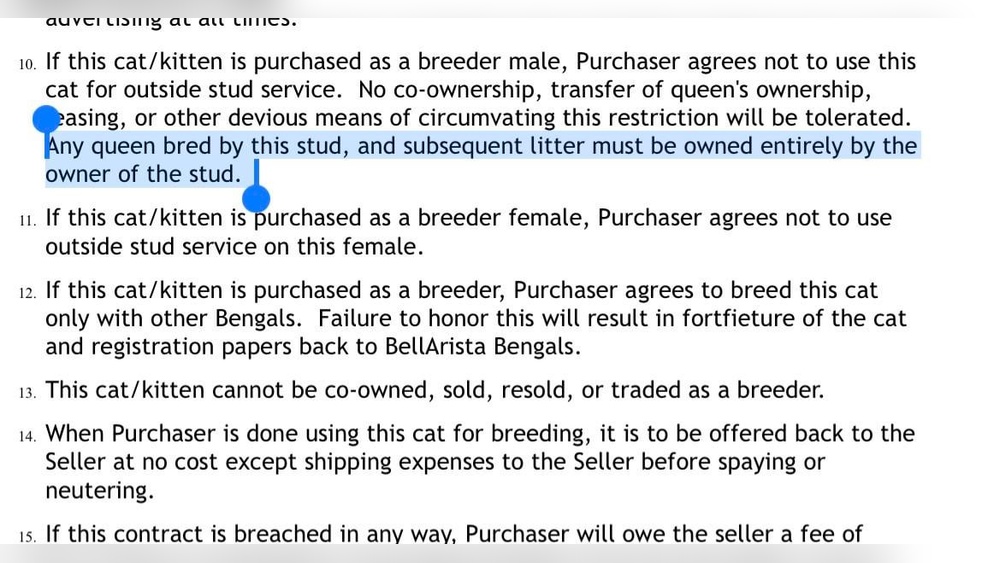
Contracts often include terms about vaccination and health care. They may require spaying or neutering the kitten. Some contracts limit breeding or selling the kitten again. Payment details and refund policies are usually listed too. These terms help keep the kitten safe and cared for properly.
Legal Status Of Breeder Contracts
Breeder contracts play a key role in selling cats from breeders to buyers. These contracts set clear rules for both sides. Understanding the legal status of these contracts helps protect all parties involved. The law treats breeder contracts like any other contract, but certain conditions affect their strength and enforceability.
Contract Formation Requirements
A contract must have an offer, acceptance, and clear terms. Both breeder and buyer must agree on the sale details. The contract should state the price, cat’s health, and care expectations. Each party must have the legal ability to enter the contract. The agreement must be made freely, without force or pressure. Writing the contract helps avoid confusion and proves what was agreed.
Enforceability Factors
The contract must be fair and clear to be enforced by courts. Unclear or unfair terms can cause the contract to fail. Both parties must follow the contract’s rules. If one side breaks the contract, the other can seek legal help. Contracts that protect animal welfare and buyer rights gain stronger support. Courts may refuse to enforce contracts that limit legal rights unfairly.
Typical Contract Clauses
Cat breeder contracts often include specific clauses. These clauses protect both the buyer and the breeder. Understanding these clauses helps you know your rights and duties. Here are the most common contract sections you will find.
Health Guarantees
Breeders usually promise the cat is healthy when sold. They may guarantee the kitten is free from certain diseases. If health problems appear soon after purchase, the breeder might offer a refund or replacement. These guarantees often last a few weeks or months. It is important to get a vet check soon after adoption.
Return And Refund Policies
Some contracts allow returning the cat under certain conditions. The terms explain when and how to return the kitten. Refunds depend on the reason for return and timing. Sometimes, breeders require the cat to be returned to them only. These policies protect the cat’s welfare and the breeder’s business.
Spay/neuter Agreements
Breeders often include spay or neuter rules. Many require the cat to be fixed by a certain age. This helps control the pet population and keep cats healthy. The contract may forbid breeding the cat without permission. Proof of surgery is usually needed to avoid penalties.

Credit: www.reddit.com
Challenges In Enforcement
Enforcing cat breeder contracts can be difficult. Many issues arise that make it hard to hold parties accountable. Understanding these challenges helps buyers and breeders avoid future disputes.
Contracts must be clear and fair, but often they are not. Laws also vary greatly depending on location, complicating enforcement further.
Ambiguous Terms
Contracts with unclear language cause confusion. Vague terms leave room for different interpretations.
Breeders and buyers may disagree on what the contract means. This can lead to disputes and legal battles. Clear, simple language is essential for enforceable contracts.
Consumer Protection Laws
Some laws protect buyers from unfair contracts. These laws may override certain contract terms.
Consumer protection rules vary by state or country. They can limit the breeder’s ability to enforce certain conditions. Buyers may have more rights than breeders expect.
Jurisdictional Differences
Legal rules differ across regions. What is enforceable in one place may not be in another.
Contracts often do not specify which region’s law applies. This creates problems when disputes cross borders. Courts may refuse to enforce contracts outside their jurisdiction.
Case Examples
Examining real case examples helps us understand how cat breeder contracts hold up in court. These cases show what courts consider and how disputes are resolved. They offer a clear view of when contracts are enforceable and when they are not.
Successful Enforcements
In many cases, courts have upheld cat breeder contracts. One example involved a buyer who signed a contract agreeing to care for the cat properly. The buyer later tried to return the cat. The court ruled in favor of the breeder because the contract terms were clear and followed. This shows courts respect well-written contracts with specific terms.
Another case involved a breeder who included health guarantees in the contract. The buyer claimed the cat was sick. The court enforced the contract’s health warranty and ordered compensation. This case proves that detailed health clauses can protect both parties.
Common Disputes
Disagreements often arise over the cat’s health or return policies. Buyers sometimes claim the cat is unhealthy or not as described. Breeders may refuse returns or refunds. Courts look closely at contract language and proof from both sides.
Another common dispute involves spaying or neutering clauses. Some contracts require buyers to fix the cat by a certain time. If buyers don’t, breeders may seek legal action. Courts decide based on contract clarity and fairness.

Credit: www.reddit.com
Tips For Buyers And Breeders
Understanding cat breeder contracts is important for both buyers and breeders. These contracts protect everyone involved and help avoid problems. Clear, fair agreements make the buying and selling process smooth. Here are key tips to follow to keep things fair and safe for all parties.
Reviewing Contract Terms
Read every contract word carefully. Look for details about health guarantees, returns, and fees. Check if the contract matches what the seller said. Ask questions about anything unclear. A clear contract helps prevent future disagreements.
Seeking Legal Advice
Talk to a lawyer before signing. A legal expert can explain contract terms simply. They can spot unfair or illegal clauses. Getting advice protects your rights and money. It is a smart step for serious buyers and breeders.
Maintaining Documentation
Keep copies of all contracts and receipts. Save emails and messages related to the sale. Document health records and vaccinations of the cat. Organized papers help in case of disputes. Good records support your claims and protect your pet.
Frequently Asked Questions
Are Cat Breeder Contracts Legally Binding?
Yes, cat breeder contracts are legally binding if both parties agree and sign them. They outline responsibilities and rights clearly. Courts typically enforce these contracts if the terms are fair and lawful.
What Key Terms Are In Cat Breeder Contracts?
Common terms include payment details, health guarantees, spay/neuter agreements, and return policies. These protect both the breeder and buyer. Clear terms reduce disputes and ensure transparency.
Can Cat Breeder Contracts Be Challenged In Court?
Yes, contracts can be challenged if terms are unfair or unclear. Courts assess fairness and mutual consent. Invalid contracts may be unenforceable or modified.
Do Cat Breeder Contracts Protect Buyers’ Rights?
Yes, contracts protect buyers by specifying health guarantees and return options. They ensure buyers know what to expect. This reduces misunderstandings and promotes trust.
Conclusion
Cat breeder contracts can hold up in many cases. Courts often look at clear, fair terms. Both buyers and breeders should read contracts carefully. Knowing your rights helps avoid future problems. Signing without understanding can cause trouble later. Always ask questions if something seems unclear.
Contracts protect both parties and the cats. Trust and honesty matter most in these deals. Staying informed leads to better choices. Contracts are tools, not just papers.