
Are you thinking about bringing a cat into your life but worry about how it will handle being alone? Not all cats enjoy constant company, and some breeds actually thrive when they have your undivided attention without the distraction of other pets.
Choosing the right breed can make a huge difference in your cat’s happiness and your peace of mind. You’ll discover which cat breeds are best suited for living alone—helping you find the perfect companion that fits your lifestyle and keeps your home calm and loving.
Keep reading to learn how to make the best choice for you and your future furry friend.

Credit: www.happypawsus.com
Traits Of Independent Cats
Independent cats have unique traits that make them perfect for living alone. They do not need constant attention or company. These cats enjoy their space and feel comfortable alone. Understanding these traits helps in choosing the right cat breed for a solo lifestyle.
Independent cats are calm and confident. They handle daily life without much help. This makes them ideal pets for people with busy schedules or those who live alone.
Self-sufficiency In Daily Care
Independent cats manage their grooming and playtime by themselves. They do not rely on owners for constant stimulation. These cats use toys or explore their environment alone. They can eat and drink without needing reminders. This reduces the stress of constant care for their owners.
Low Social Needs
These cats prefer solitude over social gatherings. They do not demand attention or affection all the time. Independent cats enjoy quiet time and respect personal space. They can tolerate being alone for hours without anxiety. This trait suits people who cannot be home often.
Adaptability To Solitude
Independent cats adjust well to living alone. They stay calm and relaxed even when no one is around. These cats find ways to entertain themselves during long hours. They are not stressed by changes in their routine. This makes them perfect companions for single-person homes.
Top Cat Breeds For Solo Living
Choosing the right cat breed is important for solo living. Some cats enjoy being the only pet in the house. They adapt well to quiet environments and do not need constant company. These breeds tend to be calm, independent, and affectionate in their own way. They provide great companionship without feeling lonely or stressed.
Here are some top cat breeds that fit perfectly in a single-pet home. They suit owners who want a loving, low-maintenance friend.
British Shorthair
British Shorthairs are calm and easygoing cats. They enjoy quiet time and can entertain themselves. These cats are loyal but not clingy. They like to be near you without demanding attention all the time. Their thick coat and round face make them very charming. They adapt well to apartment living and stay relaxed when alone.
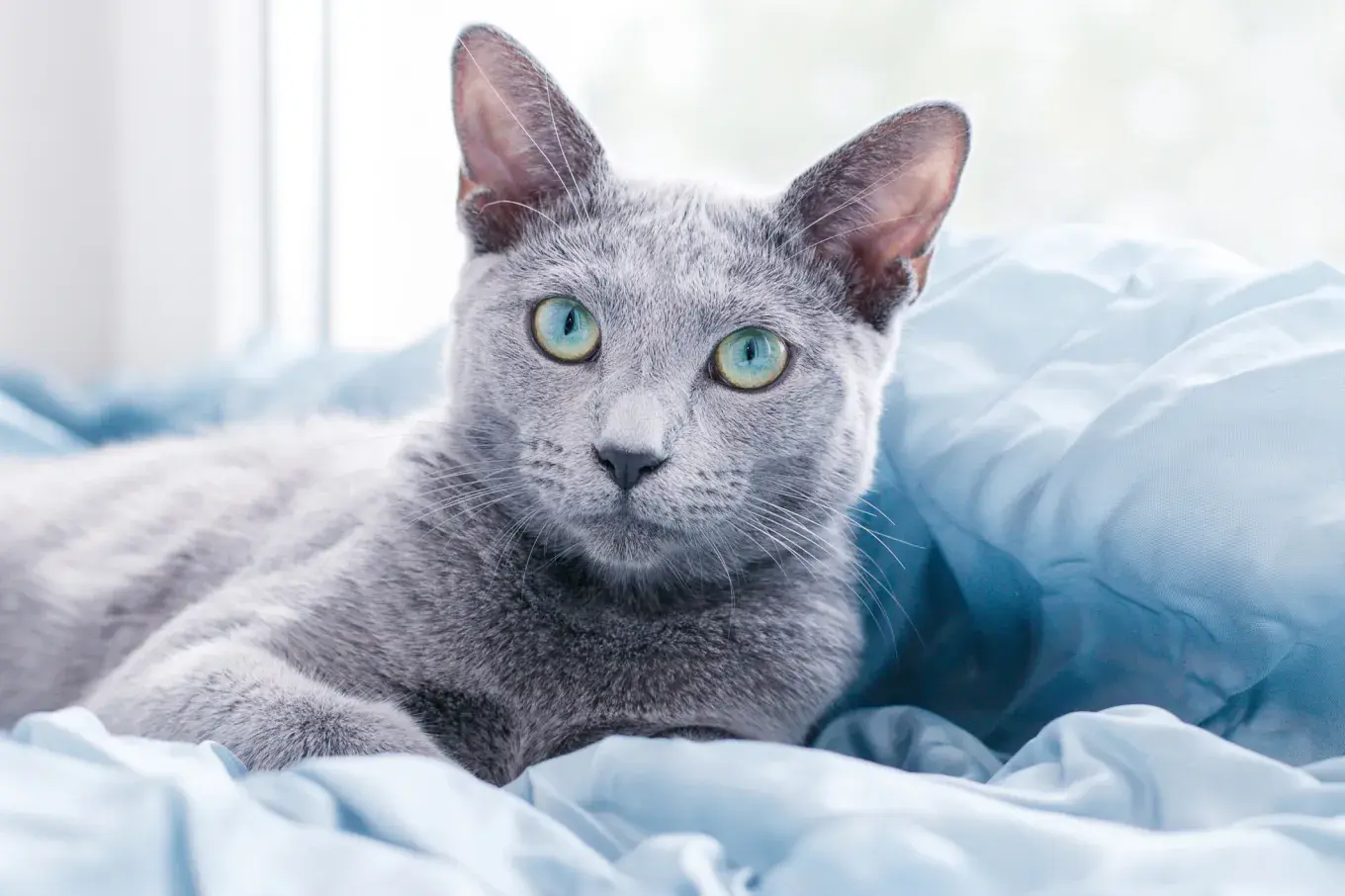
Russian Blue
Russian Blues are gentle and smart cats. They bond deeply with their owners but do not require constant affection. They prefer peaceful homes and may shy away from loud noises. Their soft blue coat and green eyes add to their beauty. These cats are playful but also enjoy naps by themselves. They suit people who enjoy calm companionship.
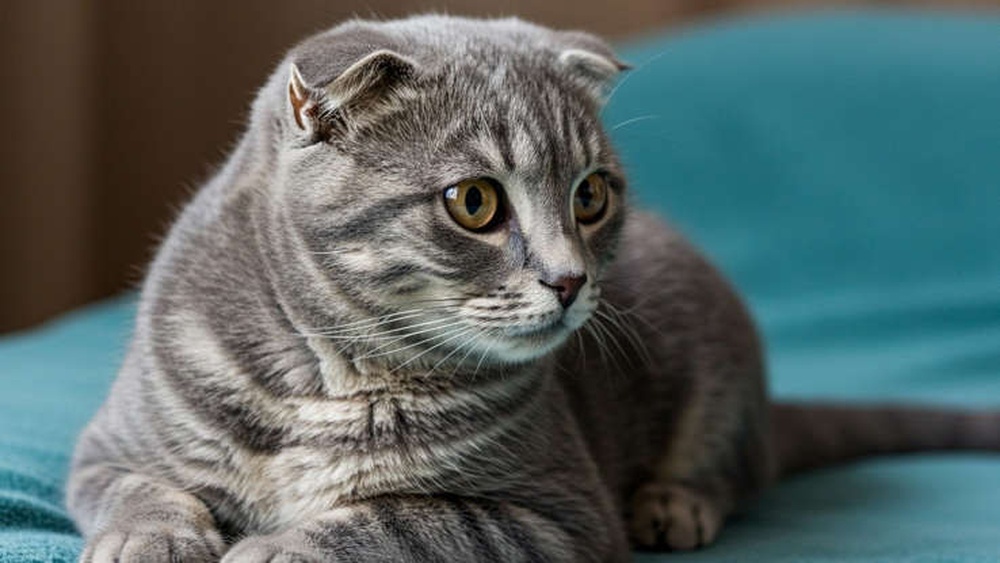
Scottish Fold
Scottish Folds are known for their unique folded ears and sweet nature. They are quiet cats who love routine. They do well alone and do not get anxious easily. Scottish Folds are affectionate but not overly demanding. They enjoy gentle play and long rests. This breed fits well in homes with a relaxed pace.
American Shorthair
American Shorthairs are friendly and adaptable cats. They are independent and enjoy exploring their space. These cats are good hunters and playful by nature. They do not need constant attention and can stay happy alone. Their short coat is easy to care for. They fit many living situations, including solo households.
Chartreux
Chartreux cats are quiet and strong. They have a calm personality and love their family. These cats are known for their soft, woolly coat and bright eyes. They are not needy but enjoy company. Chartreux cats manage well alone and keep themselves entertained. They make great pets for people who want a gentle companion.
Behavioral Traits Of Independent Breeds
Independent cat breeds have unique behavioral traits that suit living alone. They enjoy their own space and do not demand constant attention. These cats balance play and rest well. They can keep themselves entertained without needing another pet or person around all the time.
Understanding their behavior helps in choosing the right breed. It also helps in creating a happy home for a single cat. Below are key traits that define their independence.
Play Preferences
Independent cats prefer solo play. They enjoy toys like balls, feathers, or laser pointers. These cats often chase or bat at toys alone. They don’t need other cats or humans to join in. Interactive toys that move on their own are perfect. Puzzle feeders also keep their mind busy.
Affection Levels
These breeds show affection on their own terms. They may come for petting, then walk away. They are not clingy or overly needy. Independent cats love quiet moments with their owners. They often sit nearby but do not seek constant cuddles. Respecting their space builds trust and love.
Communication Styles
Independent cats use subtle ways to communicate. They may use soft meows or body language. Tail position and ear movement tell their mood. They do not demand attention loudly. They signal when they want food or play. Owners learn to read these gentle signs easily.
Care Tips For Solo Cats
Solo cats need special care to stay happy and healthy. They do not have other cats to play or share company with. Owners must provide enough activities and attention. This keeps the cat active and content. Proper food and health checks are also key parts of their care.
Enrichment Activities
Solo cats need toys and playtime to avoid boredom. Use interactive toys like feather wands or balls. Rotate toys to keep the cat interested. Offer scratching posts to satisfy natural urges. Hide treats in puzzle feeders to stimulate the mind. Create climbing spaces or window perches for exploration. Daily play sessions help the cat stay active and happy.
Feeding And Nutrition
Feed solo cats high-quality food suited to their age and needs. Use measured portions to prevent overeating. Fresh water should always be available. Wet food can help with hydration. Avoid sudden changes in diet to prevent stomach upset. Consistent feeding times create a routine the cat can trust. Consult a vet for special dietary needs.
Health Monitoring
Watch your solo cat for changes in behavior or appetite. Regular vet check-ups catch problems early. Keep an eye on weight and coat condition. Check teeth and gums for signs of disease. Monitor litter box habits for any unusual changes. Quick action can prevent serious health issues. Record any concerns to discuss with your vet.
Common Misconceptions About Independent Cats
Many people think independent cats do not need attention or love. This is not true. Independent cats enjoy their own space but still form strong bonds. They may not always show affection like other cats. Misunderstanding this behavior leads to wrong ideas about their needs. Knowing the truth helps cat owners care better for these special pets.
Loneliness Myths
People often believe independent cats feel lonely if left alone. Actually, these cats enjoy solitude and quiet time. They can entertain themselves with toys or exploring the home. Independent cats do not need constant company to be happy. They rest peacefully and do not mind being alone for hours. Loneliness is not a big problem for these cats like others.
Affection Misinterpretations
Independent cats show love in different ways. They may not cuddle or follow you everywhere. Sometimes, they prefer gentle head butts or sitting nearby quietly. These signs mean they trust and like you. Not being overly affectionate does not mean they dislike people. Understanding their unique way of showing love improves the pet-owner bond.
Credit: www.newsweek.com
Choosing The Right Independent Cat For You
Finding a cat that enjoys spending time alone can make pet care easier. Independent cats do not need constant attention. They enjoy their space but still show affection. Picking the right breed helps match your daily routine. Understanding what suits your personality and home is key.
Some cats like quiet and calm environments. Others prefer a bit of play but on their own terms. Knowing these traits helps you choose a cat that fits well. This way, both you and your cat stay happy and comfortable.
Matching Lifestyle And Personality
Your lifestyle affects the best cat choice. Busy people may want a low-maintenance pet. Cats that enjoy solitude fit well here. Quiet cats suit calm homes with little noise. Active owners might prefer playful but independent cats.
Think about your daily habits. Do you spend long hours away? Choose cats that do not need much company. If you enjoy peace, pick breeds that like resting alone. Matching personality traits makes the bond stronger.
Adoption Considerations
Adopting a cat needs careful thought. Look for cats that show independent behavior. Shelters often know which cats prefer solitude. Ask questions about their habits and temperament. Some cats may have past experiences that affect their independence.
Consider age and health too. Older cats often enjoy calm and quiet. Kittens need more care and attention. Choose a cat that fits your ability to care. A good match helps both you and the cat live well.
Credit: paradepets.com
Frequently Asked Questions
Which Cat Breeds Are Best For Living Alone?
Breeds like the British Shorthair, Russian Blue, and Scottish Fold adapt well to solitude. They are independent, low-maintenance, and enjoy quiet environments, making them ideal for solo living situations.
How Do Solitary Cats Behave Differently From Social Cats?
Solitary cats are more self-reliant and less demanding of attention. They enjoy their own space and often prefer calm, predictable routines, unlike social cats that seek constant interaction and play.
What Traits Make A Cat Breed Suitable For Living Alone?
Independent nature, low energy levels, and minimal need for companionship define suitable breeds. These cats handle loneliness better and require less mental stimulation, making them perfect for solo owners.
Can A Cat Breed That Lives Alone Be Affectionate?
Yes, many solitary cat breeds show affection on their own terms. They bond deeply but appreciate personal space, offering love without overwhelming their owners.
Conclusion
Choosing the right cat breed helps ensure a happy home alone. Some cats enjoy quiet time and need less attention. Breeds like the British Shorthair and Russian Blue fit well. They stay calm and adapt easily to solo living. Remember, each cat has its own personality.
Spend time learning about their needs. This way, you find a furry friend that suits your lifestyle perfectly. Living alone with a cat can be peaceful and joyful. Care and love make all the difference.