
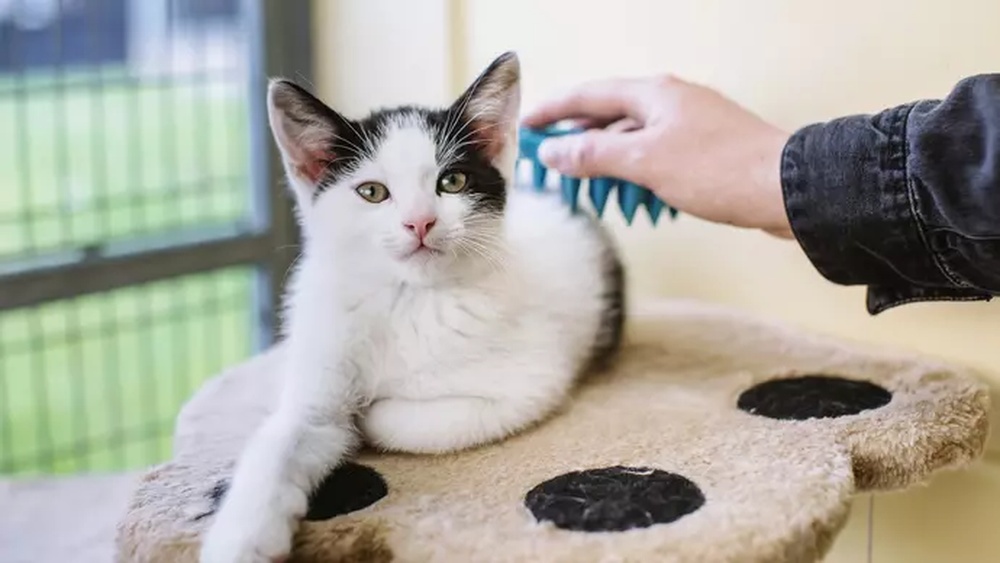
If you want your cat to look and feel its best, learning how to groom cats is key. Grooming isn’t just about keeping your pet clean—it helps prevent health problems and strengthens the bond between you and your furry friend.
But if you’re unsure where to start or worried your cat might not like it, don’t worry. This guide will show you simple, effective steps to make grooming easy and stress-free for both you and your cat. Keep reading to discover how to turn grooming time into a moment your cat will actually enjoy.
Credit: www.purina.com
Choosing The Right Grooming Tools
Choosing the right grooming tools is key for a happy cat. The right tools make grooming easier and more comfortable. Cats have different coat types. Each coat needs a special brush. Nail care and other supplies also matter. Using proper tools helps keep your cat healthy and clean.
Brush Types For Different Coats
Short-haired cats need soft bristle brushes. These remove loose hair and dirt gently. Long-haired cats benefit from slicker brushes. They help untangle mats and knots. Comb brushes work well for medium coats. They smooth the fur and remove debris. Choose brushes based on your cat’s coat length and texture.
Selecting Nail Clippers And Other Supplies
Use nail clippers made for cats. They have a curved blade for safe trimming. Avoid using human nail clippers to prevent injury. Also keep styptic powder ready. It stops bleeding if nails get cut too short. Other useful items include grooming gloves and flea combs. These tools protect your cat and keep grooming stress-free.

Credit: drelseys.com
Brushing Techniques For Cats
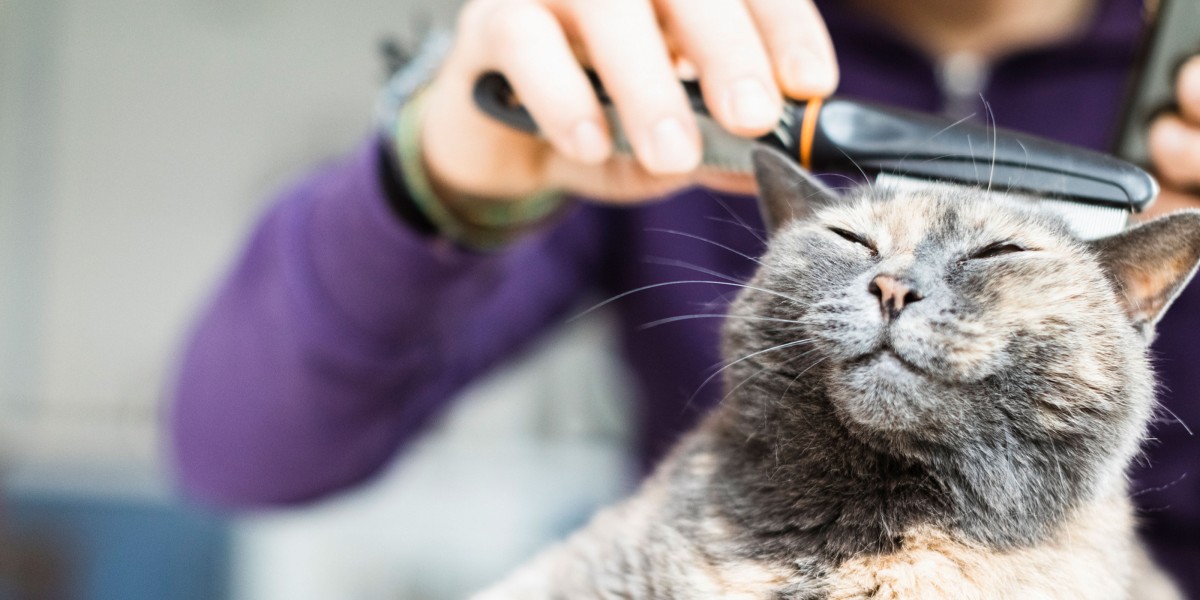
Brushing cats keeps their coat clean and healthy. It removes loose hair and dirt. Regular brushing also helps reduce shedding and hairballs. Cats enjoy gentle grooming, which builds trust. Using the right brushing techniques makes the process smooth and pleasant.
Establishing A Routine
Set a specific time each day for brushing. Choose a calm and quiet place. Start slowly, letting your cat get used to the brush. Brush short sessions at first, then increase time gradually. Consistency helps your cat feel safe and relaxed.
Handling Mats And Tangles
Use a wide-toothed comb to gently work through mats. Hold the fur close to the skin to avoid pulling. Work in small sections, starting from the edges. If mats are tight, trim them carefully or seek help. Never force mats apart, as it can hurt your cat.
Bathing Your Cat Safely
Bathing a cat can be a tricky task. Cats usually groom themselves well. But sometimes, a bath is needed to keep them clean and healthy. Bathing your cat safely means making the experience calm and stress-free. It also means protecting your cat’s skin and fur. Following the right steps helps your cat feel secure. It also keeps both of you safe during the bath.
When To Bathe Your Cat
Most cats do not need regular baths. They clean themselves with their tongues. Bathing is needed if your cat is very dirty. For example, if they get into something sticky or smelly. Bathing helps if your cat has fleas or skin problems. Some cats with long hair may need occasional baths. This helps stop mats and tangles. Always check with a vet if your cat has skin issues. They can advise if a bath is right.
Step-by-step Bathing Process
Prepare a small tub or sink with warm water. The water should feel warm, not hot. Use a gentle cat shampoo made for pets. Avoid human shampoos as they can irritate the skin.
Before the bath, brush your cat to remove loose fur. Place a rubber mat in the tub to stop slipping. Hold your cat gently but firmly. Wet your cat’s fur slowly, avoiding the head.
Apply shampoo and lather gently with your hands. Be careful around the eyes and ears. Rinse the shampoo out completely using warm water. Leftover shampoo can cause itching.
Wrap your cat in a soft towel and dry gently. Keep your cat warm until fully dry. Use a hairdryer only if your cat allows it, and keep it on low heat.
Credit: www.aspca.org
Trimming Nails Without Stress
Trimming a cat’s nails can be stressful for both the cat and the owner. With the right approach, nail cutting becomes calm and safe. Patience and gentle handling help your cat feel comfortable during the process. This section shares simple ways to trim nails without stress.
Preparing Your Cat
Start by picking a quiet room with few distractions. Let your cat relax and explore the space. Gently pet and hold your cat to build trust. Touch their paws often before nail cutting day. This makes the cat used to paw handling. Use treats to reward calm behavior. Keep sessions short and positive. This helps your cat stay calm.
Proper Nail Cutting Methods
Use sharp nail clippers made for cats. Hold the paw firmly but gently. Avoid cutting too close to the pink part inside the nail. This part is sensitive and can bleed. Cut only the sharp tip of each nail. Trim one or two nails at a time. Stop if your cat struggles or shows stress. Praise and reward after each cut. Check nails often to keep them short and healthy.
Cleaning Ears And Eyes
Cleaning your cat’s ears and eyes is a key part of grooming. Dirt and wax can build up in these sensitive areas. This can cause discomfort or infections. Regular cleaning helps keep your cat healthy and comfortable. Gentle care is important to avoid hurting your pet. Use the right tools and techniques for best results.
Tools For Ear Cleaning
Use a soft cotton ball or pad to clean ears. Avoid cotton swabs that can damage the ear canal. Get a vet-approved ear cleaner solution. This helps dissolve wax safely. Have treats ready to reward your cat. Patience is important during this process.
Removing Tear Stains And Debris
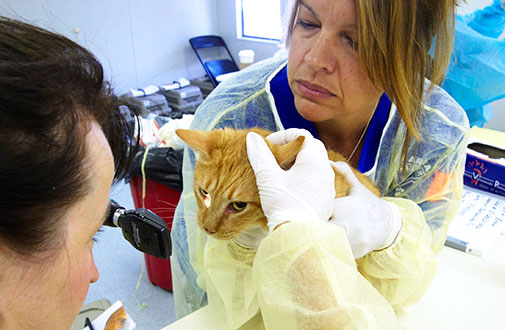
Use a damp, soft cloth to wipe around the eyes. Clean from the inner corner outward gently. Tear stains can look unsightly and attract dirt. Special wipes made for pets can help remove stains. Check your cat’s eyes for redness or unusual discharge. Consult a vet if you see any problems.
Dealing With Shedding And Hairballs
Shedding and hairballs are common problems for cat owners. Cats lose fur daily, which can spread around the house. Hairballs form when cats swallow loose hair during grooming. These can cause discomfort and digestive issues. Regular care helps control shedding and reduces hairball formation. It keeps your cat healthy and your home cleaner.
Reducing Shedding Through Grooming
Brushing your cat often removes loose fur before it falls out. Use a brush suited for your cat’s fur type. Short-haired cats benefit from a rubber brush. Long-haired cats need a wide-toothed comb or slicker brush. Grooming prevents mats and tangles, which trap dead fur. It also spreads natural oils, keeping fur shiny and healthy. Aim to groom daily or several times a week during heavy shedding seasons.
Preventing Hairball Issues
Hairballs occur when swallowed fur builds up in the stomach. Regular grooming lowers the amount of fur your cat swallows. Feeding a high-fiber diet helps move hair through the digestive tract. Some pet foods are made to reduce hairball problems. Provide fresh water to keep your cat hydrated, aiding digestion. You can also ask your vet about safe hairball remedies. Keeping your cat active improves digestion and reduces hairball risk.
Recognizing Skin And Coat Problems
Watching your cat’s skin and coat is key to its health. A shiny, smooth coat means your cat feels good. Dull fur or red, itchy skin can signal problems. Early spotting helps your cat stay comfortable and healthy. Regular checks catch issues before they get worse.
Common Signs Of Skin Issues
Look for redness or swelling on the skin. Bald patches or excessive shedding are warning signs. Scabs, bumps, or crusty areas may appear. Your cat might scratch, lick, or bite a lot. Foul smells or oily fur can also show skin problems. Notice any changes in your cat’s coat texture. Dry or flaky skin is another sign to watch for.
When To Visit The Vet
See the vet if skin problems last more than a few days. Severe itching or hair loss needs prompt attention. Open sores or wounds require professional care. If your cat seems in pain or acts different, visit the vet. Sudden changes in behavior linked to skin issues are serious. Persistent bad smells from the coat also need a vet check. Early treatment improves your cat’s recovery chances.
Making Grooming Enjoyable
Grooming your cat can be a fun and relaxing time for both of you. Cats may not always enjoy grooming at first. Making the experience calm and positive helps them feel safe and happy. This section explains how to make grooming a pleasant routine.
Creating A Calm Environment
Choose a quiet spot for grooming. Avoid loud noises and sudden movements. Soft lighting can help your cat stay relaxed. Speak in a gentle voice while grooming. Keep grooming tools nearby to avoid interruptions. Short sessions work better than long ones. Watch your cat’s body language for signs of stress.
Using Treats And Positive Reinforcement
Use small treats to reward your cat during grooming. Offer a treat after brushing or petting. Praise your cat with soft words and gentle strokes. Treats help your cat associate grooming with good feelings. Be consistent with rewards to build trust. Avoid forcing your cat to stay if it shows discomfort. Over time, your cat will look forward to grooming sessions.
Frequently Asked Questions
How Often Should I Groom My Cat?
Groom your cat at least once a week to remove loose fur. Long-haired cats need grooming daily. Regular grooming prevents matting and reduces shedding.
What Tools Are Best For Cat Grooming?
Use a soft-bristle brush for short-haired cats. A wide-toothed comb works well for long-haired cats. Nail clippers and grooming wipes are also helpful.
Can Grooming Improve My Cat’s Health?
Yes, grooming helps detect skin issues early. It stimulates blood circulation and reduces hairballs. Regular grooming promotes a clean, healthy coat.
How Do I Groom A Scared Or Aggressive Cat?
Approach calmly and use gentle strokes. Start with short sessions and reward your cat with treats. Avoid forcing grooming to prevent stress.
Conclusion
Grooming your cat helps keep their coat clean and healthy. Regular brushing reduces hairballs and skin problems. It also builds trust between you and your pet. Use gentle tools and be patient during grooming sessions. Watch your cat’s behavior to know what they like.
A well-groomed cat feels comfortable and looks great. Small daily efforts make a big difference over time. Enjoy the quiet moments spent caring for your furry friend.