
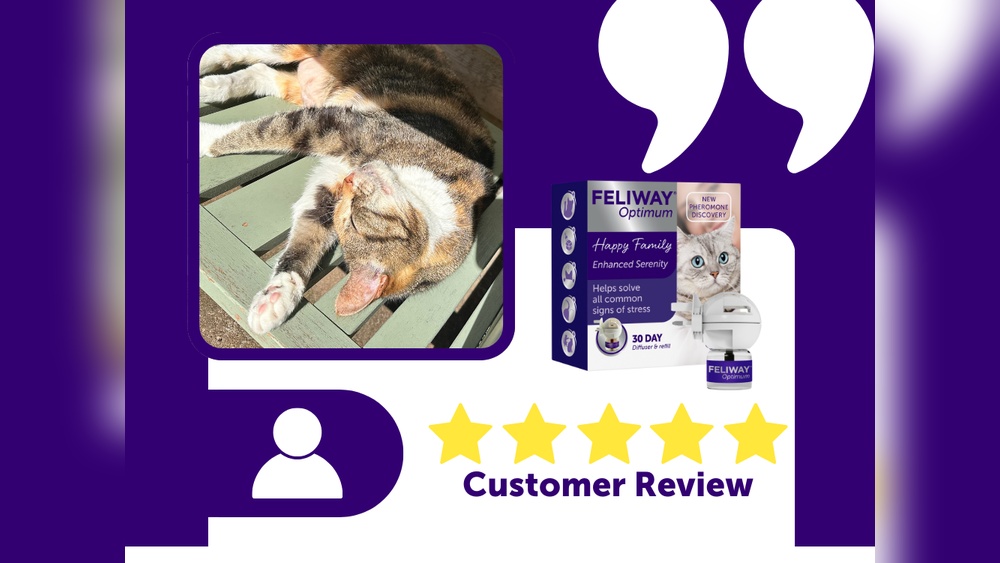
Is your cat spending too much time licking and biting its fur? Over grooming can lead to bald patches, skin irritation, and even infections.
You want your furry friend to feel comfortable and healthy, but it’s hard to know how to help. Don’t worry—you’re not alone, and there are simple steps you can take to stop your cat from over grooming. Keep reading to discover easy, effective ways to protect your cat’s skin and keep them happy.
Causes Of Over Grooming
Over grooming in cats can cause serious skin problems. Understanding what causes this behavior helps to stop it early. Several factors may lead your cat to groom too much. Identifying the root cause makes treatment easier and more effective.
Stress And Anxiety
Cats often groom more when they feel stressed. Changes in their environment can trigger anxiety. Loud noises, new pets, or moving to a new home can upset them. Grooming becomes a way to calm down. Reducing stress helps lower excessive grooming.
Skin Allergies
Allergies cause itching and irritation on a cat’s skin. Cats react by licking or biting the itchy spots. Common allergens include certain foods, pollen, or dust mites. Treating allergies reduces itching and stops over grooming.
Parasite Infestations
Fleas, ticks, and mites irritate the skin. Cats try to remove these parasites by grooming excessively. Parasite infestations cause redness and hair loss. Regular parasite control keeps your cat comfortable and calm.
Pain Or Discomfort
Pain from injuries or arthritis can make cats groom too much. Grooming may soothe sore areas. Watch for swollen or tender spots on your cat’s body. A vet can find and treat the cause of pain.
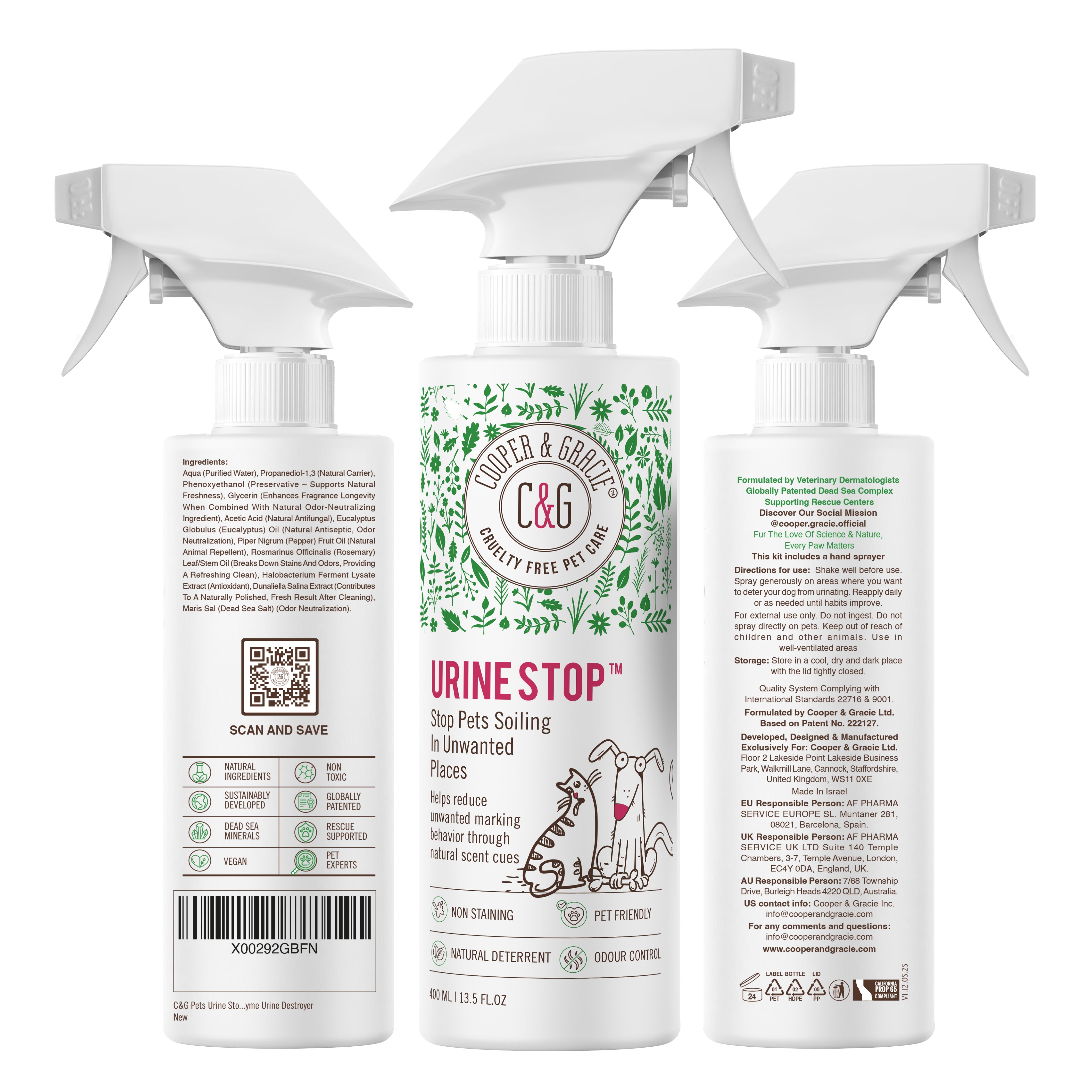
Credit: www.cooperandgracie.com
Recognizing Over Grooming Signs
Recognizing the signs of over grooming in cats is important. It helps catch problems early. Over grooming can harm your cat’s skin and fur. It may also show that your cat feels stressed or uncomfortable.
Watch your cat closely. Notice changes in its grooming habits and skin condition. Understanding these signs will guide you to help your cat feel better.
Bald Patches And Redness
One clear sign of over grooming is bald patches. These appear where your cat licks too much. The skin may look red and sore. Bald spots often show on the belly, legs, or neck. Redness means the skin is irritated or inflamed. These signs need your attention to prevent infection.
Excessive Licking Habits
Normal grooming is quick and gentle. Excessive licking lasts longer and is intense. Your cat may lick the same spot again and again. This can cause skin damage and discomfort. Notice if your cat licks more than usual. This habit may increase during stress or boredom.
Behavioral Changes
Over grooming often comes with behavior changes. Your cat might seem anxious or restless. It may hide or avoid interaction. Sometimes, it may bite or scratch more than before. Changes in appetite or sleep patterns can also appear. These behaviors suggest your cat needs help to feel safe.
Veterinary Diagnosis
Veterinary diagnosis is key to stopping your cat’s over grooming. It helps find the root cause of the problem. A vet uses several tests to check your cat’s health. These tests guide the right treatment to help your cat heal.
Physical Examination
The vet starts with a physical exam. They look at your cat’s skin and fur closely. They check for redness, wounds, or hair loss. The vet feels the skin to find lumps or bumps. This exam shows signs of pain or irritation. It helps spot infections or injuries causing grooming.
Allergy Testing
Allergies often cause cats to groom too much. The vet may test for allergies. This test finds if your cat reacts to food or the environment. It can include blood tests or skin tests. Knowing allergies helps change your cat’s diet or surroundings. This reduces itching and stops over grooming.
Skin Scrapings And Cultures
Skin scrapings check for parasites or infections. The vet gently scrapes the skin surface. They look for mites, fungi, or bacteria under a microscope. Cultures grow any germs found to identify the exact cause. Treating infections or parasites stops your cat’s discomfort. This lowers the need for over grooming.

Credit: pennypaws.com
Environmental Adjustments
Environmental changes can help stop your cat from over grooming. Cats often groom too much because they feel stressed or bored. Changing their surroundings can make them feel calm and happy. Small changes can reduce the urge to over groom.
Reducing Stress Triggers
Identify things that scare or upset your cat. Loud noises, new pets, or strangers can cause stress. Try to keep your cat away from these triggers. Create a quiet and calm home space. Use soothing sounds or calming sprays designed for cats. A relaxed cat grooms less.
Providing Enrichment And Play
Bored cats groom themselves too much. Give your cat toys to chase and play with. Use puzzle feeders to make mealtime fun. Play with your cat daily to burn energy. New toys and games keep your cat busy. An active cat forgets to over groom.
Safe And Comfortable Spaces
Make sure your cat has a cozy resting spot. Soft beds or blankets help cats feel secure. Place these spaces in quiet corners away from noise. Cats love high places like shelves or cat trees. Safe spots help reduce anxiety and grooming urges.
Medical Treatments
Medical treatments play a key role in stopping over grooming in cats. They help address the root causes of this behavior. Treating allergies, parasites, and pain can calm your cat and reduce excessive licking or biting. Veterinarians often recommend specific medicines for each condition. These treatments improve your cat’s comfort and overall health.
Medications For Allergies
Allergies often cause itching and skin irritation in cats. This discomfort leads to over grooming. Vets may prescribe antihistamines to reduce allergic reactions. Steroids can also help ease severe inflammation. These medicines lower itching and calm your cat’s skin. Treating allergies stops the constant licking and scratching.
Parasite Control
Parasites like fleas or mites cause intense itching. Cats react by biting and grooming their fur. Parasite control products kill these pests quickly. Spot-on treatments, shampoos, or oral medicines may be used. Regular parasite prevention keeps your cat comfortable. Removing parasites stops the urge to over groom.
Pain Management
Pain from injuries or arthritis can cause over grooming. Cats lick sore areas to soothe themselves. Pain relievers prescribed by vets reduce discomfort. This helps your cat stop licking painful spots. Managing pain improves your cat’s mood and behavior. It also prevents further skin damage from over grooming.
Behavioral Interventions
Behavioral interventions can help reduce your cat’s over grooming. These methods focus on changing your cat’s habits and environment. They make your cat feel safe and calm. This helps stop excessive licking or biting.
Redirecting Attention
Give your cat something else to do. Toys, scratching posts, or puzzle feeders work well. Play with your cat regularly to keep it busy. This lowers stress and boredom. Your cat will focus on fun instead of over grooming.
Positive Reinforcement
Reward your cat for good behavior. Use treats or gentle petting when your cat stops licking. Praise your cat calmly to encourage calm actions. This teaches your cat that not over grooming brings rewards. Patience is key for success.
Calming Products
Calming products can ease your cat’s stress. Pheromone diffusers release comforting scents. Calming collars and sprays also help. These products create a safe feeling. A relaxed cat grooms less often and feels better.
Preventing Future Over Grooming
Preventing future over grooming in cats helps keep them healthy and happy. Over grooming often signals stress or health problems. Catching these early stops worse issues. Simple steps at home and regular care protect your cat’s skin and fur. Consistency matters for long-term success.
Regular Vet Checkups
Schedule vet visits every six months. Vets check for allergies, parasites, and skin infections. They spot problems before your cat over grooms. Early treatment reduces discomfort and itching. Your vet can advise on behavior or medical causes.
Balanced Diet
Feed your cat high-quality food with all nutrients. Poor diet can cause dry skin and itching. Omega-3 fatty acids help reduce inflammation. Fresh water supports healthy skin and coat. Avoid sudden diet changes to prevent digestive upset.
Consistent Routine
Cats feel safe with a steady daily routine. Play, feeding, and rest times should be regular. Stress triggers over grooming in many cats. Provide a calm environment with quiet spaces. Use toys and attention to keep your cat engaged.

Credit: www.amazon.com
Frequently Asked Questions
What Causes Cats To Over Groom Themselves?
Cats over groom due to stress, allergies, parasites, or skin infections. It can also be a behavioral issue or boredom. Identifying the root cause is essential to treat over grooming effectively and keep your cat healthy and comfortable.
How Can I Stop My Cat From Over Grooming?
Provide a stress-free environment, regular playtime, and proper grooming. Consult a vet to rule out medical issues. Use calming products or behavior modification techniques if needed. Consistent care helps reduce over grooming and improves your cat’s well-being.
When Should I See A Vet For Over Grooming?
Visit a vet if over grooming causes hair loss, skin sores, or bleeding. Early diagnosis prevents complications and ensures appropriate treatment. Persistent or worsening grooming behavior always warrants professional advice to protect your cat’s health.
Can Diet Affect A Cat’s Grooming Habits?
Yes, poor diet or food allergies can trigger skin irritation and over grooming. Feeding a balanced, hypoallergenic diet improves skin health and reduces excessive licking. Consult your vet for dietary recommendations tailored to your cat’s needs.
Conclusion
Stopping your cat’s over grooming takes patience and care. Watch your cat’s behavior closely. Provide a calm and safe space for your pet. Use gentle grooming tools to help. Offer plenty of toys and attention to reduce stress. Consult a vet if over grooming continues.
Small changes can lead to big improvements. Your cat will feel happier and healthier soon. Keep trying and stay consistent. Caring for your cat matters most.