
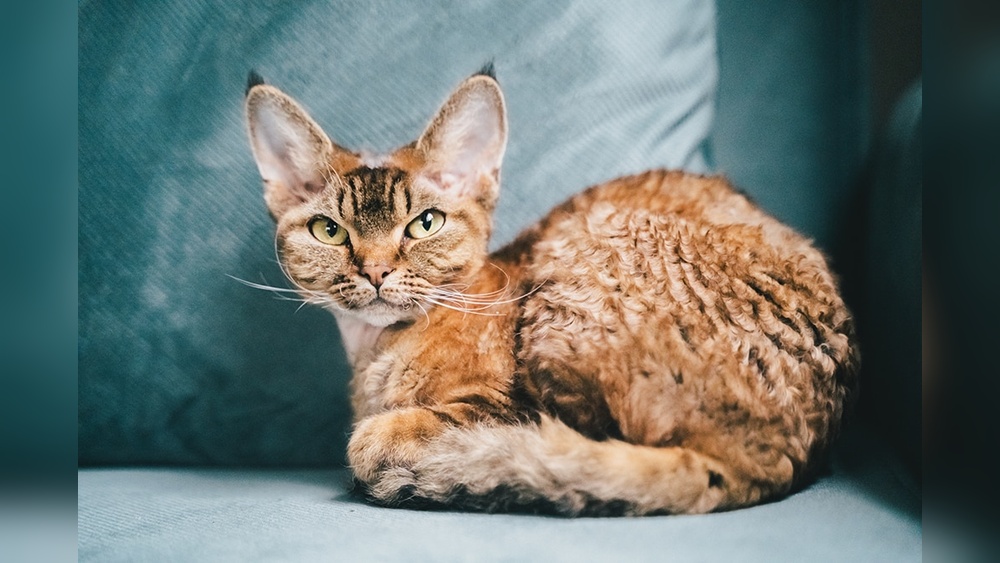
Are you tired of finding cat hair on your clothes, furniture, and everywhere else? You might be wondering if there’s a cat breed that doesn’t shed at all.
Imagine having a furry friend without the constant mess and allergies that come with shedding. You’ll discover which cat breeds shed the least and why. If you want a cleaner home and a happy pet, keep reading—your perfect low-shed companion could be just a few paragraphs away.
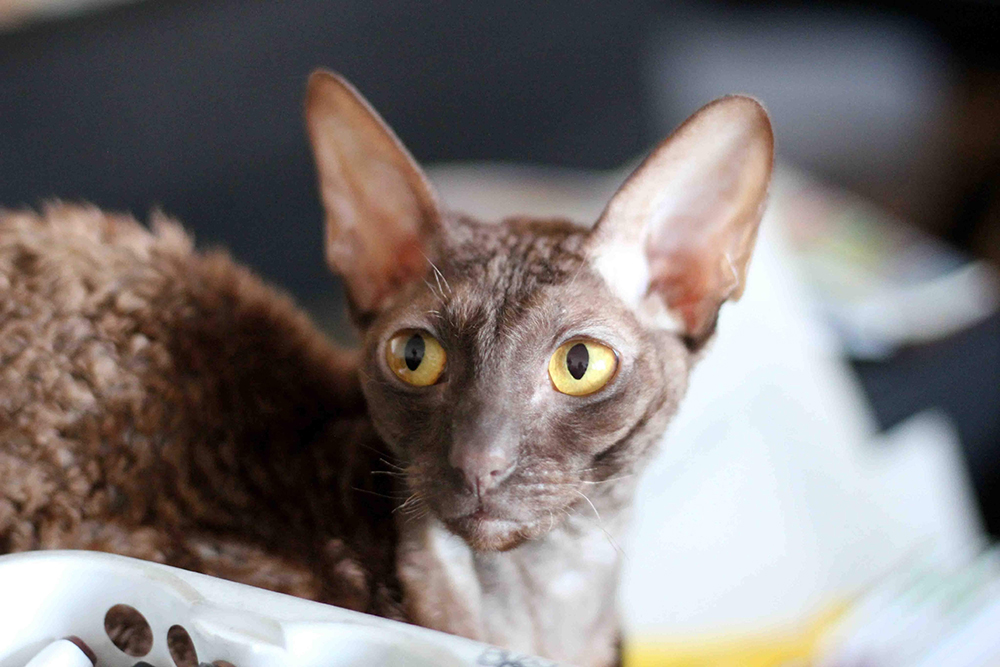
Credit: www.purina.com
Low-shedding Cat Breeds
Low-shedding cat breeds offer a cleaner home and less fur on clothes. They are great for people who prefer less grooming. These cats usually lose very little hair throughout the year. Their coats need less brushing and care. Here are some popular low-shedding cat breeds to consider.
Sphynx Cats
Sphynx cats have almost no fur. Their skin feels warm and soft. They do shed tiny amounts of skin flakes, not hair. Owners must bathe them regularly to keep skin healthy. Sphynx cats are playful and love attention.
Russian Blue Cats
Russian Blues have short, dense fur. Their double coat traps loose hair well. They shed less than many other cats. Regular brushing helps keep shedding minimal. These cats are quiet and gentle companions.
Siberian Cats
Siberians have thick, water-resistant coats. They shed seasonally but less than most long-haired breeds. Their fur traps loose hair close to the skin. Brushing during shedding seasons helps control fur. Siberians are friendly and very agile.
Balinese Cats
Balinese cats have medium-length hair. Their fine, silky coat sheds little. They need regular brushing to prevent tangles. Balinese cats are social and enjoy being with people. Their low shedding makes them popular pets.
Bengal Cats
Bengals have short, sleek fur. Their coat sheds very little. They are active and curious animals. Brushing once a week keeps their fur healthy. Bengals are known for their wild, leopard-like spots.
Benefits Of Low-shedding Cats
Low-shedding cats offer many benefits for pet owners. They help keep your home cleaner and reduce the amount of fur on clothes and furniture. Their coats need less care, making grooming easier. These cats often cause fewer allergy problems. Choosing a low-shedding breed can make life simpler and more comfortable for you and your family.
Allergy-friendly Pets
Low-shedding cats release less dander, which triggers allergies. People with mild allergies can enjoy these cats more. They can spend time with cats without strong reactions. These pets create a friendlier environment for sensitive individuals. Allergy symptoms may become less frequent and less severe.
Easier Grooming
Low-shedding cats need less brushing and combing. This saves time and effort for owners. Their fur is less likely to mat or tangle. Bathing and grooming are simpler and quicker. This makes caring for your cat less stressful.
Cleaner Home Environment
Less shedding means less fur around the house. Floors, furniture, and clothes stay cleaner longer. Dust and hair build-up reduce significantly. This lowers the need for constant cleaning. A cleaner home feels more comfortable and fresh.
Factors Affecting Cat Shedding
Shedding is a natural part of a cat’s life. It helps cats get rid of old or damaged fur. Different things affect how much a cat sheds. Understanding these factors can help manage shedding better. Some cats shed more due to their environment or health. Knowing these causes helps keep your home cleaner and your cat happier.
Seasonal Changes
Cats shed more during certain seasons. In spring and fall, their fur changes to match the weather. They lose thick fur in spring to stay cool. In fall, they grow a thicker coat for winter. Indoor cats may shed less because of stable temperatures. Still, seasonal changes can trigger shedding cycles.
Diet And Health
A cat’s diet affects its fur condition. Poor nutrition can lead to more shedding. High-quality food supports healthy skin and coat. Some cats shed more if they have skin problems. Illness or allergies also increase shedding. Regular vet check-ups help spot health issues early.
Stress And Environment
Stress causes cats to shed more fur. Changes in the home or loud noises can upset cats. A calm environment reduces stress and shedding. Cats need safe spaces to relax. Grooming also helps reduce loose fur from stress shedding.

Credit: petmedonline.com
Tips To Reduce Shedding
Shedding is a natural process for cats. It helps them get rid of old or damaged fur. Some cats shed more than others. You can reduce shedding with simple care steps. These tips help keep your home cleaner and your cat comfortable.
Regular Brushing
Brushing your cat removes loose fur. It stops hair from spreading around your home. Use a brush suited to your cat’s coat type. Short-haired cats need a soft brush. Long-haired cats need a comb or slicker brush. Brush your cat gently every day or several times a week. It also helps prevent hairballs.
Proper Nutrition
Good food supports healthy skin and fur. Choose cat food with high protein and omega fatty acids. These nutrients keep fur strong and shiny. Avoid low-quality food with fillers. Proper nutrition reduces excessive shedding. It also improves your cat’s overall health.
Hydration And Skin Care
Water keeps your cat’s skin hydrated. Dry skin can cause more shedding and irritation. Provide fresh water daily. Use a water fountain to encourage drinking. Check your cat’s skin for dryness or redness. Consult a vet if you see problems. Healthy skin means less shedding and a happy cat.
Choosing The Right Low-shedding Cat
Choosing the right low-shedding cat is important for a happy home. Cats that shed less can make life easier for people with allergies or those who dislike cleaning fur. But shedding is not the only thing to think about. Each cat breed has its own personality and care needs. Picking a cat that fits your lifestyle makes living together better.
Matching Personality With Lifestyle
Every cat has a unique personality. Some cats are playful and active. Others prefer calm and quiet time. Think about your daily routine. Do you have time to play and interact often? Or do you want a cat that enjoys being alone? Low-shedding breeds like the Siamese are social and vocal. Breeds like the Russian Blue are shy but loyal. Choose a cat whose behavior matches your energy and home life.
Considering Grooming Needs
Low-shedding cats usually need less grooming. Still, some breeds require regular brushing. This helps keep their coat clean and healthy. For example, the Sphynx has almost no hair but needs skin care. The Balinese sheds little but needs occasional grooming. Grooming also helps build trust between you and your cat. Think about how much time you can spend on this. A good grooming routine keeps your cat happy and your house cleaner.
Adoption Vs. Breeder Options
Adopting a cat can be a kind choice. Shelters sometimes have low-shedding cats or mixes. Adoption helps provide a home for animals in need. Buying from a breeder allows you to choose a specific breed. Reputable breeders give health information and support. Make sure to check the breeder’s reputation. Both options have benefits. Decide what works best for your needs and values.
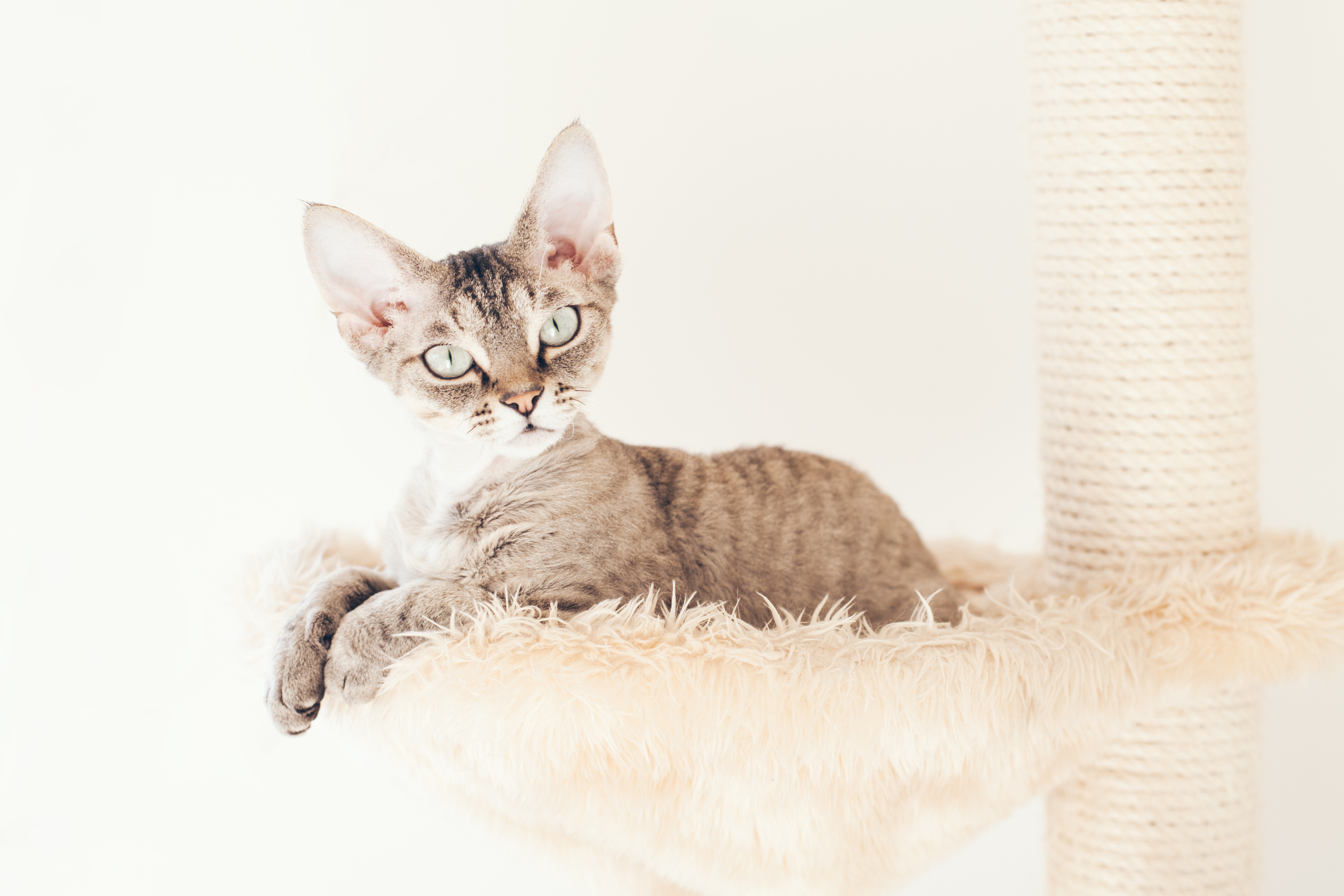
Credit: www.newsweek.com
Frequently Asked Questions
Do Any Cat Breeds Shed Absolutely No Hair?
No cat breed sheds absolutely zero hair. However, breeds like the Sphynx and Devon Rex shed very minimally. These cats are better for people with mild allergies or who prefer less fur around the home.
Which Cat Breeds Are Best For Allergy Sufferers?
Breeds like the Sphynx, Siberian, and Balinese produce fewer allergens. They shed less hair and dander, making them more suitable for allergy sufferers. No breed is 100% hypoallergenic but these are often recommended.
How Often Do Low-shedding Cats Require Grooming?
Low-shedding cats still need regular grooming. Weekly brushing helps remove loose hair and prevents matting. Even hairless breeds need skin care to keep their coat and skin healthy.
Can Indoor Cats Reduce Shedding Compared To Outdoor Cats?
Indoor cats typically shed less than outdoor cats. They experience less exposure to dirt and parasites. Controlled temperature and diet also help minimize shedding indoors.
Conclusion
Cats that shed less do exist, but none are fully non-shedding. Breeds like the Sphynx and Cornish Rex shed very little fur. Regular grooming can help reduce shedding in all cats. Choosing the right breed helps manage allergies and cleaning needs.
Remember, every cat is unique, and shedding varies by individual. Enjoy your pet’s company, no matter the fur. Caring for your cat with love is what truly matters.