

Are you tired of finding cat hair on your clothes, furniture, and everywhere in between? If you love cats but hate the constant shedding, you’re not alone.
Shedding can be frustrating, especially if you have allergies or just want a cleaner home. The good news is, some cat breeds barely shed at all. Imagine enjoying the warmth and companionship of a cat without the endless fur cleanup.
You’ll discover which cat breeds don’t shed much and why they might be the perfect fit for your lifestyle. Keep reading to find your ideal low-shedding feline friend!
Credit: www.purina.com
Why Shedding Matters
Shedding is a natural process for cats. They lose old fur to make space for new growth. This can affect your daily life and comfort. Understanding why shedding matters helps in choosing the right cat breed. Cats that shed less can be better for some homes.
Allergies And Sensitivities
Cat fur carries allergens that cause reactions. People with allergies feel sneezing, itching, or watery eyes. Cats that shed less release fewer allergens. This helps reduce allergy problems at home. Choosing low-shedding cats benefits sensitive individuals.
Home Cleanliness
Shedding fur spreads on furniture and floors. Cleaning becomes harder and takes more time. Low-shedding cats drop less hair around the house. This keeps your home cleaner for longer. It also reduces dust and fur buildup.
Pet Grooming Effort
Shedding cats need regular brushing to control loose fur. Grooming can be time-consuming and messy. Cats that shed less require less grooming. This saves time and keeps the cat comfortable. It also lowers the chance of hairballs.

Credit: petmedonline.com
Traits Of Low-shedding Cats
Low-shedding cats have special traits that make them shed less fur. These traits help keep your home cleaner. They also reduce allergies for sensitive people. Understanding these traits helps you choose the right cat breed.
Coat Types
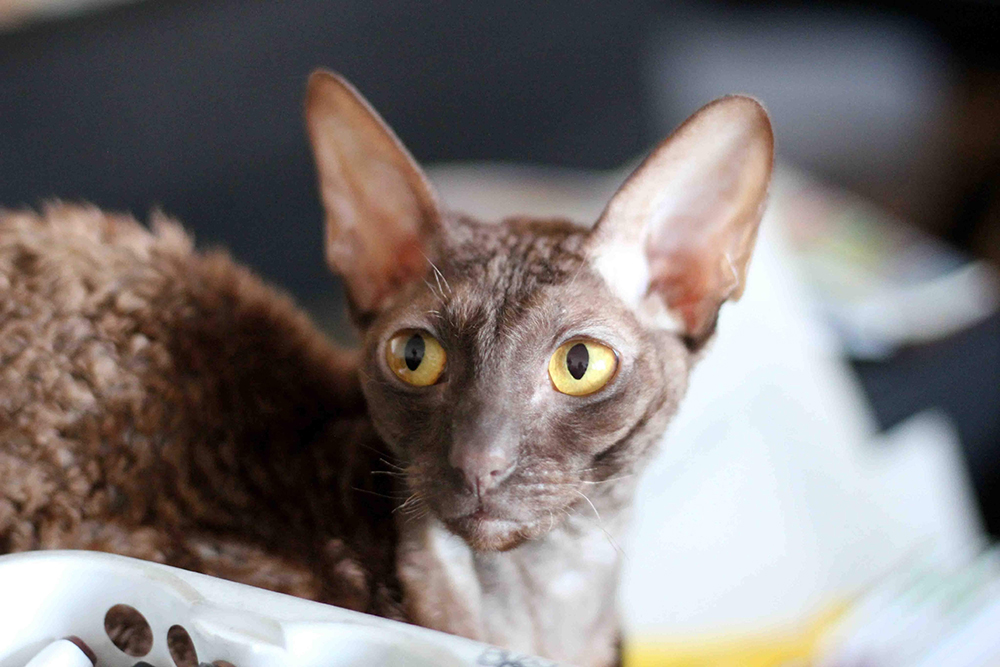
Low-shedding cats usually have unique coat types. Some have hair that grows continuously, like the Cornish Rex. Others have very fine or curly hair that traps loose fur. Many low-shedding cats have single coats instead of double coats. Single coats shed less because they don’t have an extra layer.
Genetic Factors
Genes play a big role in how much a cat sheds. Some breeds inherit traits that limit shedding. For example, the Sphynx cat is nearly hairless due to a natural gene. Other breeds carry genes for coats that shed less fur. These genetic traits pass down through generations.
Maintenance Needs
Low-shedding cats still need regular care. Brushing helps remove loose hair and prevents mats. Bathing can reduce dander and dead skin cells. Proper diet supports healthy skin and fur. Regular grooming keeps shedding under control and your cat comfortable.
Popular Low-shedding Cat Breeds
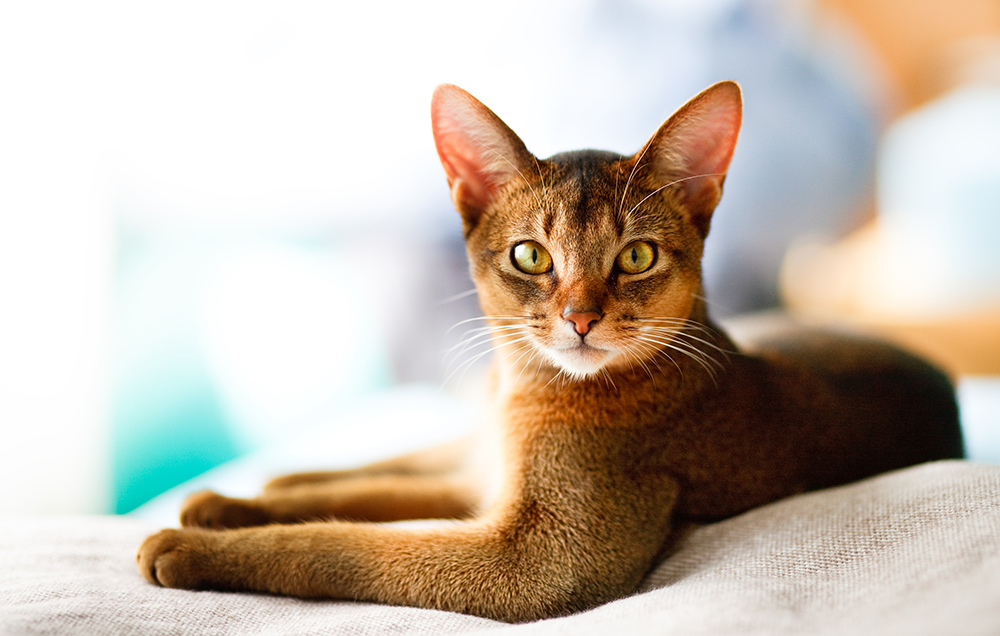
Many cat lovers want a pet that sheds less. Low-shedding cats make cleaning easier and reduce allergies. These breeds have unique coats and personalities. They are popular for people who want less fur around the house.
Here are some popular low-shedding cat breeds to consider.
Sphynx
The Sphynx cat is famous for its lack of fur. It has smooth, bare skin that feels warm to touch. This breed does not shed but needs regular baths to remove oils. Sphynx cats are friendly and love attention.
Russian Blue
Russian Blue cats have short, dense coats that shed very little. Their fur is soft and silver-blue in color. This breed is quiet and gentle, making them great companions. They groom themselves well, reducing loose fur.
Bengal
Bengal cats have short, spotted coats that shed less than many breeds. Their fur feels soft and looks wild like a leopard. Bengals are active and playful pets. They require mental and physical stimulation daily.
Siberian
Siberian cats have thick, water-resistant coats that shed less than expected. They have three layers of fur, which helps reduce shedding. Siberians are large, strong, and very affectionate. They adapt well to different homes.
Cornish Rex
The Cornish Rex has a unique curly coat that sheds very little. Their fur is soft and feels like velvet. This breed is lively and loves to jump and play. Cornish Rex cats enjoy being around people.
Hypoallergenic Cat Breeds
Hypoallergenic cat breeds offer a better option for allergy sufferers. These cats produce fewer allergens that trigger reactions. Many people believe cats cause allergies because of fur. Actually, allergens come from skin flakes and saliva. Hypoallergenic cats shed less dander and hair. This reduces the chances of allergic reactions. Many find these cats easier to live with. They combine companionship with fewer allergy issues.
How Hypoallergenic Cats Differ
Hypoallergenic cats produce fewer proteins that cause allergies. These proteins appear in skin flakes, saliva, and urine. Cats with less shedding spread fewer allergens around the home. Their coat types often help limit allergen spread. Some have fine, short fur that traps dander. Others have unique coats that shed very little. Regular grooming also lowers allergen levels. Their body chemistry plays a key role too. This makes them better suited for sensitive individuals.
Top Hypoallergenic Breeds
Siberian cats have thick, water-resistant coats but low allergen levels. Balinese cats are called “long-haired Siamese” with fewer allergens. Russian Blue cats shed less and produce less Fel d 1 protein. Bengal cats have short coats that shed little dander. Cornish Rex cats have soft, curly fur and minimal shedding. Each breed offers unique looks and personalities. These cats provide companionship with fewer allergy risks.
Tips To Reduce Shedding At Home
Shedding can be a challenge for many cat owners. Even cats that shed less can leave fur around the house. Reducing shedding helps keep your home cleaner and your cat healthier. Simple habits make a big difference in managing shedding at home.
Regular Grooming Techniques
Brush your cat often to remove loose fur. Use a brush that suits your cat’s coat type. Brushing also helps spread natural oils for a healthy coat. Bathing your cat sometimes can reduce shedding too. Always be gentle to avoid hurting your pet.
Diet And Health Impact
A healthy diet supports a strong, shiny coat. Feed your cat high-quality food with enough protein and nutrients. Omega-3 and Omega-6 fatty acids help reduce shedding. Keep your cat hydrated to maintain skin health. Regular vet check-ups catch skin or health issues early.
Environmental Controls
Keep your home clean to reduce fur buildup. Vacuum floors and furniture often to remove loose hairs. Use air purifiers to reduce airborne pet dander. Control humidity levels to prevent dry skin. Provide a comfortable, stress-free space for your cat to thrive.
Choosing The Right Low-shedding Cat
Choosing the right low-shedding cat requires careful thought. Cats that shed less can fit well in many homes. They help keep your space cleaner and reduce allergies. Picking the best breed depends on your life and needs. Consider your daily routine, family members, and home space. This will guide you to a cat that suits your lifestyle and makes you happy.
Lifestyle Considerations
Think about your daily schedule and activity level. Some low-shedding cats need more attention and playtime. Others prefer quiet and rest. If you travel often, choose a cat that handles alone time well. Small homes benefit from cats that stay calm and relaxed. Consider grooming needs too. Some breeds need brushing, even if they shed little.
Compatibility With Families
Low-shedding cats can be great for families with children. Choose a breed known for being gentle and patient. Some cats enjoy being handled and playing with kids. Others prefer quiet and less noise. Think about other pets in the house. Pick a cat that gets along with dogs or other animals. The right match keeps everyone happy and safe.
Adoption And Purchase Advice
Adopt from shelters or rescues to give cats a second chance. Many low-shedding cats need loving homes. Research breeders carefully for healthy and ethical options. Ask about the cat’s health, temperament, and shedding habits. Visit the cat before deciding. Spend time to see how the cat behaves. This helps find a good fit for your home.
Credit: www.purina.com
Frequently Asked Questions
Which Cat Breeds Shed The Least?
Breeds like the Sphynx, Russian Blue, and Bengal shed very little. They have unique coats that reduce shedding. These cats are ideal for people with allergies or those preferring low-maintenance pets.
Are Hairless Cats Completely Non-shedding?
Hairless cats like the Sphynx don’t shed fur but produce skin oils. They require regular baths to prevent oil buildup. While they don’t shed hair, grooming is still necessary for skin health.
Do Hypoallergenic Cats Shed Less?
Hypoallergenic cats generally shed less, producing fewer allergens. Breeds like the Balinese and Siberian are known for this. However, no cat is 100% allergen-free or completely non-shedding.
How To Reduce Shedding In Regular Cats?
Regular grooming and brushing significantly reduce shedding. Feeding a healthy diet also improves coat quality. Using deshedding tools and maintaining good hygiene helps keep loose fur under control.
Conclusion
Choosing a cat that sheds less can make life easier. These breeds help keep your home cleaner. They also reduce allergies for many people. Remember, no cat is fully non-shedding. Regular grooming still helps keep shedding low. Enjoy the company of a furry friend without too much mess.
Find the right cat that fits your lifestyle and needs. A low-shedding cat can be a great choice for many families.