
Planning to fly with your cat but not sure how it works? You’re not alone.
Traveling by airplane with a furry friend can feel overwhelming. You might worry about your cat’s comfort, the rules you need to follow, or how to keep them calm during the trip. This guide will walk you through everything you need to know.
By the time you finish reading, you’ll feel confident and ready to make your cat’s air travel smooth and stress-free. Let’s dive in and make your next trip with your cat an easy one.
Credit: www.newsweek.com
Preparing Your Cat For Air Travel
Preparing your cat for air travel is important for a smooth journey. It helps reduce stress for both you and your pet. Careful preparation makes the trip safer and more comfortable.
Choosing The Right Carrier
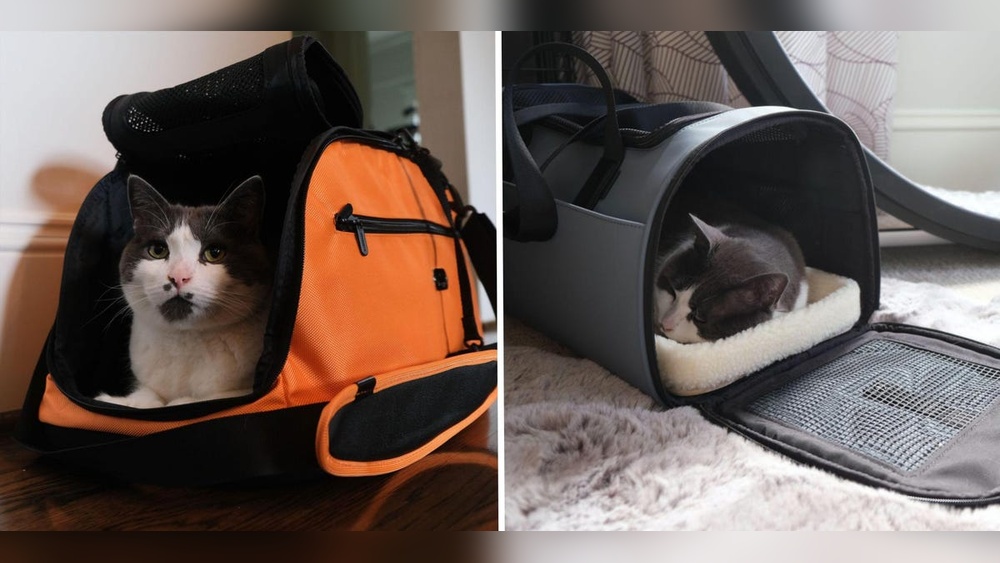
Select a carrier that fits your cat well. It should be sturdy and well-ventilated. The size must allow your cat to stand, turn, and lie down comfortably. Soft-sided carriers often fit under airplane seats better. Check airline rules about carrier size and type before buying.
Health Checks And Vaccinations
Visit the vet before traveling. Your cat needs a health check to confirm they are fit to fly. Vaccinations must be up-to-date. Some airlines require a health certificate issued within days of travel. Discuss any travel concerns with your vet to keep your cat safe.
Acclimating Your Cat To The Carrier
Help your cat get used to the carrier before the trip. Leave the carrier open at home with soft bedding inside. Encourage your cat to explore it with treats and toys. Practice short trips in the carrier to build comfort. This reduces anxiety during the flight.
Booking Your Flight
Booking a flight for you and your cat needs careful planning. Your goal is to ensure a smooth journey for both of you. Each airline has different rules and options. Knowing these rules helps avoid surprises at the airport. This section covers key points about booking your flight with a cat.
Airline Pet Policies
Each airline has its own pet travel rules. Some allow small cats inside the cabin. Others require pets to travel in the cargo hold. Weight limits and carrier size rules vary. Check the airline’s website before booking. Some airlines need advance notice for pets. Fees for pet travel can also differ. Knowing these policies saves time and stress later.
Direct Flights Vs. Layovers
Choosing direct flights is usually better for your cat. Fewer takeoffs and landings reduce stress. Layovers mean more handling and waiting. This can make your cat nervous or tired. Direct flights often cost more but offer a calmer trip. If layovers are necessary, pick airports with pet relief areas. Make sure the connection time is long enough to care for your cat.
Booking Pet-friendly Seats
Some airlines have seats near the front for pets in the cabin. These seats often offer more space. Booking early improves your chances of getting these spots. Call the airline to reserve your pet seat. Online booking might not show pet-friendly seat options. Inform the airline about your cat’s size and carrier. This helps them prepare for your arrival.
Day Of Travel Tips
Travel day can be stressful for both you and your cat. Proper planning helps make the journey smoother. Small actions on this day improve your cat’s comfort and safety. Follow these tips to prepare for a calm trip.
Feeding And Hydration Before Flight
Feed your cat a small meal about four hours before the flight. Avoid heavy meals right before travel to prevent upset stomach. Offer water until one hour before the trip. Keep your cat hydrated but do not overfeed.
Security Screening Process
At security, keep your cat in its carrier. You may need to carry your cat through the scanner. The carrier usually goes through the X-ray machine. Stay calm and speak softly to your cat during screening.
Managing Stress And Anxiety
Bring a familiar blanket or toy inside the carrier. These items comfort your cat during travel. Use a calm voice and gentle petting before and after the flight. Consider natural calming sprays or consult your vet for advice.
Credit: www.newsweek.com
In-flight Experience
Flying with a cat can be a new experience for both of you. The in-flight time is very important. It affects your cat’s comfort and safety. Knowing what to expect helps you prepare better. This section explains what happens during the flight with your cat.
Cabin Vs. Cargo Travel
Some airlines allow cats to fly in the cabin with you. This means your cat stays close and you can watch it. Cabin travel is less stressful for many cats. The carrier fits under the seat in front of you.
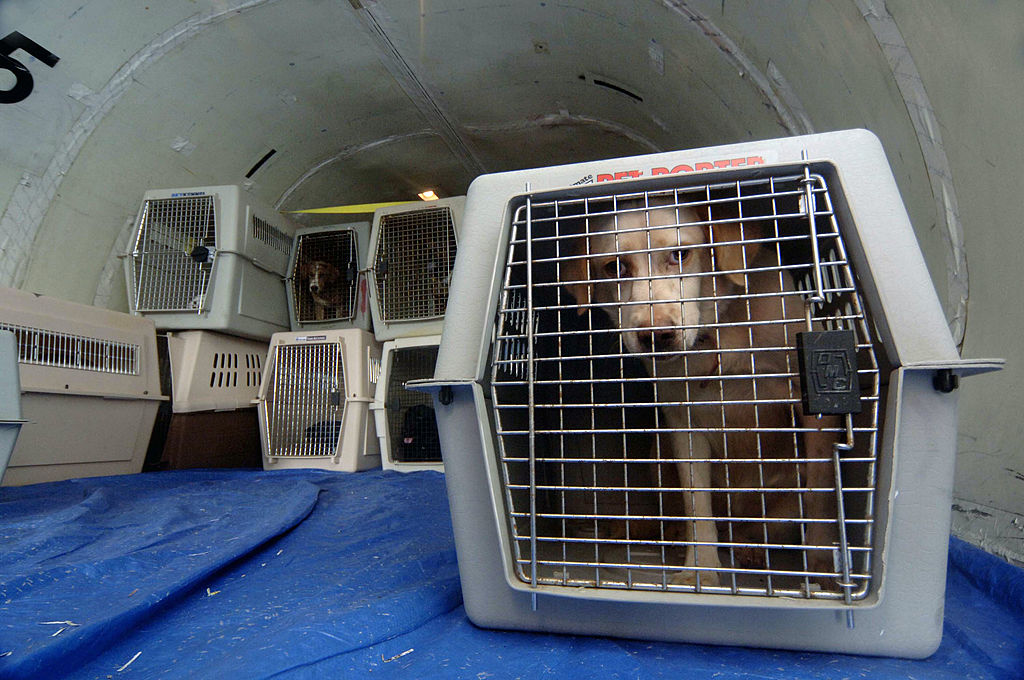
Cargo travel means the cat flies in a special area for pets. This area is separate from passengers. It is temperature-controlled and pressurized. Cargo travel suits cats that are too big or if cabin space is full.
Each option has rules about carrier size and timing. Check with the airline before booking. Choose the option that fits your cat’s needs best.
Keeping Your Cat Comfortable
Comfort helps reduce your cat’s stress during the flight. Use a soft blanket or towel in the carrier. This gives a familiar smell and a cozy place to rest. Avoid feeding your cat right before the flight to prevent nausea.
Speak softly to your cat during the flight. Gentle petting can calm anxious pets. Keep the carrier closed but allow some airflow. Avoid opening the carrier while on the plane for safety.
Bring a small water dish if allowed. Offer water during longer flights to keep your cat hydrated. Prepare your cat by practicing time in the carrier before the trip.
Handling Emergencies
Emergencies can happen during air travel. Prepare by knowing the airline’s pet policies and emergency contacts. Carry important documents like health certificates and vaccination records.
If your cat shows signs of distress, alert the flight crew. They are trained to help with pet situations. Bring a small first aid kit for minor issues like scratches or bites.
Do not give your cat any medication without a vet’s advice. Always have your vet’s phone number handy. Staying calm helps your cat stay calm too.
Arrival And Post-flight Care
After a flight, your cat needs careful attention. Arrival and post-flight care are key to keep your cat safe and calm. This time helps your pet recover from travel stress. It also ensures your cat stays healthy after the journey.
Retrieving Your Cat
Once the plane lands, head to the pet pick-up area. Show your ID and any pet documents. Be calm and patient while waiting for your cat. Use a secure carrier to carry your cat out. Speak softly to reassure your cat during this time.
Post-travel Health Check
Check your cat’s breathing and behavior right away. Look for signs of stress or injury. Offer fresh water and a small amount of food. If your cat seems unwell, contact a vet immediately. A quick health check helps catch any problems early.
Helping Your Cat Adjust
Give your cat a quiet, comfortable space to rest. Keep the carrier open so your cat can explore slowly. Provide familiar toys or blankets for comfort. Avoid loud noises and sudden movements. Spend time with your cat to help them feel safe.

Credit: www.lufthansa.com
Legal And Documentation Requirements
Traveling with a cat by airplane needs careful planning. Legal and documentation rules protect your pet’s health and safety. Airlines and countries require certain papers before allowing pets on board. Understanding these rules avoids delays and stress.
Pet Passports And Health Certificates
Pet passports show your cat’s identity and vaccination history. Many countries ask for a valid pet passport. Health certificates prove your cat is healthy to travel. A vet must issue these certificates shortly before the flight. Keep these documents handy during your trip.
Customs And Import Regulations
Each country has specific rules for bringing pets inside. Customs may check your cat’s documents at arrival. Some places need quarantine periods after arrival. Others require special permits or microchip identification. Research the rules of your destination early on.
International Travel Considerations
International flights often require more paperwork than domestic trips. Some countries ask for rabies vaccinations and blood tests. Timing matters: certain tests must be done weeks before travel. Airlines may have extra rules for pet carriers and weight limits. Planning ahead helps your cat fly safely and smoothly.
Frequently Asked Questions
How To Prepare A Cat For Airplane Travel?
Prepare your cat by getting a comfortable carrier and familiarizing them with it. Visit the vet for a health check. Pack essentials like food, water, and a leash. Keep your cat calm and avoid feeding them right before the flight.
What Are Airline Rules For Flying With Cats?
Airline rules vary but usually require a pet carrier that fits under the seat. Some airlines allow cats in the cabin, while others require cargo travel. Check specific airline policies, documentation, and fees before booking your flight to avoid surprises.
Can Cats Fly In The Airplane Cabin?
Yes, many airlines allow small cats to fly in the cabin if they stay inside an approved carrier under the seat. Confirm with the airline and book your pet’s spot early, as cabin space for pets is limited.
Is A Health Certificate Needed For Flying Cats?
Most airlines and countries require a recent health certificate from a vet. It proves your cat is healthy and vaccinated. Obtain this certificate close to your travel date, typically within 10 days before flying.
Conclusion
Traveling with a cat by airplane takes careful planning and patience. Prepare your cat’s carrier with comfort and security in mind. Follow airline rules closely to avoid surprises. Keep your cat calm during the flight with familiar items. Arrive early to manage check-in and paperwork smoothly.
This helps your journey stay safe and stress-free. Flying with a cat can be simple with the right steps. Enjoy your trip knowing your cat travels well by your side.