

Are you passionate about cats and thinking about turning that love into something more? Becoming a registered cat breeder might be the perfect path for you.
But where do you start? What steps should you take to make sure you do it right? This guide will walk you through everything you need to know to become a trusted, responsible breeder. By the end, you’ll feel confident and ready to take the next step with your feline friends.
Keep reading to discover how you can make your dream a reality.
Legal Requirements
Starting as a registered cat breeder means following important legal rules. These rules protect you, your cats, and your customers. Understanding legal requirements helps avoid trouble and keeps your breeding business safe.
Licenses And Permits
You must get the right licenses to breed cats legally. Different places ask for different permits. Check with your local government to find what you need. Some areas require a general business license. Others need a special pet breeding permit. Always keep your paperwork up to date to avoid fines or closure.
Local Regulations
Local rules control how you breed and sell cats. These rules cover how many cats you can keep. They also set limits on selling kittens. Some places have rules about advertising your cats. Follow these laws strictly. They help ensure your business runs smoothly and safely.
Health And Safety Standards
Health rules protect your cats and buyers. You must keep your cats clean and healthy. Regular vet checks are important. Vaccinations and parasite control are often required. Your breeding area should be safe and clean. Proper care helps avoid diseases and keeps kittens strong.
Choosing Cat Breeds
Choosing the right cat breed is a key step in becoming a registered cat breeder. The breed you select shapes your breeding goals, care routines, and customer base. Each breed has its own traits and needs. Understanding these helps you provide the best care and produce healthy kittens. Consider the breed’s personality, health issues, and popularity before deciding.
Popular Breeds To Breed
Some cat breeds are more popular among buyers. Persian cats are known for their long fur and calm nature. Maine Coons are large and friendly, making them favorites. Siamese cats have striking looks and vocal personalities. Ragdolls are gentle and good with families. Choosing a popular breed can make selling kittens easier.
Breed Characteristics
Each breed has unique traits. Some cats need daily grooming, like Persians. Others, like Bengals, are very active and need space to play. Health problems can differ by breed. Know the common issues to prepare for care and costs. Personality matters too. Some cats like quiet homes. Others enjoy busy families.
Market Demand
Demand changes with trends and location. Some breeds sell faster in cities. Others are preferred in rural areas. Research local buyers and pet stores. Attend cat shows to meet other breeders and buyers. Understanding demand helps avoid extra costs and unsold kittens. Focus on breeds that match local interest and needs.
Setting Up Your Facility
Setting up a proper facility is a key step in becoming a registered cat breeder. A well-planned space keeps cats safe and healthy. It also makes daily care easier and more efficient. Good preparation helps meet registration standards and gain trust from buyers.
Create an environment where cats feel comfortable and secure. Focus on cleanliness and proper equipment. These factors support the cats’ well-being and your breeding success.
Space And Environment
Provide enough room for each cat to move freely. Avoid overcrowding to reduce stress and fights. Separate areas for kittens, adults, and sick cats help prevent disease spread. Use quiet, low-traffic rooms to keep cats calm. Good ventilation is important to maintain fresh air. Natural light helps regulate cats’ daily rhythms. Keep the temperature steady and comfortable all year.
Sanitation And Cleanliness
Cleanliness protects cats from infections and parasites. Clean litter boxes daily and replace bedding often. Disinfect food and water bowls regularly. Use pet-safe cleaning products only. Remove waste promptly to control odors. Wash your hands before and after handling cats. Regularly clean floors, walls, and surfaces. A clean facility shows professionalism and care.
Equipment And Supplies
Gather all necessary tools before starting. Provide sturdy cages or enclosures for safe housing. Use quality litter and feeding dishes. Stock grooming tools like brushes and nail clippers. Have a first-aid kit ready for emergencies. Keep records of vaccinations and health checks. Organize supplies for quick access. Proper equipment supports smooth daily routines.

Credit: pelaqitapersians.com
Registering Your Breeding Business
Registering your breeding business is a key step to becoming a trusted cat breeder. It shows you follow rules and care for your cats. Registration helps you gain credibility with buyers and other breeders. It also allows you to track your cats’ lineage and health records. This process involves choosing the right registry, completing the necessary paperwork, and keeping your registration current.
Selecting A Registry
Choose a registry that fits your breeding goals. Popular options include CFA, TICA, and ACFA. Each registry has specific rules and standards. Check which registry covers your cat’s breed. Some registries focus on show cats, while others emphasize pet quality. Consider the fees and support services offered. Pick one that matches your budget and needs.
Registration Process
Complete the application form provided by the registry. You will need to provide your contact details and business information. Submit proof of your cats’ pedigrees and health tests. Registries may require photos or microchip numbers. Pay the registration fees as instructed. Wait for confirmation and official paperwork. Keep copies of all documents for your records.
Maintaining Registration
Keep your registration active by renewing on time. Update the registry with new litters and changes in ownership. Follow all health and welfare rules set by the registry. Attend breeder meetings or training if required. Good communication with the registry helps avoid problems. Stay organized to ensure your business runs smoothly.
Breeding Practices
Good breeding practices form the foundation of a successful registered cat breeding program. Careful planning and responsible actions help maintain healthy, happy cats. Breeders must focus on the well-being of both parent cats and kittens. Understanding key steps in breeding ensures quality and ethical outcomes.
Selecting Breeding Cats
Choose cats with strong health and good temperament. Look for traits that match the breed standard. Avoid cats with known health problems or bad behavior. Select cats with clear pedigrees to maintain breed purity. Healthy cats increase the chance of strong offspring.
Genetic Health Testing
Test breeding cats for hereditary diseases common to their breed. Use reliable labs for accurate results. Genetic tests prevent passing illnesses to kittens. Only breed cats free from serious genetic issues. This step protects the breed’s future health.
Mating And Care
Ensure cats are healthy and mature before breeding. Provide a calm and clean environment for mating. Monitor the female cat’s health during pregnancy. Offer proper nutrition and veterinary care to mother and kittens. Early socialization helps kittens grow into friendly pets.
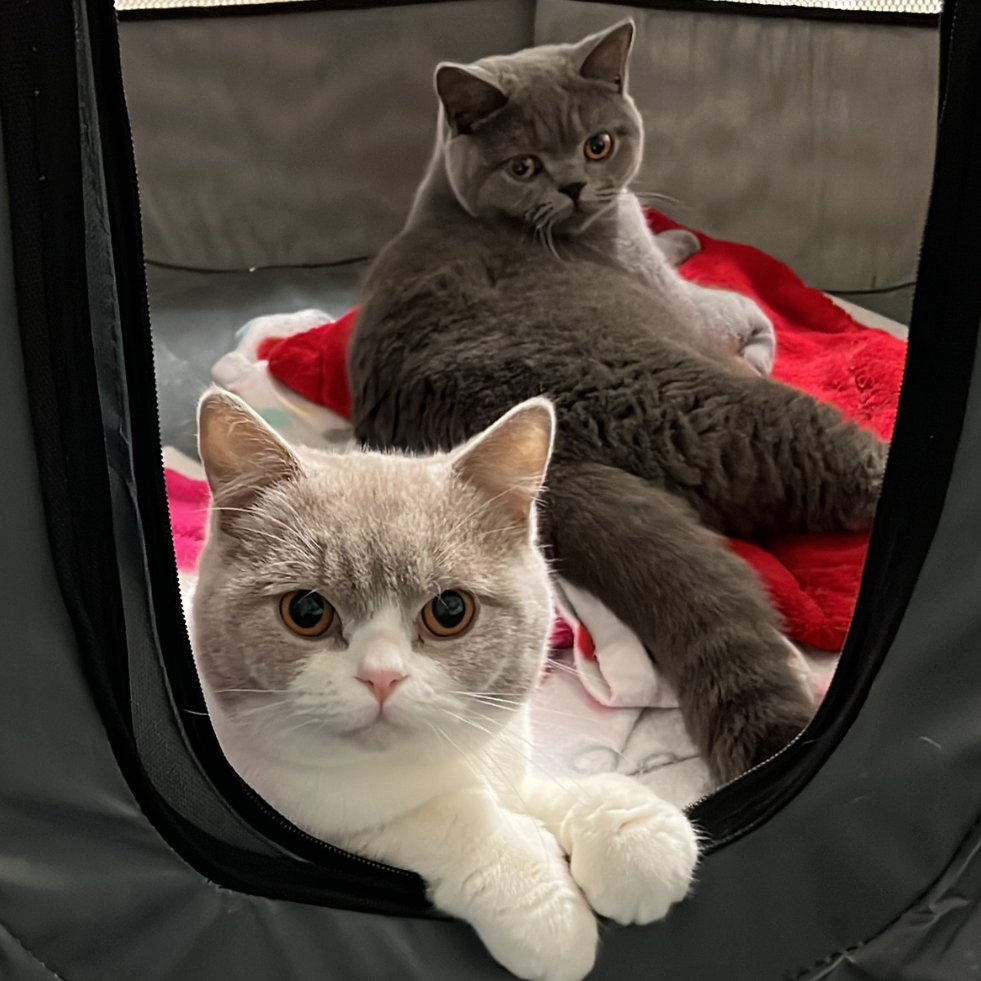
Credit: www.catbreedingforbeginners.com
Kitten Care
Taking care of kittens is an important part of becoming a registered cat breeder. Proper care helps kittens grow strong and healthy. It also prepares them for a happy life with new owners. Good kitten care includes feeding, socializing, and medical attention.
Nutrition And Health
Kittens need the right food to grow well. Choose high-quality kitten food with all needed nutrients. Feed them small meals often throughout the day. Fresh water must be available at all times. Watch for signs of illness like vomiting or diarrhea. Keep their living area clean to prevent infections.
Socialization
Socializing kittens helps them become friendly and confident. Spend time playing and handling them gently every day. Introduce kittens to different sounds and sights. Let them meet new people and other pets slowly. Socialization reduces fear and helps kittens adjust to new homes.
Vaccinations And Vet Visits
Vaccinations protect kittens from dangerous diseases. Follow a vet’s schedule for shots and boosters. Regular check-ups catch health problems early. Deworming and flea control keep kittens comfortable. Always keep vaccination records for each kitten.
Marketing Your Cats
Marketing your cats is a key step in becoming a successful registered cat breeder. You need to show buyers why your cats are special. Good marketing helps you find the right homes for your cats quickly. It builds trust and makes your breeding business stand out.
Creating A Brand
Your brand tells people who you are and what you offer. Choose a clear, simple name for your breeding business. Use a logo that shows your cat’s breed or style. Consistency is important. Use the same colors and fonts on all materials.
A strong brand helps buyers remember you. It shows you care about quality and professionalism. Think about what makes your cats unique. Show that in your brand message.
Online Presence
A website is a great place to start. Show photos of your cats and describe their traits. Add information about your breeding experience and registration details. Make sure your site is easy to navigate.
Use social media to share updates and cute cat pictures. Facebook, Instagram, and TikTok are popular platforms. Post regularly to keep followers interested. Answer questions quickly to build trust.
Connecting With Buyers
Good communication is key. Be honest and clear about your cats’ health and care. Offer support after the sale. Buyers feel confident when they know you care.
Attend cat shows and local events. Meet potential buyers face-to-face. Give them a chance to see your cats in person. This builds strong, lasting relationships.
Record Keeping
Keeping good records is very important for any registered cat breeder. It helps track each cat’s history and ensures they meet breeding standards. Organized records also protect your business and help with legal requirements. Proper documentation makes breeding easier and more responsible.
Tracking Pedigrees
Pedigrees show the family tree of each cat. Track parents, grandparents, and great-grandparents. This helps maintain breed purity and avoid inbreeding. Record dates of birth and registration numbers. Keep a clear and updated pedigree chart for every cat.
Health Records
Health records include vaccinations, treatments, and vet visits. Track any illnesses or genetic tests. Good health records prove your cats are well cared for. These documents are important for buyers and breed clubs. Always update health records after each check-up or treatment.
Financial Documentation
Keep all financial records related to your breeding business. Include receipts for food, vet bills, and supplies. Track income from sales and expenses for taxes. Organized financial documents help manage your budget. They also make it easier to report earnings accurately.
Ethical Breeding
Ethical breeding is the heart of responsible cat breeding. It means caring deeply about cats’ health and happiness. Ethical breeders put cats first, not just profit. Their goal is to raise strong, healthy kittens with good temperaments. This approach helps maintain the breed’s quality and protects cats from harm.
Avoiding Overbreeding
Overbreeding can harm cats physically and mentally. Ethical breeders limit how often a cat breeds. They give cats time to rest and recover. This helps keep mothers healthy and kittens strong. Avoiding overbreeding supports a better life for every cat.
Promoting Cat Welfare
Cat welfare means meeting all cats’ needs. Ethical breeders provide clean, safe spaces for cats. They feed balanced diets and offer regular vet care. Socializing kittens early helps them become friendly pets. Prioritizing welfare creates happy, well-adjusted cats.
Transparency With Buyers
Honest communication builds trust with buyers. Ethical breeders share health records and breeding history openly. They answer questions about the breed and care needs. Clear information helps buyers prepare for their new pet. Transparency ensures good homes and lifelong happiness for kittens.

Credit: www.catbreedingforbeginners.com
Frequently Asked Questions
What Are The First Steps To Become A Registered Cat Breeder?
Start by researching breed standards and legal requirements. Join a recognized cat breeding association. Complete necessary registrations and certifications for your cats. Prepare a clean, safe environment for breeding. Understanding genetics and health testing is essential before breeding.
How Do I Register My Cats For Breeding?
Contact a reputable cat registry like CFA or TICA. Submit applications with your cat’s pedigree and health records. Pay registration fees and adhere to their breeding guidelines. Registered cats have pedigrees proving their lineage and breed purity.
What Legal Requirements Apply To Cat Breeders?
Check local and national laws on animal breeding and sales. Obtain necessary licenses or permits for operating a breeding business. Follow animal welfare regulations for housing and care. Compliance ensures ethical breeding and avoids legal issues.
How Important Is Health Testing For Breeding Cats?
Health testing prevents genetic diseases and ensures healthy kittens. Test for breed-specific conditions and infectious diseases. Only breed cats with clear health results. This practice improves breed quality and kitten survival rates.
Conclusion
Becoming a registered cat breeder takes time and effort. Follow the rules carefully and keep learning. Build good relationships with other breeders and vets. Always care for your cats’ health and safety. Keep clear records and stay honest. This path needs patience and love for cats.
Your hard work will help you grow. Enjoy every step of the journey.