
Planning a car trip with your cat can feel tricky. You want your furry friend to be safe, calm, and comfortable throughout the ride.
But how can you make sure your cat stays happy in a moving car? If you’ve ever wondered how to travel with your cat in the car without stress or mess, this guide is for you. Keep reading to discover simple, effective tips that will turn your car journey into a smooth and enjoyable experience for both you and your cat.
:strip_icc()/pidan-expandable-travel-habitat-carrier-c9b68ed05bcb4960abdae12dfff49b7e.jpg)
Credit: www.thesprucepets.com
Preparing Your Cat For The Trip
Preparing your cat for a car trip helps reduce stress and keeps them safe. Cats feel better when they know what to expect. Start by making the travel gear part of their daily life. This way, the journey feels less strange and scary. Small steps build comfort and trust before the trip.
Choosing The Right Carrier
Select a carrier that is the right size for your cat. It should be big enough to stand and turn around. A sturdy carrier with good ventilation works best. Soft-sided carriers offer comfort, but hard ones protect better. Check if the carrier is easy to clean and secure in the car.
Familiarizing Your Cat With The Carrier
Packing Essentials For Your Cat
Bring fresh water and a small bowl for drinking. Pack some dry food or treats your cat likes. Carry a leash or harness for safety during stops. Include a familiar blanket or towel for comfort. Don’t forget waste bags and cleaning wipes for accidents.
Credit: www.reddit.com
Ensuring Safety During The Drive
Keeping your cat safe during car travel is very important. Cats can get scared or stressed in a moving vehicle. Safety helps your cat stay calm and healthy. It also protects them from sudden stops or accidents. Simple steps can make a big difference in your cat’s comfort and security.
Securing The Carrier In The Car
Always use a sturdy carrier for your cat. The carrier must be well-ventilated and large enough for your cat to sit and turn. Place the carrier on the back seat. Use a seatbelt or straps to hold it firmly in place. This stops the carrier from moving or tipping during the drive. A secure carrier keeps your cat safe from injury.
Maintaining A Comfortable Temperature
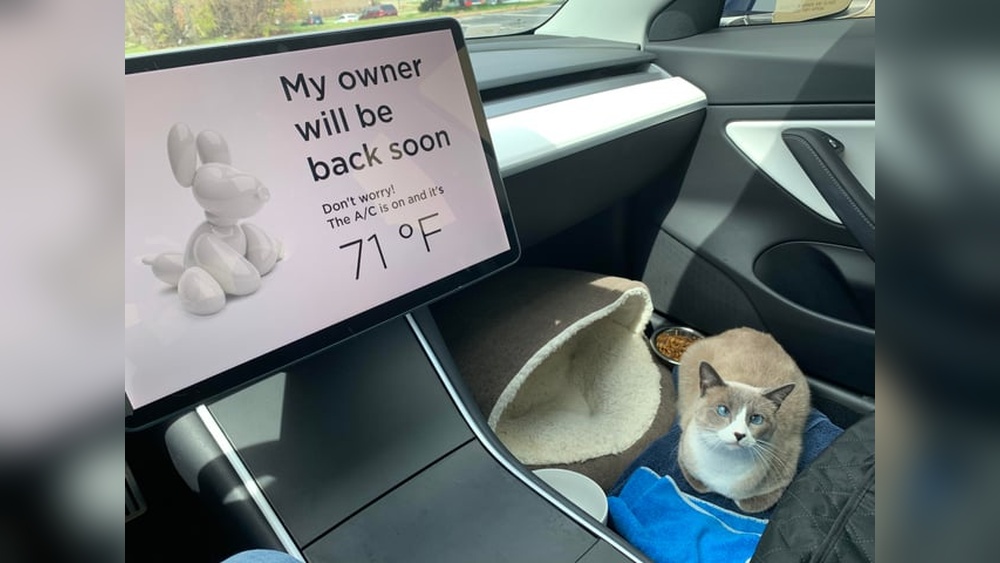
Temperature control is key for your cat’s comfort. Keep the car cool and avoid hot or cold drafts. Use air conditioning or open windows a little. Never leave your cat alone in a parked car. The temperature can rise or drop quickly. A steady, mild temperature helps your cat feel relaxed.
Minimizing Noise And Distractions
Cars can be noisy and scary for cats. Lower the volume of music or radio. Avoid sudden loud noises or honking. Soft, calm sounds help reduce stress. Keep the car environment quiet and peaceful. This helps your cat stay calm and less anxious during travel.
Managing Your Cat’s Comfort
Managing your cat’s comfort during car travel is very important. Cats can get stressed and restless in unfamiliar places. Keeping your cat comfortable helps reduce anxiety and makes the trip smoother for both of you.
Prepare your car and your cat before the journey. Small steps can make a big difference in how your cat feels. Comfort includes breaks, food, water, and calmness. Each part needs attention.
Scheduling Breaks For Longer Trips
Plan regular stops every two to three hours. Your cat will appreciate the break from confinement. Use a safe carrier and a leash if you let your cat out. Never open the car door without securing your cat first.
Short breaks help your cat stretch and relax. They also reduce stress and prevent accidents. Keep breaks calm and quiet to avoid startling your cat.
Providing Food And Water
Offer small amounts of food and water during stops. Avoid feeding large meals before travel. Small snacks prevent nausea and discomfort. Use spill-proof bowls to keep the car clean.
Hydration is important, especially in warm weather. Fresh water helps your cat stay healthy and comfortable. Monitor your cat’s eating and drinking habits for signs of stress.
Keeping Your Cat Calm And Relaxed
Use a familiar blanket or toy inside the carrier. This creates a sense of safety. Speak softly to your cat to soothe nerves. Avoid loud noises and sudden movements during the trip.
Consider calming sprays or natural remedies if your cat is very anxious. Keep the car temperature comfortable and steady. Calm cats make travel easier and safer for everyone.

Credit: tractive.com
Handling Emergencies On The Road
Traveling with a cat can be fun but also challenging. Emergencies might happen on the road. Being ready helps keep your cat safe and calm. Learn simple steps to handle common problems quickly.
Preparing A Pet First Aid Kit
Carry a small first aid kit for your cat. Include items like bandages, antiseptic wipes, and tweezers. Add a digital thermometer and saline solution. Keep your vet’s phone number handy. This kit helps treat minor injuries right away.
Knowing When To Seek Veterinary Help
Watch for signs like heavy breathing, bleeding, or loss of consciousness. Sudden vomiting or seizures need urgent care. Don’t wait too long to find a vet. Locate emergency clinics near your route before traveling. Quick action can save your cat’s life.
Dealing With Motion Sickness
Some cats feel sick during car rides. Signs include drooling, yawning, or restlessness. Stop the car and offer water if safe. Keep the car cool and quiet. Talk softly to calm your cat. Consult your vet for anti-nausea advice.
Legal And Practical Considerations
Traveling with your cat in the car requires more than just packing a bag. You must consider legal rules and practical steps to keep your pet safe and comfortable. Understanding these points helps avoid trouble and makes the trip smooth.
Understanding Travel Regulations
Different places have rules about pets in cars. Some states or countries require pets to be secured. Others may have limits on where pets can sit. Check local laws before your trip. Follow these rules to avoid fines and keep your cat safe.
Identifying Your Cat With Tags And Microchips
Your cat should have proper identification before traveling. A collar with an ID tag shows your contact details. A microchip is a permanent way to identify your pet. It helps if your cat gets lost during the journey. Update your information on the microchip database regularly.
Planning Your Route With Pet-friendly Stops
Long trips need breaks for you and your cat. Plan stops at places where pets are allowed. Choose quiet spots for your cat to stretch and use a litter box. Avoid noisy or crowded areas that could stress your cat. Regular breaks keep your pet calm and healthy.
Frequently Asked Questions
How To Prepare My Cat For A Car Trip?
Introduce your cat to the carrier early. Use familiar bedding and treats. Practice short drives first to reduce anxiety.
What Is The Safest Way To Secure A Cat In A Car?
Use a well-ventilated, sturdy cat carrier. Secure it with a seatbelt. Avoid loose harnesses or letting cats roam freely.
How Can I Keep My Cat Calm During Car Travel?
Maintain a quiet environment and speak softly. Use calming sprays or pheromone diffusers. Offer water and breaks on long trips.
Can I Feed My Cat Before Traveling By Car?
Feed your cat a small meal 3-4 hours before travel. Avoid feeding right before the trip to prevent nausea.
Conclusion
Traveling with your cat can be simple and safe. Use a comfortable carrier and secure it well in the car. Keep your cat calm with familiar toys or blankets. Take breaks for water and a chance to relax. Always watch your cat’s behavior during the trip.
A little planning helps both you and your cat enjoy the ride. Safe travels create happy memories for everyone.