
Traveling with your cat can feel tricky, but it doesn’t have to be stressful. You want to keep your furry friend safe and comfortable while making your trip smooth and worry-free.
Imagine arriving at your destination without your cat feeling scared or upset. That’s exactly what you’ll learn here. Keep reading to discover simple, practical tips that make traveling with your cat easier than you ever thought possible. Your next adventure together starts now.
Credit: www.breedercelectcats.co.uk
Preparing Your Cat For Travel
Traveling with a cat needs careful planning. Cats feel safe in familiar places. Preparing your cat before travel helps reduce stress. It makes the journey easier for both of you.
Choosing The Right Carrier
Pick a carrier that fits your cat well. It should be large enough to stand and turn. Strong and secure doors keep your cat safe. Soft padding inside makes it cozy. Choose a carrier with good ventilation for fresh air.
Familiarizing Your Cat With The Carrier
Let your cat explore the carrier at home. Place treats and toys inside to create positive feelings. Leave the carrier open so your cat can enter freely. Practice short trips in the carrier before the real journey. This builds comfort and trust.
Health Check And Vaccinations
Visit a vet before travel. Check your cat’s health and discuss travel plans. Update all necessary vaccinations for protection. Ask about motion sickness or calming options. Carry your cat’s medical records during the trip.
Packing Essentials For Your Cat
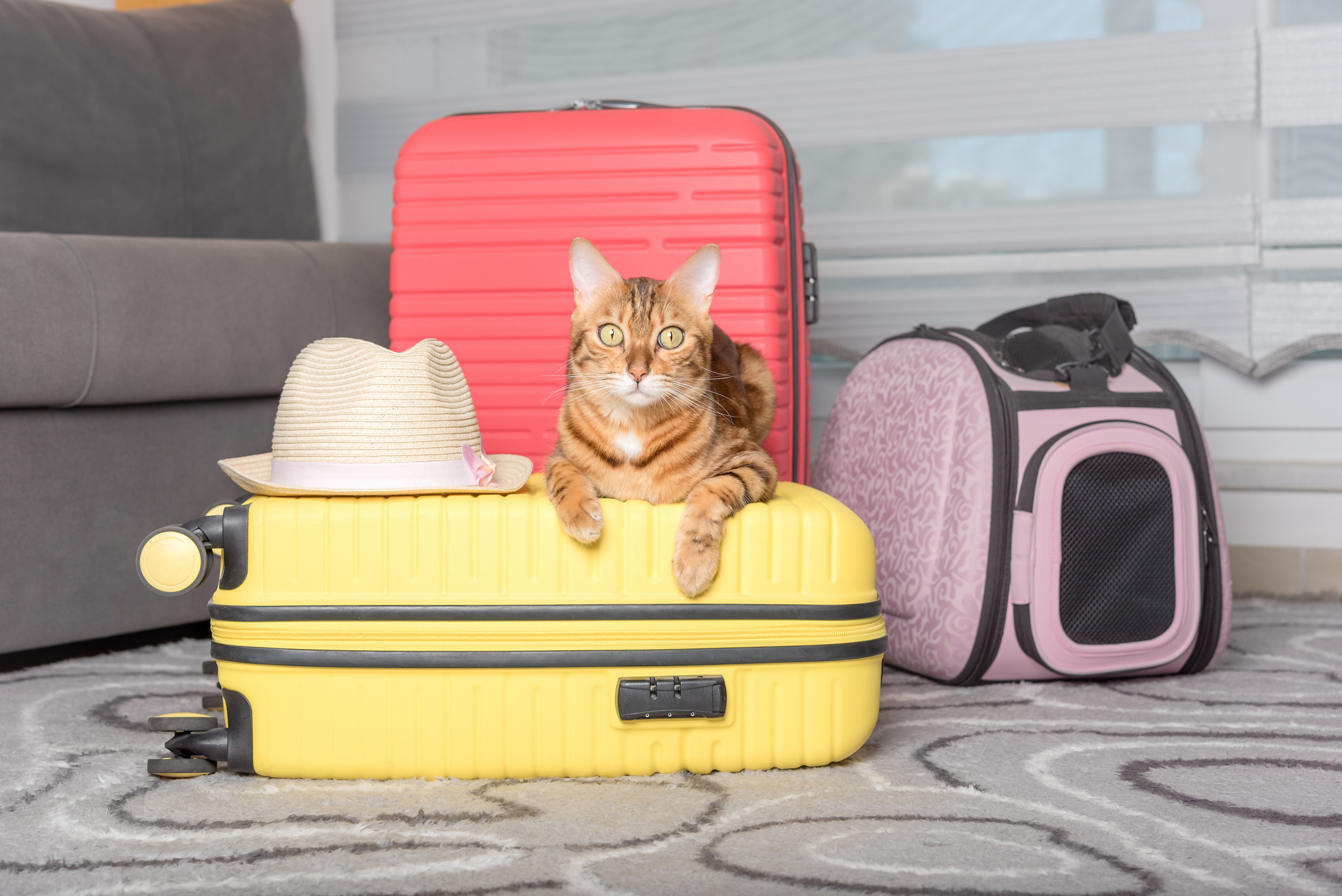
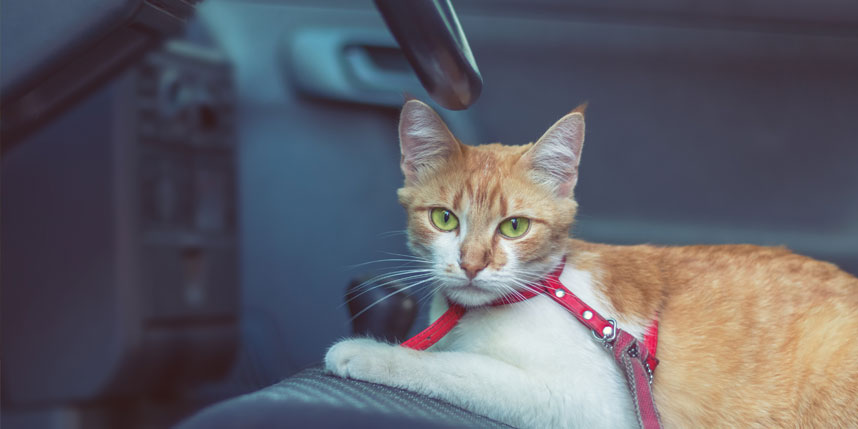
Bring enough food and fresh water. Pack your cat’s favorite toys and blanket. Carry a litter box and scoop for stops. Keep a leash or harness handy for breaks. Include any medication your cat needs daily.

Credit: justcatsclinic.com
Traveling By Car With Your Cat
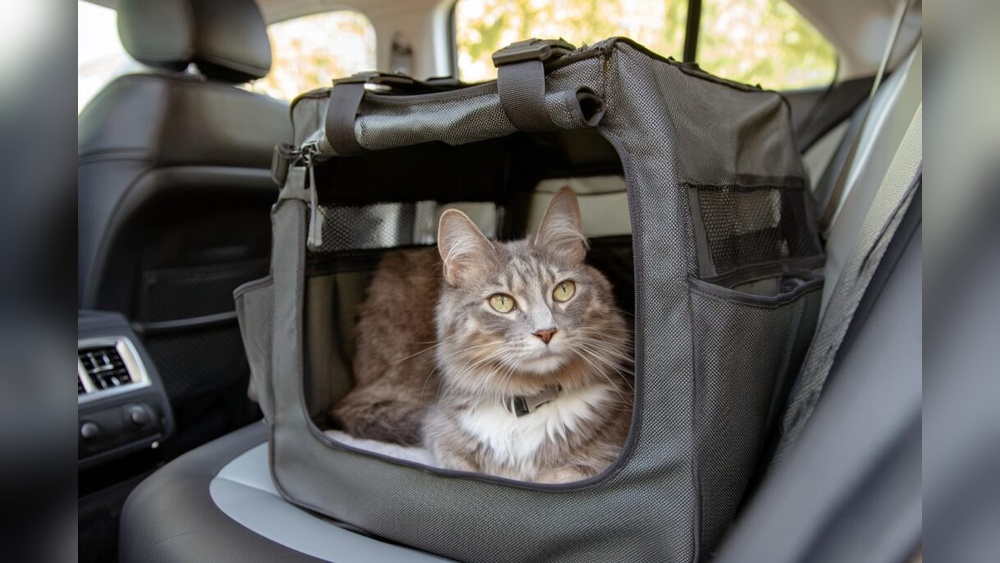
Traveling by car with your cat can be a smooth experience with the right preparation. Cats feel safer in familiar spaces, so a cozy carrier helps. Keeping your cat comfortable reduces stress and makes the trip better for both of you.
Securing The Carrier Safely
Always use a sturdy carrier for your cat. Place it where it won’t move during the drive. The back seat is best for safety. Use a seatbelt or straps to hold the carrier in place. This prevents sudden shifts that scare your cat.
Maintaining A Calm Environment
Keep the car quiet and calm. Speak softly if your cat reacts. Avoid loud music or sudden noises. Cover the carrier with a light cloth to block outside sights. This helps your cat feel secure and less anxious.
Frequent Breaks And Hydration
Stop every two to three hours for breaks. Offer water to keep your cat hydrated. Do not force your cat out of the carrier. Let them rest and relax during stops. This keeps your cat healthy and comfortable.
Handling Motion Sickness
Some cats get carsick. Watch for drooling or vomiting. Keep the car cool and well-ventilated. Avoid feeding your cat right before the trip. Talk to your vet about medicine if needed. This helps reduce discomfort during travel.
Flying With Your Cat
Flying with your cat can feel stressful but it can be done smoothly. Proper planning helps your cat stay safe and calm. Learn what you need to know before the trip.
Airline Policies And Requirements
Each airline has different rules for pet travel. Some allow cats in the cabin, others only in cargo. Check carrier size limits and health certificates. Book early because airlines often limit pet numbers per flight.
Booking The Right Flight
Choose a direct flight to reduce travel time for your cat. Avoid flights with long layovers or delays. Pick a flight during cooler times of the day to keep your cat comfortable.
Preparing For Airport Security
Remove your cat from the carrier during security screening. Carry your cat with a leash or harness. The carrier goes through the X-ray machine while you walk through the metal detector.
In-cabin Vs. Cargo Travel
In-cabin travel keeps your cat near you and reduces stress. Cargo travel is only for larger cats or when cabin space is full. Cargo areas are temperature-controlled but can be noisy and less comfortable.
Managing Stress During Travel
Travel can be hard for cats. New places and noises can cause stress. Managing this stress helps your cat stay calm and safe. Small steps make a big difference in your cat’s comfort during trips.
Using Calming Aids And Pheromones
Calming aids help reduce anxiety in cats. You can try natural supplements made for pets. Pheromone sprays mimic cat’s natural scents. These sprays create a safe feeling. Use pheromones inside the carrier before travel. This can keep your cat relaxed for longer.
Keeping Your Cat Hydrated And Fed
Water is very important during travel. Offer small amounts often to prevent dehydration. Avoid heavy meals right before traveling. Feed light meals a few hours before the trip. This helps prevent nausea and discomfort. Carry some favorite treats for breaks.
Monitoring Behavior And Comfort
Watch your cat closely during travel. Signs of stress include pacing, meowing, or hiding. Pause the trip if your cat seems too scared. Make sure the carrier is comfortable and well-ventilated. Soft bedding and familiar toys can soothe your cat.
Avoiding Common Travel Mistakes
Don’t rush the packing or leaving. Sudden changes increase your cat’s anxiety. Avoid loud noises near the carrier. Secure the carrier to prevent sudden movements. Never open the carrier in an unsafe place. Plan breaks to check on your cat’s well-being.
Settling In After The Trip
Traveling with your cat can be exciting yet tiring for your furry friend. After the trip, your cat needs time to adjust and feel safe again. Helping your cat settle in quickly reduces stress and promotes calm behavior. This section guides you through key steps to help your cat feel at home.
Creating A Safe Space
Set up a quiet area where your cat can relax. Use familiar blankets, toys, and bedding. A small room or corner works best. Keep this space calm and free from loud noises. This safe zone helps your cat feel secure after a long journey.
Reestablishing Routine
Cats love routine. Feed your cat at the usual times. Maintain regular play and rest periods. Stick to the same litter box and grooming habits. A steady routine comforts your cat and restores normalcy quickly.
Watching For Signs Of Stress
Notice if your cat hides or avoids food. Look for excessive grooming or vocalizing. Changes in litter box use can signal stress. Early detection helps prevent long-term anxiety. Be patient and gentle during this time.
When To Consult A Veterinarian
Seek vet advice if your cat shows unusual behavior. Persistent vomiting, diarrhea, or lethargy need attention. Loss of appetite for more than a day is a concern. Your vet can check for health issues after travel.
Credit: www.worldsbestcatlitter.com
Frequently Asked Questions
How Can I Prepare My Cat For Travel?
Start by getting your cat used to the carrier. Practice short trips to reduce stress. Pack essentials like food, water, and familiar toys.
What Are The Safest Travel Options For Cats?
Car travel in a secure carrier is safest. For flights, check airline pet policies and use an approved carrier. Avoid sedatives unless prescribed.
How Do I Keep My Cat Calm During Travel?
Use calming sprays or pheromone diffusers. Keep the environment quiet and comfortable. Speak softly and offer treats to reassure your cat.
What Documents Do I Need To Travel With My Cat?
Carry your cat’s vaccination records and health certificate. Check destination requirements for vaccinations or permits. Always have ID tags on your cat.
Conclusion
Traveling with your cat can be a smooth experience. Plan ahead and keep your pet’s comfort in mind. Use a secure carrier and bring familiar items like toys or blankets. Take breaks for your cat to relax and drink water.
Stay calm, as your pet can sense your mood. Enjoy your journey together and create happy memories. Safe travel makes your trip better for both of you.