
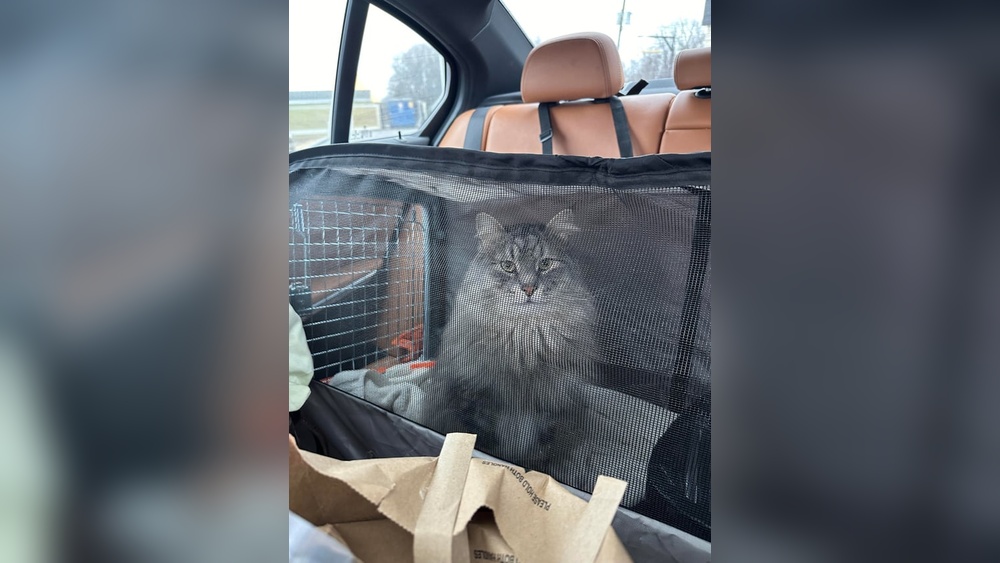
Traveling cross country with your cat can feel overwhelming. You want to keep your furry friend safe and calm, but the thought of long hours on the road might make you anxious.
What if your cat gets scared? What should you pack? How do you handle unexpected stops? If you’re wondering how to make this trip smooth and stress-free for both you and your cat, you’re in the right place. Keep reading, and you’ll discover simple, practical tips that will help you enjoy every mile of your adventure together.
Credit: www.rd.com
Preparing Your Cat For The Journey
Preparing your cat for a cross-country trip is very important. A calm and happy cat makes the journey easier. Start planning early to reduce stress for both of you. Small steps help your cat get ready and feel safe during travel.
Choosing The Right Carrier
Pick a carrier that fits your cat comfortably. It should be large enough to stand and turn around. Look for a sturdy carrier with good ventilation. Soft-sided carriers are lighter, but hard-sided ones offer more protection. Your cat should feel secure inside.
Familiarizing Your Cat With The Carrier
Let your cat explore the carrier at home first. Place treats and toys inside to create a positive feeling. Leave the carrier open in a quiet room for a few days. Try feeding your cat near or inside the carrier. This makes the carrier a safe and familiar space.
Health Check And Vaccinations
Visit the vet before the trip. Make sure your cat is healthy and up to date on shots. Ask the vet for a health certificate if needed. Discuss any travel concerns and get advice on calming methods. A healthy cat travels better.
Packing Essentials For Your Cat
Bring enough food and water for the whole trip. Pack familiar items like your cat’s blanket or favorite toy. Carry a small first aid kit for emergencies. Don’t forget a litter box and scoop if the trip is long. Being prepared keeps your cat comfortable and safe.

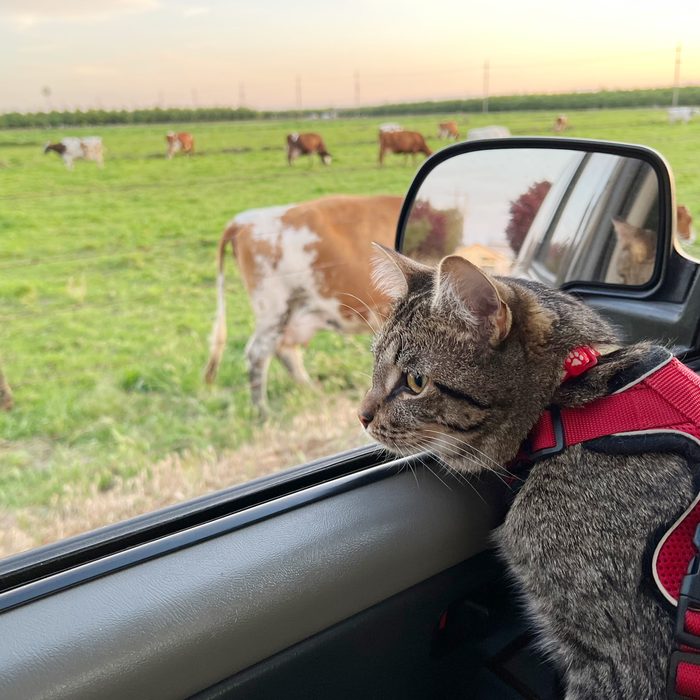
Credit: www.reddit.com
Planning The Route And Stops
Traveling cross country with a cat needs careful route and stop planning. Cats feel safe in routine and familiar places. Planning stops helps reduce your cat’s stress during the trip. It also keeps your journey smooth and safe for both of you.
Selecting Cat-friendly Accommodations
Choose hotels or motels that allow pets. Look for places with quiet rooms and safe outdoor spaces. Check if they provide pet beds or food bowls. Call ahead to confirm their pet policies. A calm environment helps your cat relax after a long drive.
Scheduling Regular Breaks
Plan stops every two to three hours. Use these breaks to offer water and check on your cat. Let your cat stay in the carrier to avoid escapes. Stretch your legs and clean the carrier if needed. Short breaks keep your cat comfortable and healthy.
Mapping Out Vet Clinics Along The Way
Mark vet clinics on your route before you travel. Note their hours and emergency services. Keep contact info handy in case of illness or injury. Knowing where vets are reduces travel worries. Your cat’s health is a top priority on the road.
Traveling Safely By Car
Traveling across the country with a cat needs careful planning. Safety inside the car is the top priority. A calm and secure environment helps your cat feel safe. This section explains how to travel safely by car with your feline friend.
Securing The Carrier In The Vehicle
Always place your cat’s carrier in a secure spot. Use the seatbelt to fasten the carrier tightly. This prevents it from moving during sudden stops. Avoid placing the carrier in the front seat. The back seat is safer for your cat. A stable carrier keeps your cat safe and calm.
Maintaining A Comfortable Temperature
Keep the car temperature steady and comfortable. Avoid direct sunlight on the carrier. Use air conditioning or open windows slightly. Never leave your cat alone in a hot or cold car. Comfortable temperature prevents stress and health issues.
Managing Motion Sickness
Some cats feel sick during car rides. Offer small meals a few hours before travel. Avoid feeding just before the trip. Keep the car smooth and steady. Stop for short breaks to let your cat relax. Consult your vet for motion sickness remedies.
Keeping Your Cat Calm During The Drive
Talk softly to your cat during the ride. Bring favorite toys or a blanket with familiar smells. Avoid loud music or sudden noises. Gentle petting can soothe your cat if possible. Calm pets enjoy the trip more and stay healthier.
Feeding And Hydrating On The Road
Traveling cross country with your cat means careful attention to feeding and hydration. Cats need a steady routine for eating and drinking. Changes can upset their digestion or mood. Keeping meals regular and water fresh helps your cat stay healthy and happy on the road. Planning ahead avoids stress for both of you.
Meal Timing And Portion Control
Stick to your cat’s usual feeding schedule. Offer meals at the same times each day. Use small, frequent portions to avoid stomach upset. Carry the same food your cat eats at home. Sudden food changes can cause diarrhea or vomiting. Measure portions to prevent overfeeding or hunger.
Providing Fresh Water
Always have fresh water available for your cat. Change water often during stops. Use a clean bowl to keep water free from dirt. Cats drink less when water is warm or stale. Bring a portable water bottle and bowl for easy access. Hydration keeps your cat alert and comfortable.
Avoiding Overfeeding
Overfeeding can cause weight gain and discomfort. Stick to recommended daily amounts on food labels. Avoid feeding treats too often. Treats add calories without nutrition. Monitor your cat’s weight during travel. Adjust food portions if your cat becomes less active.
Handling Emergencies And Unexpected Situations
Traveling cross country with your cat can bring surprises. Handling emergencies and unexpected situations keeps both of you safe. Planning ahead helps manage these moments calmly. Prepare for the unknown to avoid stress during your journey.
Emergency Kit For Your Cat
Carry a small emergency kit for your cat. Include basic first aid items like gauze, antiseptic wipes, and tweezers. Pack extra food, water, and any medications your cat needs. Add a copy of your cat’s medical records. Keep a favorite toy or blanket for comfort. This kit helps you act fast during an emergency.
Dealing With Accidents And Illness
Stay calm if your cat has an accident or feels ill. Check for injuries or signs of distress. Use your emergency kit to clean minor wounds. Avoid giving human medicines to your cat. Watch for symptoms like vomiting, lethargy, or difficulty breathing. Seek veterinary help immediately if your cat’s condition worsens.
Contacting Local Animal Services
Know how to find local animal services along your route. Save phone numbers of nearby vets and animal hospitals. Use your phone to search for emergency clinics if needed. Local shelters and rescue groups can offer help too. Quick contact with professionals ensures prompt care for your cat.
Credit: www.businessinsider.com
Settling In At Your Destination
Arriving at your new place after a long trip can be stressful for your cat. Helping your cat settle in quickly makes a big difference. A calm, safe environment helps reduce anxiety. Small steps create a smooth transition to the new home.
Setting Up A Safe Space
Choose a quiet room for your cat’s arrival. Include familiar items like their bed and toys. Place food, water, and litter box nearby. A small, cozy area feels less overwhelming. This space becomes your cat’s safe zone for the first days.
Establishing A Routine
Keep feeding times consistent with previous habits. Play and cuddle your cat at regular intervals. A steady routine builds comfort and trust. Avoid sudden changes in daily activities. Your cat will feel more secure with predictability.
Helping Your Cat Adjust Quickly
Let your cat explore the new room slowly. Open doors to other rooms one at a time. Use calm voices and gentle petting often. Give your cat extra attention and patience. Watch for signs of stress and respond calmly. Gradual exposure helps your cat feel at home.
Frequently Asked Questions
How Do I Prepare My Cat For Cross-country Travel?
Start by getting your cat used to the carrier at home. Pack familiar items like toys and blankets. Schedule a vet check-up and ensure vaccinations are up-to-date. Keep your cat calm with gentle handling and frequent breaks during the trip.
What Are The Best Carriers For Traveling With Cats?
Choose a sturdy, well-ventilated carrier that is comfortable for your cat. Soft-sided carriers offer flexibility, while hard-sided ones provide extra protection. Make sure the carrier fits under vehicle seats for safety and convenience during travel.
How Can I Keep My Cat Calm During Long Trips?
Use calming sprays or pheromone diffusers approved for cats. Play soothing music and maintain a quiet environment. Offer treats and water regularly. Avoid sudden movements and loud noises to reduce stress and anxiety for your cat.
Should I Feed My Cat Before Or During Travel?
Feed your cat a light meal a few hours before departure. Avoid feeding during travel to prevent motion sickness. Provide fresh water frequently to keep your cat hydrated and comfortable throughout the journey.
Conclusion
Traveling cross country with a cat takes good planning and patience. Keep your cat safe and comfortable during the trip. Bring familiar items like toys and blankets to ease stress. Take breaks to let your cat stretch and use the litter box.
Watch your cat closely for signs of discomfort or fear. Enjoy the journey and create happy memories with your pet. Safe travels make the trip better for both you and your cat.