
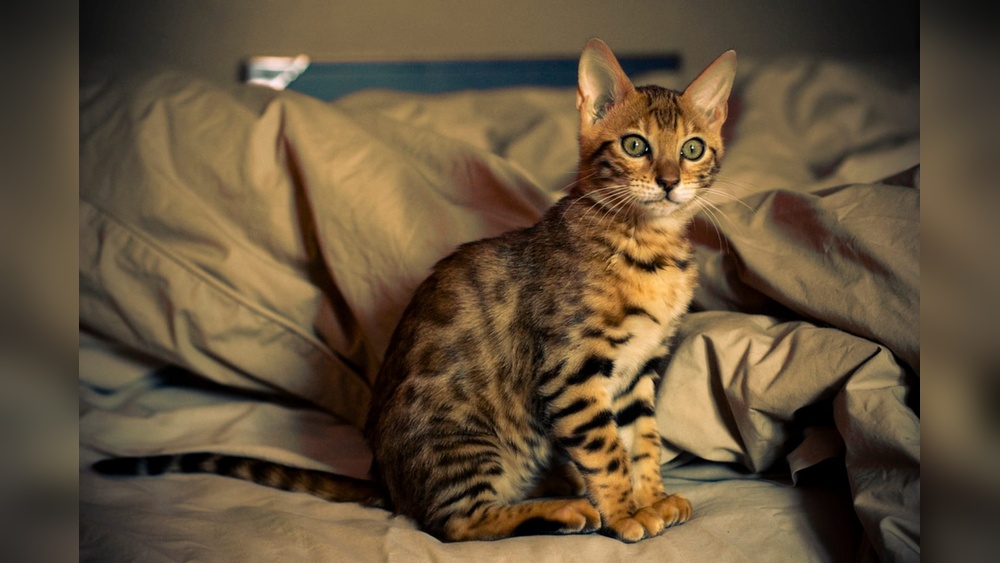
Have you ever wondered if most cats you see around are mixed breeds? If you’ve ever paused to study a cat’s unique look or behavior, you might be surprised by what’s beneath their fur.
Understanding whether your furry friend is a purebred or a mix can change how you care for them, and even deepen the bond you share. Keep reading, and you’ll discover fascinating facts that will change the way you see cats forever.
Your curiosity is about to pay off!

Credit: www.reddit.com
Cat Breeds Vs Mixed Breeds
Cats come in many types, but most are either purebred or mixed breeds. Understanding the difference helps you know more about their looks, behavior, and health. This section explains what sets purebred cats apart from mixed breeds.
Defining Purebred Cats
Purebred cats belong to a specific breed with known traits. Their parents are of the same breed, and they follow strict breed standards. These cats often have unique colors, patterns, and body shapes. Breeders keep detailed records to maintain breed purity. Purebred cats can be rare and sometimes cost more. They may also have some health issues common to the breed.
What Makes A Cat Mixed Breed
Mixed breed cats come from parents of different breeds or unknown backgrounds. They do not follow any breed standard. These cats have a variety of colors, patterns, and sizes. Mixed breeds often have strong health due to their diverse genes. Many shelter cats are mixed breeds. They can have unique personalities and are loved by many pet owners.

Credit: www.reddit.com
Prevalence Of Mixed Breed Cats
Many cats you see are mixed breeds. These cats have parents of different types or no clear pedigree. Mixed breed cats make up a large part of the cat population worldwide.
They are common in homes, shelters, and streets. Their variety in looks and personalities makes them unique. Understanding their prevalence helps in cat care and adoption choices.
Statistics On Cat Populations
Studies show most cats do not belong to specific breeds. Over 85% of cats in shelters are mixed breeds. In many countries, mixed breed cats outnumber purebreds by a wide margin.
Their population grows because they breed easily without human help. Mixed breed cats make up the majority of pet cats globally. This trend continues as more people adopt shelter cats.
Factors Leading To Mixed Breeds
Mixed breed cats come from natural mating between different cats. Stray and feral cats often mate without control. This leads to a mix of traits from various breeds.
Human factors also play a role. Lack of spaying or neutering increases mixed breed numbers. People adopting cats without breed preference add to the mix.
Environmental and social factors support the rise of mixed breed cats. Their ability to adapt helps them survive in many places. This makes mixed breed cats very common everywhere.
Traits Of Mixed Breed Cats
Mixed breed cats show a wide variety of traits. These traits come from their diverse gene pool. Each cat is unique, with a mix of features and behaviors. Their traits make them interesting and often special pets. Understanding these traits helps owners appreciate their cats more.
Physical Characteristics
Mixed breed cats have many different looks. Their fur can be short or long. Colors vary from black, white, orange, to mixed patterns. Body shapes also differ. Some are slim, others more muscular. Eye colors range widely, often bright and clear. These cats rarely look the same. This variety makes each cat stand out.
Behavioral Differences
The behavior of mixed breed cats is very diverse. Some are playful and active, always exploring. Others are calm and enjoy quiet time. Many mixed breed cats are friendly and social. They can adapt well to new environments. Their personality depends on genes and environment. This mix creates many possible behavior patterns. Owners often find surprise in their cat’s unique ways.
Benefits Of Owning Mixed Breed Cats
Mixed breed cats bring many benefits to pet owners. They are often healthier and have unique personalities. These cats can be a great choice for families and individuals alike.
Owning a mixed breed cat means you get a pet with fewer health problems. Their traits make them special and lovable companions.
Health Advantages
Mixed breed cats usually have fewer genetic diseases. Their diverse genes lower the risk of inherited illnesses. This variety helps them stay healthier longer. They often need fewer vet visits. A strong immune system is common in mixed breeds. This makes them hardy and less prone to sickness.
Personality Traits
Mixed breed cats have unique and varied personalities. You can find cats that are playful, calm, or curious. Their behavior often combines the best traits of different breeds. This mix makes them easy to bond with. They adapt well to different homes and lifestyles. These cats show love in many ways, making each one special.
Challenges In Identifying Cat Breeds
Identifying cat breeds can be confusing. Many cats look alike, making it hard to tell breeds apart. Mixed breeds add to this confusion because they share traits from different cats. Even experts sometimes struggle to identify a cat’s breed just by looking.
Understanding these challenges helps explain why most cats are labeled as mixed breeds. It also shows why breed identification is not always accurate or simple.
Visual Similarities
Many cat breeds share similar colors and patterns. For example, tabby stripes appear in many breeds. Body shapes and sizes can also overlap. These visual similarities cause mistakes in breed identification. A cat’s coat pattern alone does not reveal its breed. People often guess the breed based on looks, but this can be wrong.
Genetic Testing
Genetic testing offers a more accurate way to identify cat breeds. It checks the cat’s DNA for breed markers. This method can reveal mixed heritage clearly. Still, genetic tests may not cover all breed types. Some tests are expensive and not always available. Even with testing, results might show many breeds mixed together. This confirms why many cats are classified as mixed breeds.
How Mixed Breeds Impact Cat Communities
Most cats in communities are mixed breeds. These cats often have diverse traits from many ancestors. This diversity shapes how they live and interact with people and other animals.
Mixed breed cats usually adapt well to different environments. They are common in shelters and homes. Their presence affects adoption rates and shelter populations.
Adoption Trends
Mixed breed cats are the most common in shelters. Many people prefer adopting these cats. They often have unique looks and friendly personalities.
Shelters report faster adoption rates for mixed breed cats. Their variety appeals to a wide group of adopters. This helps reduce the number of homeless cats.
Shelter Population Dynamics
Shelters see many mixed breed cats arriving daily. These cats form the majority of shelter populations. Managing their care requires careful planning and resources.
Mixed breed cats’ resilience often improves their chances of survival in shelters. Their health and adaptability help shelters maintain balanced populations. This supports better care and adoption outcomes.
Credit: www.newsweek.com
Frequently Asked Questions
Are Most Domestic Cats Mixed Breeds?
Yes, most domestic cats are mixed breeds. They often have diverse ancestry from various breeds and wild cats. Mixed breeds are common because purebred cats are less frequent and usually bred intentionally.
How Can I Identify A Mixed Breed Cat?
Mixed breed cats show varied physical traits and behaviors. They may not match specific breed standards. DNA tests can help identify breed mix, but many mixed cats have unique appearances.
Do Mixed Breed Cats Have Health Issues?
Mixed breed cats generally have fewer inherited health problems. Genetic diversity lowers the risk of breed-specific diseases. However, regular vet care is essential for all cats’ well-being.
Why Are Mixed Breed Cats Popular Pets?
Mixed breed cats are popular due to their diverse looks and personalities. They often adapt well to different homes. Many people prefer them for their unique charm and lower cost compared to purebreds.
Conclusion
Most cats are mixed breeds with unique traits and personalities. This diversity makes each cat special and interesting. Mixed breed cats often have fewer health problems than purebreds. They adapt well to different homes and lifestyles. Knowing about cat breeds helps in understanding your pet better.
Loving your cat matters more than its breed. Every cat deserves a happy and caring home. Embrace the charm of mixed breed cats—they bring joy in many ways.