
Traveling on the road for 24 hours with your cats might sound challenging, but it doesn’t have to be stressful. You want your furry friends to stay calm, comfortable, and safe throughout the trip.
Imagine a smooth ride where your cats feel relaxed and you enjoy every mile without constant worries. In this guide, you’ll discover simple, effective tips to make those long hours easier for both you and your cats. Keep reading to learn how to prepare, what to pack, and how to handle unexpected moments on the road.
Your next adventure with your cats can be a great experience—let’s make it happen!

Credit: www.youtube.com
Preparing Your Cat For The Journey
Preparing your cat for a long road trip takes time and care. Cats feel safe in familiar spaces. Preparing them helps reduce stress and keeps them calm. This section guides you through key steps to get your cat ready for a 24-hour journey.
Choosing The Right Carrier
Pick a carrier that fits your cat well. It should be big enough for your cat to stand and turn. Choose a hard-sided carrier for extra protection. Soft carriers can work if they have sturdy frames. Make sure the carrier has good ventilation. A secure door and locks keep your cat safe inside. Add a soft blanket or towel for comfort.
Acclimating Your Cat To The Carrier
Let your cat explore the carrier at home first. Place treats and toys inside to create positive feelings. Leave the carrier open in a quiet room. Encourage your cat to enter on its own. Close the door for short times while at home. Gradually increase the time your cat spends inside. This helps your cat feel safe and less stressed during travel.
Health Check And Vet Visit
Visit the vet before the trip to check your cat’s health. Make sure vaccinations are up to date. Ask the vet about motion sickness or calming options. Get any needed medications or health certificates. Discuss your travel plans with the vet. Healthy cats handle travel better and stay comfortable.
Packing Essentials For Your Cat
Packing the right items for your cat is key for a smooth 24-hour road trip. Cats feel safe with familiar things. Bringing essentials helps them stay calm and healthy. Prepare everything before you start your journey.
Food And Water Supplies
Bring enough food for the entire trip. Use sealed containers to keep food fresh. Carry portable water bowls for easy drinking. Offer water regularly to keep your cat hydrated. Pack treats for comfort and rewards.
Comfort Items And Toys
Include your cat’s favorite blanket or bed. These items create a sense of home. Pack a few toys to keep your cat busy. Toys help reduce stress and boredom. Keep comfort items within easy reach.
Litter And Waste Management
Bring a small, portable litter box. Use clumping litter for easy cleaning. Pack plastic bags to dispose of waste properly. Clean the litter box often during stops. This keeps your cat comfortable and the car fresh.
Comfortable Car Setup
Setting up a comfortable car space is key for a long trip with cats. It helps keep them calm and safe. A good setup reduces stress and makes the journey smoother for both you and your pets.
Prepare your car in advance. This allows your cats to relax and enjoy the ride. Focus on safety, temperature, and quiet surroundings.
Safe Carrier Placement
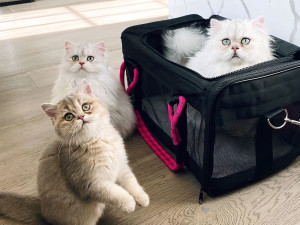
Place the cat carrier on a flat surface. Secure it with a seatbelt or straps to stop it from moving. Avoid placing carriers in the front seat. The back seat is safer for cats.
Keep the carrier away from direct sunlight. Make sure your cat can see out but feels secure inside. Use soft bedding inside to add comfort.
Temperature Control
Keep the car cool but not cold. Cats feel uncomfortable in hot or chilly spaces. Use air conditioning or open windows slightly for fresh air.
Check the temperature often. Avoid sudden changes that might upset your cat. Provide a blanket or towel if it gets cooler at night.
Minimizing Noise And Stress
Keep the car quiet to help your cat stay calm. Turn down loud music and avoid honking. Soft background sounds are better.
Avoid sudden stops and sharp turns. Drive smoothly and gently. Bring familiar toys or blankets to comfort your cat.
Credit: www.kinship.com
Managing Feeding And Hydration
Managing feeding and hydration during a 24-hour road trip with cats is very important. Cats need regular meals and water to stay healthy and calm. Planning their feeding and water breaks helps avoid stress and keeps them comfortable. Small, frequent meals work best on the road.
Regular Feeding Schedule
Keep your cat’s feeding times close to their normal schedule. Offer small meals every 4 to 6 hours. Use familiar food to avoid upset stomachs. Avoid feeding large amounts at once. This prevents nausea and discomfort during travel.
Hydration Tips On The Road
Provide fresh water often. Use a spill-proof bowl to keep water available in the car. Offer water during breaks to encourage drinking. Wet food can also help increase your cat’s water intake. Watch for signs of dehydration like dry gums or lethargy.
Avoiding Motion Sickness
Feed your cat lightly before the trip. Avoid feeding right before driving starts. Motion sickness can cause vomiting and stress. Keep the car cool and quiet to help your cat feel better. Talk softly to calm your pet during the journey.
Taking Breaks And Exercise
Traveling 24 hours on the road with cats requires careful planning for breaks and exercise. Cats need time outside their carriers to stretch and move. Regular stops help reduce stress and keep cats calm. Breaks also give you a chance to check on their comfort and health. Proper exercise during stops keeps your cats happy and relaxed.
Safe Break Spots
Choose quiet and safe places for breaks. Look for shaded areas away from busy roads. Parks or rest areas with grass are ideal. Avoid noisy or crowded spots that can scare your cats. Always keep cats on a leash or in a secure carrier during breaks. Make sure the area has no harmful plants or objects.
Stretching And Playtime
Let your cats stretch their legs during stops. Use toys to encourage gentle play and movement. Short play sessions reduce anxiety and boredom. Avoid rough play that might stress them out. Keep playtime calm and slow. Stretching helps prevent stiffness after long sitting periods.
Handling Bathroom Needs
Prepare a portable litter box for bathroom breaks. Place it in a quiet spot during stops. Clean the litter box regularly to avoid odors. Offer water to keep cats hydrated. Watch for signs that your cat needs to use the bathroom. Handling bathroom needs promptly keeps cats comfortable during travel.

Credit: roadtrippers.com
Keeping Your Cat Calm
Keeping your cat calm during a 24-hour road trip is very important. Cats can get scared or stressed in new places or loud noises. Helping them stay relaxed makes the journey easier for both you and your pet. This section shares tips to keep your cat calm on the road.
Using Calming Aids
Calming aids can help reduce anxiety in cats. Try pheromone sprays or diffusers designed for cats. These products create a soothing environment in the car. Another option is calming treats with natural ingredients. Always check with your vet before using any calming products.
Maintaining Familiar Routines
Cats feel safer with familiar routines. Feed your cat at regular times, just like at home. Bring their favorite blanket or toy for comfort. Try to keep the same sleeping schedule during the trip. Familiar smells and routines help your cat stay calm and relaxed.
Recognizing Signs Of Stress
Watch your cat for signs of stress. Excessive meowing, hiding, or panting can mean your cat is scared. Restlessness or refusing to eat are also signs. Knowing these signs early helps you act quickly. Stop the car for short breaks to comfort your cat if needed.
Safety Precautions During Travel
Traveling 24 hours on the road with cats requires careful safety planning. Cats feel stressed in new places. Keeping them safe helps reduce this stress. Follow key safety steps to protect your pet during the trip.
Securing The Carrier
Use a strong, well-ventilated carrier. It must be large enough for your cat to move. Place the carrier where it will not slide or fall. Seat belts or secure straps work well. Avoid opening the carrier during travel. This keeps your cat safe and calm.
Emergency Preparedness
Carry a pet first-aid kit. Include items like bandages, tweezers, and antiseptic. Pack extra food and water for your cat. Have your vet’s contact information ready. Know the nearest animal clinics along your route. Be ready to act quickly if needed.
Monitoring Your Cat’s Health
Watch your cat for signs of stress or illness. Check breathing, eating, and bathroom habits often. Keep the carrier shaded from direct sun. Stop regularly to offer water and comfort. Contact a vet if your cat shows unusual behavior.
Frequently Asked Questions
How To Prepare Cats For A 24-hour Road Trip?
Start by acclimating cats to their carriers and car sounds. Pack familiar items and food. Plan frequent breaks for hydration and litter use.
What Essentials To Pack For Cats On Long Drives?
Bring food, water, a portable litter box, and comfort items. Include medications, a first-aid kit, and calming sprays for stress relief.
How To Keep Cats Calm During Extended Car Travel?
Use calming pheromone sprays or collars. Talk softly and maintain a comfortable temperature. Avoid sudden movements and loud noises to reduce anxiety.
Can Cats Eat During A Long Road Trip?
Offer small, frequent meals to prevent nausea. Use familiar food to avoid digestive issues. Always provide fresh water to keep them hydrated.
Conclusion
Traveling 24 hours on the road with cats takes good planning. Keep their comfort and safety as top priorities. Pack enough food, water, and familiar items for them. Take breaks to let them stretch and relax. Stay calm and patient throughout the journey.
With care and attention, your trip can be smooth and stress-free. Enjoy the adventure together and make great memories. Safe travels with your feline friends!