

Traveling with your cat in the car can be stressful, especially if you don’t have a carrier. You want your furry friend to be safe and calm, but it’s hard to know the best way to make that happen.
What if your cat gets anxious or tries to roam around while you’re driving? This guide will show you simple, practical tips to keep your cat comfortable and secure without a carrier. Keep reading, and you’ll discover how to make every car trip smoother for both you and your cat.
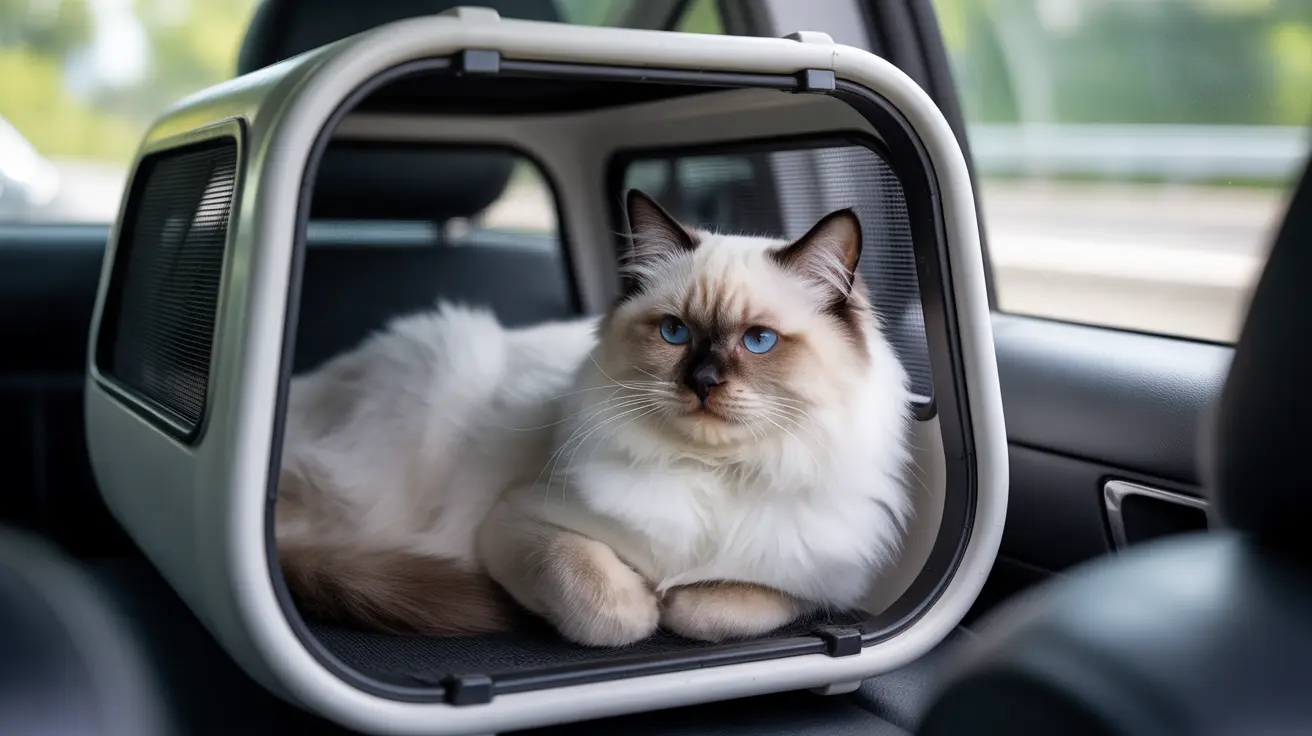
Credit: www.petscare.com
Preparing Your Cat For Car Travel
Preparing your cat for car travel takes time and care. Cats feel safe in familiar places. Sudden trips can cause stress or fear. Planning ahead helps your cat feel calm. This section explains how to get your cat ready for a trip without a carrier. Follow these steps to make travel easier for both of you.
Familiarizing Your Cat With The Car
Start by letting your cat explore the car while it is parked. Open doors and windows to let fresh air in. Let your cat sniff and walk inside the car. Stay nearby and offer treats to create a positive feeling. Repeat this for several days before the trip. Short visits help your cat get used to the car environment. Avoid forcing your cat inside the car.
Health Check And Vaccinations
Visit the vet before traveling. Make sure your cat is healthy and fit for the trip. Check if vaccinations are up to date. Ask the vet about motion sickness medicines if needed. Carry your cat’s medical records during travel. A healthy cat enjoys travel more and stays safe.
Packing Essentials For The Trip
Bring water and a small bowl for drinks. Pack your cat’s favorite food and treats. Carry a soft blanket or towel with your cat’s scent. Include a small litter box or pads for bathroom needs. Have a few toys to keep your cat calm. Pack any medicines prescribed by the vet. Prepare these items before the day of travel.
Ensuring Safety Without A Carrier
Traveling with a cat in a car without a carrier needs careful safety steps. Cats can get scared and move suddenly. This can distract the driver or cause injury. Keeping your cat safe helps make the trip calm and smooth. Use smart tools and set up the car well. This keeps your cat secure and helps you focus on driving.
Using Harnesses And Seat Belts
A harness made for cats offers good control. Attach a harness that fits well and feels comfortable. Connect the harness to a seat belt or a special car strap. This stops your cat from roaming freely or jumping around. The harness holds your cat steady during turns and stops. Choose a strong harness that won’t break easily. Check the fit often to keep your cat safe.
Creating A Secure Space Inside The Car
Make a small area for your cat in the back seat. Use blankets or towels to create a soft nest. Place some of your cat’s favorite toys or a small bed there. This space feels safe and familiar, lowering your cat’s stress. Keep the windows closed or only partly open. Avoid loud music and sudden noises. A quiet, cozy spot helps your cat stay calm.
Preventing Distractions While Driving
Keep your eyes on the road, not on your cat. Before driving, secure your cat with a harness or in a safe spot. Use a pet barrier if needed to keep your cat from the front seat. Avoid feeding or playing with your cat while driving. Stop the car if your cat needs attention. A calm driver means a safer trip for everyone.
Reducing Stress For Your Cat
Traveling by car with a cat without a carrier can be tricky. Cats often feel scared and stressed in new places. Reducing your cat’s stress helps keep the trip calm and safe. Simple steps can make a big difference. Focus on calming your cat and creating comfort during the ride.
Calming Techniques And Comfort Items
Talk softly to your cat during the trip. Your voice can soothe their nerves. Bring a favorite blanket or toy. These items smell like home and bring comfort. Gentle petting can help calm your cat too. Avoid sudden movements that might scare them. Use a calm and steady approach all through the journey.
Managing Motion Sickness
Some cats get sick in cars. Motion sickness causes drooling, vomiting, or restlessness. Stop the car for breaks to help your cat feel better. Keep windows slightly open for fresh air. Avoid feeding your cat right before travel. Small meals hours before the trip reduce nausea. Watch for signs of sickness and act fast to calm your cat.
Maintaining A Calm Environment
Keep the car quiet and peaceful. Loud music or noises can frighten cats. Use soft background sounds if needed. Avoid sudden stops and sharp turns. Drive smoothly for a gentle ride. Dim the lights inside the car. Bright lights may stress your cat. A calm environment helps your cat relax and enjoy the trip more.
Credit: www.reddit.com
During The Journey
Traveling with your cat in the car without a carrier can be a smooth experience. It needs patience and care. Your cat’s comfort and safety are important during the journey. Pay close attention to your cat’s needs and reactions. This helps keep your cat calm and happy.
Monitoring Your Cat’s Behavior
Watch your cat closely while driving. Notice signs of stress like meowing, restlessness, or hiding. These signs show your cat feels uneasy. Speak softly to soothe your cat. Avoid sudden movements or loud noises. Keep your cat near you but safe. Using a seatbelt harness made for cats helps prevent accidents.
Handling Breaks And Pit Stops
Plan stops every two hours to check on your cat. Find quiet, safe places for breaks. Let your cat stretch legs but keep it on a leash. Never leave your cat alone in the car. Use breaks to calm your cat with gentle petting or treats. Avoid busy or noisy areas that might scare your cat.
Keeping Hydration And Feeding In Check
Bring fresh water and a small bowl for your cat. Offer water regularly, especially on hot days. Feed your cat lightly before the trip to avoid car sickness. Carry familiar snacks for quick energy. Avoid heavy meals during travel to prevent nausea. Keep food and water within easy reach during the trip.
After The Trip
After a car trip without a carrier, your cat needs some time to settle down. Traveling can be tiring and confusing for cats. They may feel nervous or stressed in a new place. Giving your cat care and attention helps them feel safe again.
Helping Your Cat Readjust
Let your cat explore the new area slowly. Keep the environment quiet and calm. Provide familiar items like their blanket or toys. This helps your cat feel more comfortable. Avoid loud noises or sudden movements. Give your cat space to relax and rest.
Checking For Signs Of Stress Or Injury
Watch your cat carefully after the trip. Look for limping, scratches, or swelling. Notice if your cat hides or stops eating. Heavy breathing or drooling can also show stress. If you see any problems, contact a vet quickly. Early care can prevent bigger health issues.
Rewarding And Reassuring Your Cat
Give your cat treats or their favorite food. Speak softly and pet your cat gently. This builds trust and helps them calm down. Spend extra time playing or cuddling. Positive attention makes your cat feel safe and happy. Rewarding good behavior encourages calmness on future trips.
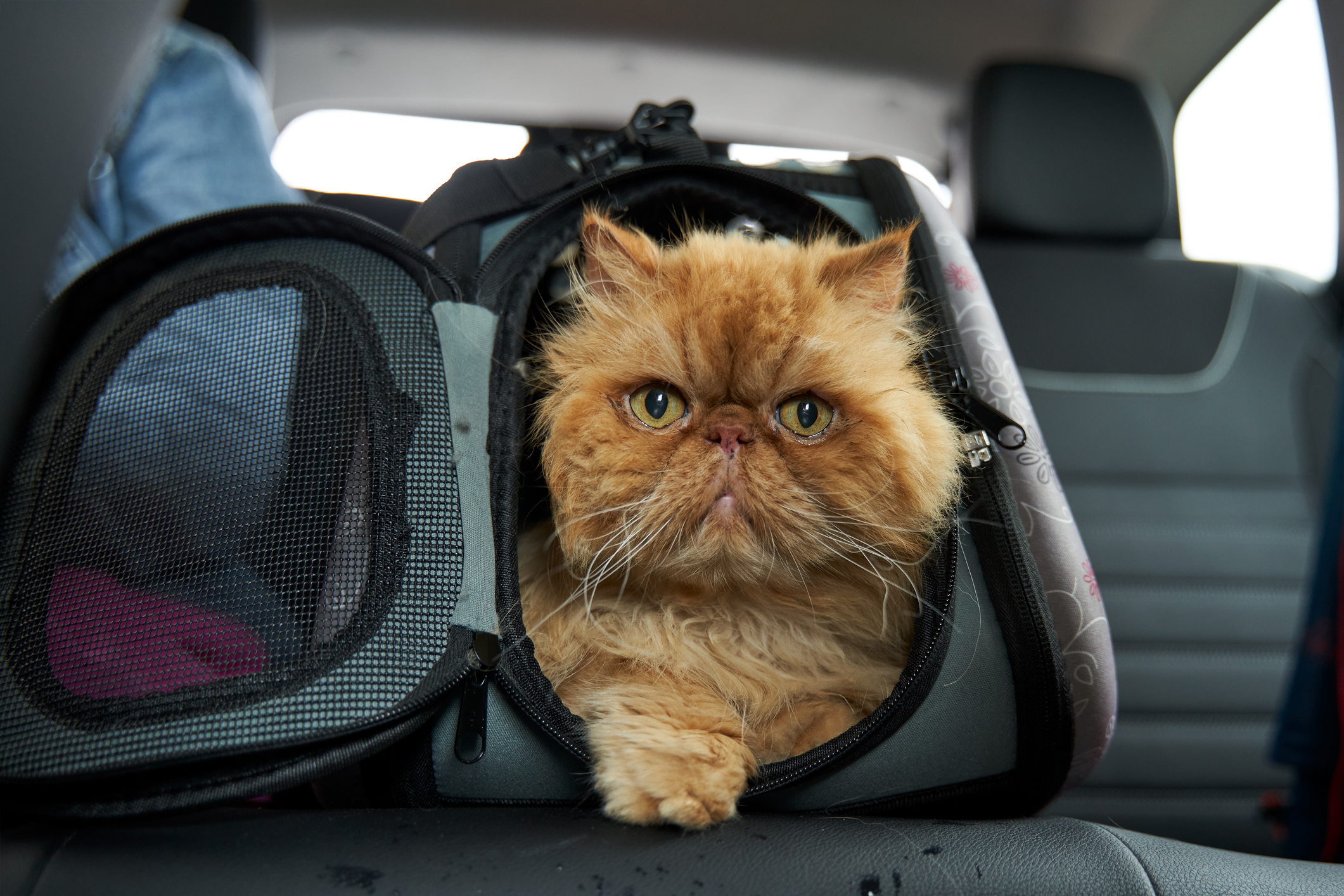
Credit: www.breedercelectcats.co.uk
Frequently Asked Questions
How Can I Keep My Cat Safe Without A Carrier In The Car?
Use a secure harness and seatbelt to restrain your cat. Keep windows closed and avoid sudden stops. Create a calm environment with familiar scents to reduce stress during travel.
What Are The Best Alternatives To A Cat Carrier In Cars?
A sturdy cat harness combined with a seatbelt attachment is ideal. Pet barriers or travel crates with ventilation can also work. Always prioritize your cat’s safety and comfort during the trip.
How Do I Calm My Cat During Car Travel Without A Carrier?
Use calming sprays or pheromone diffusers designed for cats. Speak softly and play gentle music. Frequent breaks and offering water help reduce anxiety on longer drives.
Is It Safe To Let My Cat Roam Freely In The Car?
No, letting a cat roam freely is unsafe. It can distract the driver and put the cat at risk during sudden stops or accidents.
Conclusion
Traveling with your cat without a carrier takes patience and care. Keep your cat calm with familiar items and gentle talk. Use seat belts or pet harnesses to keep them safe. Stop often to check on your pet’s comfort. A calm cat makes the trip easier for everyone.
Small steps help your cat feel secure on the road. Enjoy the journey and create good travel memories together. Safety and comfort should always come first for your cat.